news

  • Ultimate Guide to Mastering Your Home Stereo Crossover System

    Ultimate Guide to Mastering Your Home Stereo Crossover System

    16,Apr 2026
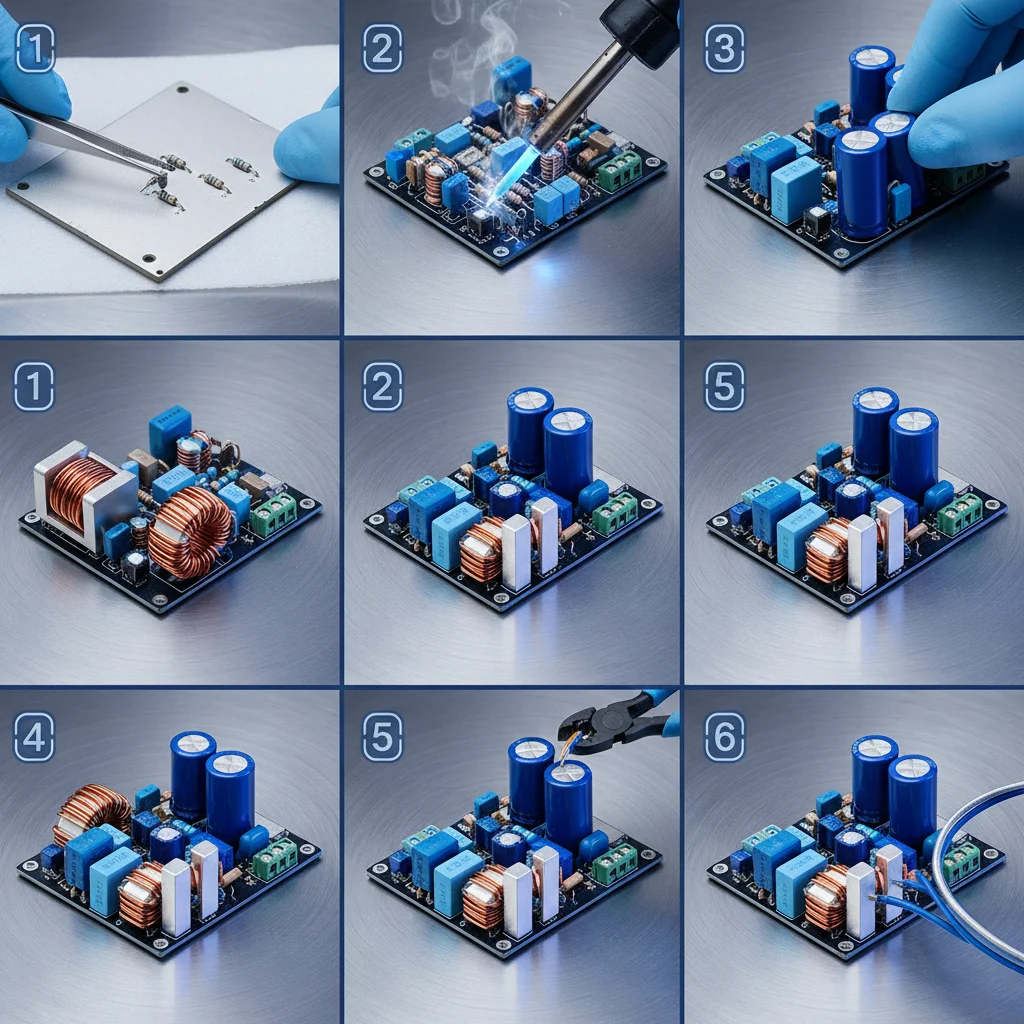
    For any audiophile or home theater enthusiast, achieving a pristine, balanced soundstage is the ultimate goal. Central to this pursuit is the home stereo crossover, a critical component that ensures each speaker driver receives only the frequencies it is designed to handle. By splitting the audio signal into high, mid, and low frequencies, a crossover prevents distortion and protects your equipment from damage. Whether you are building a custom speaker system or upgrading an existing setup, understanding how a crossover functions is essential for maximizing acoustic performance and clarity.
  • Unlock Superior Sound with a High Quality Speaker Crossover Design

    Unlock Superior Sound with a High Quality Speaker Crossover Design

    31,Mar 2026
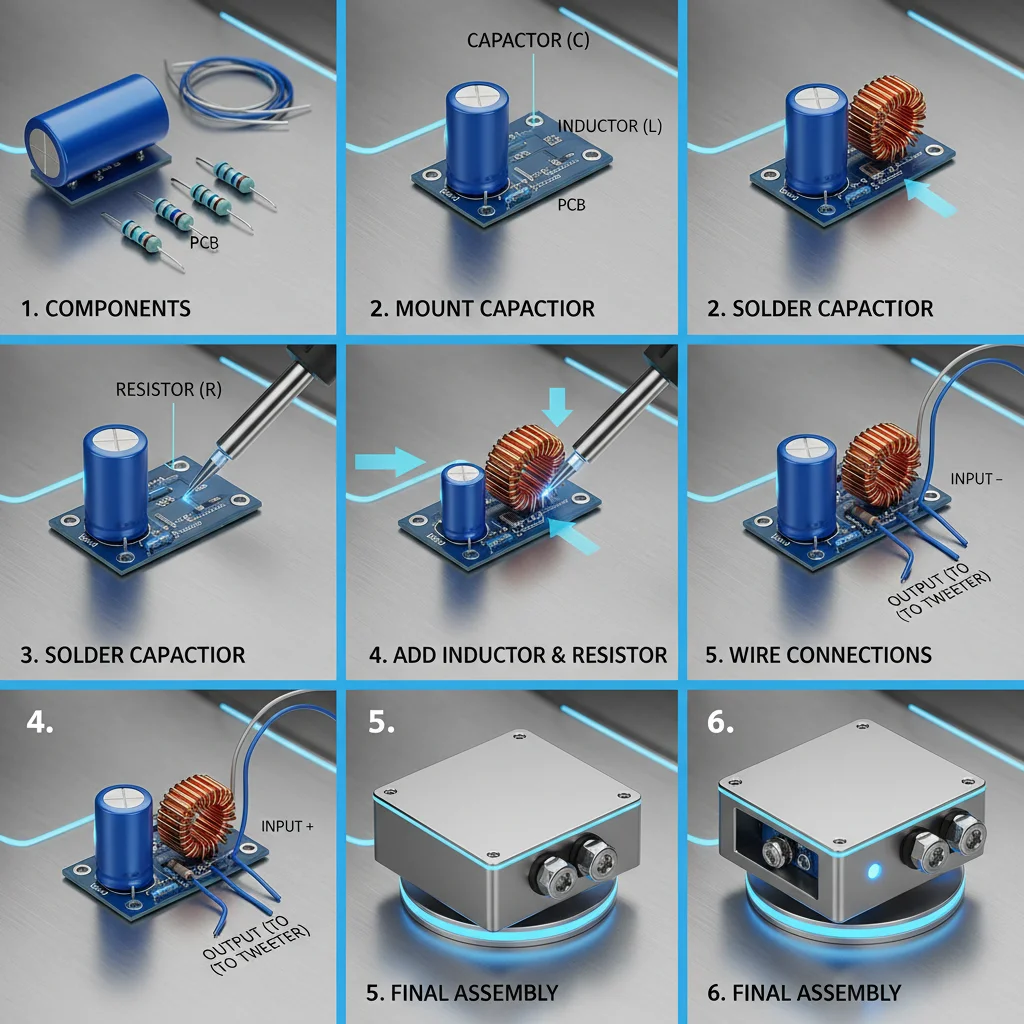
    A high quality speaker crossover is the heart of any audiophile system, meticulously designed to distribute audio signals to the appropriate drivers in your speakers. It ensures that each driver – woofers, tweeters, and midrange – receives the frequencies it's best equipped to handle, resulting in clearer, more accurate sound reproduction. Choosing the right crossover isn’t just about technical specifications; it’s about unlocking the full potential of your speakers and experiencing music as the artist intended.
  • Understanding High Pass Speaker Crossover Functionality and Applications

    Understanding High Pass Speaker Crossover Functionality and Applications

    28,Mar 2026
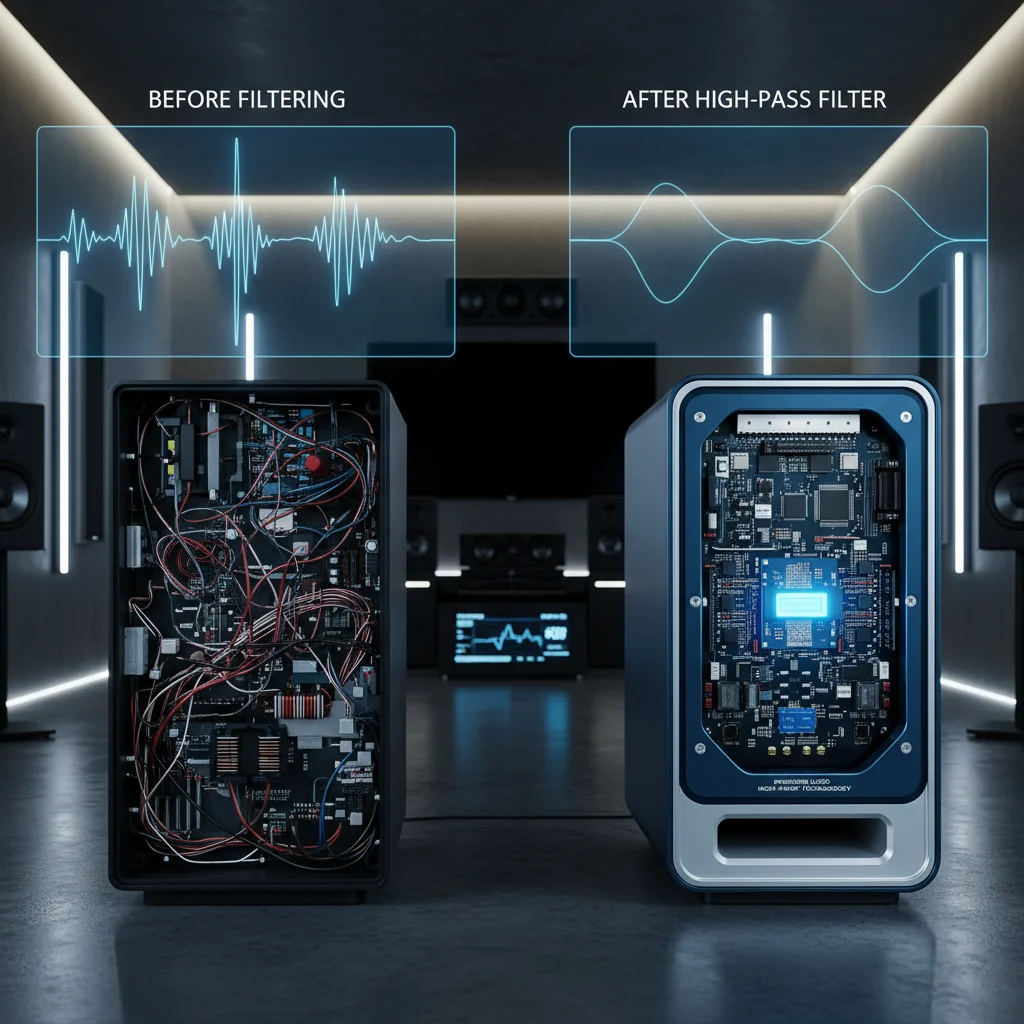
    A high pass speaker crossover is a crucial component in audio systems, responsible for directing high-frequency signals to the tweeter while blocking lower frequencies. This separation is essential for optimal sound quality and preventing damage to delicate tweeter components. Understanding its function and proper implementation is key to achieving a balanced and clear audio experience. In this article, we’ll explore the principles behind high pass crossovers, their different types, common applications, and how to select the right one for your needs.
  • Optimizing Subwoofer Performance with a High Pass Filter for Enhanced Audio

    Optimizing Subwoofer Performance with a High Pass Filter for Enhanced Audio

    26,Mar 2026
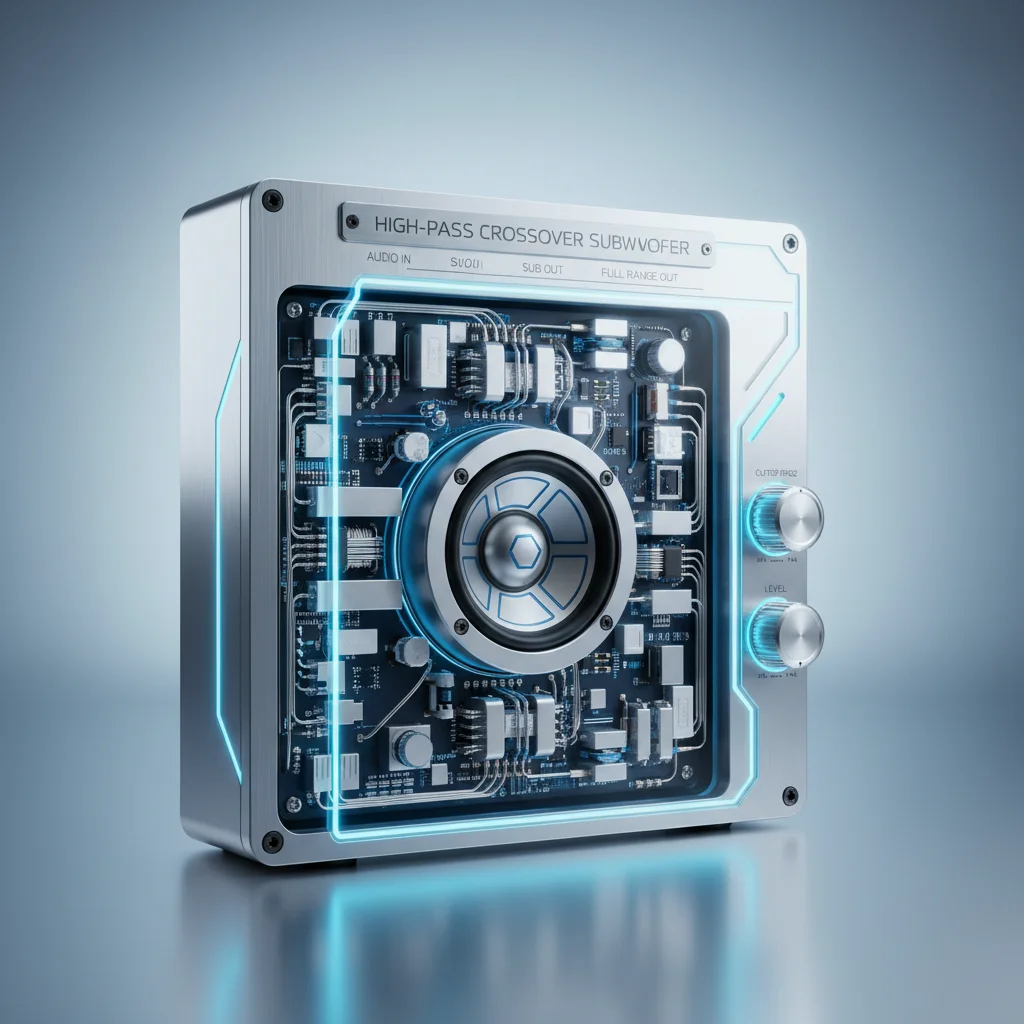
    In the realm of audio engineering, achieving optimal sound quality often requires meticulous control over the frequency spectrum. A high pass filter subwoofer plays a vital role in this process, specifically by removing unwanted low-frequency noise and enhancing the clarity of the overall audio experience. This article will delve into the function, benefits, applications, and selection criteria for these crucial components, providing a comprehensive guide for audiophiles and professionals alike. Understanding the nuances of a high pass filter can greatly improve your subwoofer’s performance and system’s overall audio fidelity. A high pass filter subwoofer, also known as a low-cut filter, is an electronic circuit designed to attenuate frequencies below a specific cutoff point. When integrated into a subwoofer system, it allows only frequencies above that point to pass through to the subwoofer driver. This is crucial for several reasons. Firstly, it prevents the subwoofer from attempting to reproduce frequencies that are outside its optimal range, which can lead to distortion and inefficiency. Secondly, it safeguards the subwoofer driver from potential damage caused by attempting to handle excessive low-frequency signals.
  • Optimizing Audio Performance with a High Pass Crossover Subwoofer System

    Optimizing Audio Performance with a High Pass Crossover Subwoofer System

    24,Mar 2026
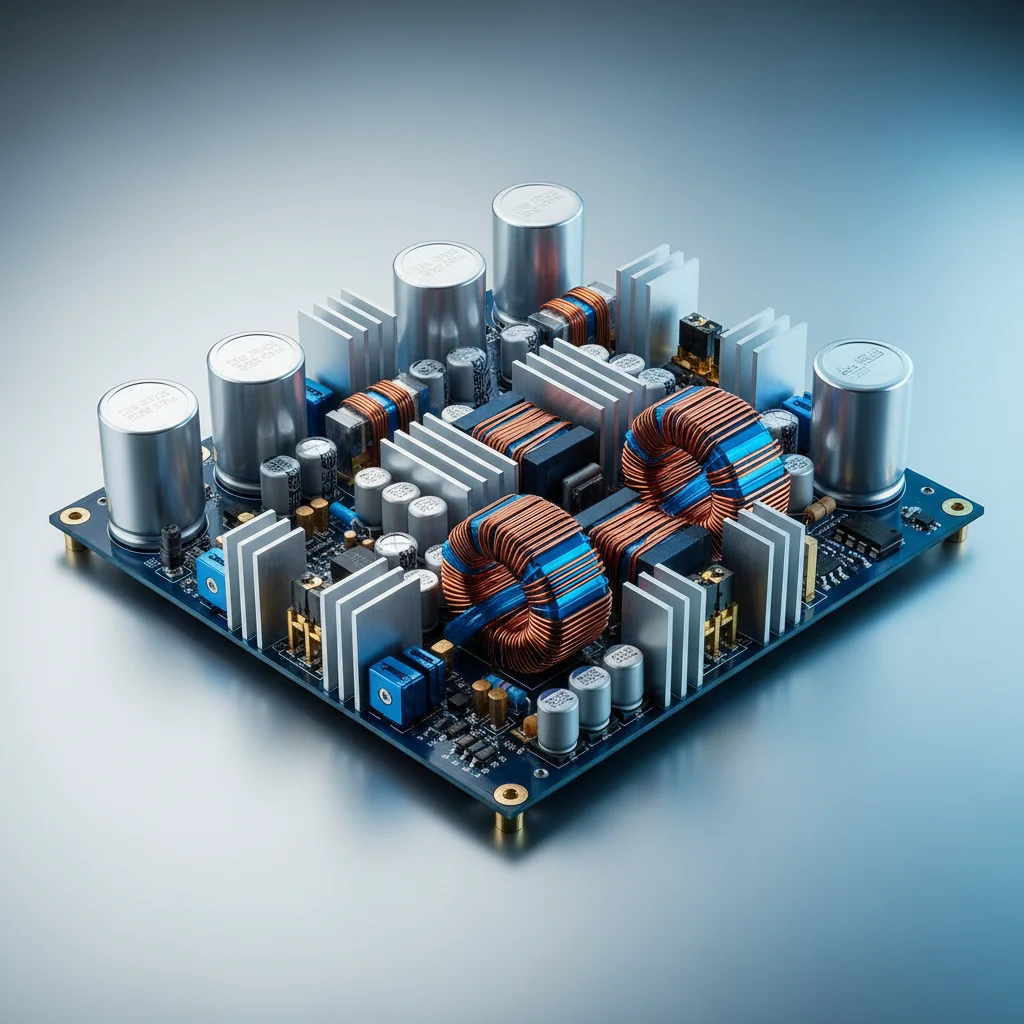
    The high pass crossover subwoofer configuration is a crucial element in audio systems, particularly for achieving optimal sound clarity and performance. This setup intelligently filters low-frequency sounds, directing them to the subwoofer while allowing mid and high frequencies to pass through to other speakers. This separation improves overall sound quality and prevents distortion. Understanding how a high pass crossover works, its benefits, and how to select the right components is key to building a powerful and balanced audio setup. We will explore the details of this technology and its application in various audio scenarios. A high pass crossover, often called an HPF, is an electronic filter that allows frequencies above a specific cutoff frequency to pass through while attenuating (reducing) frequencies below that point. In the context of a high pass crossover subwoofer setup, the crossover is placed between the amplifier and the subwoofer. This ensures the subwoofer only receives the low-frequency signals it’s designed to reproduce, freeing up the main speakers to handle the higher frequencies. This prevents the main speakers from attempting to produce bass frequencies that they might not be capable of handling effectively, resulting in clearer, less distorted sound.
  • Understanding High End Speaker Crossovers for Optimal Audio Performance

    Understanding High End Speaker Crossovers for Optimal Audio Performance

    21,Mar 2026
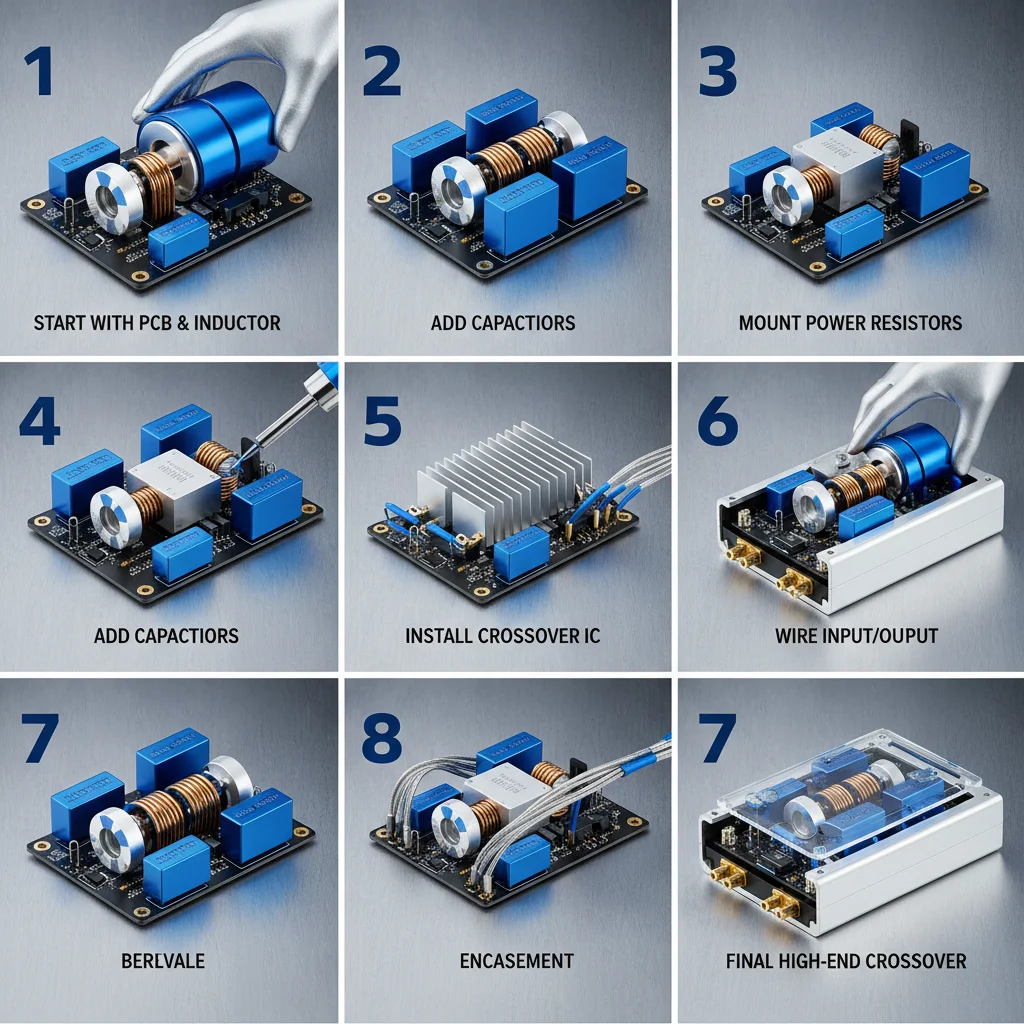
    For audiophiles and sound engineers, the quality of a speaker isn’t solely determined by the drivers themselves. A crucial, often overlooked component is the high end speaker crossover. This network of components directs frequencies to the appropriate drivers – woofers, tweeters, and midranges – ensuring accurate sound reproduction. Choosing the right crossover is essential for optimizing speaker performance and achieving a truly immersive listening experience. We’ll explore the critical aspects of these components, their types, and how they impact sound quality. Simply put, a speaker crossover is an electronic circuit that divides the audio signal into different frequency ranges. Each range is then sent to the driver best equipped to reproduce it. Woofers handle low frequencies (bass), tweeters manage high frequencies, and midranges cover the middle frequencies. High end speaker crossovers are built with premium components – often air-core inductors, polypropylene or film capacitors, and precision resistors – to minimize signal loss and distortion. This results in a cleaner, more accurate, and detailed sound. Without a crossover, all frequencies would be sent to all drivers, leading to muddiness and potentially damaging the drivers.
  • Unlocking Superior Sound The Importance of a High End Speaker Crossover

    Unlocking Superior Sound The Importance of a High End Speaker Crossover

    19,Mar 2026
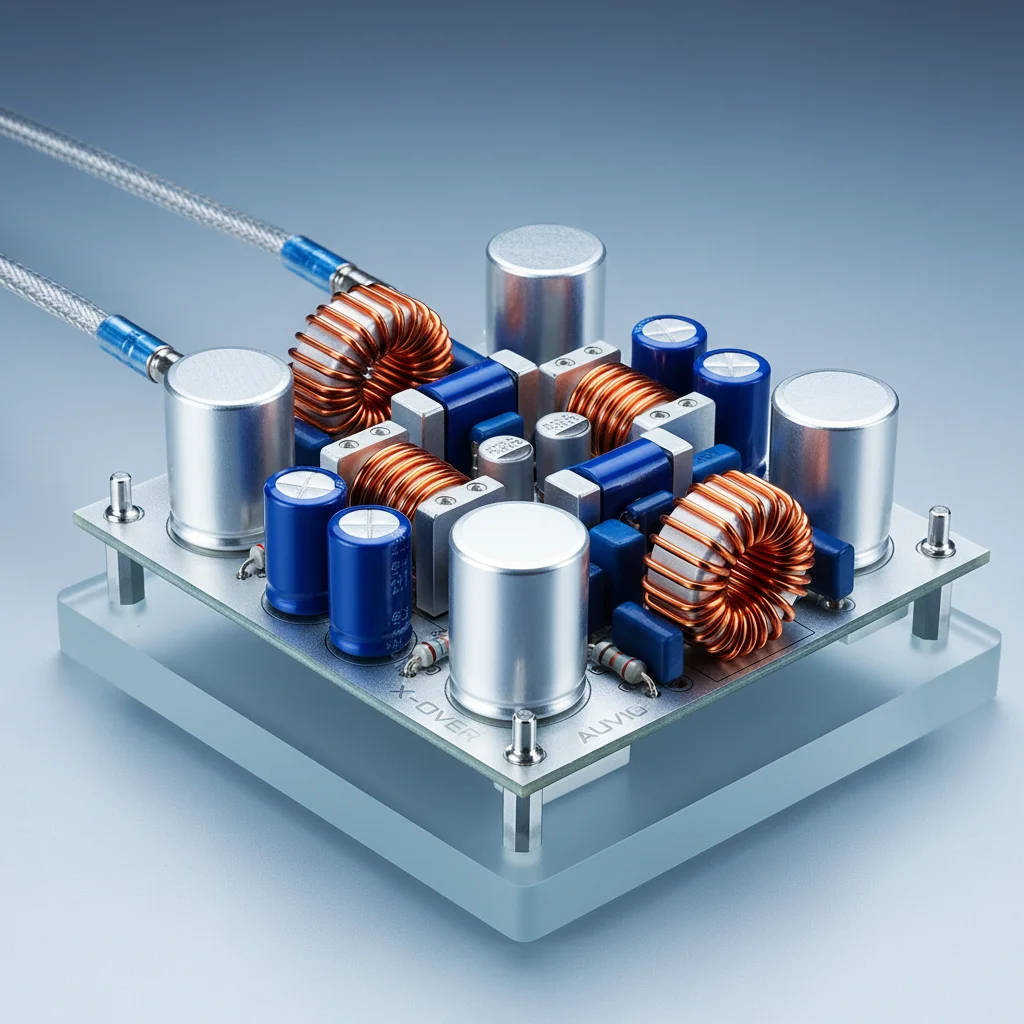
    The heart of any high-fidelity audio system isn’t just the speaker drivers themselves, but the intricate network that directs audio signals to them: the speaker crossover. A high end speaker crossover isn’t merely a collection of components; it’s a carefully engineered solution for optimizing sound reproduction. At XCD Magnetic, we specialize in designing and manufacturing premium crossovers that unlock the full potential of your speakers. This article will delve into the world of high-end speaker crossovers, exploring their function, components, design considerations, and the benefits they bring to your listening experience. Investing in a quality crossover is essential for achieving truly exceptional audio clarity and precision. Simply put, a speaker crossover separates the incoming audio signal into different frequency ranges, sending the appropriate frequencies to the corresponding speaker drivers (tweeters, mid-range drivers, and woofers). Each driver is designed to reproduce a specific range of frequencies most effectively. Without a crossover, all frequencies would be sent to all drivers, resulting in distorted sound and potential damage to the more delicate components like tweeters. A well-designed crossover ensures that each driver operates within its optimal range, leading to a cleaner, more accurate, and more enjoyable listening experience.
  • Understanding Hifi Speaker Crossover Design and Component Selection

    Understanding Hifi Speaker Crossover Design and Component Selection

    17,Mar 2026
    A hiFi speaker crossover is the heart of any multi-way loudspeaker system, meticulously directing audio frequencies to their appropriate drivers – woofers, tweeters, and midranges. This ensures a balanced and accurate sound reproduction. Choosing the right crossover is critical for optimizing speaker performance. This article dives deep into the world of speaker crossovers, covering types, components, design considerations, and how to select the best crossover for your audio needs. We will also explore the importance of quality components, like those offered by XCD Magnetic, in achieving superior sound quality. There are three primary types of speaker crossovers: passive, active, and digital. Passive crossovers are the most common, employing resistors, capacitors, and inductors to filter frequencies. They're placed between the amplifier and the drivers. Active crossovers, on the other hand, require separate amplifiers for each driver and operate at line level, offering greater control and precision. Digital crossovers (DSP) use digital signal processing for advanced filtering and equalization capabilities. Each type has its pros and cons, impacting the overall sound signature and system complexity.
  • Understanding Full Range Speaker Crossovers for Optimal Audio Performance

    Understanding Full Range Speaker Crossovers for Optimal Audio Performance

    14,Mar 2026
    Choosing the right full range speaker crossover is crucial for optimizing your audio experience. A crossover network directs audio frequencies to the appropriate drivers in a speaker system, ensuring clear, balanced sound. This article will delve into the intricacies of full range speaker crossovers, exploring their types, components, design considerations, and how to choose the best one for your needs. We'll uncover why these components are fundamental to high-fidelity audio reproduction and explore the options available from XCD Magnetic. At its core, a full range speaker crossover is an electronic circuit that separates the audio signal into different frequency bands. These bands are then sent to the appropriate speaker drivers – typically woofers (low frequencies), mid-range drivers (middle frequencies), and tweeters (high frequencies). In the case of a full range speaker, the crossover is designed to filter out unwanted frequencies, enhancing the clarity and fidelity of the sound produced. Without a crossover, all frequencies would be sent to all drivers, resulting in distortion and inefficient performance. Proper crossover design is a blend of science and art, requiring careful component selection and precise calculations.
  • Understanding the Front Speaker Crossover for Optimal Audio Performance

    Understanding the Front Speaker Crossover for Optimal Audio Performance

    12,Mar 2026
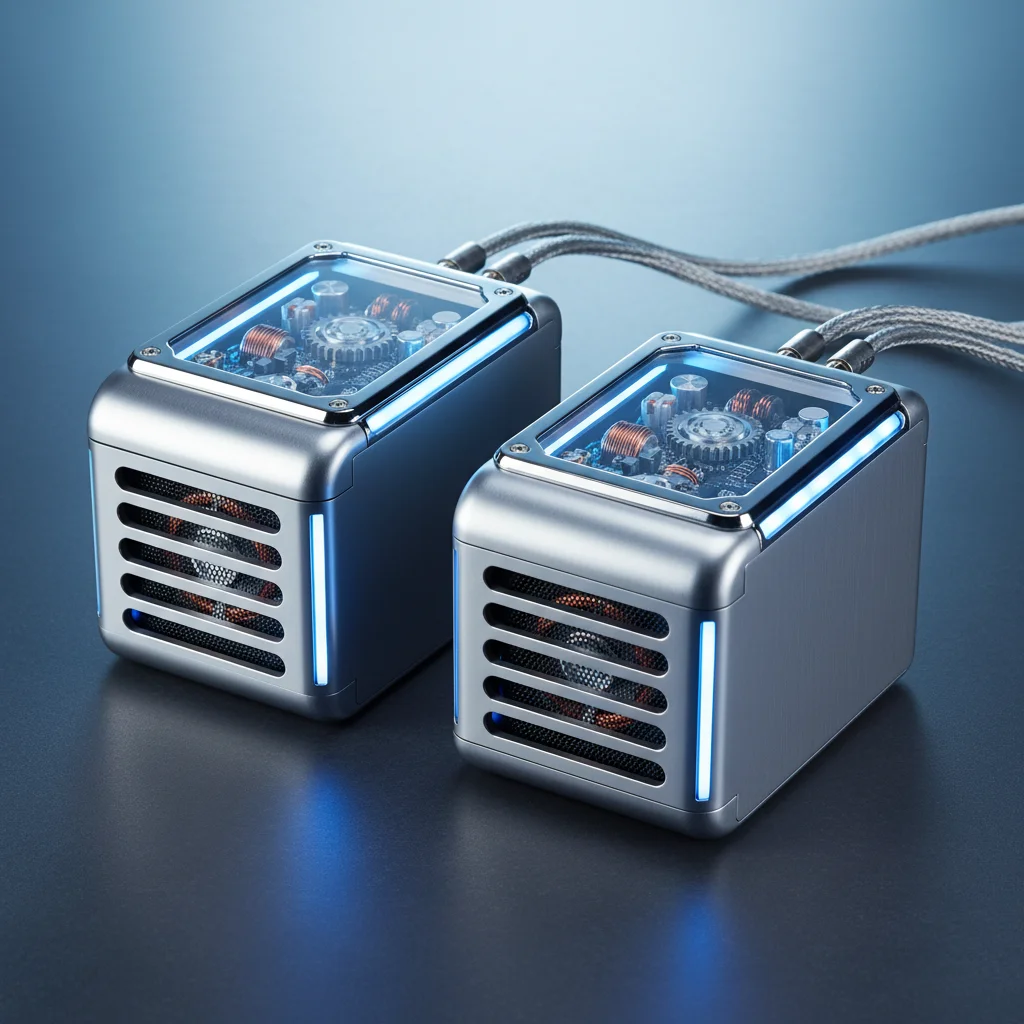
    The front speaker crossover is a crucial component in any audio system, particularly for high-fidelity sound reproduction. It's the network that directs audio signals to the appropriate drivers – tweeters and woofers – ensuring each handles the frequencies it’s designed for. This article will delve into the intricacies of front speaker crossovers, covering their function, types, design considerations, and how to choose the right one for your setup. Understanding your speaker crossover is essential for optimizing sound quality and protecting your speakers. Simply put, a front speaker crossover divides the full-range audio signal from your amplifier into separate frequency bands. Higher frequencies are sent to the tweeter, responsible for crisp highs, while lower frequencies are directed to the woofer, which handles the powerful bass and mid-range. Without a crossover, all frequencies would be sent to both drivers. This would cause distortion, damage the tweeter (due to attempting to reproduce low frequencies), and result in muddy, unclear sound. The crossover's components – typically capacitors, inductors, and resistors – work together to filter and shape the audio signal, ensuring each driver operates within its optimal range.
  • Understanding and Optimizing External Crossover Speakers for Superior Audio

    Understanding and Optimizing External Crossover Speakers for Superior Audio

    11,Mar 2026
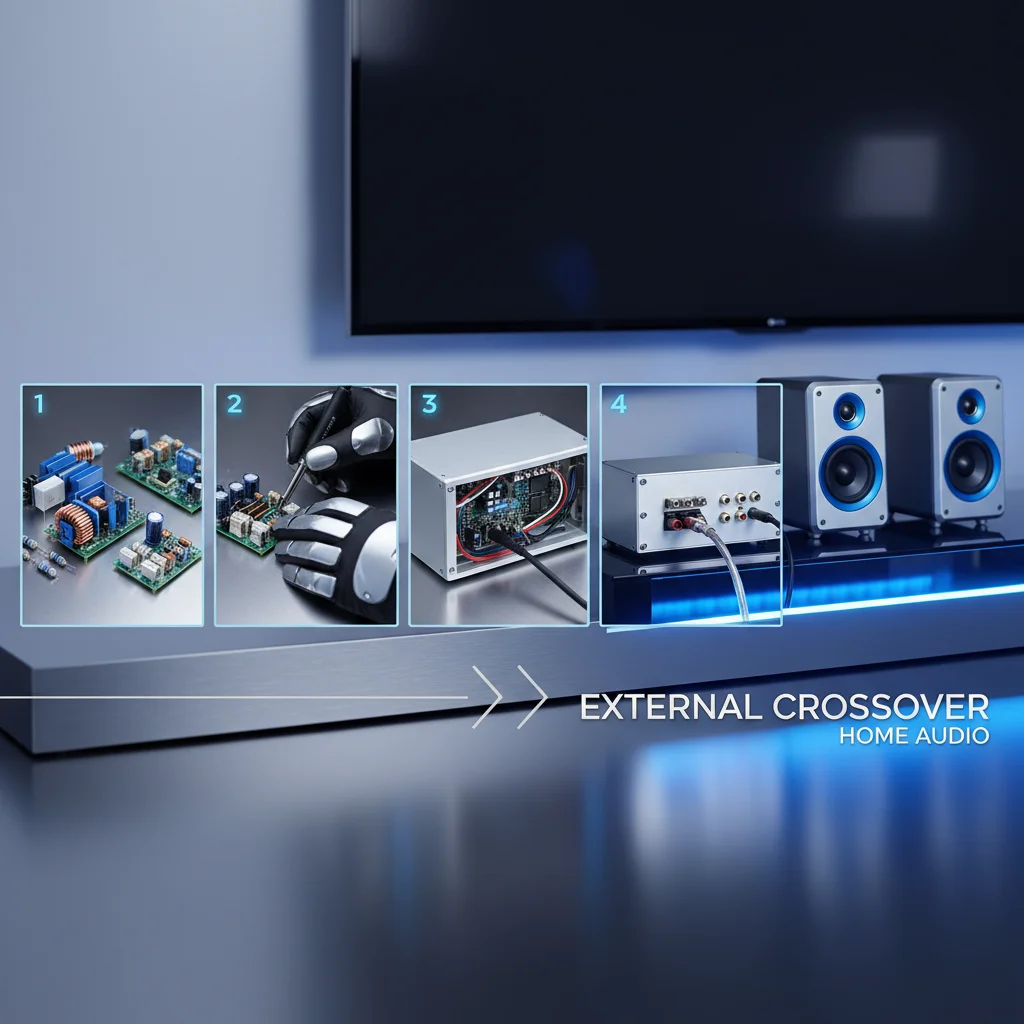
    When aiming for superior audio quality, understanding the role of external crossover speakers is crucial. These components act as the brain of your speaker system, meticulously directing audio frequencies to the appropriate drivers. This ensures optimal performance and a richer, more balanced sound experience. Whether you’re a dedicated audiophile or simply seeking to enhance your home audio setup, choosing the right crossover network can make a significant difference. At XCD Magnetic, we specialize in providing high-quality magnetic components for crossover networks, enabling manufacturers to build exceptional speakers. External crossover speakers, also known as passive crossovers, are electronic circuits designed to divide the audio signal into different frequency ranges. These ranges are then sent to the designated speaker drivers – woofers for low frequencies, mid-range drivers for middle frequencies, and tweeters for high frequencies.
  • Enhance Your Home Audio Experience with External Crossover Solutions

    Enhance Your Home Audio Experience with External Crossover Solutions

    10,Mar 2026

    Understanding External Crossover Home Audio Achieving e […]

If you are interested in our products, you can choose to leave your information here, and we will be in touch with you shortly.