Audio Crossover

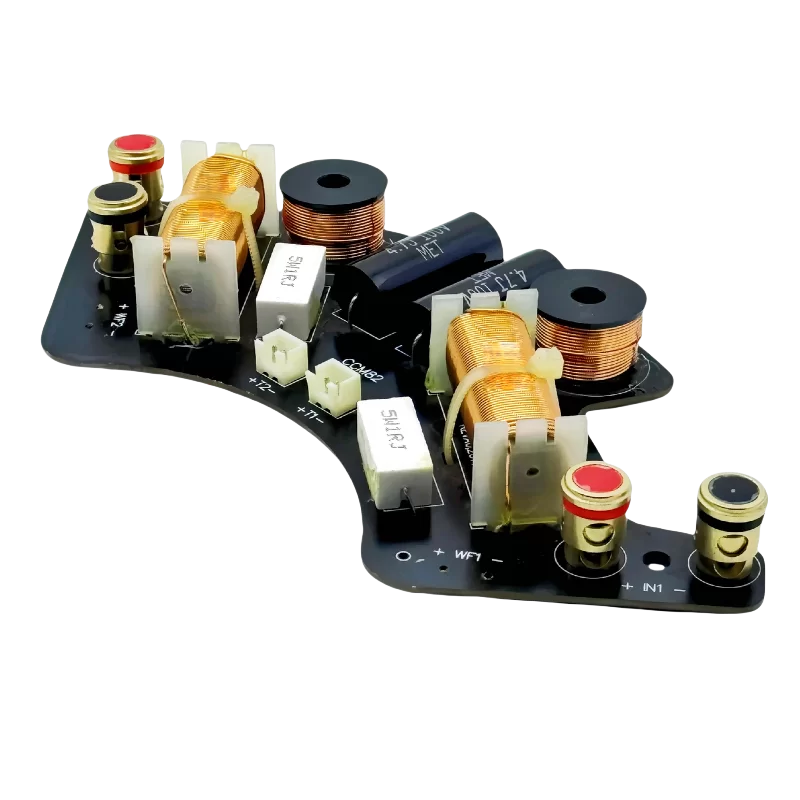
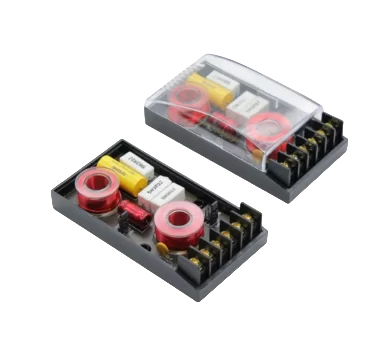
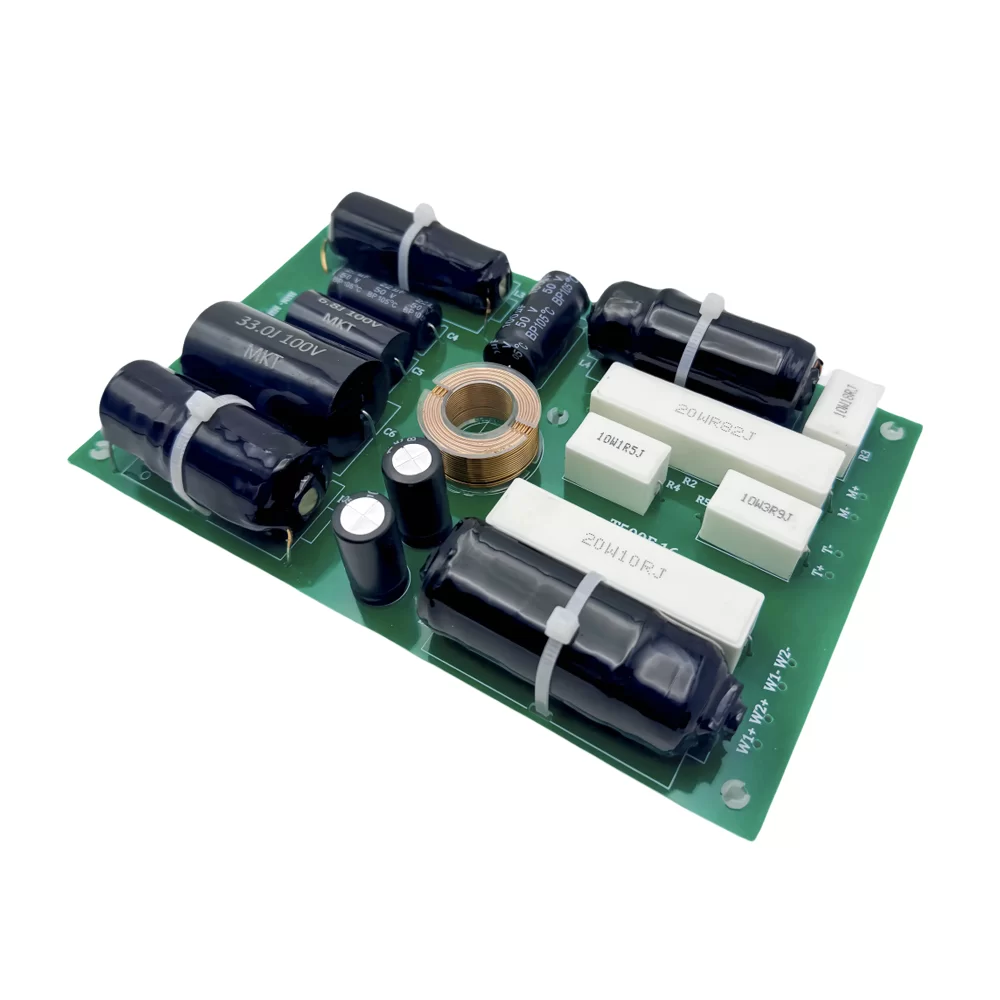
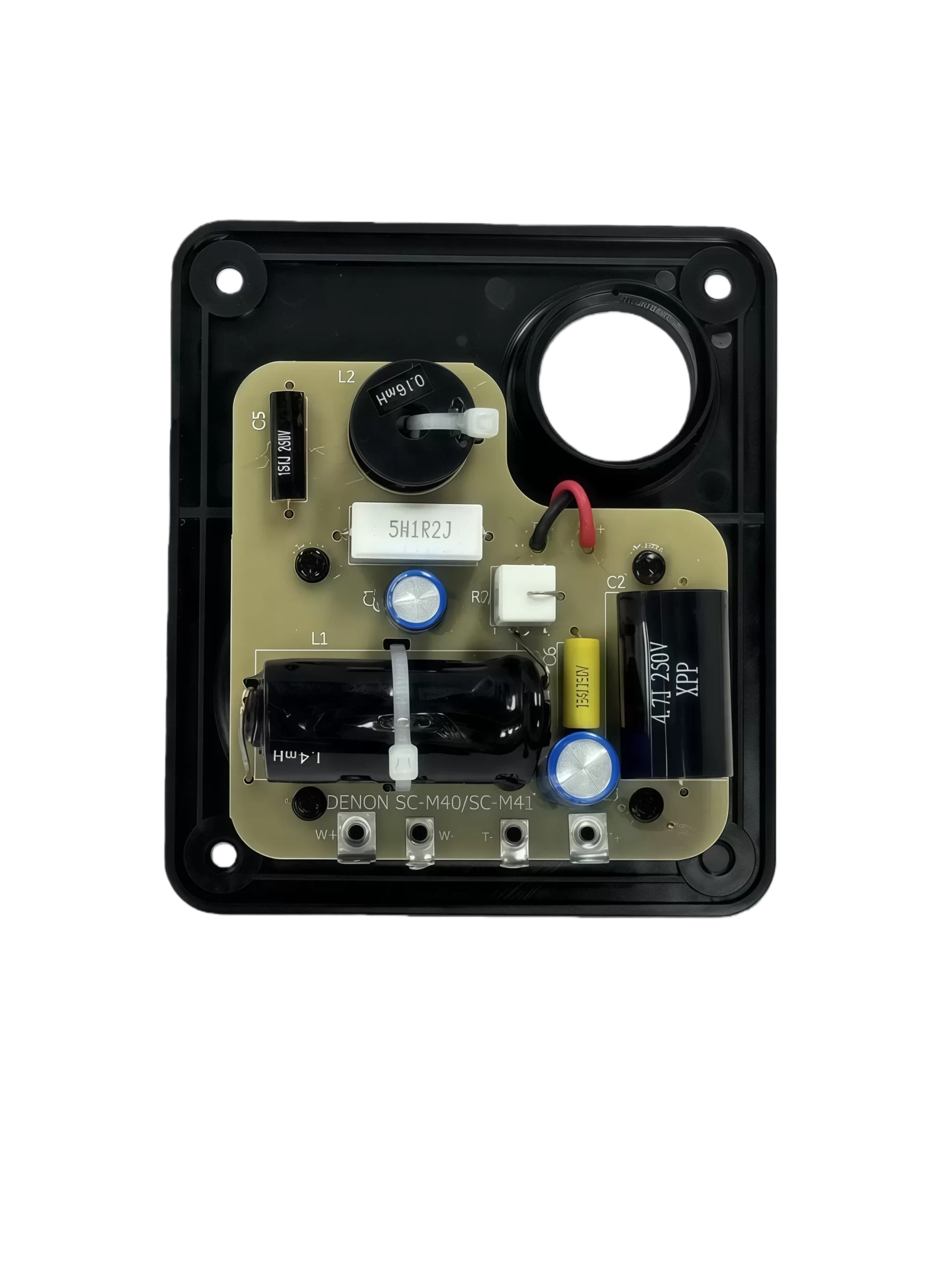
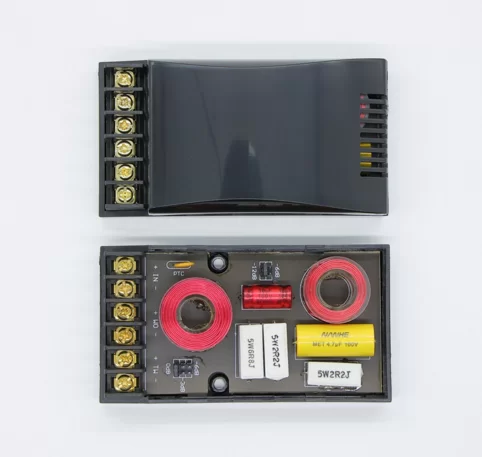
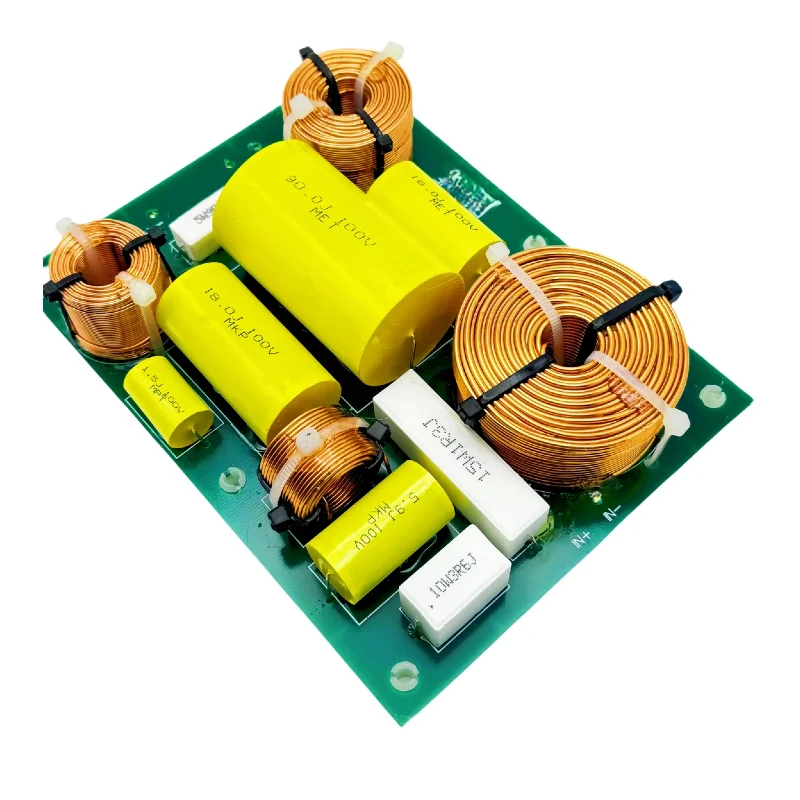
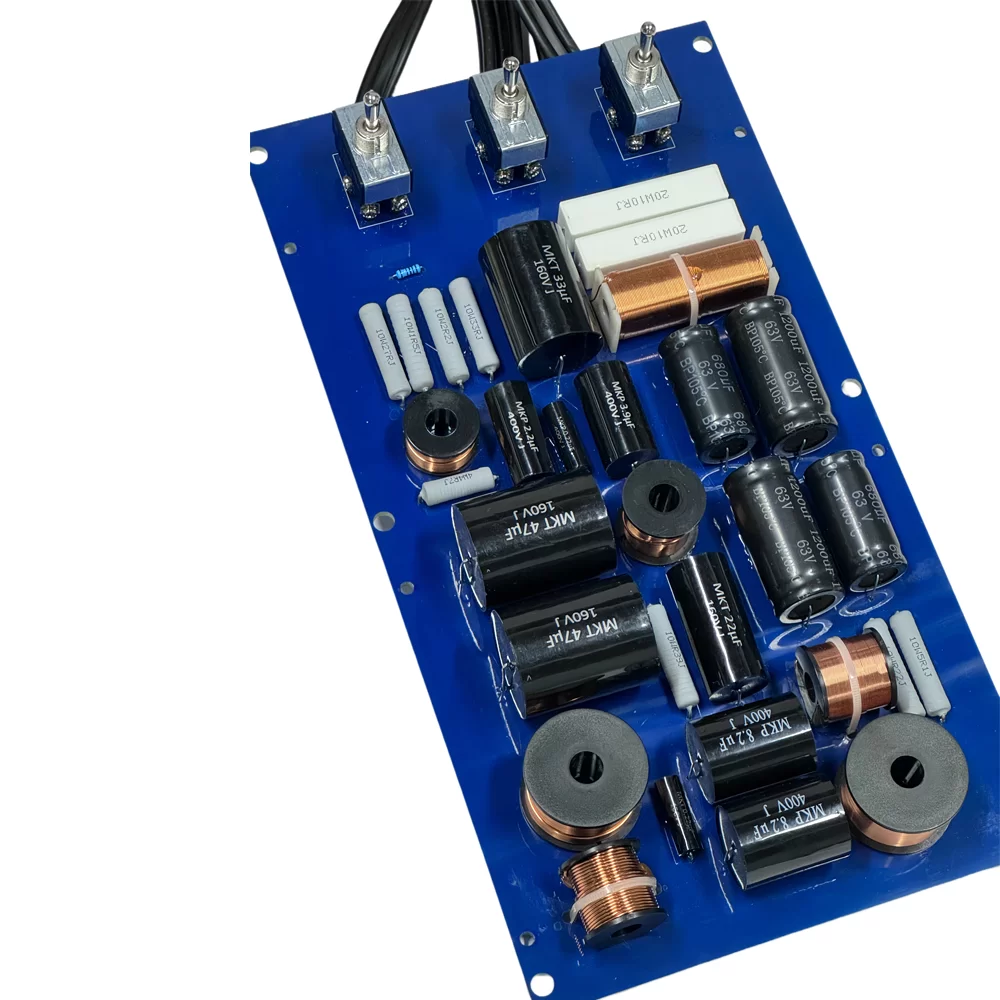
A speaker crossover is an essential audio component that divides an audio signal into separate frequency ranges, ensuring that each driver (woofer, tweeter, and midrange) receives the correct frequencies for optimal sound quality. There are three main types of crossovers—passive, active, and digital—each designed for different applications and levels of control.

Passive crossovers are built using capacitors, inductors, and resistors placed between the amplifier and the speakers. They don’t require external power and are widely used in home and car audio systems due to their simplicity and reliability.

Active crossovers, on the other hand, split the signal before amplification. They require external power but offer greater control over crossover points, gain, and phase alignment—ideal for high-end or professional audio setups.

Digital crossovers use DSP (Digital Signal Processing) technology to manage multiple frequency bands with precision. They allow customizable filtering, time alignment, and equalization, making them perfect for modern car audio systems, home theaters, and stage sound reinforcement.

Each type plays a vital role in ensuring smooth frequency transitions and balanced sound output across all speaker components.
Audio Crossover

How to Choose Crossover Frequency

Choosing the right crossover frequency is crucial for achieving clear, balanced audio performance. The crossover frequency determines the point at which one speaker driver stops playing and another begins, ensuring that each driver operates within its most efficient range. To choose the correct crossover frequency, first identify the frequency response of your speakers. For example, tweeters handle high frequencies (above 2 kHz), woofers handle low frequencies (below 200 Hz), and midrange drivers cover the in-between range. A good starting point is to set the crossover about one octave above the woofer’s upper limit or one octave below the tweeter’s lower limit. For most systems, 80 Hz for subwoofers and around 2,000–3,000 Hz for mid-to-high transitions work well. In car audio or home theater setups, use an active or digital crossover to fine-tune the frequencies and slopes for smoother blending. Correct crossover tuning improves sound clarity, prevents distortion, and maximizes the performance of your entire audio system.

How to Use a Crossover for Speakers

  • Identify the Speaker Configuration

    Before setting up, determine whether your system uses 2-way, 3-way, or bi-amped speakers. The crossover must match the number of drivers to divide frequencies correctly among them.
  • Set the Crossover Frequency and Slope

    Adjust the frequency cutoffs for each driver based on their response limits. Use a gentle slope (12dB/octave) for smoother transitions or a steeper slope (24dB/octave) for precise separation and higher power handling.
  • Fine-Tune for Sound Balance

    Once the crossover is set, listen and adjust by ear or measurement tools. Ensure that no frequency range overlaps excessively or leaves gaps, maintaining a natural and balanced tone.

What Does a Car Audio Crossover Do

A car audio crossover manages how frequencies are distributed among your vehicle’s speakers, ensuring that each component performs efficiently. It separates bass, midrange, and treble frequencies and directs them to the subwoofer, midrange speakers, and tweeters accordingly.
Power Supply Filtering

Improves Sound Clarity and Definition
By preventing each speaker from receiving unwanted frequencies, crossovers reduce distortion and deliver clear, precise sound even at high volumes.
Three-Phase Common Mode Choke

Protects Speakers from Damage

Crossover filters keep low frequencies away from tweeters and high frequencies away from woofers, preventing overload and extending speaker lifespan.
Audio and Communication Equipment

Enhances System Customization

Modern car audio crossovers, especially digital or active types, allow users to adjust crossover points and slopes, fine-tuning the soundstage for a more immersive in-car listening experience.

If you are interested in our products, you can choose to leave your information here, and we will be in touch with you shortly.