Toroid inductor

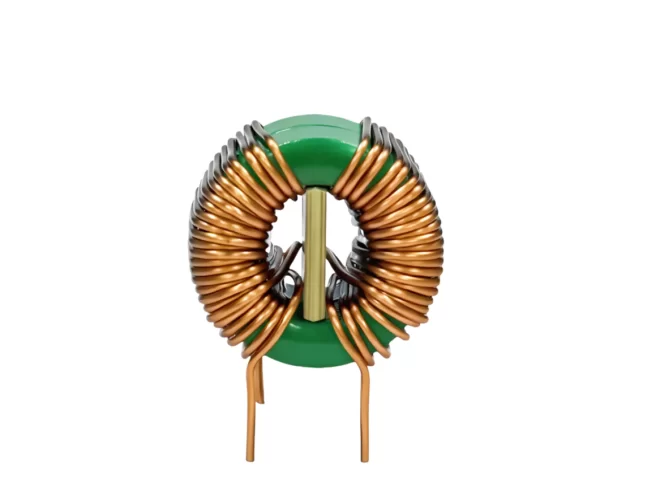
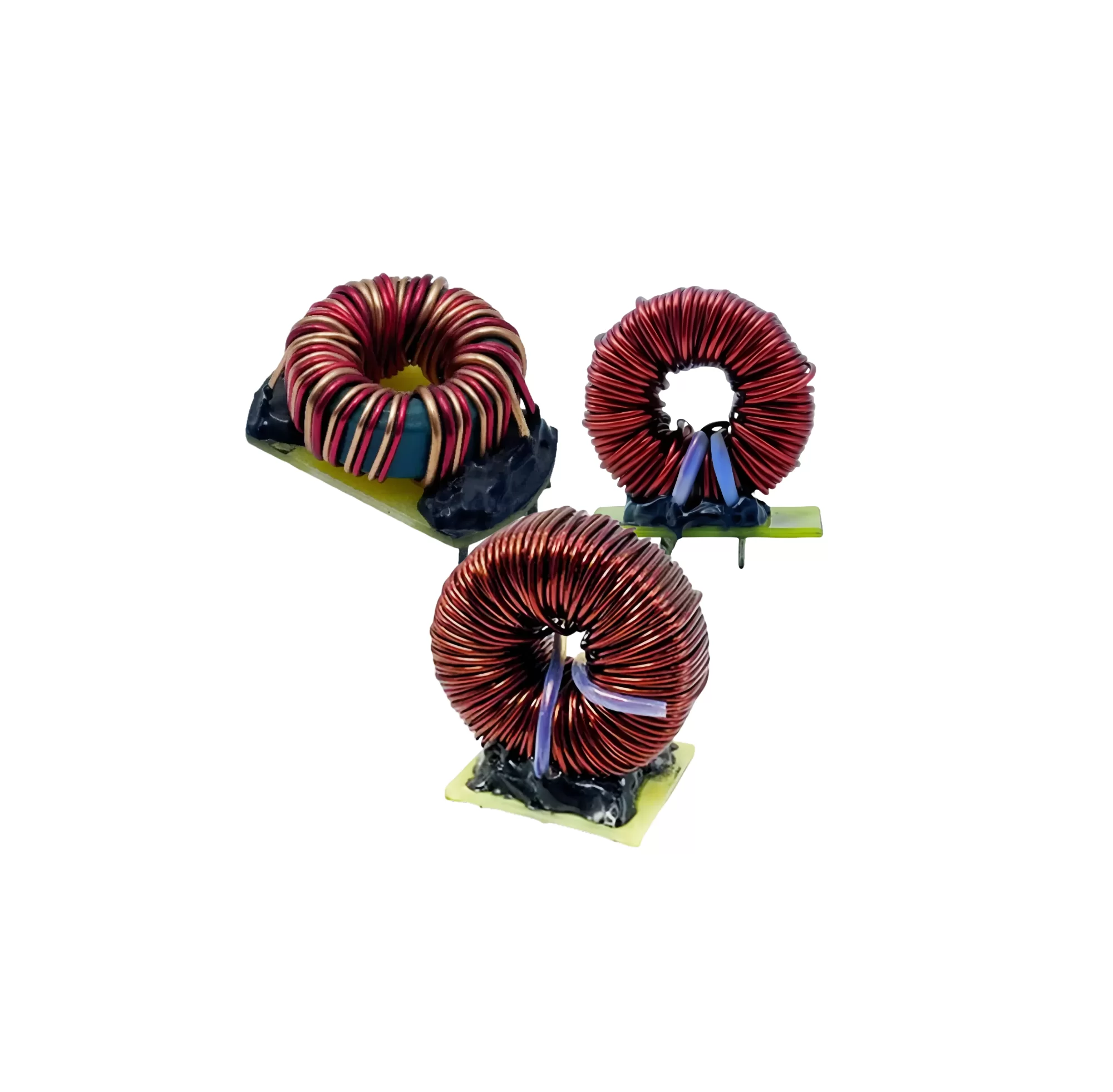
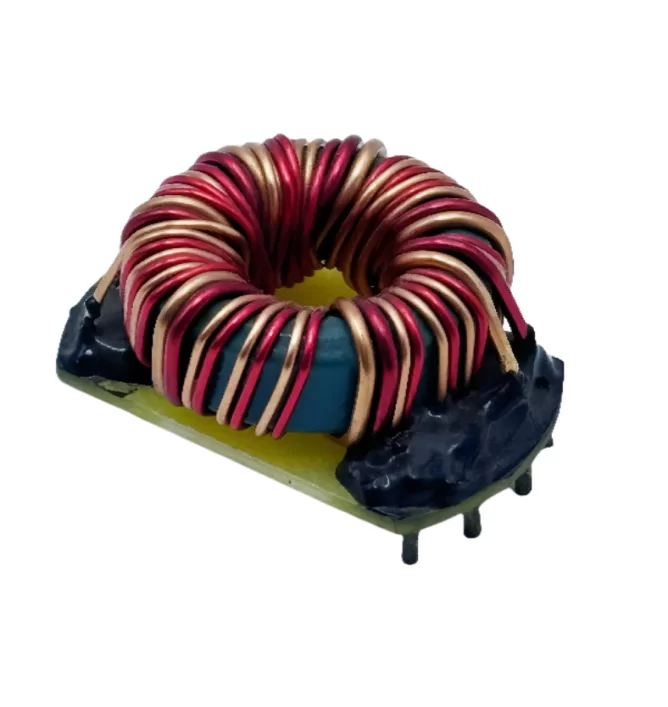
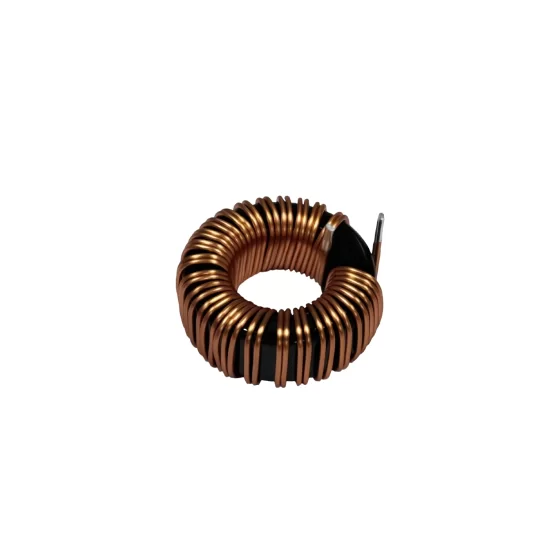
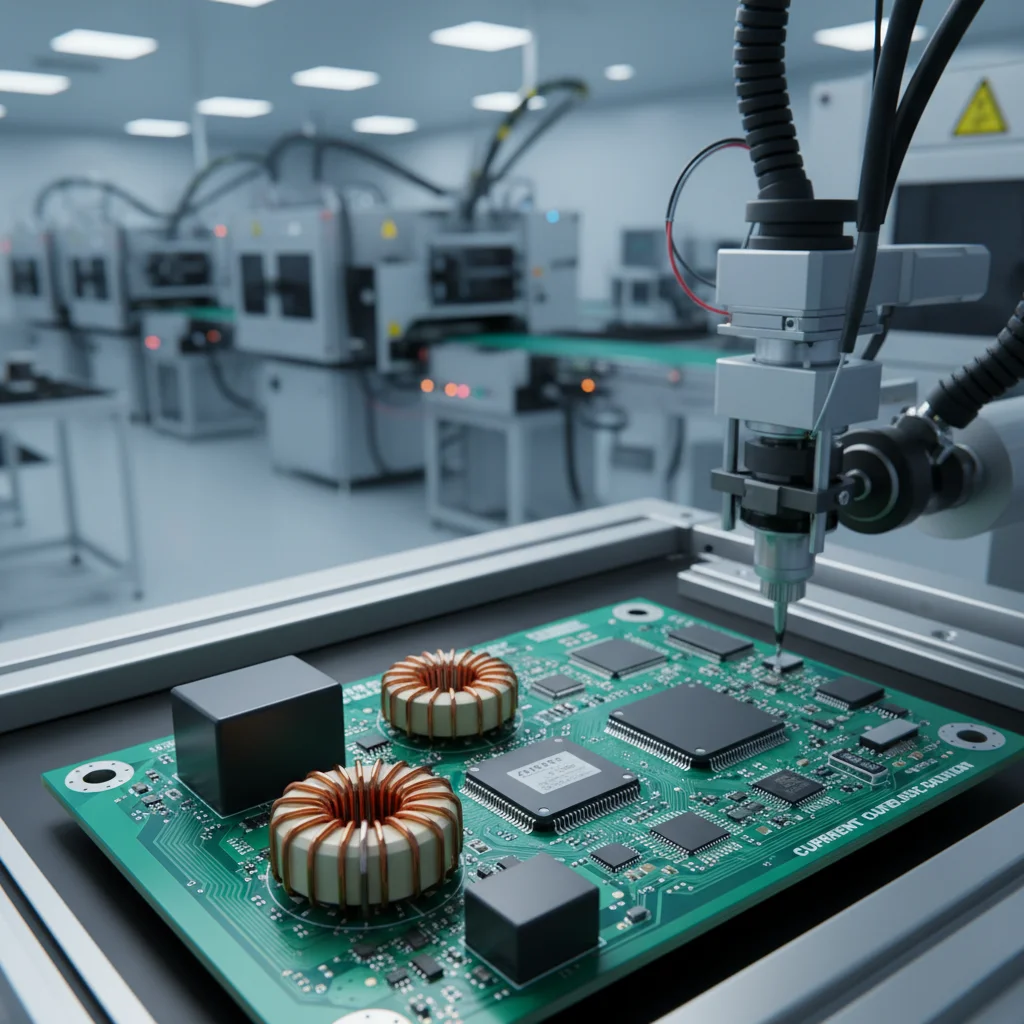
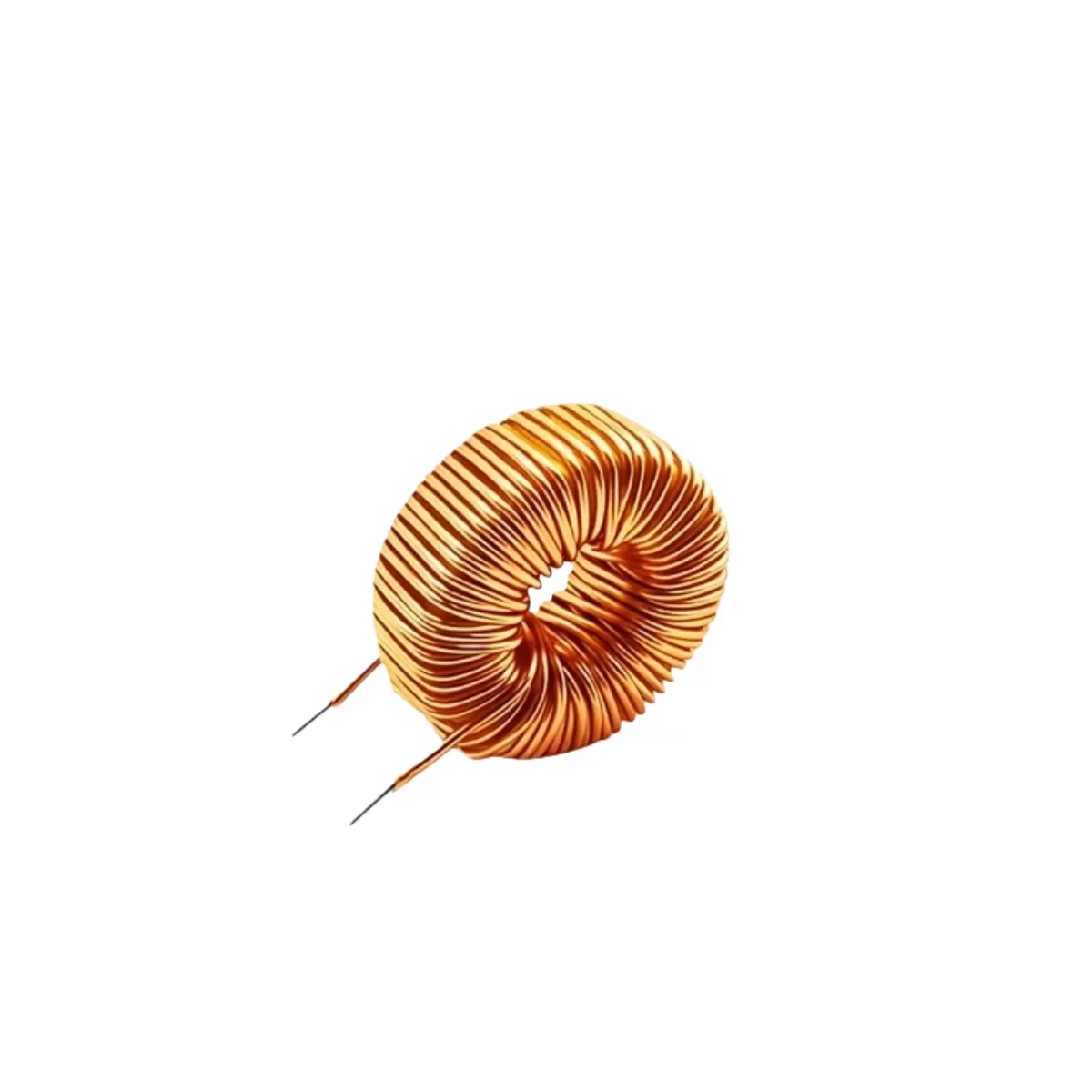
A toroid inductor is a type of passive component that stores energy in a magnetic field and helps regulate current flow within electrical circuits. Its defining feature is the doughnut-shaped core (toroidal shape), which allows for superior magnetic containment and minimal electromagnetic interference (EMI).

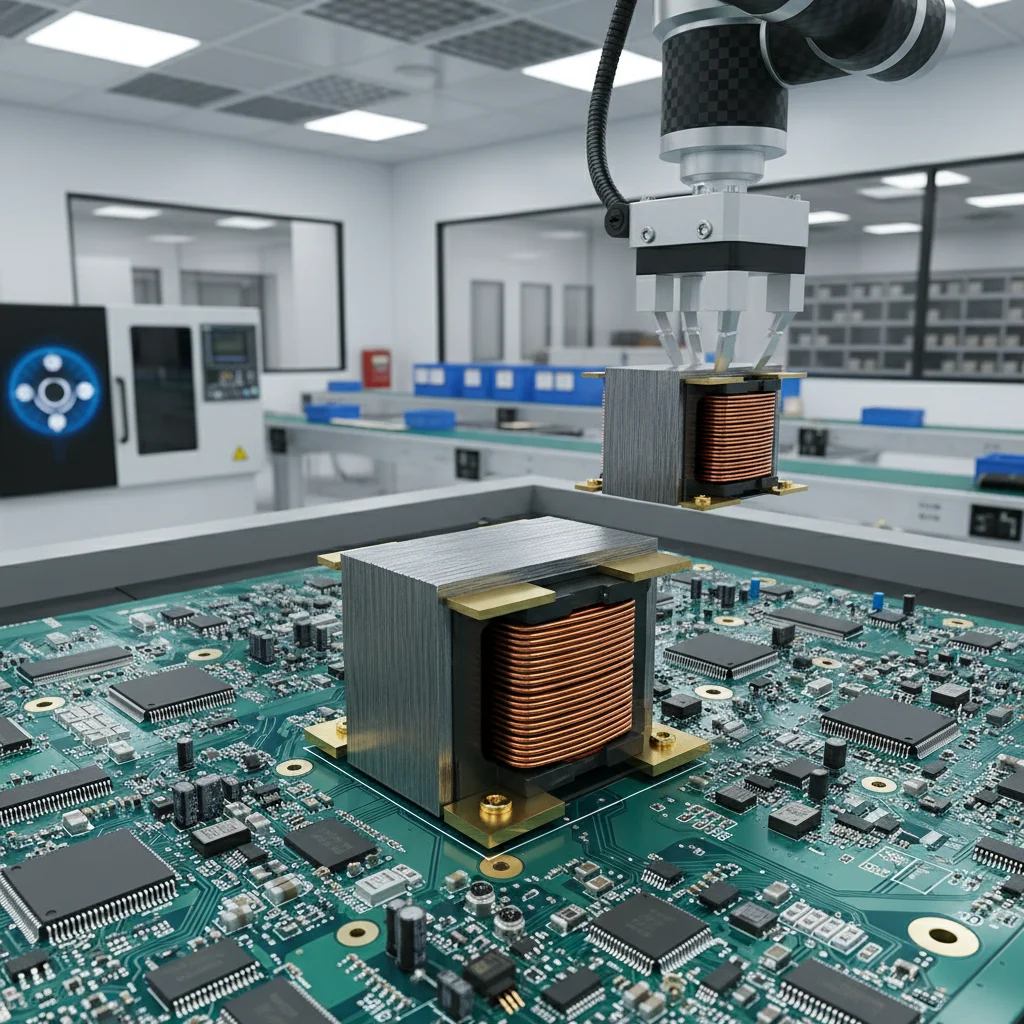
Toroid inductors are typically constructed using ferrite, powdered iron, or nanocrystalline materials, each chosen for their low loss and high permeability. The toroidal geometry provides a closed magnetic path, resulting in higher inductance efficiency, lower stray fields, and compact size compared with other coil designs.

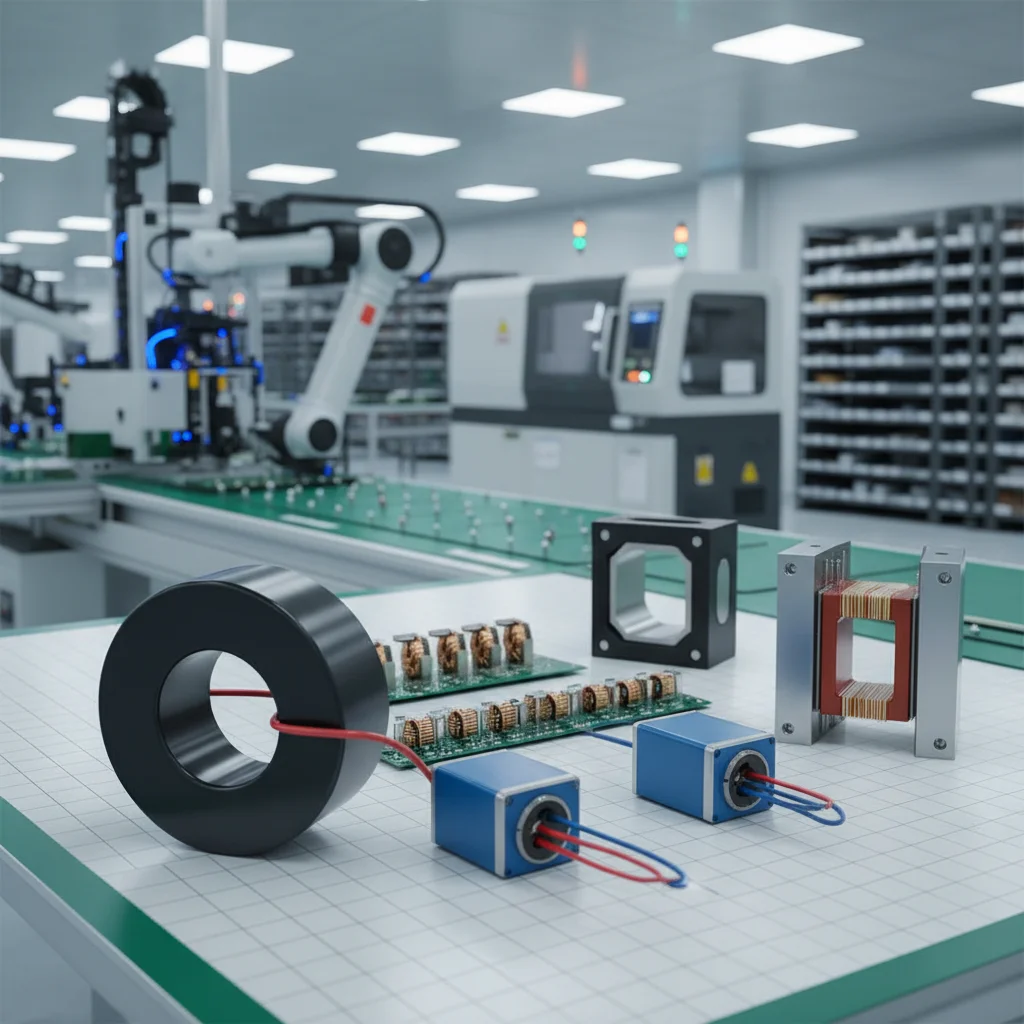
These inductors are widely used in switching power supplies, audio equipment, telecommunications, medical instruments, and renewable energy converters. They help reduce noise, smooth current, and improve overall circuit performance.

With excellent thermal stability and energy efficiency, toroid inductors are the preferred choice in high-frequency and high-current applications where space-saving, low radiation, and high reliability are essential.
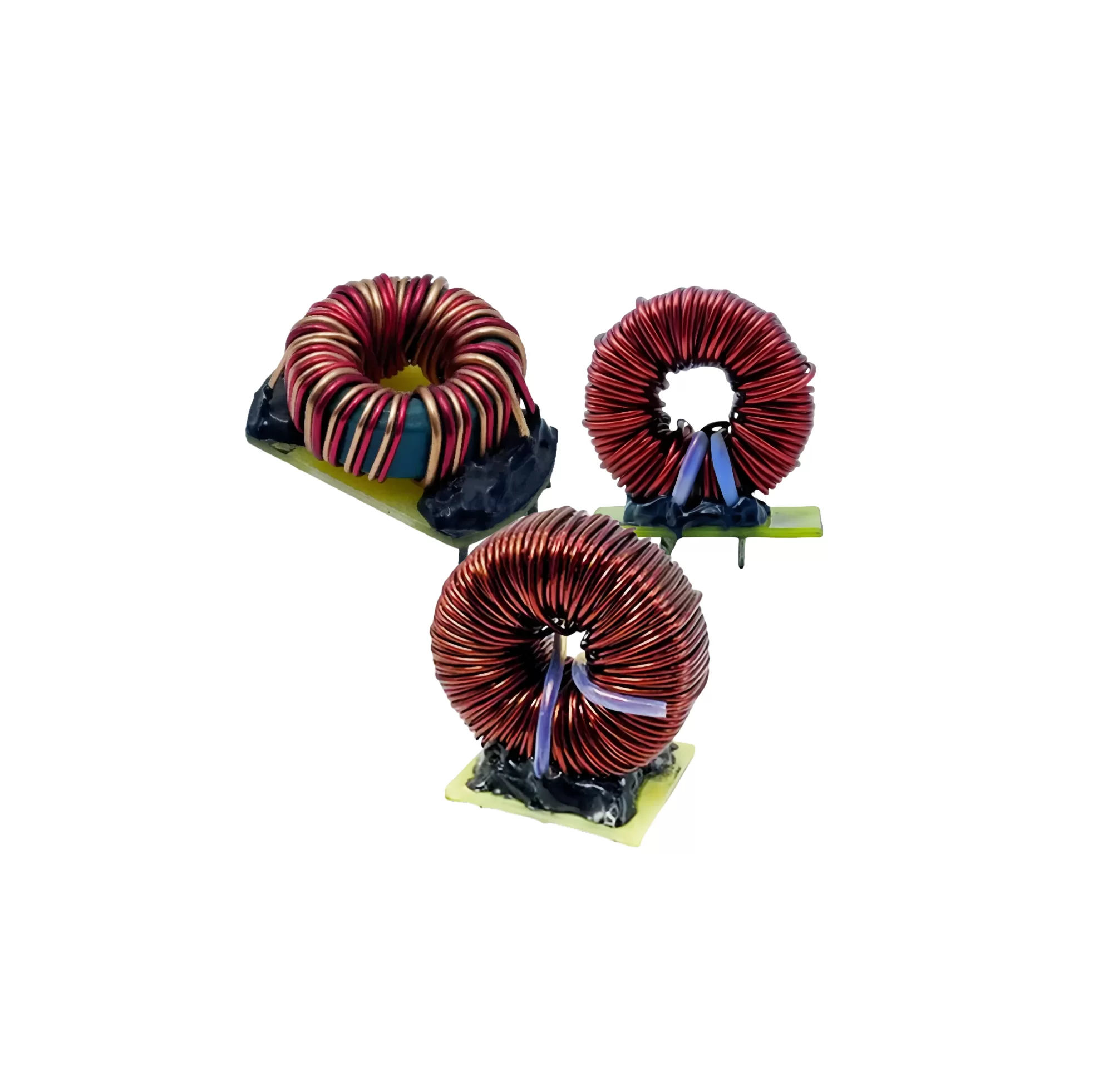
Toroid inductor

What Does a Toroid Inductor Do?

A toroid inductor serves as an energy storage and noise suppression component in electrical circuits. It stores magnetic energy when current passes through it and releases that energy as the current changes, helping stabilize voltage and current flow. The unique circular magnetic path of the toroidal core ensures that the magnetic flux remains confined within the core material, greatly reducing external electromagnetic radiation. This makes toroid inductors ideal for applications where low EMI and high magnetic efficiency are required. In DC-DC converters, toroid inductors smooth the current between switching cycles, reducing ripple and improving power efficiency. In audio systems, they eliminate hum and interference for cleaner sound output. In filter networks, toroid inductors work with capacitors to block unwanted high-frequency noise. Overall, toroid inductors are essential for achieving stable, efficient, and low-noise operation in both analog and digital electronics.

What Are the Three Types of Inductors?

  • Air Core Inductors

    Air core inductors use no magnetic material and rely solely on the shape of the coil. They are ideal for high-frequency circuits and RF applications, providing excellent linearity and low distortion.
  • Iron Core Inductors

    These inductors use laminated iron cores to increase inductance and handle high-current, low-frequency applications such as power transformers and filters.
  • Toroid Inductors

    Toroid inductors feature a closed-loop magnetic path, offering high efficiency, minimal EMI, and compact size. They are commonly found in switching power supplies, converters, and precision filters.

What Is the Advantage of Using a Toroid Coil?

Using a toroid coil offers multiple performance and design benefits compared to traditional inductor types. Its shape and structure enhance magnetic efficiency, reduce energy losses, and enable smaller circuit designs.
Three-Phase Differential Mode Inductance
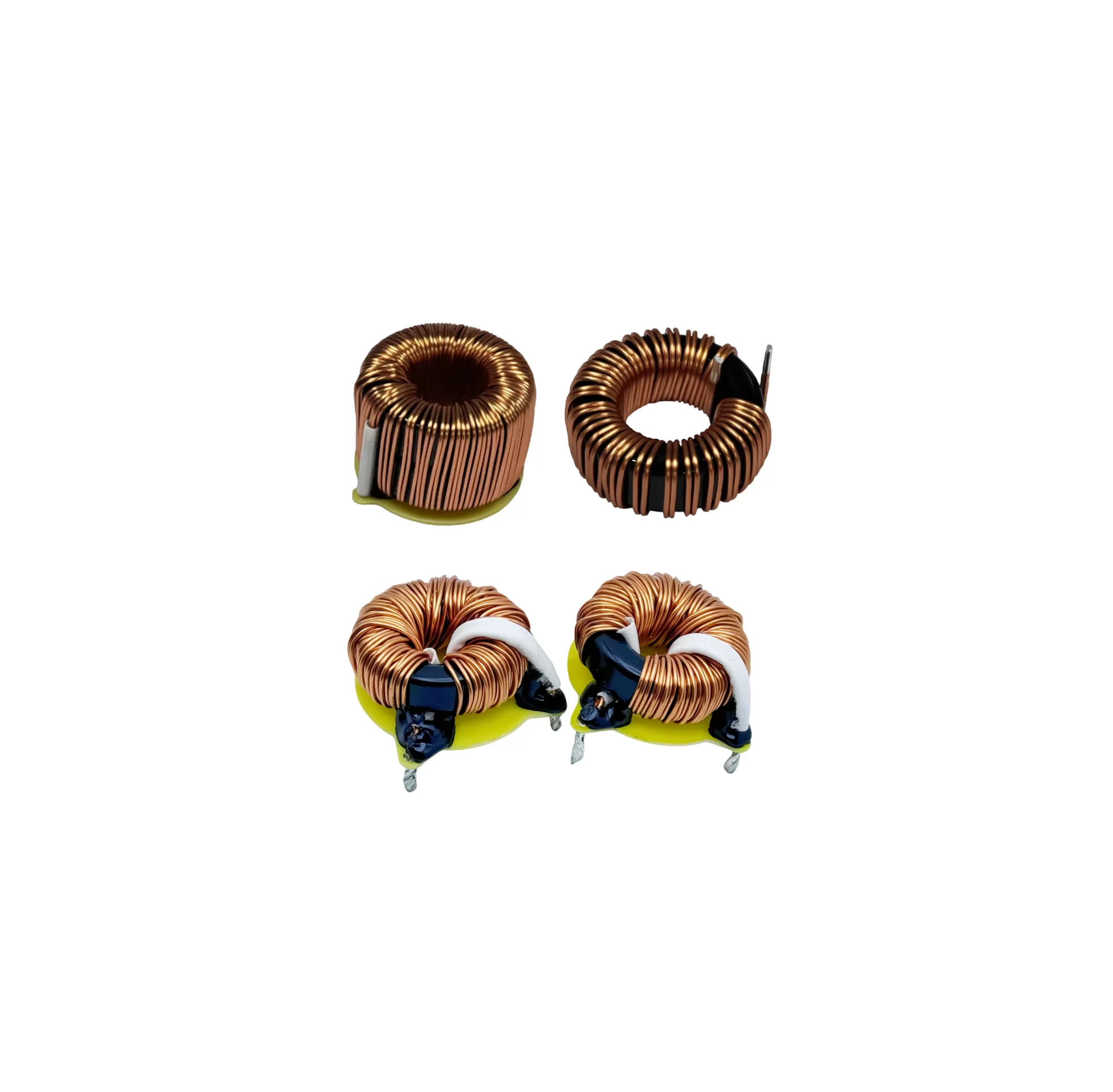
Low Electromagnetic Interference (EMI)

The toroidal core’s closed magnetic loop confines magnetic fields within the core, minimizing radiation and preventing signal interference with nearby components.
Automotive Power Amplifier Inductance
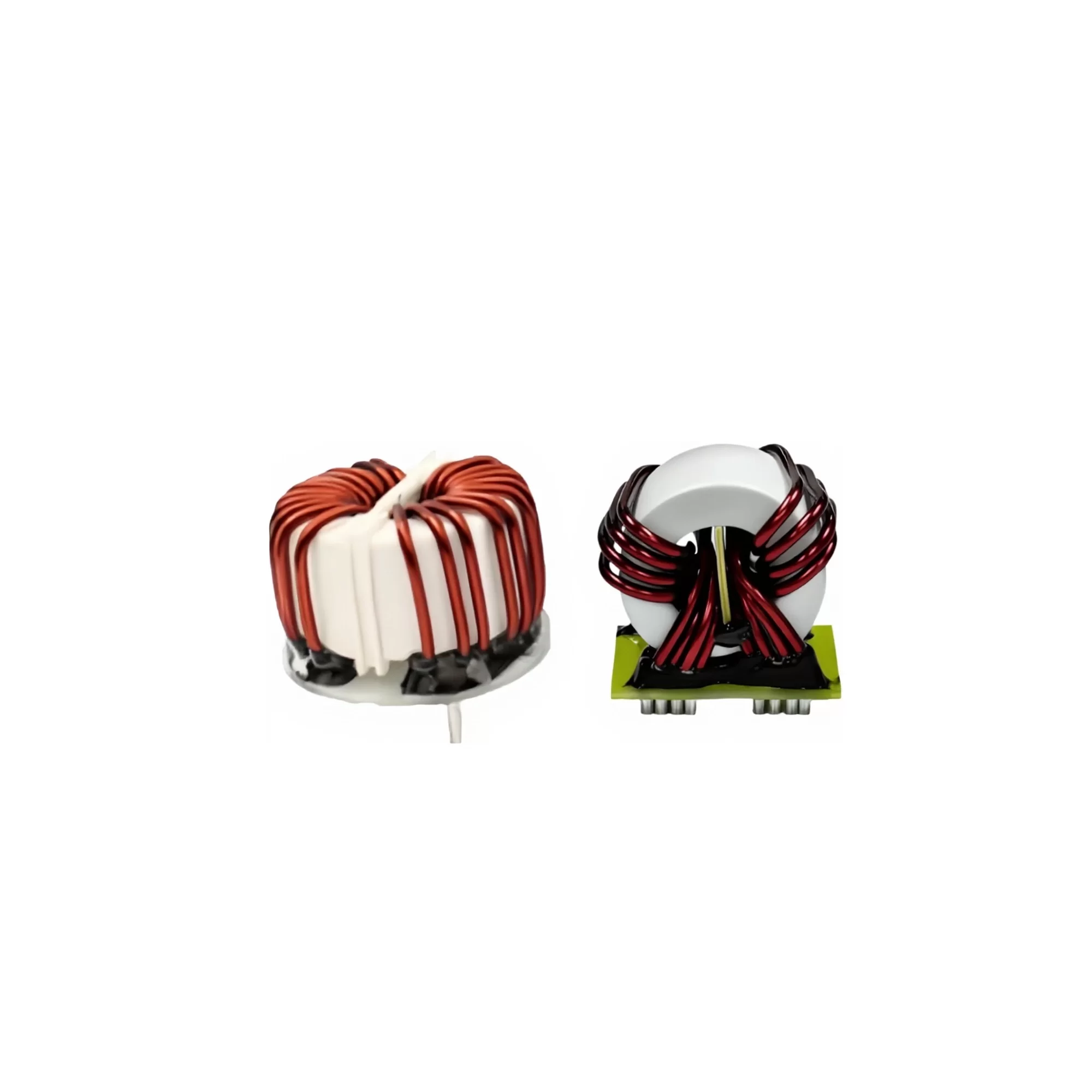
High Efficiency and Compact Size

Toroid coils provide higher inductance per turn and lower core losses, allowing designers to achieve better performance in a smaller footprint—ideal for compact electronic systems.
High Permeability Common Mode Choke

Stable Operation and Heat Resistance

Constructed with advanced core materials, toroid coils exhibit excellent thermal stability, ensuring consistent performance under varying temperature and load conditions in industrial and automotive systems.

If you are interested in our products, you can choose to leave your information here, and we will be in touch with you shortly.