
Hit enter to search or ESC to close
16 April 2026
For any audiophile or home theater enthusiast, achieving a pristine, balanced soundstage is the ultimate goal. Central to this pursuit is the home stereo crossover, a critical component that ensures each speaker driver receives only the frequencies it is designed to handle. By splitting the audio signal into high, mid, and low frequencies, a crossover prevents distortion and protects your equipment from damage. Whether you are building a custom speaker system or upgrading an existing setup, understanding how a crossover functions is essential for maximizing acoustic performance and clarity.
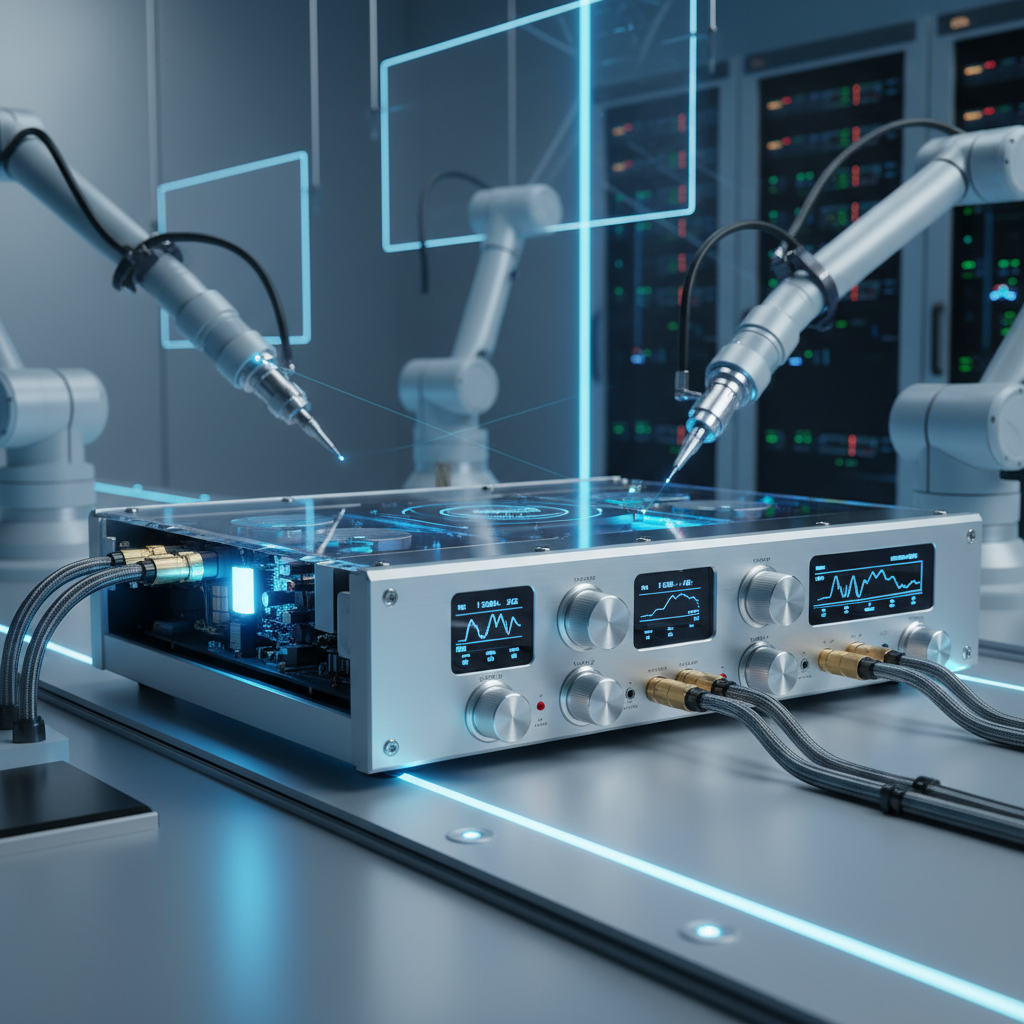
At its core, a home stereo crossover acts as a traffic controller for audio signals. High-frequency sounds (treble) are sent to the tweeter, while low-frequency sounds (bass) are routed to the woofer. Without this division, a woofer attempting to play high notes would sound muffled, and a tweeter attempting to play deep bass would likely blow out due to excessive excursion. This process ensures harmonic balance and prevents "muddy" sound, allowing each driver to operate within its optimal linear range for the cleanest possible reproduction.
Pro Tip: The "crossover point" is the specific frequency where the signal transitions from one driver to another. Selecting the correct point is vital to avoid gaps or overlapping frequencies that cause phase cancellation.
When selecting a home stereo crossover, you will encounter two primary types: passive and active. Passive crossovers are located inside the speaker cabinet and require no external power, making them cost-effective and simple to install. Active crossovers, however, are placed before the power amplifier. This allows for precise control over the signal and ensures that the amplifier only works on the frequencies intended for the driver, resulting in superior efficiency and lower distortion. The choice typically depends on your budget and the level of sonic precision you require.
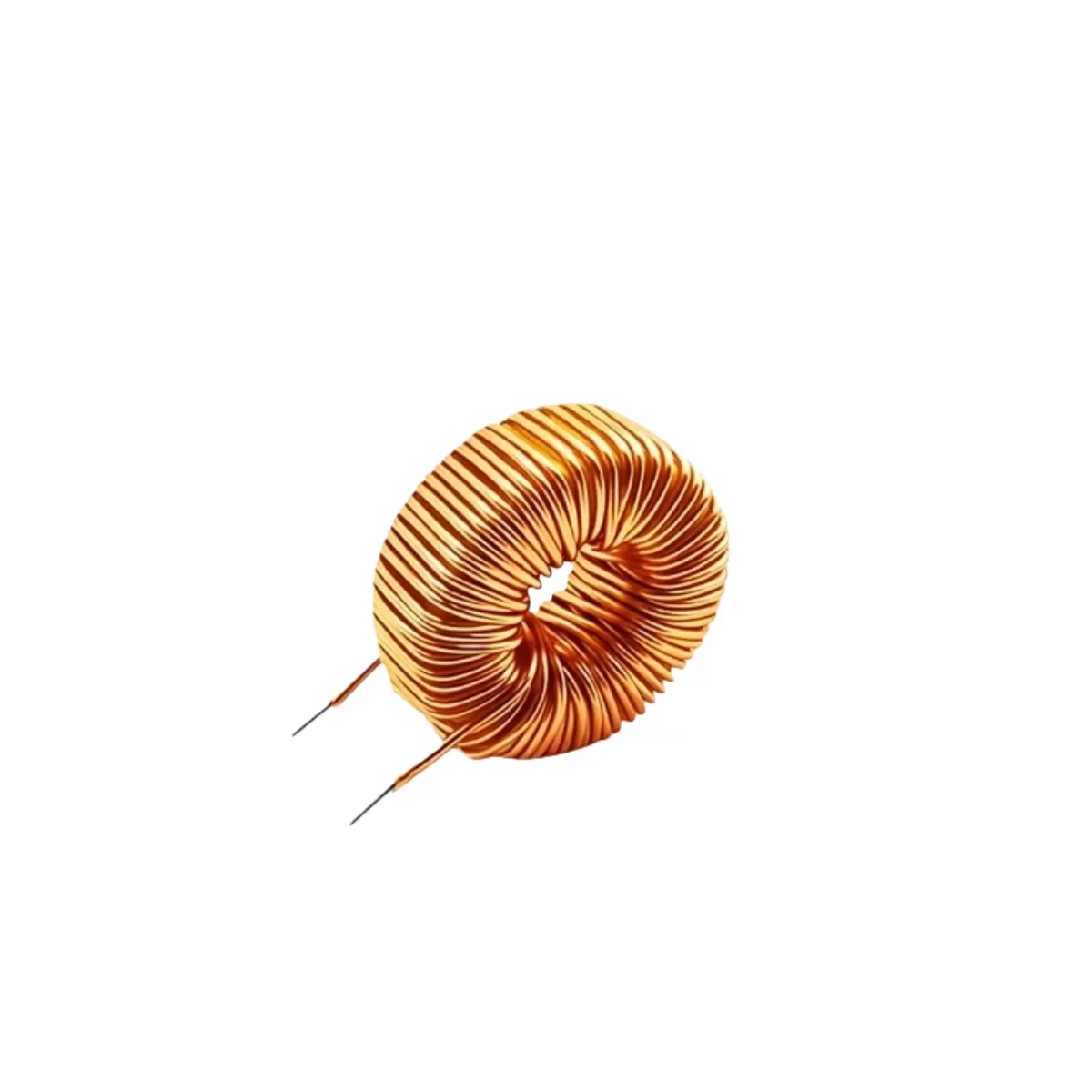
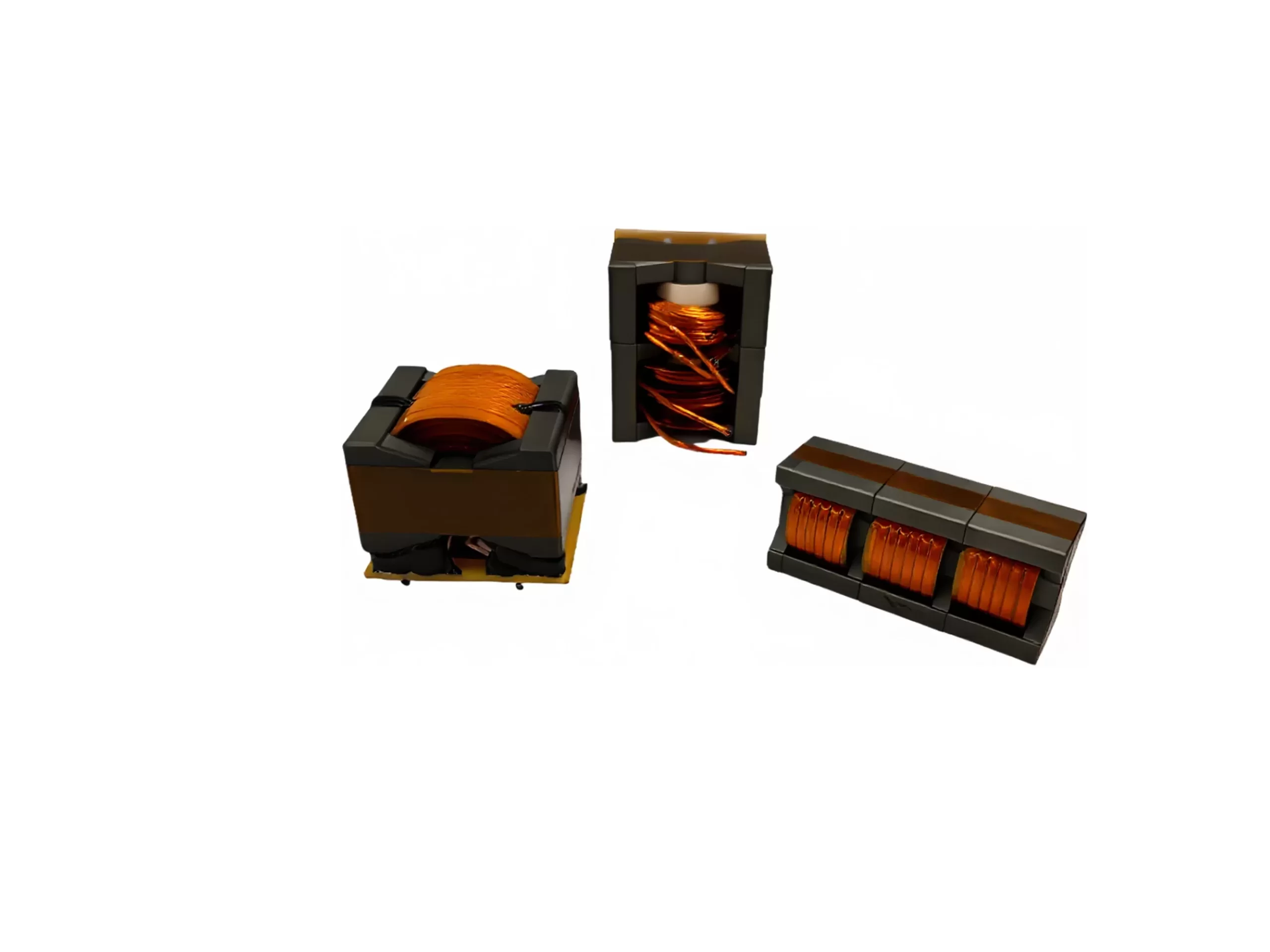
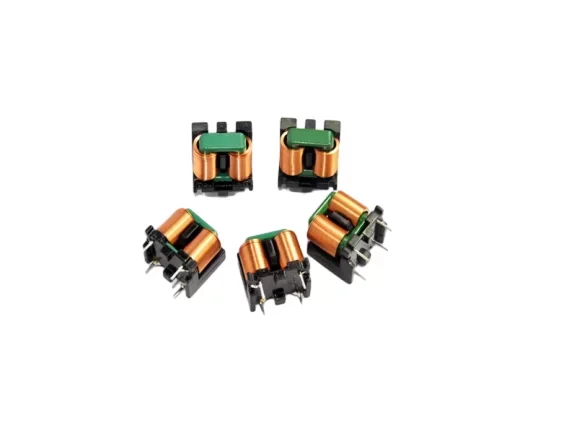
The quality of the components used in a home stereo crossover directly impacts the final audio quality. High-grade capacitors and inductors reduce signal loss and prevent unwanted resonance. For those seeking a "warm" analog sound, foil capacitors are often preferred, whereas those chasing extreme transparency may opt for film capacitors. Furthermore, the winding material of the inductor can significantly reduce distortion in the bass frequencies, ensuring that your music remains tight and punchy rather than boomy.
Designing a perfect home stereo crossover is not without its challenges. One of the most frequent issues is phase shift, where the timing of the sound waves from different drivers doesn't align perfectly, leading to a "hollow" sound at the crossover frequency. Another challenge is impedance matching; if the crossover is not matched to the speaker's impedance, it can lead to power inefficiency and potentially overheat the amplifier. Professional designers use specialized software and measurement microphones to fine-tune these parameters.
When shopping for a home stereo crossover, you must look beyond the brand and examine the technical specifications. The "slope" (measured in dB per octave) determines how sharply the filter cuts off frequencies. A 12dB/octave slope is a common standard, but 24dB/octave provides a steeper cut, offering better protection for the tweeters and less overlap between drivers. Below are the standard specifications typically found in high-performance systems:
As we move toward an all-digital era, the home stereo crossover is evolving. Digital Signal Processing (DSP) now allows for "virtual" crossovers that can be adjusted via software. This eliminates the need for bulky physical inductors and capacitors, allowing for perfectly linear phase response and the ability to tune the sound to the specific acoustics of a room. While purists still love the warmth of analog, DSP offers an unprecedented level of flexibility for the modern home cinema.
The home stereo crossover is the unsung hero of high-fidelity audio. By effectively managing frequency distribution, it ensures that your speakers perform at their peak, providing a rich, detailed, and distortion-free listening experience. Whether you choose the simplicity of a passive system, the precision of an active setup, or the flexibility of DSP, investing in high-quality crossover components is the most effective way to unlock the true potential of your audio hardware.
Yes, if you are using multi-driver speakers (like a woofer and a tweeter). Without a crossover, the tweeter would be exposed to low-frequency signals that can cause permanent physical damage or "blow" the driver. Even in basic setups, a crossover is essential to prevent distortion and ensure that the sound is balanced. If you are using "full-range" drivers, a crossover may not be necessary, but these drivers often lack the extreme highs and lows that a crossover-managed system provides.
If your speakers use a passive crossover, changing the crossover point requires replacing the internal capacitors and inductors with different values. This is a technical process that involves soldering and electrical calculations. If you have an active or digital system, changing the crossover point is as simple as adjusting a knob or a slider in a software interface. We recommend consulting a professional before modifying passive internal components to avoid damaging your drivers.
A high-pass filter allows frequencies above a certain point to pass through while blocking lower frequencies; this is used for tweeters. A low-pass filter does the opposite, allowing frequencies below a certain point to pass while blocking higher frequencies; this is used for woofers. A complete home stereo crossover typically combines both of these filters to ensure each driver gets the correct part of the audio spectrum.
To an extent, yes. A higher-quality crossover can reduce distortion and create a smoother transition between drivers, which can make a budget speaker sound more "refined." However, the crossover only manages the signal; it cannot improve the physical quality of the speaker cone or the magnet. For the best results, a high-quality crossover should be paired with high-quality drivers. You can find professional-grade components and guidance on the XCD Magnetic website.