
Hit enter to search or ESC to close
28 March 2026
A high pass speaker crossover is a crucial component in audio systems, responsible for directing high-frequency signals to the tweeter while blocking lower frequencies. This separation is essential for optimal sound quality and preventing damage to delicate tweeter components. Understanding its function and proper implementation is key to achieving a balanced and clear audio experience. In this article, we’ll explore the principles behind high pass crossovers, their different types, common applications, and how to select the right one for your needs. We will also delve into the importance of selecting quality components, especially from a trusted manufacturer like XCD Magnetic.
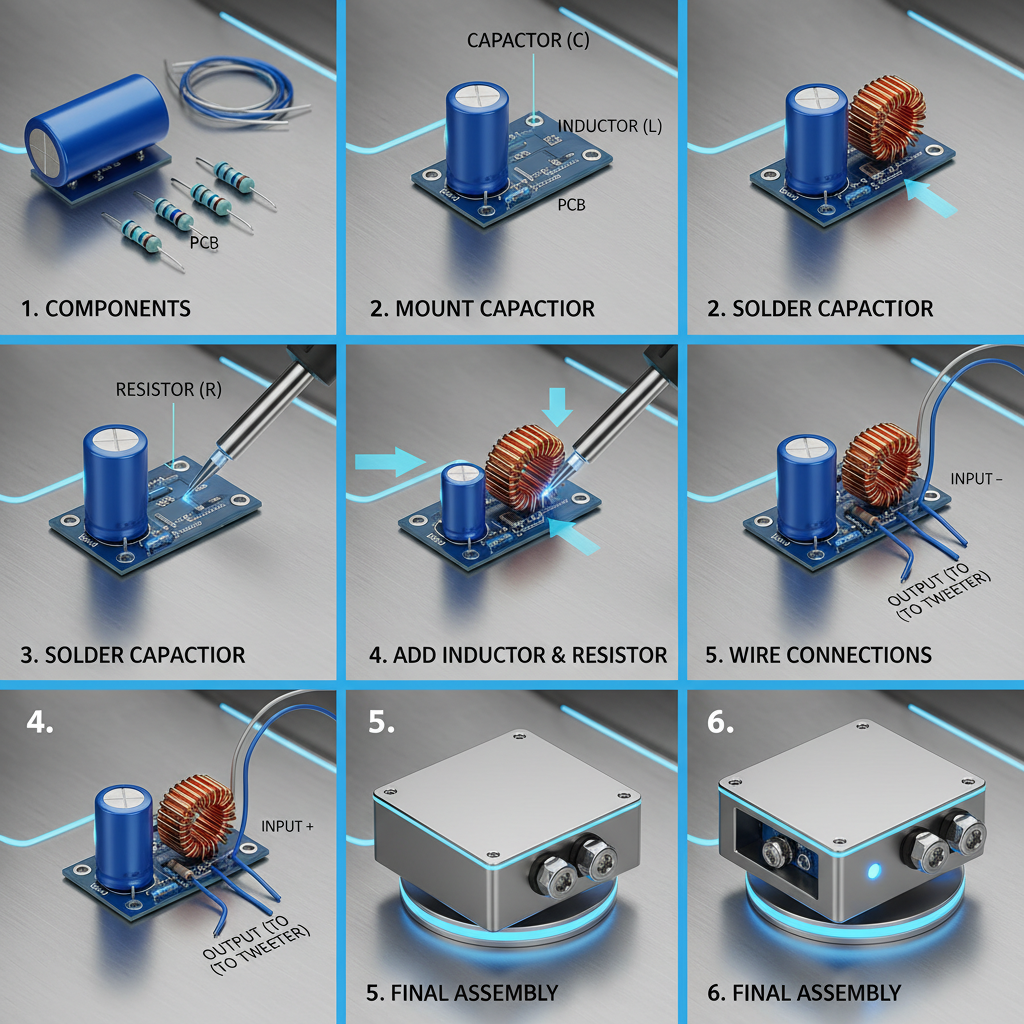
At its core, a high pass crossover is a filter circuit. It utilizes components like capacitors and inductors (coils) to create a frequency-dependent path for the audio signal. The capacitor blocks low-frequency signals (bass) while allowing high-frequency signals (treble) to pass through. The cutoff frequency – the point at which signals start to be attenuated – is determined by the values of these components. Essentially, it ensures that only the frequencies intended for the tweeter reach the tweeter, protecting it from being damaged by lower frequencies it can’t handle. A correctly designed crossover contributes significantly to the clarity, definition, and overall accuracy of the sound reproduction. You can explore a wide range of crossover solutions at XCD Magnetic.
Key Takeaway: A high pass crossover filters out low frequencies, sending only high frequencies to the tweeter for optimal performance and protection.
There are several types of high pass crossovers, each with its advantages and disadvantages. The most common include:
Crossover Order Comparison:
• First-Order: Simple, minimal phase shift, gentle slope (6dB/octave).
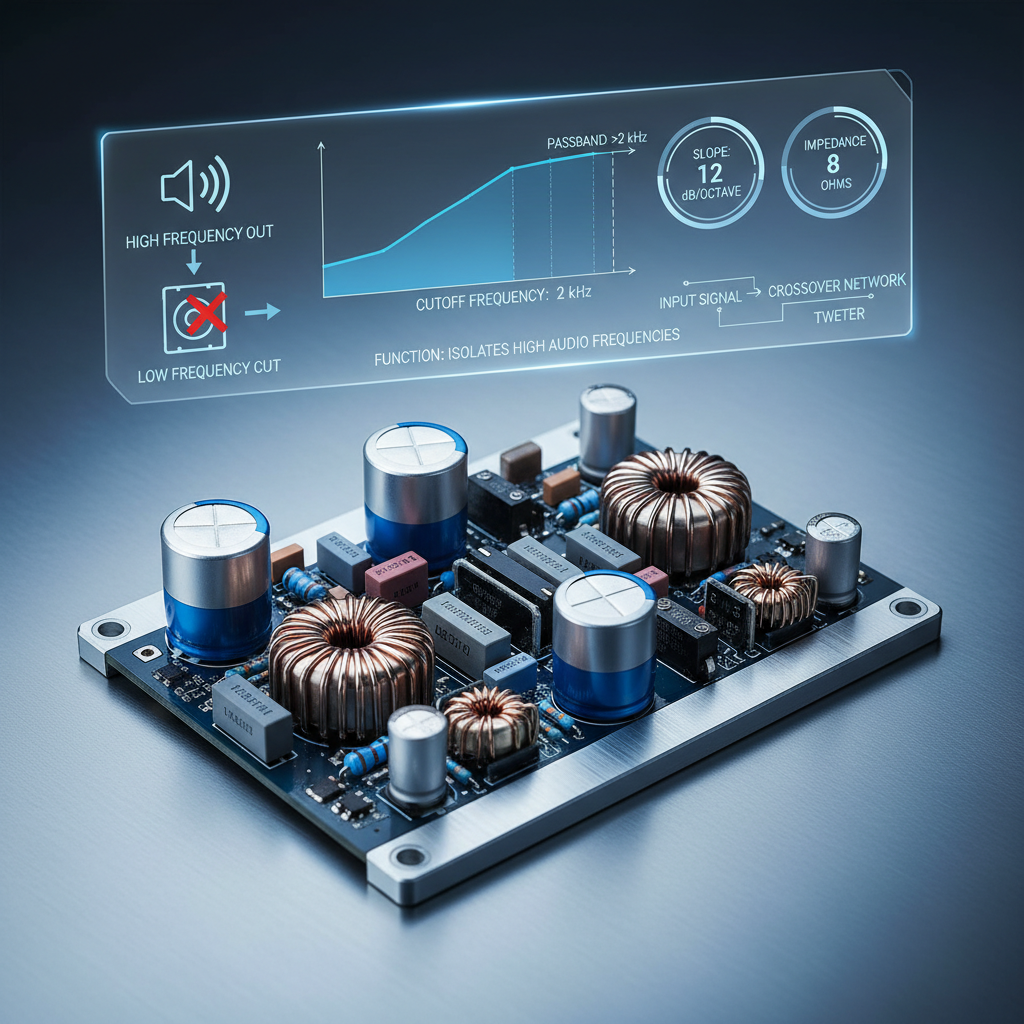
• Second-Order: Steeper slope (12dB/octave), better attenuation.
• Third/Higher-Order: Very steep slope, precise separation, complex design.
Choosing the appropriate crossover frequency is crucial for seamless integration between the tweeter and other drivers. Typically, the crossover frequency is set above the lowest frequency the tweeter can accurately reproduce. A common range is between 2kHz and 4kHz, but this depends on the specific tweeter's capabilities. Setting the crossover frequency too low can overload the tweeter with frequencies it can't handle, leading to distortion or damage. Conversely, setting it too high can result in a gap in the frequency response. Carefully consider the frequency response charts of your drivers when making this decision. XCD Magnetic offers guidance and pre-built crossovers designed for optimal performance.
The performance of a high pass speaker crossover is directly linked to the quality of its components. Using high-quality capacitors and inductors ensures accurate frequency response, minimal distortion, and long-term reliability. XCD Magnetic specializes in providing premium crossover components manufactured to exacting standards. Their commitment to quality ensures that your audio system delivers the best possible sound. Investing in superior components from a reputable source like XCD Magnetic is a smart choice for any audio enthusiast or professional.
High pass crossovers are widely used in various audio applications, including:
The high pass speaker crossover is a vital component for achieving exceptional audio quality and protecting your speaker drivers. By understanding its principles, types, and selecting the right components from a trusted supplier like XCD Magnetic, you can ensure a balanced, clear, and reliable sound experience. Don’t underestimate the power of a well-designed crossover – it’s an investment that will significantly enhance your listening enjoyment.
Without a high pass crossover, your tweeter will be exposed to low-frequency signals that it's not designed to handle. This can lead to distortion, overheating, and ultimately, physical damage to the tweeter. Tweeters are delicate components and are easily damaged by excessive excursion caused by low frequencies. Using a high pass crossover protects your investment and ensures the longevity of your speakers.
Yes, you can build your own high pass crossover, but it requires a good understanding of electronics and circuit design. You’ll need to select appropriate capacitors and inductors based on the desired crossover frequency and slope. There are numerous online resources and calculators to help with the design process. However, purchasing a pre-built crossover from a reputable source like XCD Magnetic often provides better consistency and performance.
In a second-order high pass crossover, the inductor works in conjunction with the capacitor to create a steeper roll-off slope (12dB/octave). While the capacitor blocks low frequencies, the inductor helps to attenuate frequencies around the crossover point more effectively, preventing unwanted frequencies from reaching the tweeter. It also influences the impedance characteristics of the crossover network.
Yes, several software tools are available to assist in crossover design. These tools allow you to input driver specifications and simulate the resulting frequency response. Popular options include XSim, VituixCAD, and online crossover calculators. These tools can be invaluable for optimizing the crossover network for your specific speakers.