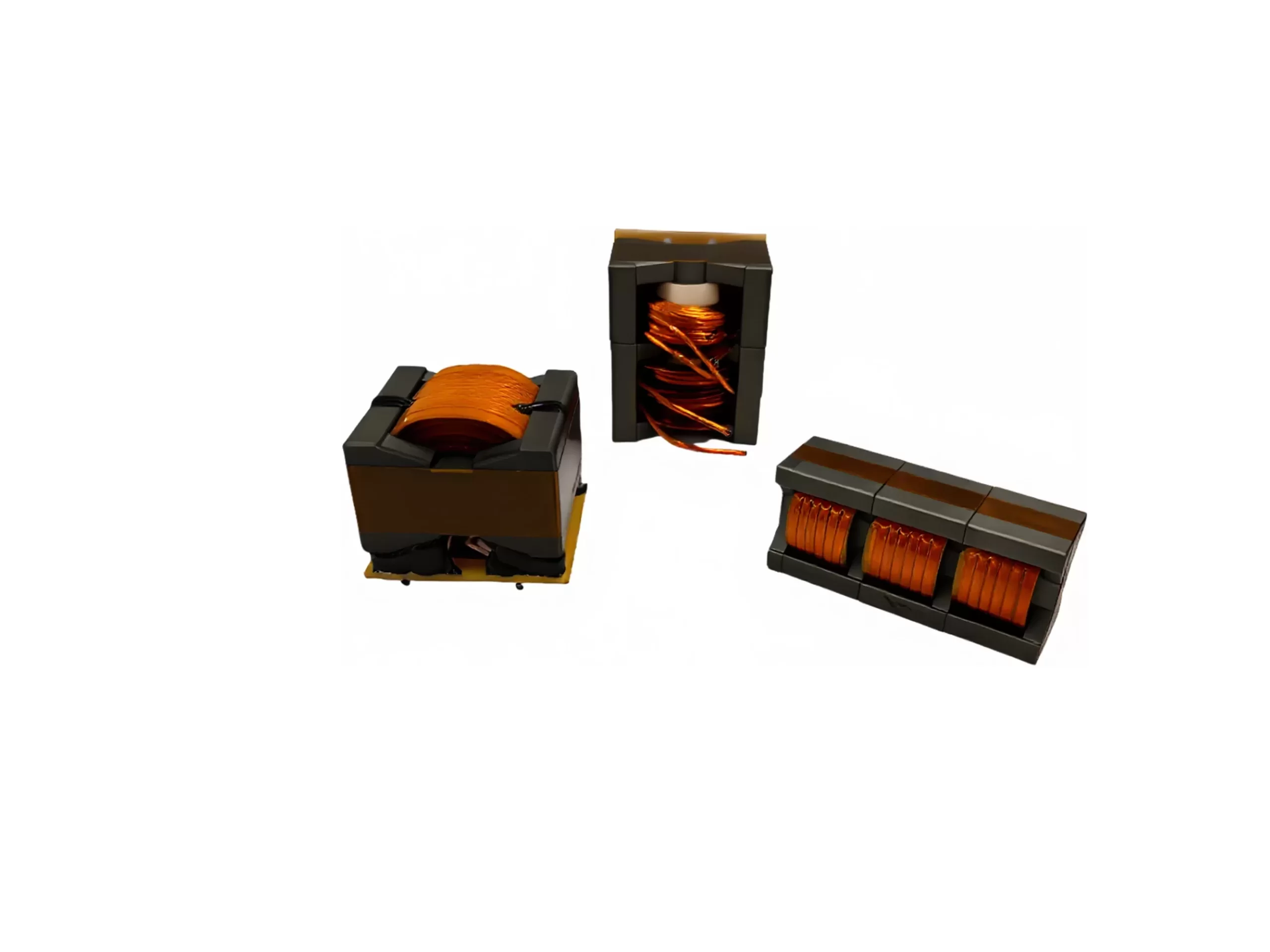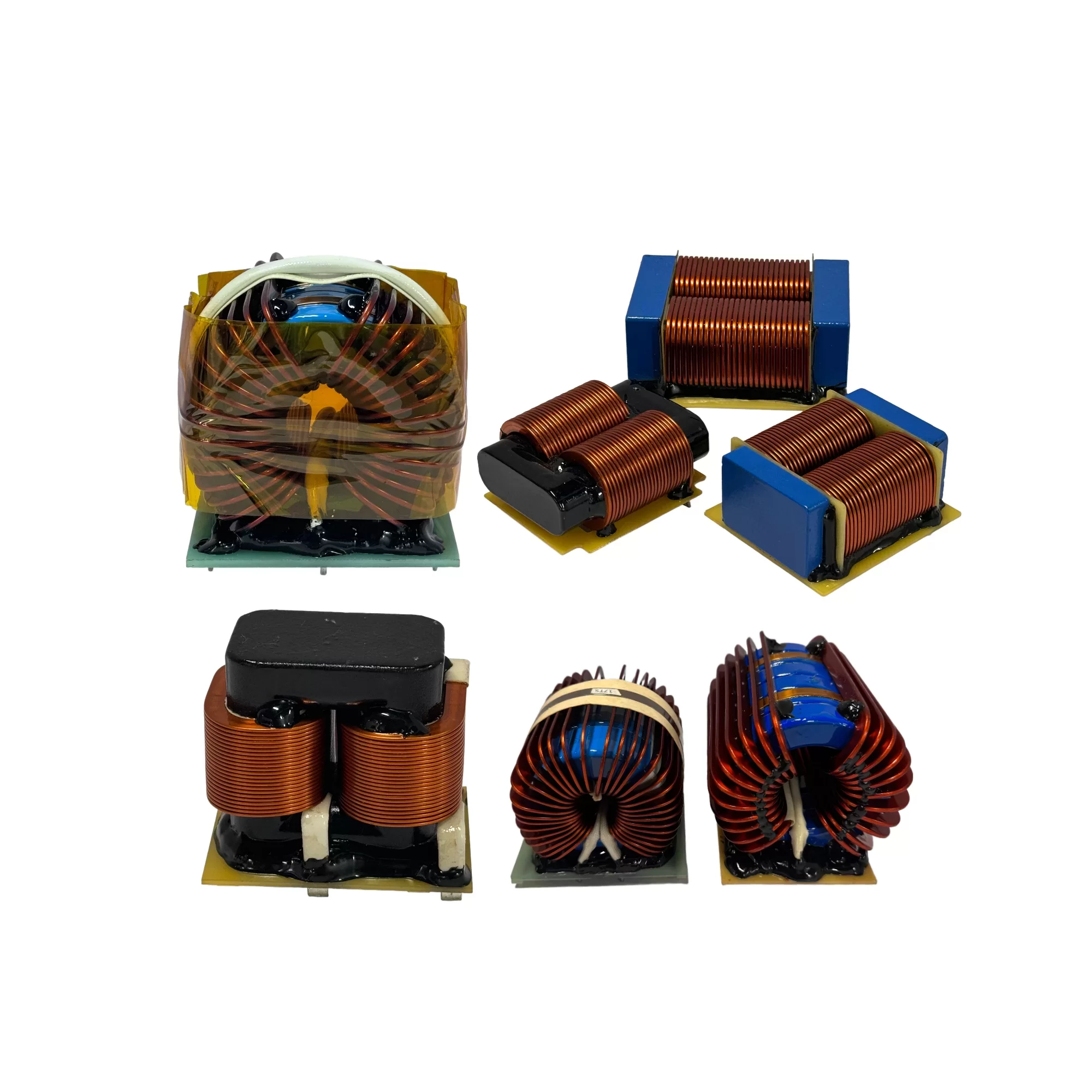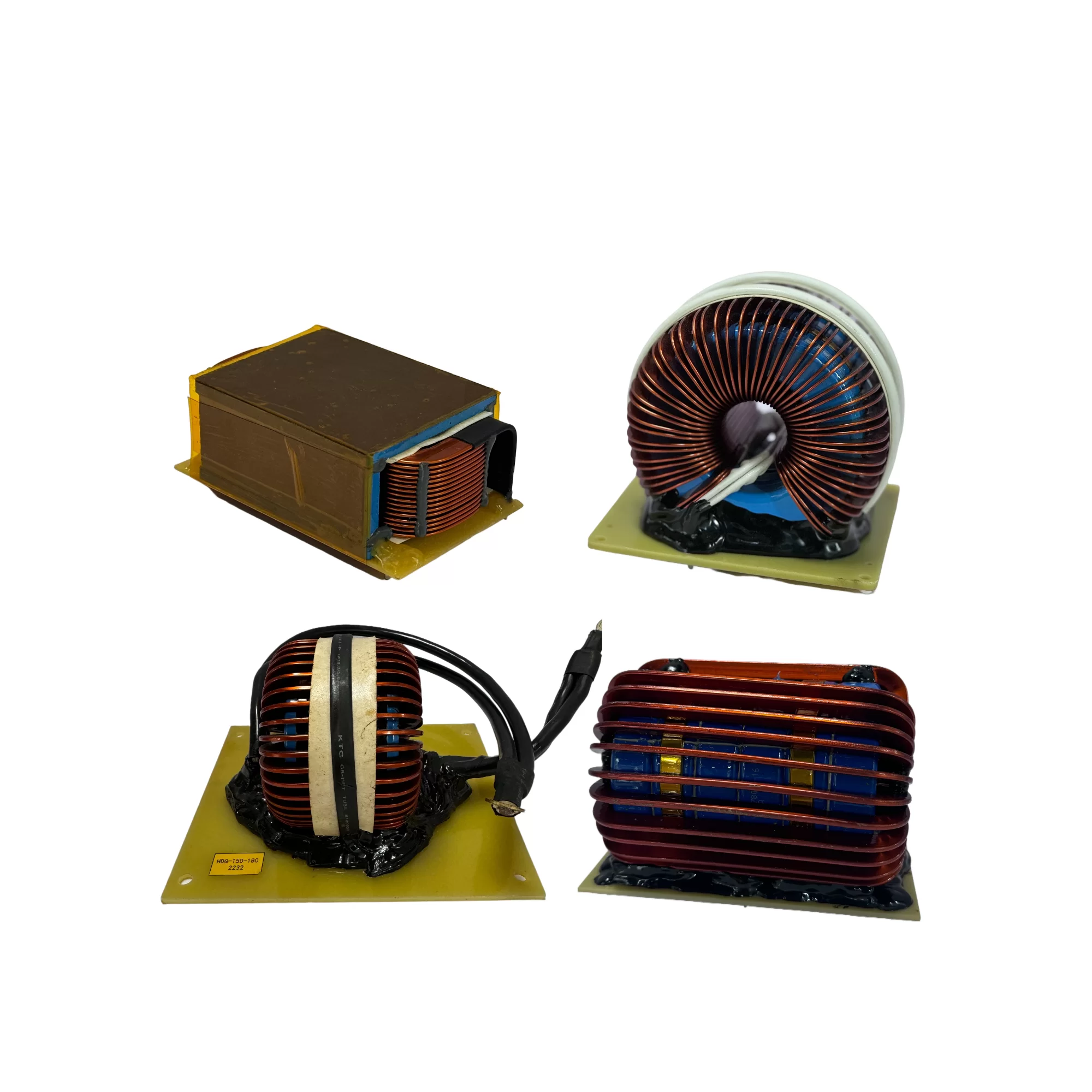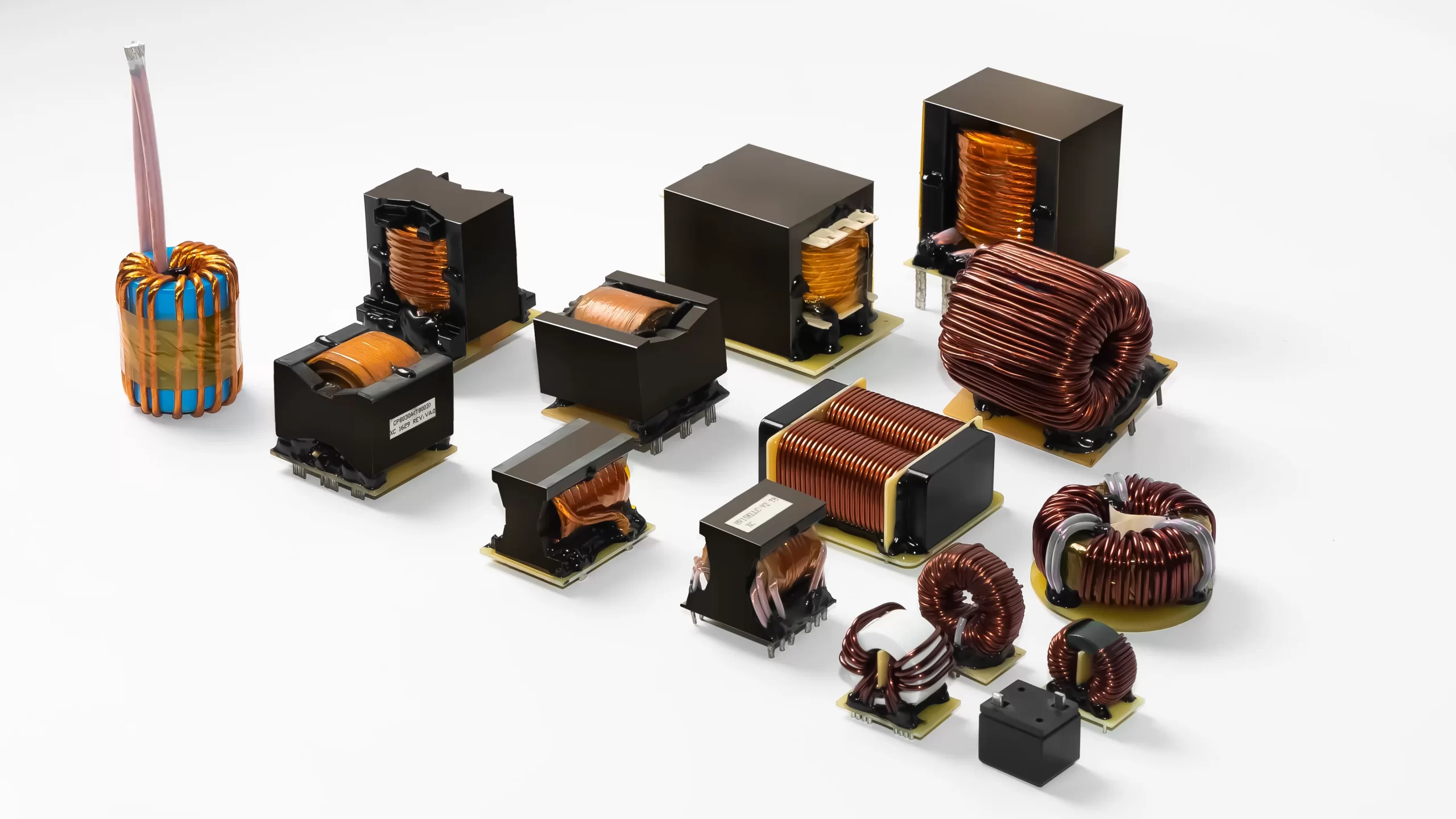
Power inductor

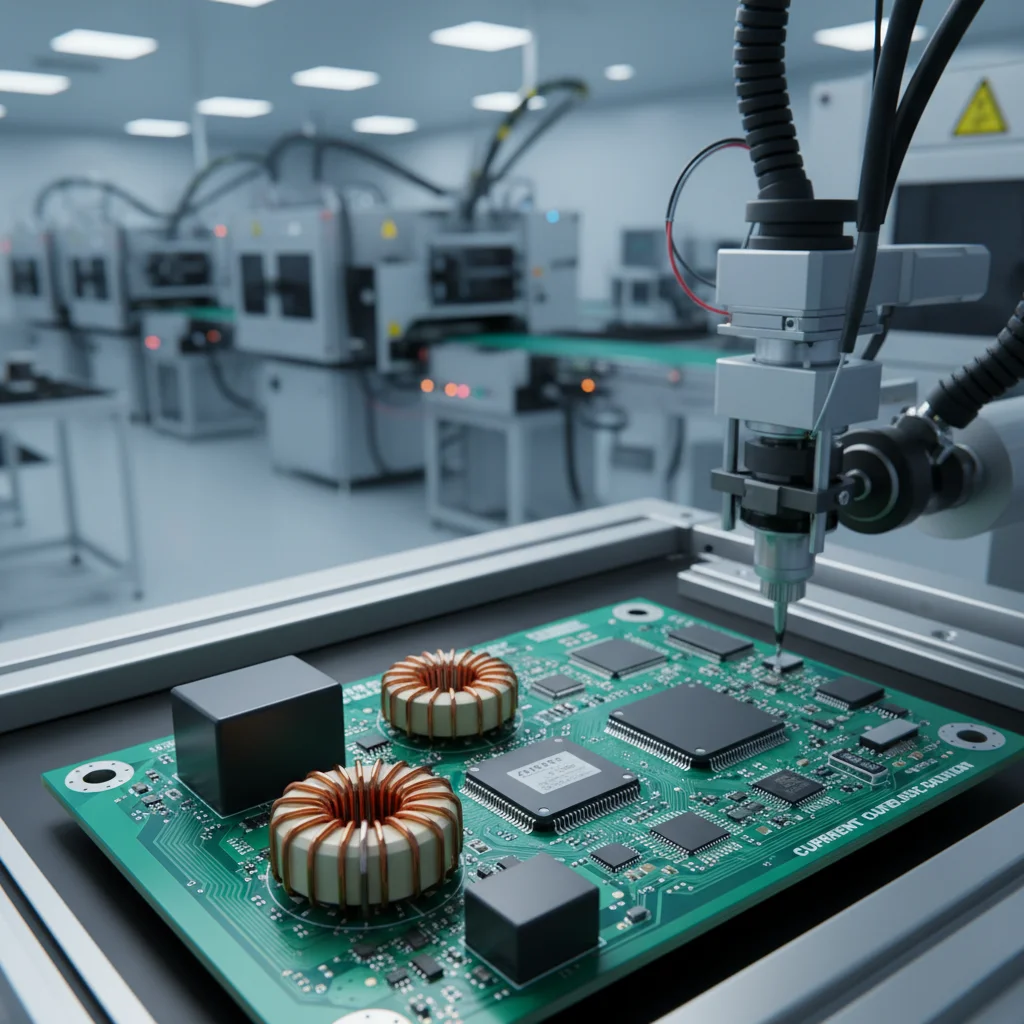
A power inductor is an essential component in modern electronic circuits designed to store energy and regulate current flow. It plays a critical role in managing voltage and current during the switching cycles of DC-DC converters, power supplies, and signal processing systems. The inductor stores energy in its magnetic field when current passes through it and releases it when the current decreases, ensuring stable operation of electrical circuits.

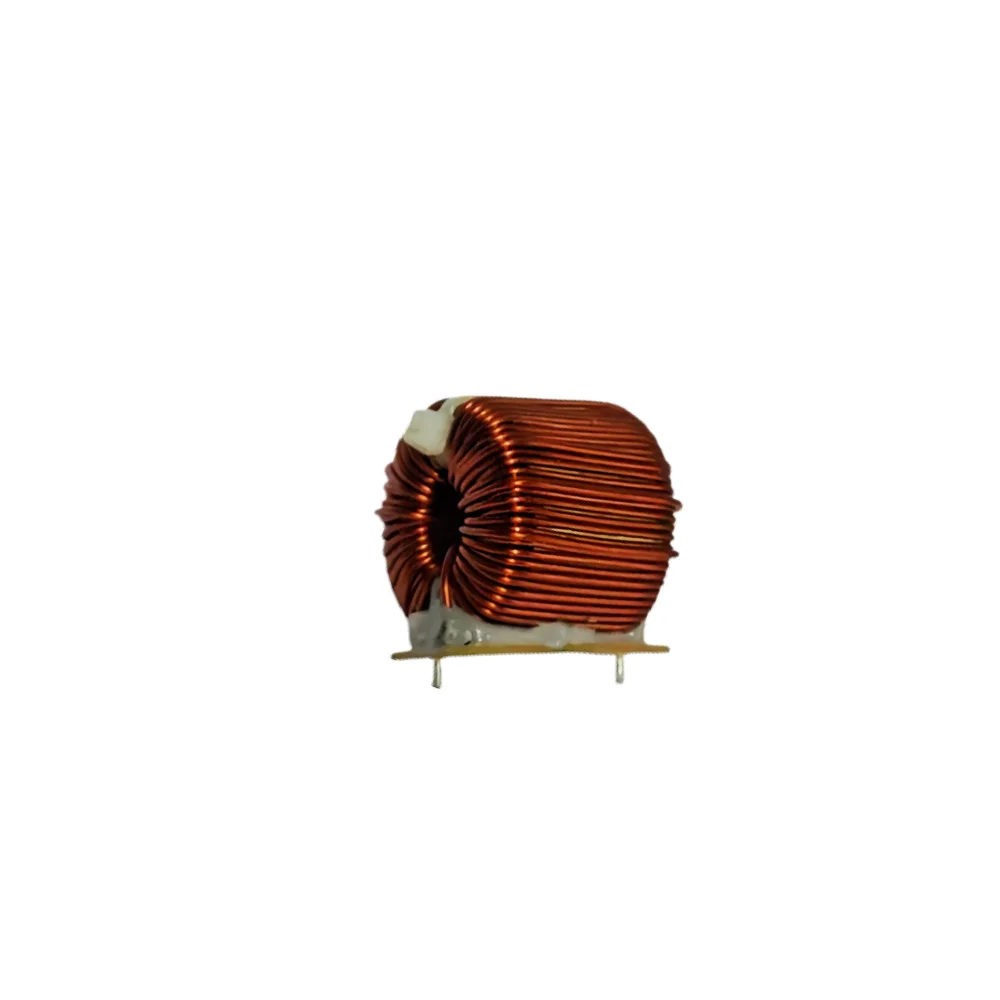
Constructed with a core material such as ferrite or powdered iron, power inductors provide low core loss, high saturation current, and superior efficiency. Their inductance value, current rating, and resistance are carefully selected according to application requirements.

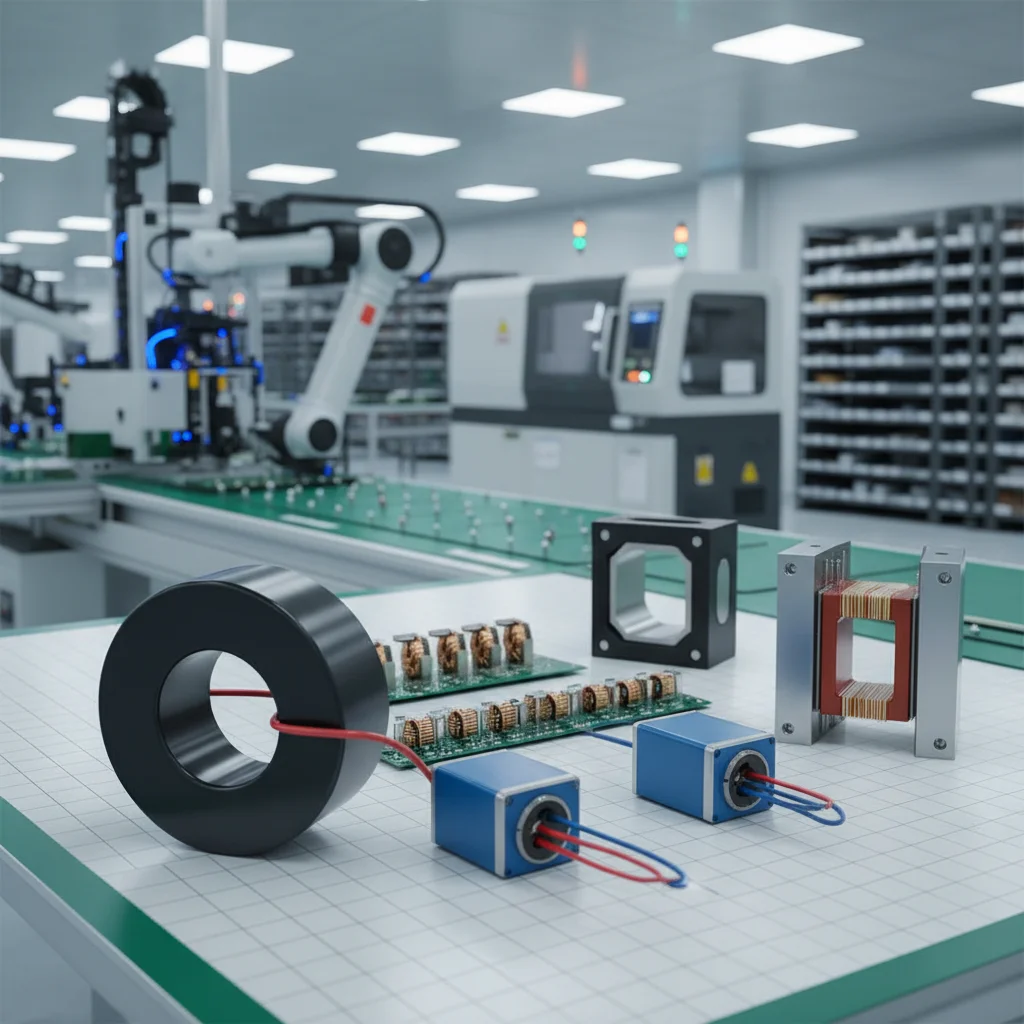
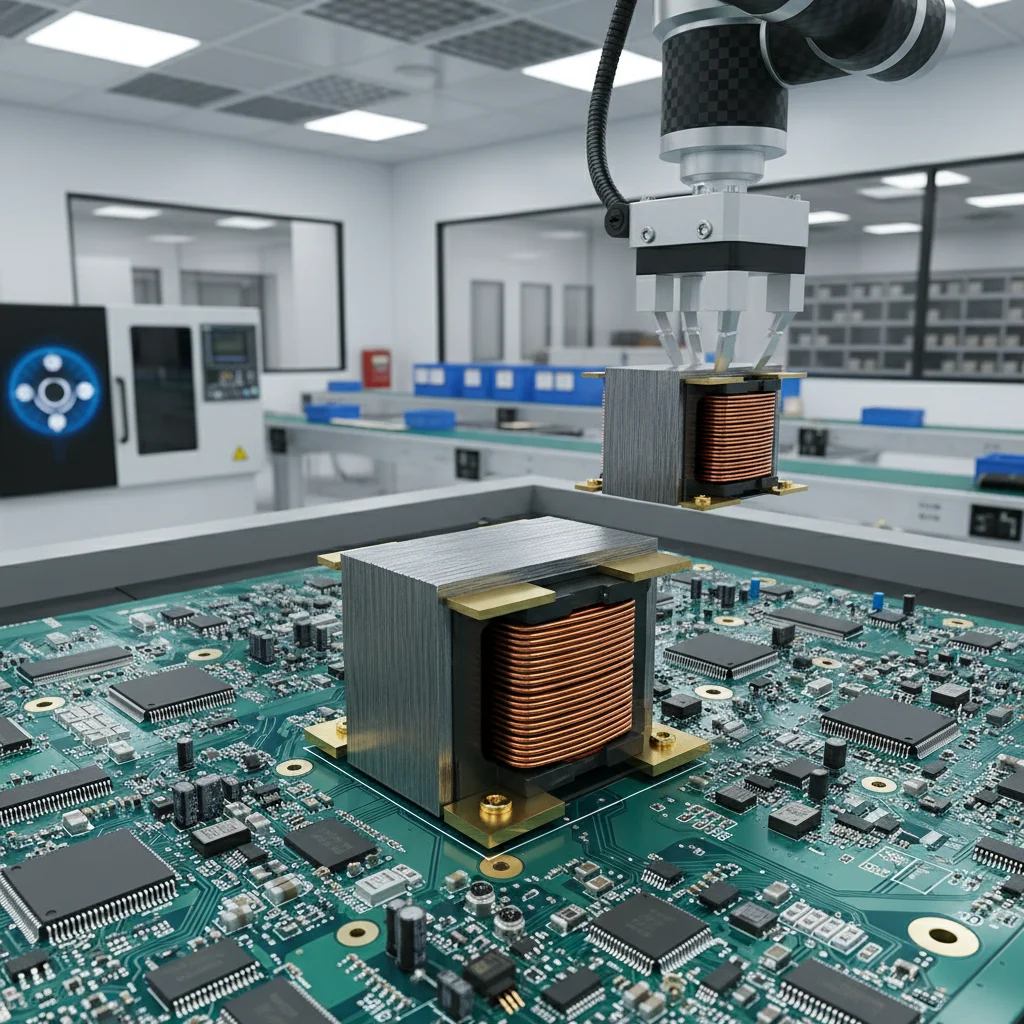
Power inductors are widely used in automotive electronics, telecommunications, renewable energy systems, and consumer devices. They help filter noise, stabilize voltage, and improve conversion efficiency. With technological advances, compact and high-frequency power inductors have become crucial in designing smaller, lighter, and more energy-efficient devices.
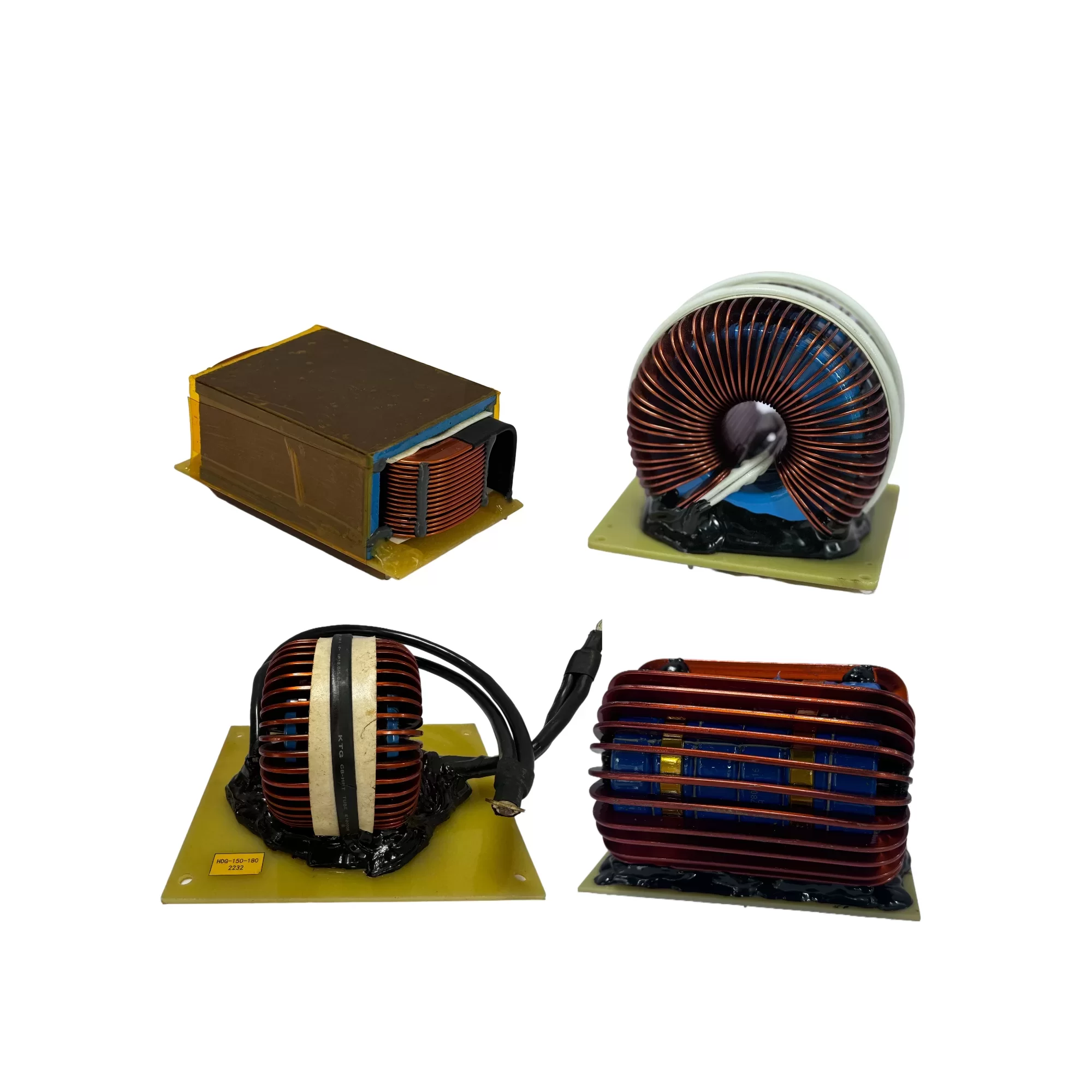
Power inductor

Power Inductor Selection

Selecting the right power inductor is vital for achieving optimal circuit efficiency and reliability. Engineers consider several factors, including inductance value, rated current, DC resistance (DCR), and core material. The inductance determines the amount of energy stored, while a low DCR minimizes energy loss. The saturation current must exceed the peak current to prevent distortion in magnetic performance. Choosing the proper core material—such as ferrite for high-frequency or iron powder for high current—also impacts thermal stability and overall performance. For switching power supplies, DC-DC converters, and LED drivers, careful power inductor selection ensures reduced electromagnetic interference (EMI), improved transient response, and consistent voltage output. Evaluating parameters such as temperature rise, size, and efficiency under load conditions guarantees long-term reliability in both industrial and consumer electronic applications.

Choosing Inductor for Buck Converter

  • Inductance Value Optimization

    Choosing the correct inductance value is crucial for stable operation in a buck converter. Too high a value leads to slow response, while too low causes excessive ripple and inefficiency.
  • Current Rating and Core Saturation

    A power inductor must handle peak currents without core saturation. Engineers calculate peak and ripple currents to ensure the inductor maintains performance under load transitions.
  • Efficiency and Thermal Performance

    For compact converter designs, low DCR and high thermal capacity are key. The selected buck converter inductor should minimize power loss and heat generation, maintaining stable performance in space-limited systems.

Applications and Use of Power Inductor

Power inductors are used in circuits that require energy storage, current smoothing, and noise filtering. They are essential in switching power supplies, DC-DC converters, and communication devices, ensuring steady current delivery and efficient power management.
Resonant Inductor

DC-DC and AC-DC Converters

Used for energy storage and voltage regulation, power inductors enable efficient conversion in mobile chargers, LED drivers, and industrial power systems.
PFC Inductor

Automotive Electronics

In vehicles, power inductors manage power for infotainment, motor drives, and ADAS systems, providing stable operation in high-temperature environments.
Combination Inductor

Renewable Energy and Telecom Systems

They play a vital role in solar inverters, wind power converters, and telecom base stations, reducing EMI and improving energy transmission efficiency.

If you are interested in our products, you can choose to leave your information here, and we will be in touch with you shortly.