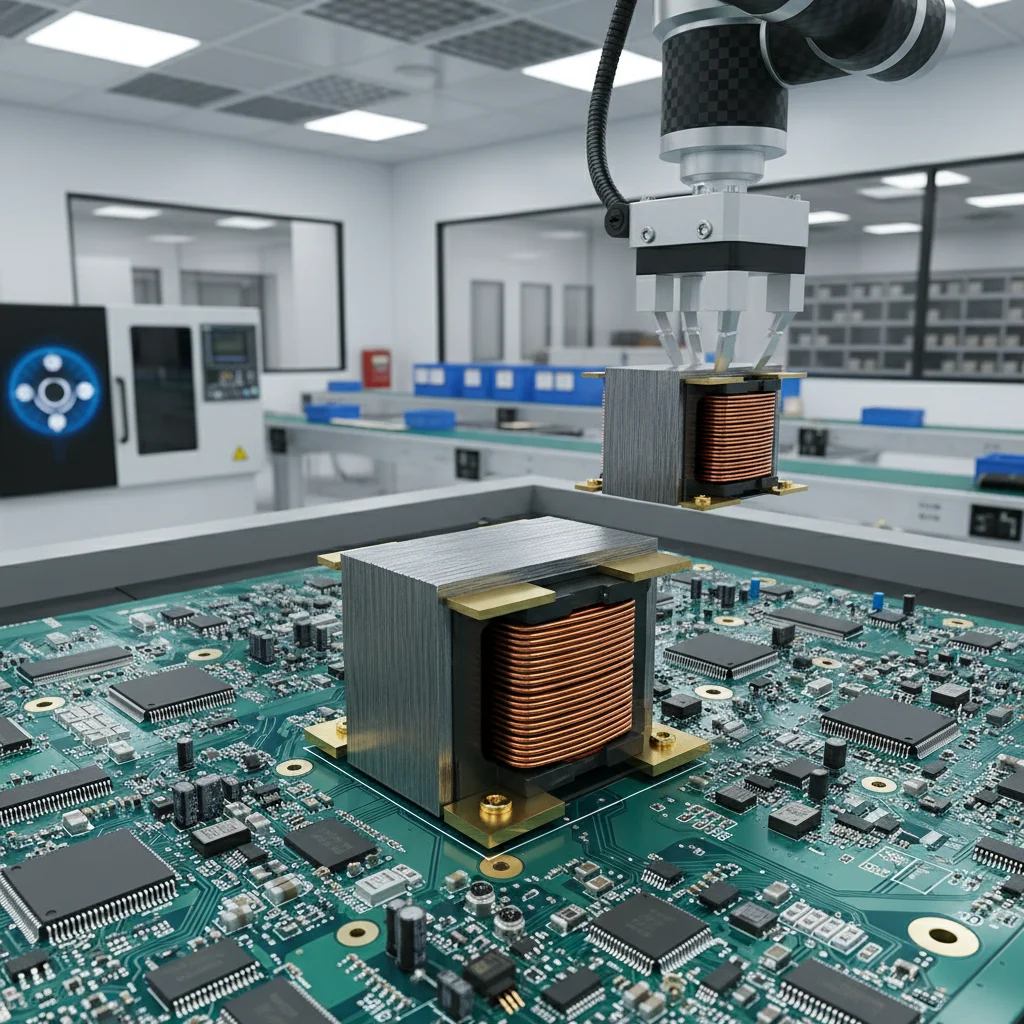
Low Frequency Transformer

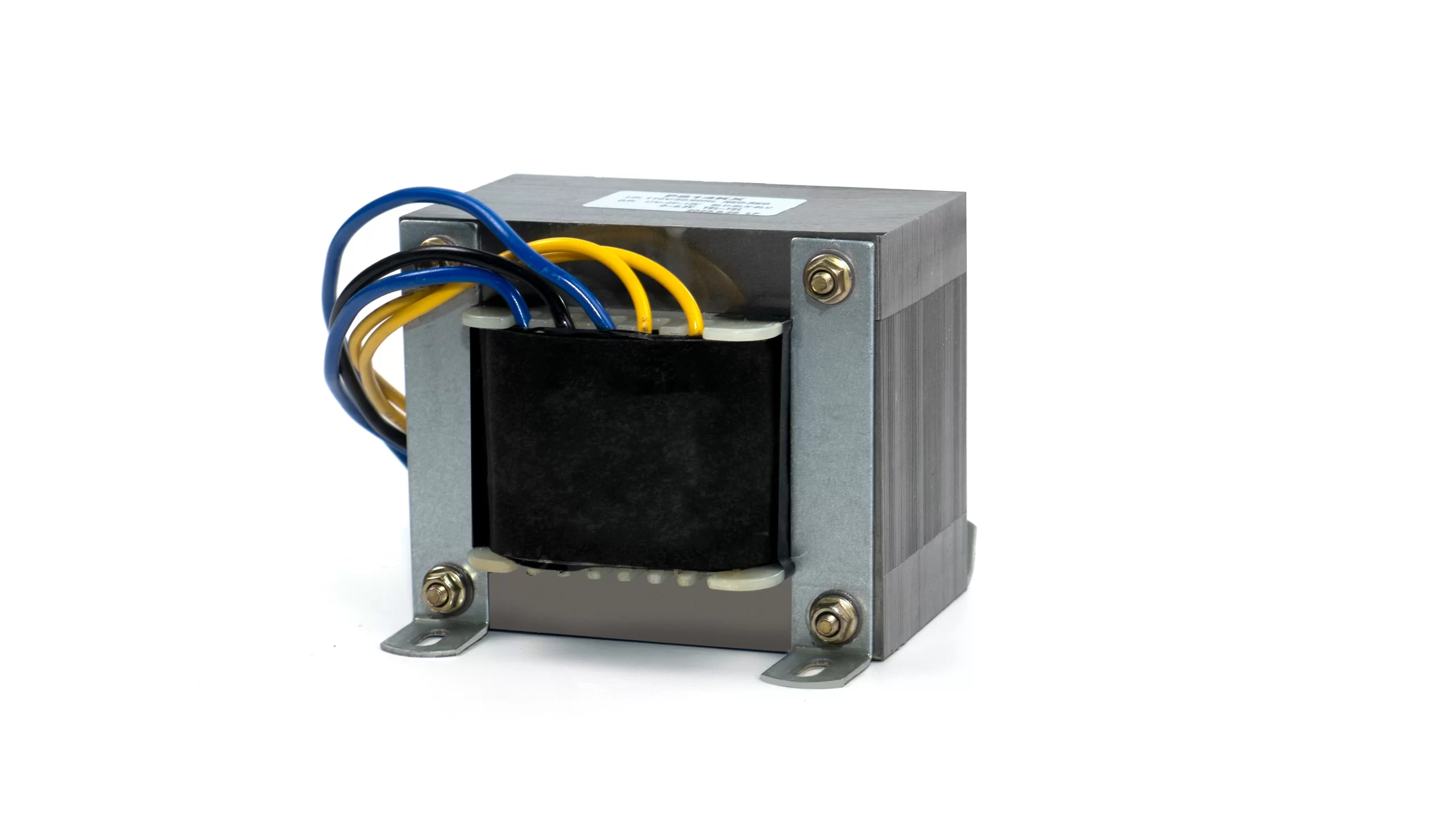
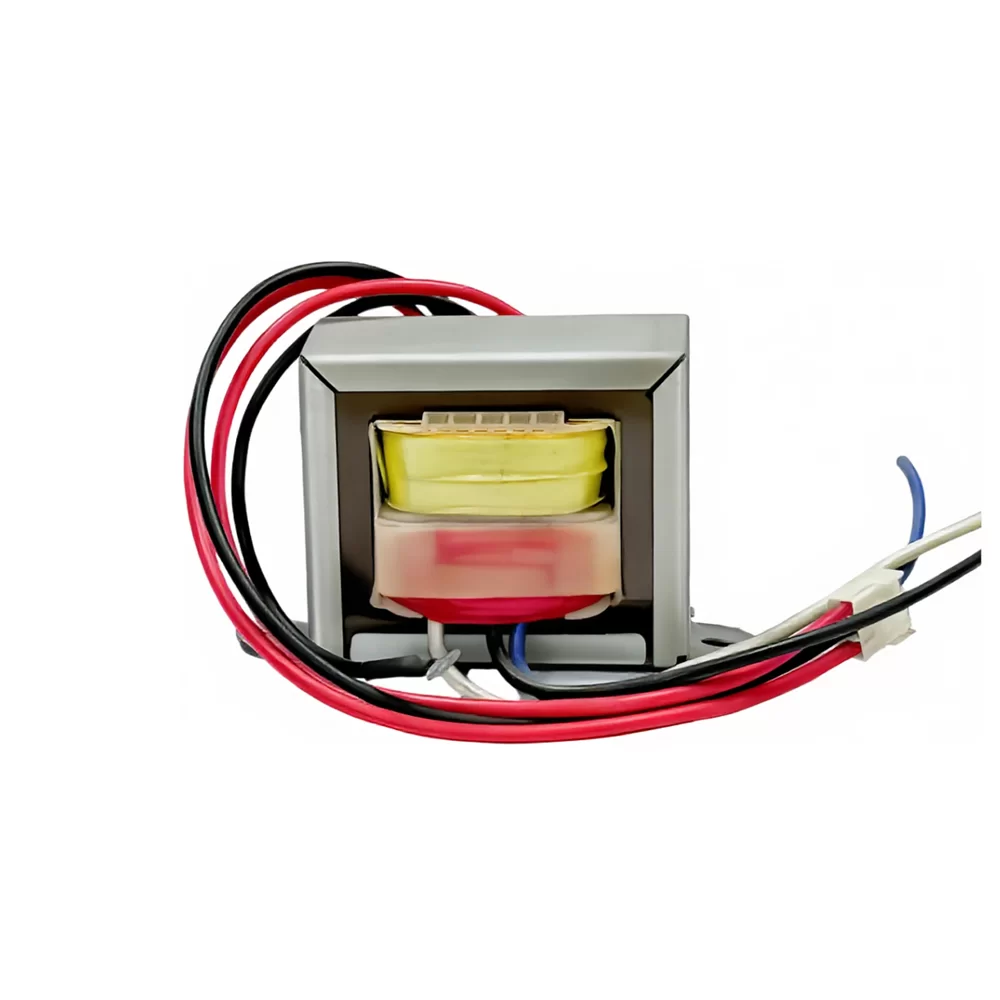
A low frequency transformer is a type of power transformer designed to operate at standard power frequencies such as 50Hz or 60Hz. It is commonly used in AC power distribution, audio systems, industrial control equipment, and electrical isolation applications. Unlike high frequency transformers, low frequency types are built with larger cores and more windings to handle high power loads and minimize magnetic losses.

These transformers are typically constructed using laminated silicon steel cores to reduce eddy current losses, ensuring stable performance over time. The windings are made from high-conductivity copper or aluminum wires and are insulated to withstand high voltages.

Low frequency transformers are widely used for step-up and step-down voltage conversion, isolation, and impedance matching in both industrial and household systems. They provide excellent electrical isolation between circuits, protect devices from surges, and ensure safe power delivery.

Although they are heavier and larger compared to high frequency transformers, their robust design, long lifespan, and high reliability make them indispensable in many power systems. Common applications include audio amplifiers, power supplies, UPS systems, and electrical testing equipment.
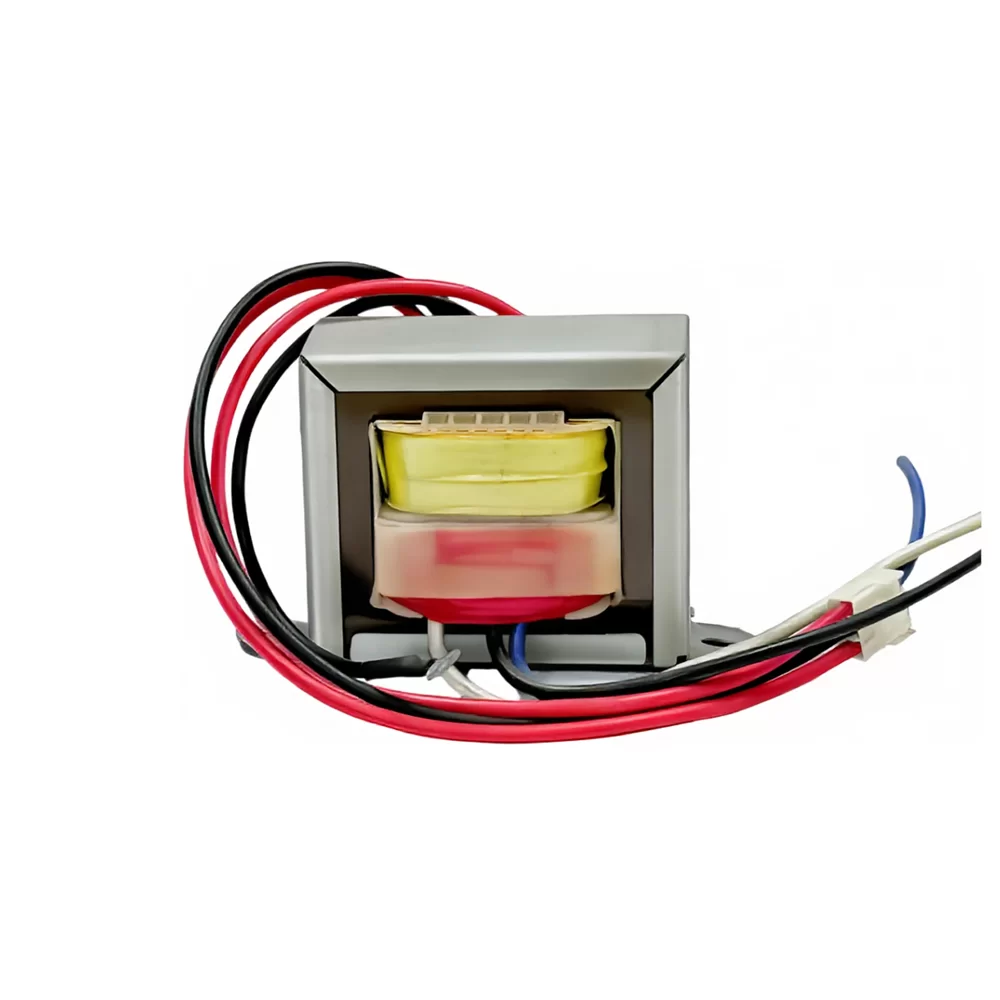
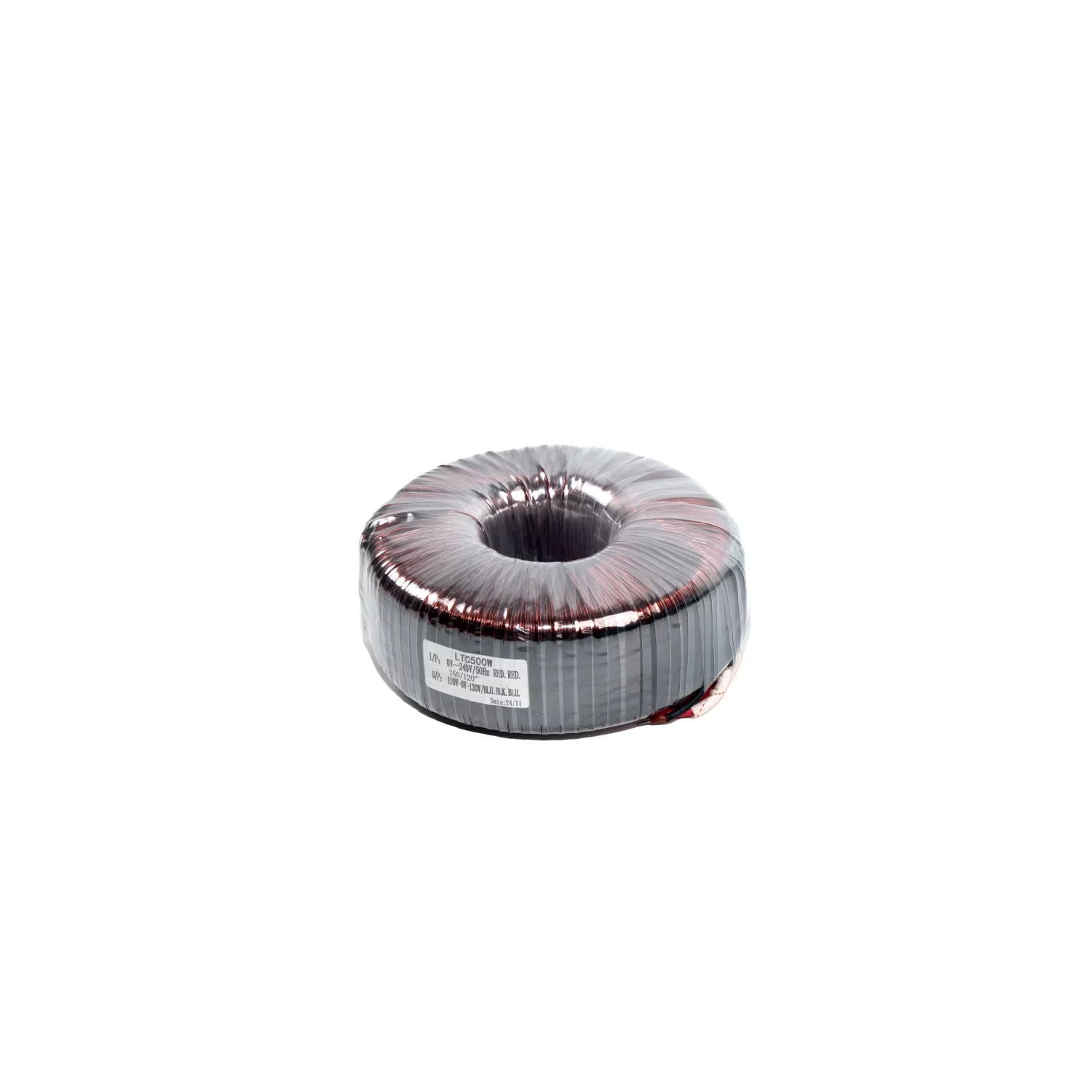
Low Frequency Transformer

High Frequency Transformer vs Low Frequency Transformer

Both high frequency and low frequency transformers serve the same core purpose—transferring energy through electromagnetic induction—but they differ significantly in structure, operation, and application. A high frequency transformer operates at tens of kilohertz or higher, while a low frequency transformer works at standard power grid frequencies (50Hz or 60Hz). Because high frequency transformers run at much higher switching speeds, they can use smaller cores and fewer windings, resulting in compact size, lightweight design, and higher efficiency. In contrast, low frequency transformers are bulkier and heavier due to their larger magnetic cores and thicker windings. However, they are better suited for high power applications, where stable operation and durability are more important than size. In terms of materials, high frequency transformers often use ferrite cores, while low frequency transformers rely on silicon steel laminations. This difference directly affects their magnetic losses and energy transfer capability. For applications like audio amplifiers, industrial control, or power isolation, low frequency transformers are preferred. On the other hand, switch-mode power supplies (SMPS) and inverters depend on high frequency transformers for compact and efficient performance. In summary, the choice between the two depends on frequency range, power level, and size requirements—high frequency for efficiency and compactness, low frequency for stability and endurance.

Low Frequency Transformer Design

  • Core Structure and Material

    Low frequency transformer design uses laminated silicon steel cores to reduce eddy current losses and magnetic leakage. The core shape, such as EI or UI, ensures stable magnetic performance and low operating noise.
  • Winding Configuration

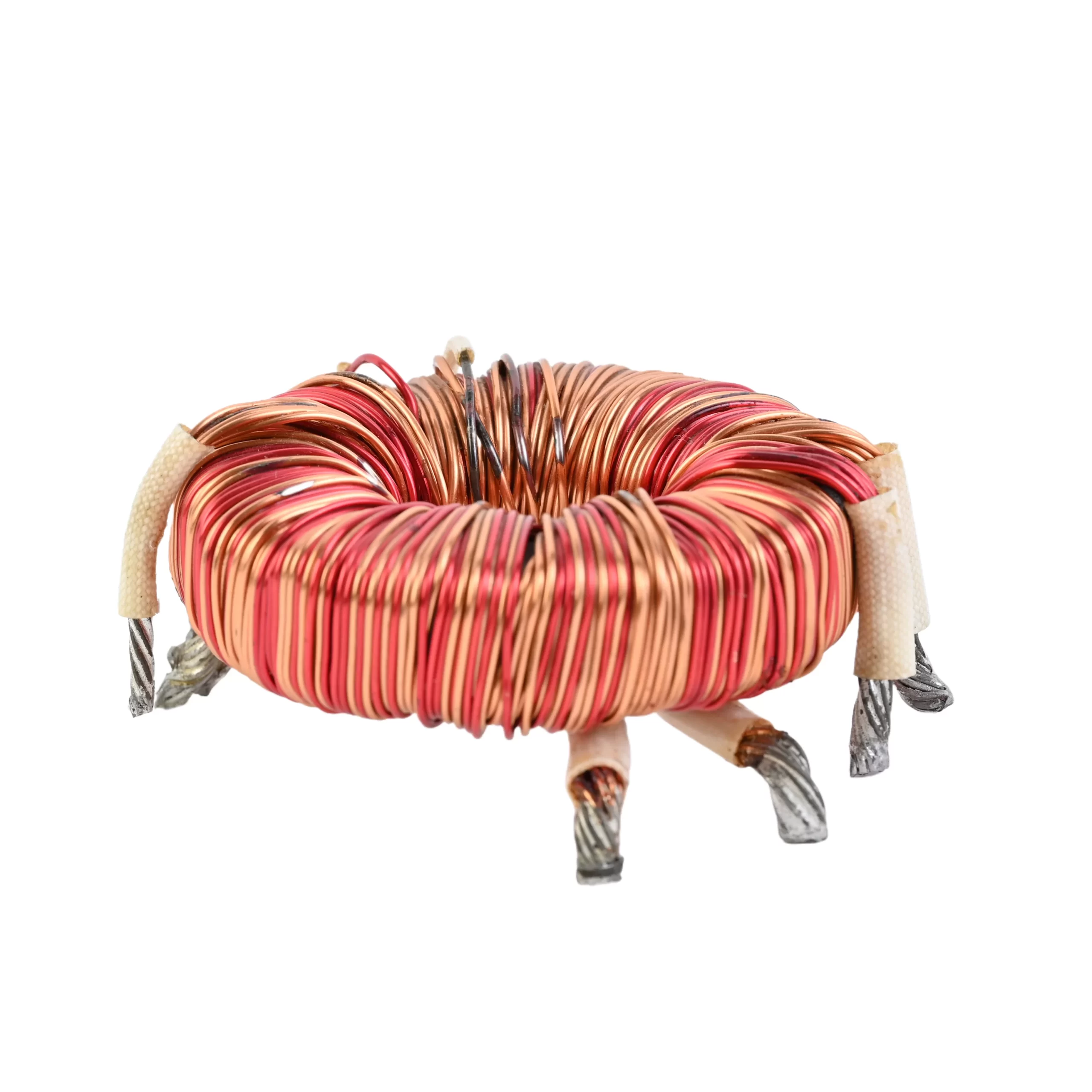
    The windings are made of high-conductivity copper or aluminum wire to handle large current loads. The number of turns and wire gauge are carefully selected to achieve the required voltage ratio with minimal loss.
  • Insulation and Cooling System

    High-quality insulation materials provide safety and reliability during long-term operation. The transformer adopts natural air or oil cooling to maintain temperature balance and extend service life under continuous load conditions.

Low Frequency Transformer Use

A low frequency transformer is widely used in systems that require stable voltage conversion, isolation, and high power handling. Its durable construction and strong magnetic performance make it suitable for industrial, commercial, and residential applications.
Toroidal Transformer

Power Supply and UPS Systems

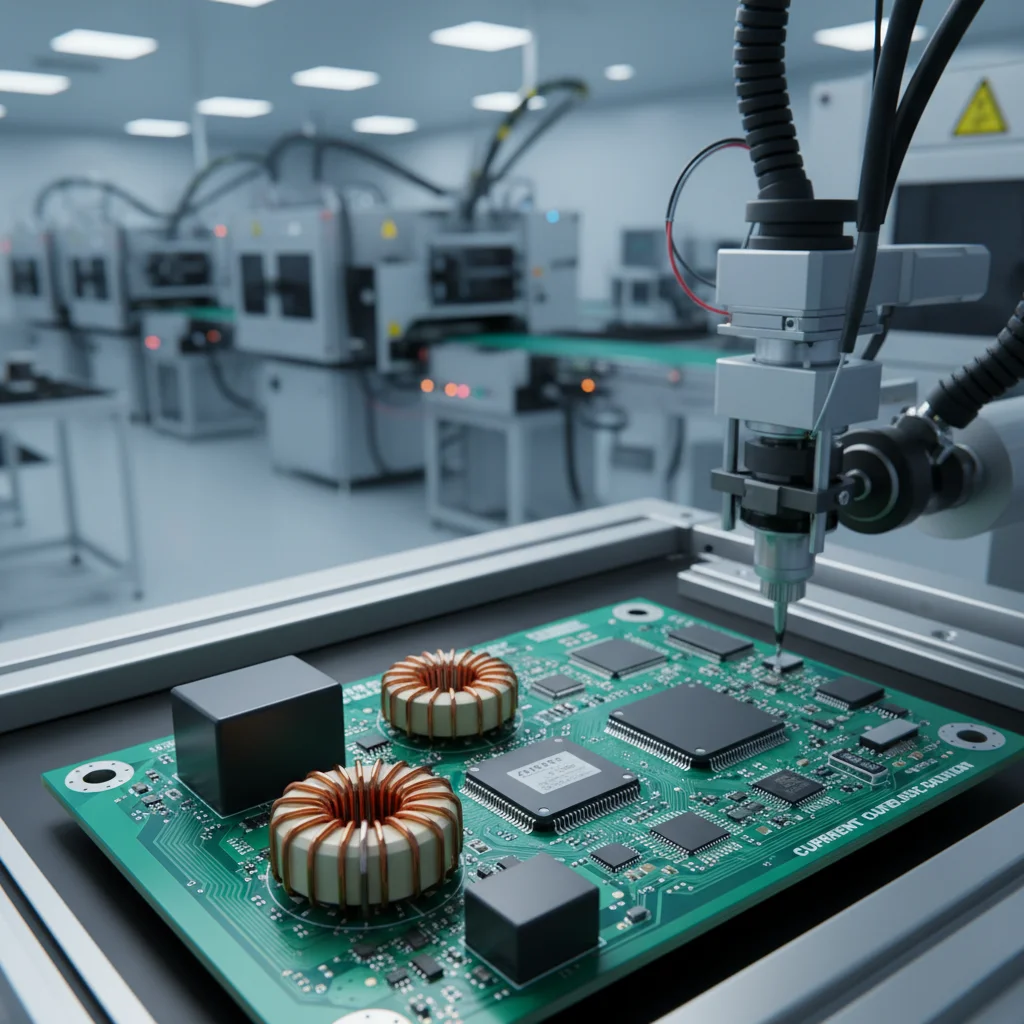
Used in AC-DC power supplies and uninterruptible power systems, low frequency transformers ensure stable voltage output, protect devices from surges, and provide safe power conversion.
EI Transformer

Audio and Signal Equipment

In audio amplifiers and broadcasting systems, low frequency transformers help maintain clear sound quality by isolating noise and reducing signal distortion.
Car Amplifier Transformer

Industrial and Medical Equipment
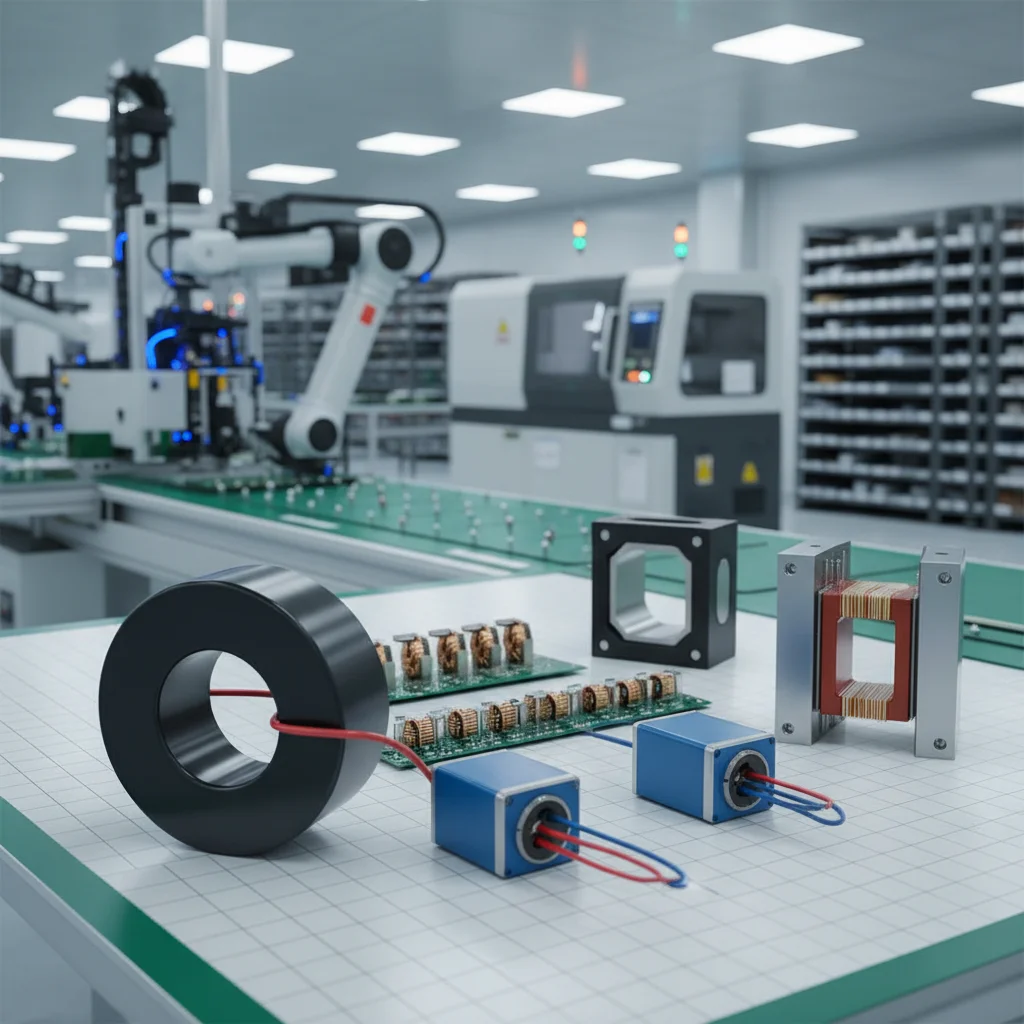
Applied in industrial control units and medical instruments, they provide safe voltage levels, electrical isolation, and reliable performance in demanding environments.

If you are interested in our products, you can choose to leave your information here, and we will be in touch with you shortly.