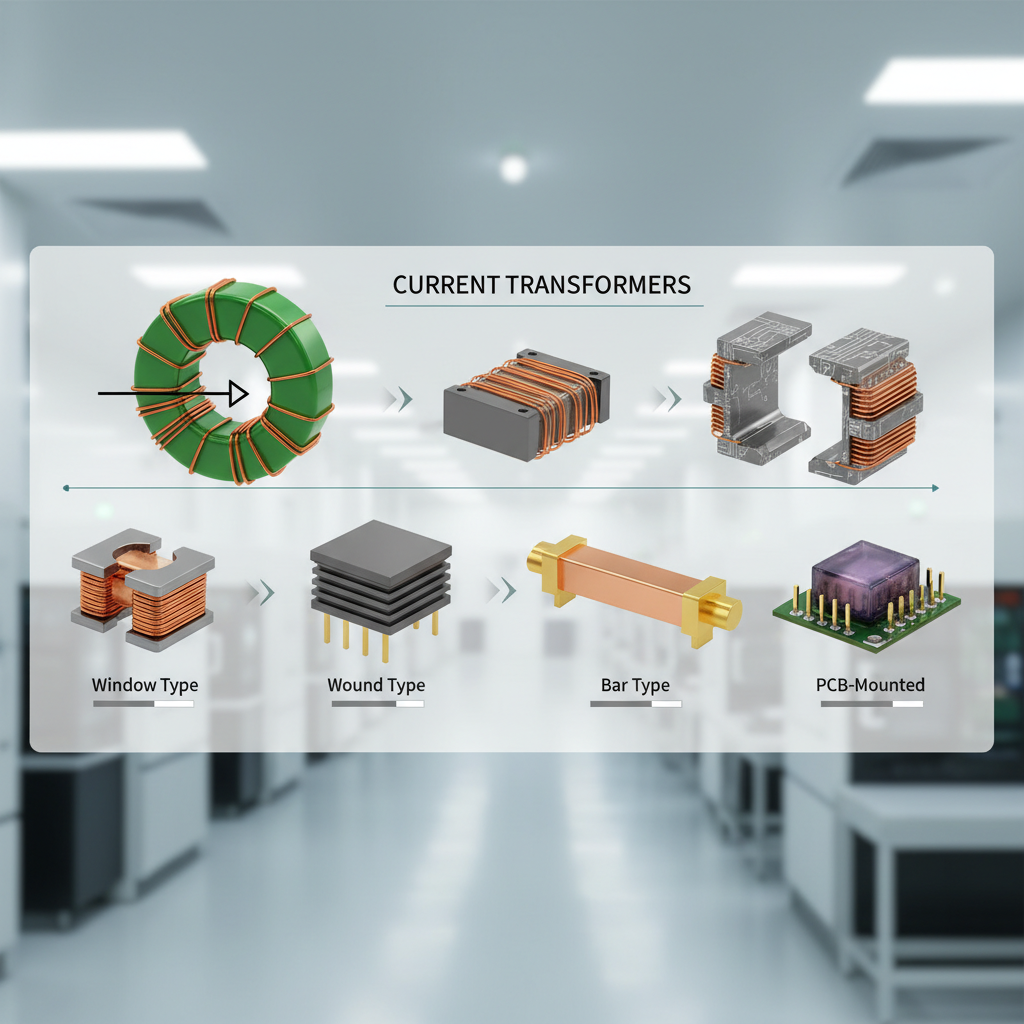
Understanding the various types of current transformer is essential for any engineer or procurement specialist dealing with power systems and electronic components. These devices serve as the critical bridge between high-current primary circuits and sensitive measuring instruments, ensuring that electrical monitoring is both safe and precise. By stepping down current to a manageable level, they prevent catastrophic equipment failure and allow for real-time energy management.
Across the global manufacturing landscape, from heavy industrial power grids to delicate hifi audio crossover systems, the selection of the right transformer type can dictate the efficiency and longevity of the entire system. Whether you are integrating common mode inductors or complex high-frequency transformers, the fundamental principles of current transformation remain the cornerstone of electrical isolation and signal integrity.
In an era defined by the transition to green energy and smart grids, the demand for specialized types of current transformer has surged. Modern applications require a balance of miniaturization, high accuracy, and thermal stability, pushing the boundaries of magnetic material science and winding techniques to meet stringent international safety and performance standards.
The Global Significance of Current Transformers
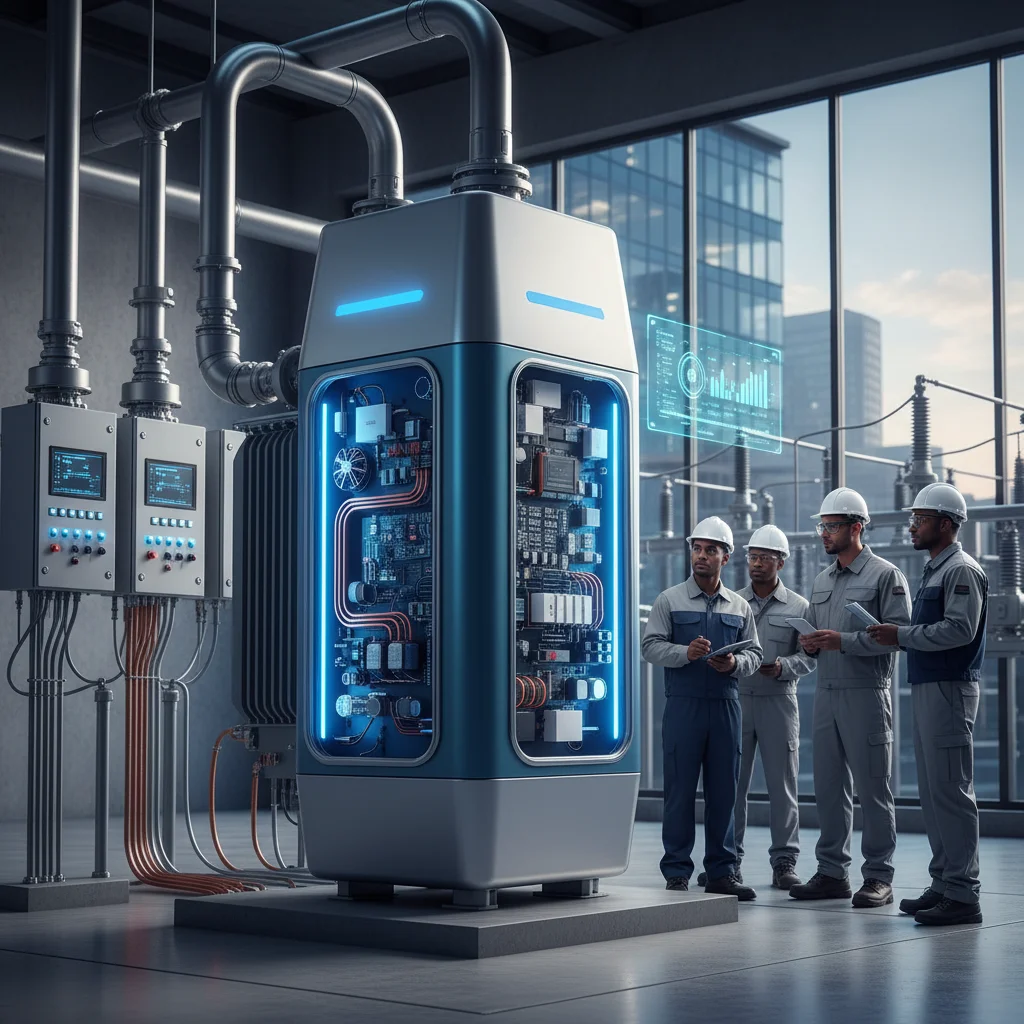
On a global scale, the stability of electrical infrastructure relies heavily on the deployment of appropriate types of current transformer. According to industrial standards aligned with ISO and IEC, the ability to accurately monitor current in high-voltage environments is not just a matter of efficiency, but a critical safety requirement. Without these components, the risk of electrical arcs and instrument burnout would make modern power distribution virtually impossible.
In the context of the "Industry 4.0" revolution, these components are being integrated with IoT sensors to create "smart" monitoring systems. This shift allows operators in remote industrial zones to track energy consumption and detect faults in real-time, significantly reducing downtime and operational costs across the electronics and communication manufacturing sectors.
Defining the Core Mechanics of Current Transformers
At its simplest, the various types of current transformer are devices that produce a current in the secondary winding which is proportional to the current flowing in the primary conductor. This process is based on Faraday's Law of Induction, where the primary current creates a magnetic field that induces a secondary current. This allows high-amperage loads to be measured by standard 5A or 1A meters without direct contact with the high-power line.
Modern industry differentiates these by their construction: bar-type, window-type, and toroidal. Toroidal designs, for instance, are highly valued in Hifi Audio Crossovers and filter inductors due to their low electromagnetic interference (EMI) and high efficiency. Each design choice reflects a specific need for accuracy, physical space constraints, or the requirement for galvanic isolation between the power source and the measurement circuit.
Beyond simple measurement, these components are integral to protection relays. In the event of a short circuit or overload, specific types of current transformer detect the surge instantly and trigger circuit breakers. This humanitarian and safety aspect ensures that residential buildings and industrial plants are protected from fires caused by electrical malfunctions.
Key Factors in Selecting Current Transformer Types
When evaluating different types of current transformer, Accuracy Class is the primary driver. High-precision applications, such as revenue metering in utility grids, require a very low percentage of error, whereas general monitoring for a power inductor might allow for a wider tolerance.
Another critical factor is Thermal Stability and Insulation. Depending on the environment—whether it's a compact car audio crossover or a high-voltage substation—the transformer must withstand temperature fluctuations without the core saturating or the insulation breaking down. This is where the choice of core material (ferrite vs. silicon steel) becomes pivotal.
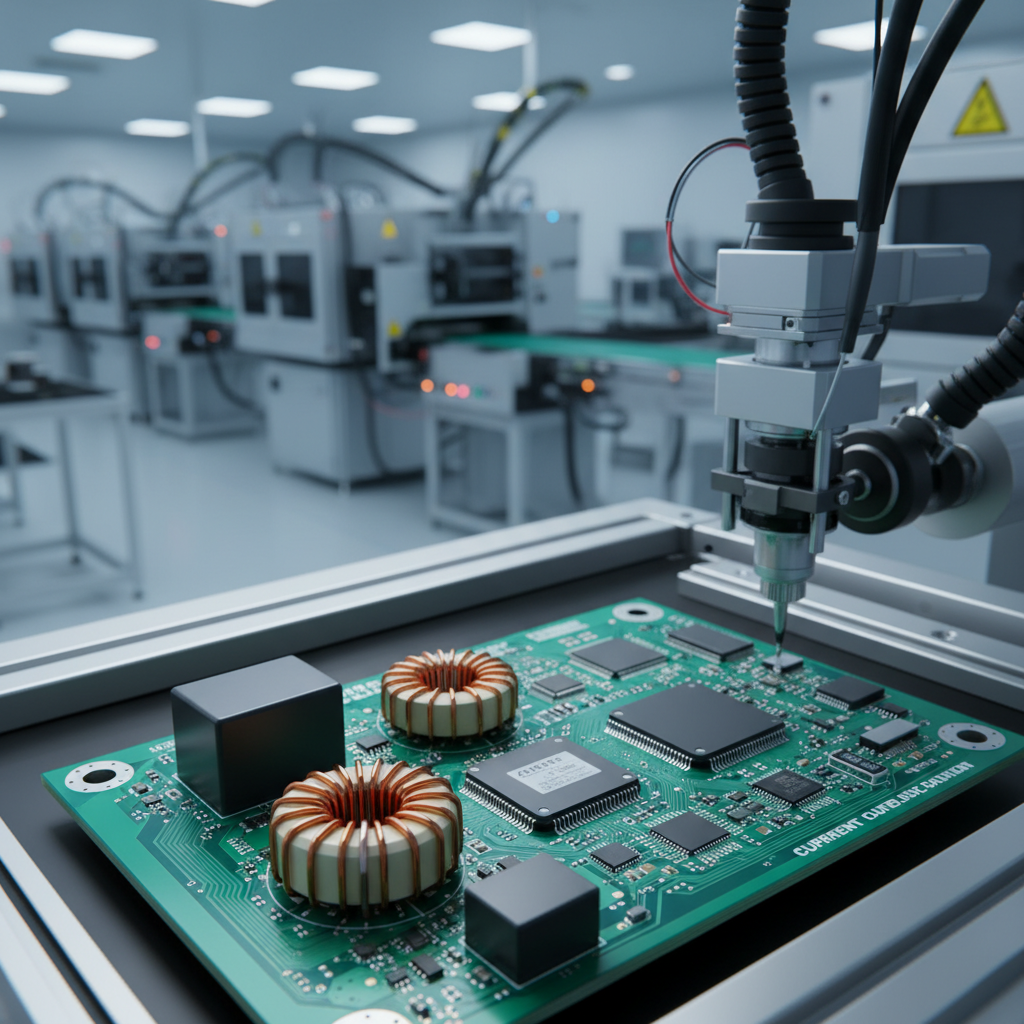
Finally, Scalability and Form Factor must be considered. In the electronics manufacturing sector, the trend is toward miniaturization. Selecting types of current transformer that fit into tight PCB layouts while maintaining a high turns ratio is essential for the next generation of communication devices.
Global Applications and Industrial Use Cases
The application of types of current transformer spans virtually every electrical sector. In heavy industrial zones, such as steel mills or chemical plants, high-capacity window transformers are used to monitor massive motor loads, preventing phase imbalance and equipment overheating. These setups are often the first line of defense in maintaining industrial productivity.
In more specialized fields, like high-end audio engineering, the use of toroidal inductors and specific transformer types ensures that signal noise is minimized. In a Hifi Audio Crossover, for example, the precise control of current prevents harmonic distortion, ensuring the purity of the sound—a clear example of how a technical component creates an emotional experience of quality and luxury.
Performance Comparison of Current Transformer Types
Long-Term Value and Operational Advantages
Investing in high-quality types of current transformer provides immense long-term value through reduced maintenance costs and enhanced system reliability. When a transformer is matched correctly to its load, it operates without saturation, which prevents overheating and extends the lifespan of all connected components, including expensive power inductors and chokes.
From a sustainability perspective, the use of high-efficiency magnetic cores reduces energy loss (hysteresis and eddy current losses). This contributes to a lower carbon footprint for the facility, aligning corporate goals with global environmental standards. Moreover, the safety provided by reliable isolation builds trust with end-users and ensures compliance with strict international labor and safety regulations.
Future Trends in Magnetic Component Innovation
The future of types of current transformer is leaning heavily toward "Digital Current Transformers" (DCTs). Unlike traditional analog types, DCTs use optical sensors or Hall-effect technology to measure current, eliminating the risk of secondary open-circuit voltage—a dangerous phenomenon in traditional CTs. This digital transformation allows for higher data granularity and seamless integration into cloud-based energy management systems.
Material science is also evolving, with the introduction of nanocrystalline cores. These materials offer significantly higher permeability and lower losses than traditional silicon steel, allowing for the creation of smaller, lighter transformers that don't sacrifice performance. This is particularly revolutionary for the automotive sector, where weight reduction in car audio crossovers and power electronics directly impacts vehicle range and efficiency.
Furthermore, the integration of AI-driven predictive maintenance is becoming a reality. By analyzing the harmonic signatures captured by specialized types of current transformer, AI can predict a winding failure or insulation breakdown before it happens, moving the industry from reactive repair to proactive optimization.
Overcoming Technical Challenges in Implementation
One of the most common challenges when implementing different types of current transformer is the issue of "Saturation." When the primary current exceeds the transformer's capacity, the magnetic core cannot hold more flux, leading to a distorted secondary signal and potential measurement errors. To solve this, engineers must carefully calculate the knee-point voltage and select cores with a higher saturation flux density.
Another hurdle is electromagnetic interference (EMI), especially in environments with high-frequency switching power supplies. The solution often involves using shielded types of current transformer or implementing common mode inductors to filter out noise. Proper grounding and twisting of secondary wires are also essential practices to maintain signal integrity.
Lastly, the physical installation of split-core transformers—while convenient—can sometimes introduce a small air gap that reduces accuracy. The solution lies in using high-permeability materials that can compensate for this gap, or utilizing precision-engineered clamping mechanisms to ensure a tight seal between the core halves.
Technical Comparison of Current Transformer Implementation Strategies
|
Transformer Type
|
Primary Challenge
|
Expert Solution
|
Reliability Score (1-10)
|
| Toroidal CT |
Installation Difficulty |
Pre-wired assemblies |
9 |
| Split-Core CT |
Air Gap Inaccuracy |
High-perm core materials |
7 |
| Bar-Type CT |
Rigid Footprint |
Modular busbar design |
8 |
| Digital CT |
Electronic Noise |
Differential signaling |
10 |
| Window CT |
Magnetic Saturation |
Increased core cross-section |
8 |
| Rogowski Coil |
DC Insensitivity |
AC-only integration |
7 |
FAQS
The main differences lie in their physical construction (core shape), measurement method (analog vs. digital), and application. For example, toroidal types are used for low noise in audio, while bar-type transformers are designed for high-voltage industrial switchgear. The choice depends on whether you need ease of installation (split-core) or maximum accuracy (solid-core toroidal).
While possible, split-core types are generally slightly less accurate than solid-core types due to the air gap at the joint. For revenue-grade metering, a solid-core toroidal transformer is recommended. However, for energy monitoring and load balancing, high-quality split-core versions are more than sufficient and far easier to install in existing systems.
This is a critical safety hazard. An open secondary circuit can lead to extremely high voltage buildup across the secondary terminals, which can cause insulation failure, electrical arcs, and potential injury to personnel. Always ensure the secondary is connected to a burden or short-circuited before energizing the primary circuit.
The turns ratio is determined by the maximum primary current you expect and the input rating of your measuring device. For instance, if your primary load is 100A and your meter accepts 5A, you need a 100:5 (or 20:1) ratio. Selecting a ratio too low leads to saturation; selecting one too high reduces the sensitivity and accuracy of the measurement.
Digital types offer advantages in safety (no open-circuit voltage risk) and data integration. They provide better performance in high-frequency environments. However, traditional analog transformers are often more cost-effective, simpler to implement for basic tasks, and have a proven track record of reliability in extreme high-voltage environments where electronics might fail.
For high-frequency applications, such as those found in communication equipment or high-frequency transformers, ferrite cores are superior. They have high electrical resistivity, which minimizes eddy current losses that would otherwise cause excessive heat and signal attenuation in traditional silicon steel cores.
Conclusion
In summary, mastering the various types of current transformer is fundamental to ensuring the safety, efficiency, and precision of any electrical system. From the rugged bar-type transformers in industrial grids to the high-precision toroidal inductors in hifi audio systems, each variant plays a specialized role in managing electrical energy and protecting critical infrastructure. By balancing factors such as accuracy class, thermal stability, and form factor, engineers can optimize their designs for both performance and cost.
Looking ahead, the convergence of nanocrystalline materials and digital sensing will continue to push the boundaries of what magnetic components can achieve. We encourage manufacturers and engineers to embrace these innovations to build more sustainable and intelligent power systems. For high-quality magnetic solutions and expert guidance on selecting the right components for your project, visit our website: www.xcdmagnetic.com.