
Hit enter to search or ESC to close
To be honest, things in the transformer industry are moving fast these days. Everyone’s talking about efficiency, miniaturization, and smart monitoring. It's all well and good in the labs, but out on site, it’s a different story. You see designs that look great on paper, but then you try to actually install them… forget about it. I encountered this at a factory in Dongguan last time – beautiful transformer, super compact, but the mounting points were… well, let’s just say a wrench wouldn’t fit.
Have you noticed everyone’s pushing for these amorphous core transformers? Supposedly, they reduce energy loss. They do, technically. But handling them… it's weird. The core material feels like coarse sand, gets everywhere, and smells faintly metallic, almost like burnt toast. Not pleasant. And they’re fragile. Drop one, and it’s toast, ironically.
We mostly work with silicon steel, the standard stuff, and increasingly, nanocrystalline alloys for specialized applications. Silicon steel feels solid, reliable. You know what you’re getting. Nanocrystalline… it’s almost too soft. Like handling a really expensive piece of tissue paper. Anyway, I think the industry is trying to overcomplicate things sometimes.

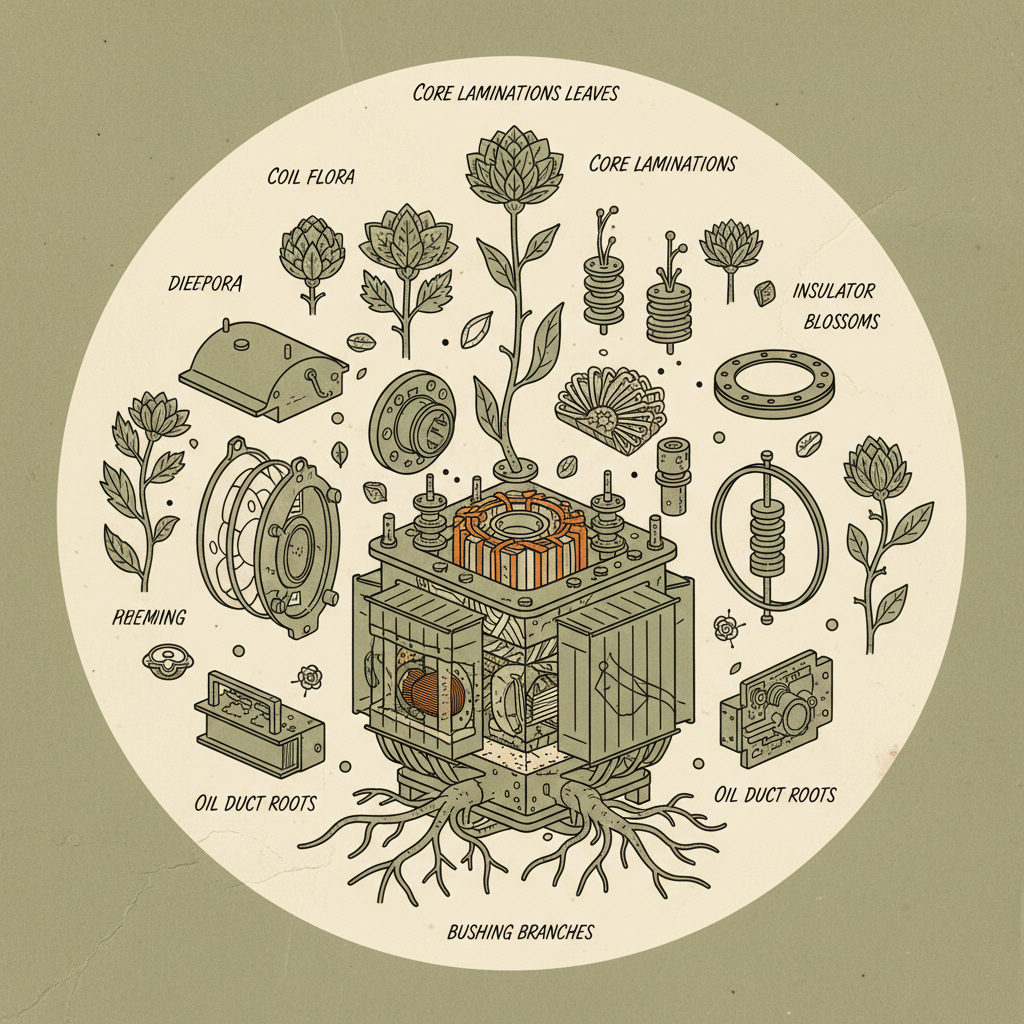
Strangely, a lot of designers forget that these things are going to be crammed into switchgear, sometimes in pretty tight spaces. They design for optimal performance in a lab, but don't think about accessibility for maintenance. Trying to replace a fuse on a badly designed transformer can be a nightmare.
And the whole “smart transformer” thing? Good idea, theoretically. Remote monitoring, predictive maintenance… sounds great. But the sensors add cost and complexity, and honestly, a lot of technicians I talk to just don’t trust them. They prefer a good old-fashioned visual inspection. I mean, can you blame them? Later... Forget it, I won't mention it.
Well, honestly, it's usually overheating. Insufficient cooling, blocked ventilation, excessive load… it all adds up. Poorly maintained bushings are another common culprit. And of course, you get the occasional lightning strike or surge that takes everything out. Prevention is key, regular inspections, proper ventilation, and surge protection are vital.
That’s a tough one. Depends on a lot of factors – operating conditions, load profile, maintenance schedule. But a well-maintained distribution transformer can easily last 30, even 40 years. Power transformers, the really big ones, can go even longer. I’ve seen some still running after 50 years! But they're the exception, not the rule.
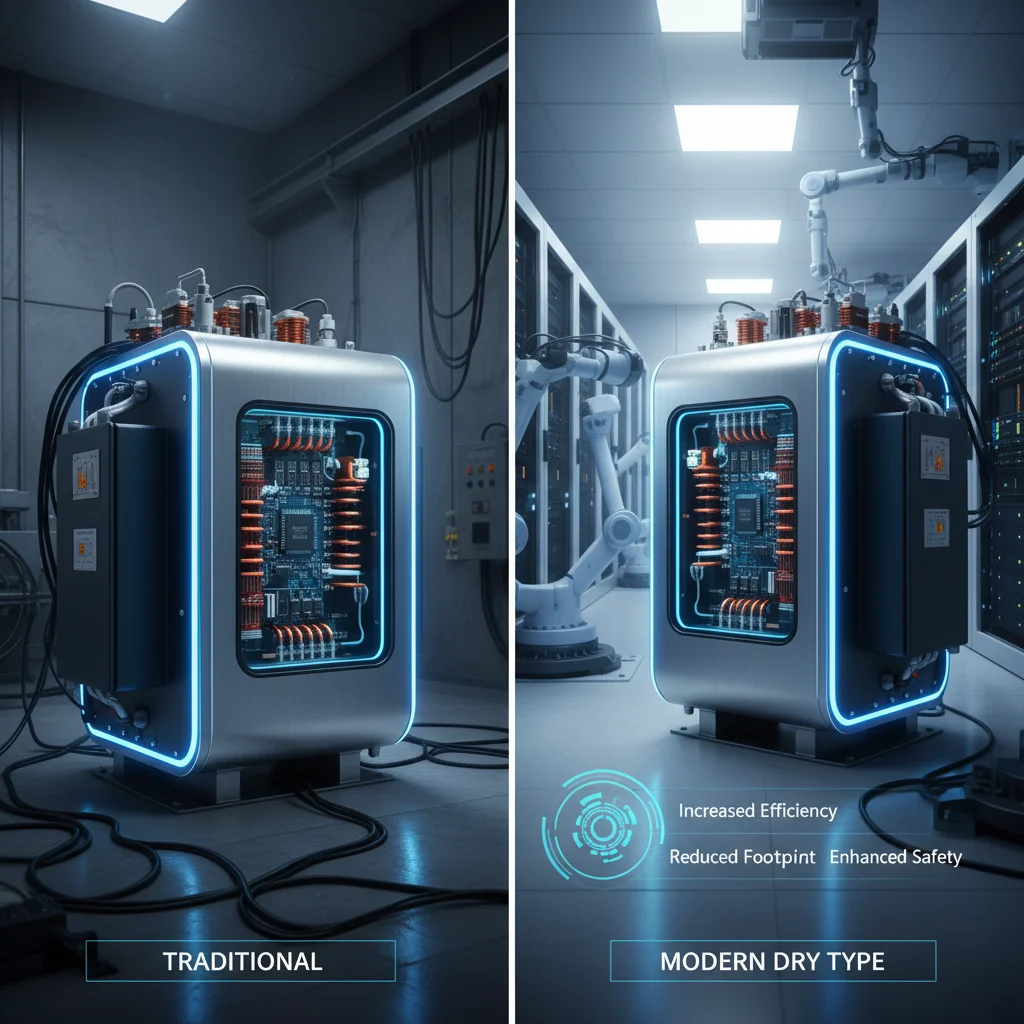
Dry-type transformers use air as a coolant, oil-filled transformers use… well, oil. Oil provides better cooling and insulation, but it’s also a fire hazard. Dry-type are safer, but they’re generally less efficient. It depends on the application. For indoor installations, dry-type is usually preferred. For outdoor substations, oil-filled is more common.
Crucially important. Neglecting maintenance is a recipe for disaster. Regular oil sampling, bushing inspections, winding resistance measurements… it all adds up. You catch problems early, before they become catastrophic. Think of it like servicing a car – you wouldn’t drive for years without an oil change, would you? It’s the same with transformers.
Depends on the damage. Minor faults, like broken connections or damaged bushings, can usually be repaired. But major damage, like core failures or winding shorts, often means replacement is the only option. It's a cost-benefit analysis. Repairing can be cheaper upfront, but replacement might be more reliable in the long run.
Solid-state transformers are getting a lot of attention, but they’re still relatively expensive and unproven. Smart transformers with integrated monitoring and control systems are becoming more common. And there's a lot of research going into using more environmentally friendly materials, like biodegradable insulating oils and silicon carbide semiconductors. It's a dynamic field, constantly evolving.
So, there you have it. Transformer technology isn’t glamorous, but it’s essential. From the materials we use to the testing procedures we follow, everything impacts the reliability and performance of these crucial components. Ultimately, it’s a blend of science, engineering, and good old-fashioned common sense.
And the bottom line is this: ultimately, whether this thing works or not, the worker will know the moment he tightens the screw. He’ll feel it. That's what matters. Visit our website: transformer manufacturer.