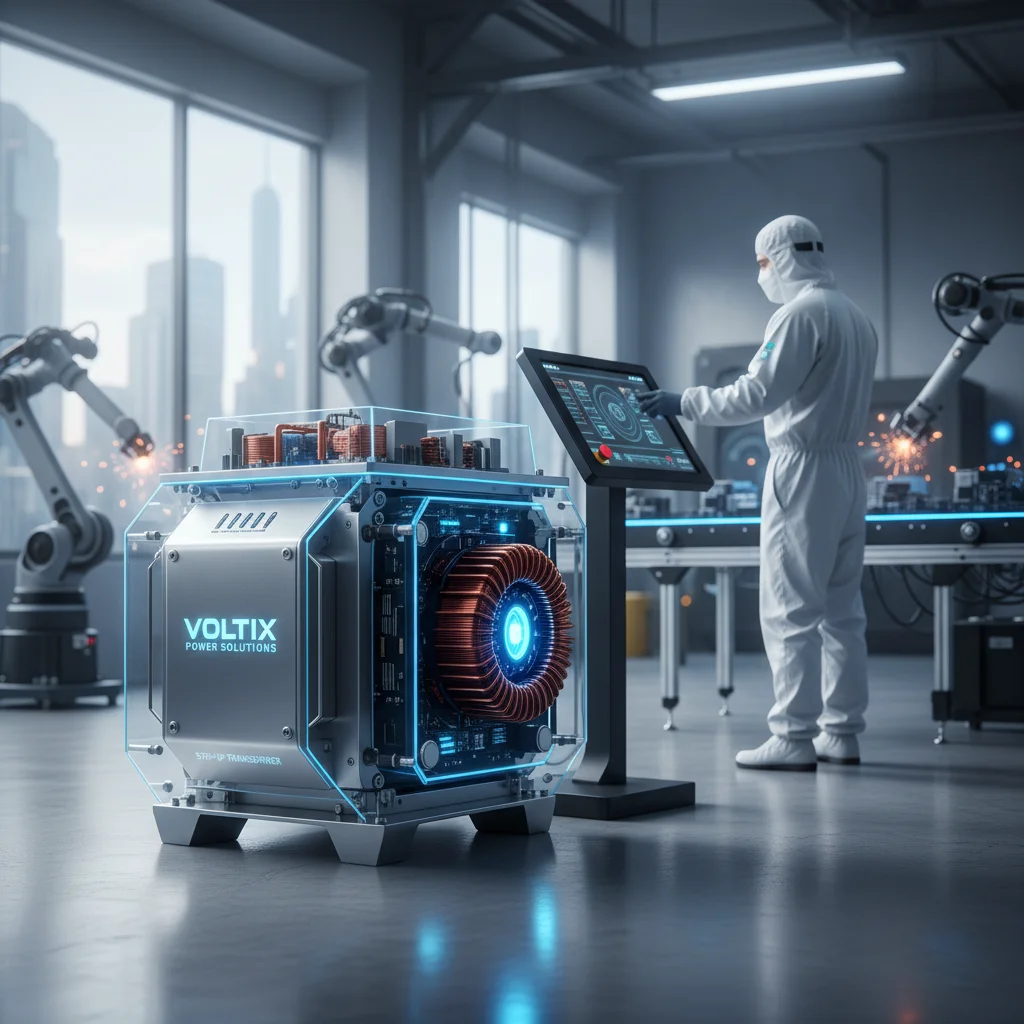
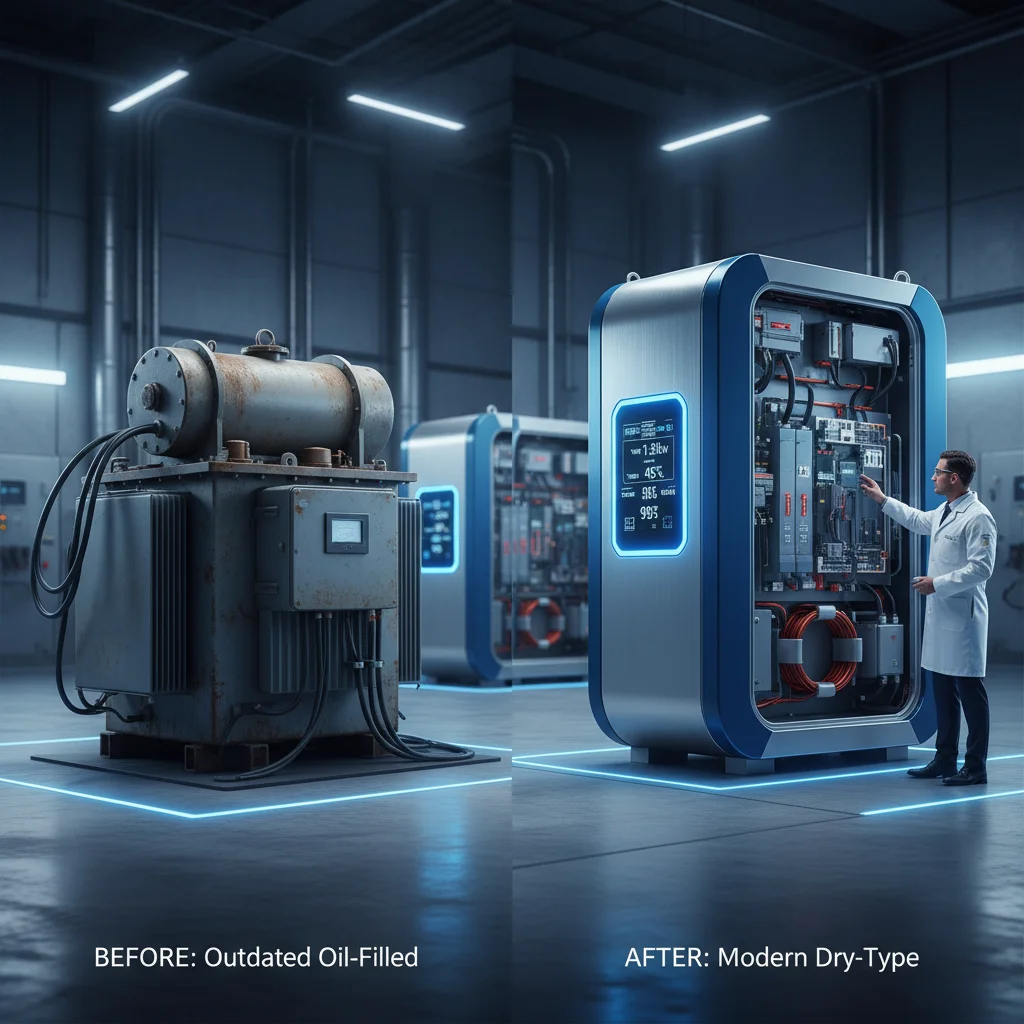
Planar transformer manufacturers are at the forefront of a revolution in power electronics, driven by demands for smaller, more efficient, and higher-power density solutions. These transformers, unlike their traditional wound counterparts, are fabricated using etched circuitry on a planar substrate, offering significant advantages in thermal management and electrical performance. The increasing adoption of technologies like electric vehicles, renewable energy systems, and advanced medical devices necessitates increasingly sophisticated power conversion, making the role of a skilled planar transformer manufacturer absolutely critical.
The global market for power transformers is substantial and consistently growing, with a significant portion increasingly shifting towards planar designs. Reports from organizations like the International Energy Agency (IEA) highlight the escalating need for efficient power distribution and conversion, particularly as the world transitions towards sustainable energy sources. A reliable planar transformer manufacturer plays a pivotal role in enabling this transition, providing the necessary components for grid modernization and renewable energy integration.
This growing demand presents a challenge: ensuring the quality, reliability, and scalability of planar transformer production. Traditional transformer manufacturing processes aren’t directly applicable, requiring specialized expertise in materials science, etching techniques, and quality control. Understanding the intricacies of planar transformer design and manufacturing is, therefore, vital for engineers, procurement specialists, and anyone involved in the development of power electronic systems.

Introduction to Planar Transformer Manufacturing
Planar transformer manufacturing represents a significant departure from traditional coil-winding methods. Instead of layers of wire, these transformers utilize flat, etched copper conductors on a dielectric substrate. This approach fundamentally alters the transformer’s characteristics, enabling improved thermal dissipation and reduced parasitic capacitance. A leading planar transformer manufacturer utilizes advanced techniques to achieve high precision and reliability in these intricate designs.
The advantages are compelling: thinner profiles, higher power densities, and enhanced thermal performance. These attributes make planar transformers particularly well-suited for applications where space is limited, such as mobile devices, electric vehicles, and high-frequency power converters. Choosing the right planar transformer manufacturer is therefore crucial for optimal system performance and longevity.
Defining Planar Transformer Manufacturing
Planar transformer manufacturing is a subtractive fabrication process where conductive patterns are created on a flat substrate using photolithography and etching techniques. Essentially, a layer of copper is deposited onto a dielectric material (like FR-4 or ceramic), and then a desired circuit pattern is etched away, leaving the transformer’s windings. This differs fundamentally from traditional methods that rely on winding copper wire around a core. This innovative approach is why selecting an experienced planar transformer manufacturer is so important.
The process offers greater design flexibility, allowing for complex geometries and multi-layer windings. It also enables tighter control over layer-to-layer capacitance and inductance, critical parameters for high-frequency applications. This precision is essential for meeting the stringent requirements of modern power electronic systems.
This technology directly addresses the need for miniaturization and improved efficiency in power conversion. As electronic devices become more compact and power demands increase, planar transformers provide a viable solution to achieve higher power density without compromising performance.
Core Components and Key Factors
Several key components and factors define the quality and performance of planar transformers. Firstly, the choice of substrate material is paramount, influencing thermal conductivity, dielectric strength, and overall reliability. Secondly, the etching process must be precisely controlled to ensure accurate pattern replication and minimize shorts or opens. A skilled planar transformer manufacturer understands these intricacies.
Thirdly, the copper layer's thickness and quality are critical for minimizing resistive losses. Fourthly, the design of the magnetic core – often a ferrite material – impacts inductance and overall transformer efficiency. Finally, careful consideration must be given to the layout and spacing of the conductors to manage parasitic capacitance and minimize electromagnetic interference (EMI).
Optimizing these factors requires a deep understanding of electromagnetic theory, materials science, and manufacturing processes. A reputable planar transformer manufacturer will employ advanced simulation tools and rigorous quality control procedures to ensure consistent and reliable performance.
Global Applications & Use Cases
The applications for planar transformers are diverse and expanding rapidly. They are extensively used in switch-mode power supplies (SMPS) for computing devices, telecommunications equipment, and industrial control systems. Their low profile and high efficiency make them ideal for these applications.
In the electric vehicle (EV) market, planar transformers are crucial for on-board chargers (OBCs) and DC-DC converters, enabling efficient power conversion and contributing to extended driving range. They are also finding increasing use in renewable energy systems, such as solar inverters and wind turbine converters, where high reliability and efficiency are paramount.
Furthermore, planar transformers are being integrated into advanced medical devices, such as MRI scanners and X-ray machines, where compact size and low electromagnetic interference are essential. In remote industrial zones, where maintaining equipment is difficult, the reliability of components from a trusted planar transformer manufacturer is invaluable.
Planar Transformer Manufacturer Performance Metrics
Advantages & Long-Term Value
The advantages of planar transformers extend beyond just technical specifications. Cost-effectiveness, particularly at high volumes, is a significant benefit. Reduced material usage and streamlined manufacturing processes contribute to lower overall costs. A reliable planar transformer manufacturer can optimize these factors.
Furthermore, the enhanced thermal performance leads to improved reliability and extended product lifecycles, reducing the need for premature replacements and minimizing downtime. This is particularly valuable in critical applications where uninterrupted operation is essential. The sustainability aspect, stemming from reduced material consumption and increased efficiency, aligns with growing environmental concerns.
Future Trends & Innovations
The future of planar transformer manufacturing is closely tied to advancements in materials science and fabrication techniques. Research is focused on developing new dielectric materials with higher thermal conductivity and lower dielectric loss, further enhancing performance and efficiency.
Integration with wide bandgap semiconductors (SiC and GaN) is another key trend, allowing for even higher switching frequencies and improved power density. The development of 3D planar transformer structures is also gaining traction, enabling even more compact designs. A forward-thinking planar transformer manufacturer will be at the forefront of these developments.
Challenges & Solutions for planar transformer manufacturer
Despite their numerous advantages, planar transformers do present some challenges. Achieving high inductance values can be more difficult compared to traditional wound transformers, requiring careful design optimization. The etching process can also be complex and require precise control to avoid defects.
Solutions include employing advanced simulation tools to optimize magnetic circuit designs and utilizing innovative etching techniques, such as laser ablation, to achieve higher precision and minimize defects. Robust quality control procedures and thorough testing are also essential to ensure reliability.
Partnering with an experienced planar transformer manufacturer with a proven track record is crucial for overcoming these challenges and realizing the full potential of this technology.
Summary of Key Characteristics and Solutions in Planar Transformer Manufacturing
| Characteristic |
Challenge |
Solution |
Impact on Overall Performance |
| Inductance |
Achieving high inductance values |
Advanced magnetic circuit design; Optimized layer arrangement |
Increased energy storage capacity; Improved efficiency |
| Etching Precision |
Potential for defects and dimensional inaccuracies |
Laser ablation; Precise process control; Quality inspection |
Reduced short circuits; Enhanced reliability |
| Thermal Management |
Heat dissipation in high-power applications |
High-thermal conductivity substrates; Optimized layout; Convection cooling |
Increased power density; Extended lifespan |
| Parasitic Capacitance |
Increased switching losses at high frequencies |
Layer isolation; Careful conductor spacing; Dielectric material selection |
Improved efficiency; Reduced EMI |
| Material Costs |
Specialized substrates and etching materials |
Material optimization; Scalable manufacturing processes |
Reduced manufacturing costs |
| Design Complexity |
Requires specialized design tools and expertise |
Advanced simulation software; Experienced design engineers |
Optimized performance and reliability |
FAQS
Planar transformers offer several key advantages, including lower profile, higher power density, improved thermal performance, and reduced parasitic capacitance. The flat, etched design allows for more efficient heat dissipation and tighter control over electromagnetic characteristics, leading to increased efficiency and reliability. They are particularly suitable for high-frequency applications and space-constrained designs.
Common substrate materials include FR-4, ceramic, and metal-core printed circuit boards (MCPCBs). FR-4 is a cost-effective option for lower-power applications, while ceramic offers superior thermal conductivity and dielectric properties for high-frequency, high-power designs. MCPCBs provide excellent heat dissipation capabilities, ideal for demanding applications.
Lead times for custom planar transformer production vary depending on complexity, quantity, and current order backlog. Typically, a prototype can be delivered within 4-6 weeks, while mass production can take 8-12 weeks or longer. Factors such as material availability and specific design requirements can also impact lead times.
Quality control is paramount in planar transformer manufacturing. This includes rigorous inspection of substrate materials, precise control of the etching process, automated optical inspection (AOI) to detect defects, and electrical testing to verify performance parameters. Comprehensive testing is performed at each stage of production to ensure consistent quality.
Yes, planar transformers can be designed for high-voltage applications, but careful consideration must be given to insulation and dielectric strength. The choice of substrate material and the design of the winding layout are critical factors. Specialized etching techniques and coatings can be employed to enhance insulation and prevent arcing.
Typically, a planar transformer manufacturer will require Gerber files, a schematic, a bill of materials (BOM), and a detailed specification document outlining the transformer's electrical characteristics, dimensions, and performance requirements. Clear and comprehensive documentation is essential for an accurate quote.
Conclusion
In conclusion, planar transformer manufacturing represents a significant advancement in power electronics, offering a compelling alternative to traditional transformer designs. The advantages of improved thermal management, higher power density, and enhanced reliability make them increasingly essential for a wide range of applications, from consumer electronics to electric vehicles and renewable energy systems. Choosing a skilled and experienced planar transformer manufacturer is pivotal to successfully integrate this technology into your products.
Looking ahead, continued innovation in materials science and fabrication techniques will further unlock the potential of planar transformers. As demand for more efficient and compact power solutions grows, planar transformer technology is poised to play an increasingly critical role in shaping the future of power electronics. Visit our website at www.xcdmagnetic.com to learn more about our capabilities and how we can help you achieve your power conversion goals.