
Hit enter to search or ESC to close
2 February 2026
In the world of audio engineering, achieving a perfectly balanced sound is crucial. A key component in many high-fidelity systems is the crossover middle tweeter. This device plays a vital role in directing specific audio frequencies to the appropriate speaker drivers – the tweeter and the midrange – creating a more accurate and immersive listening experience. This article will delve into the function, types, and benefits of a crossover middle tweeter, offering insights for both audiophiles and professionals. Understanding its function allows for optimal system performance and enhanced audio quality. XCD Magnetic specializes in high-quality magnetic components essential for building superior crossovers.
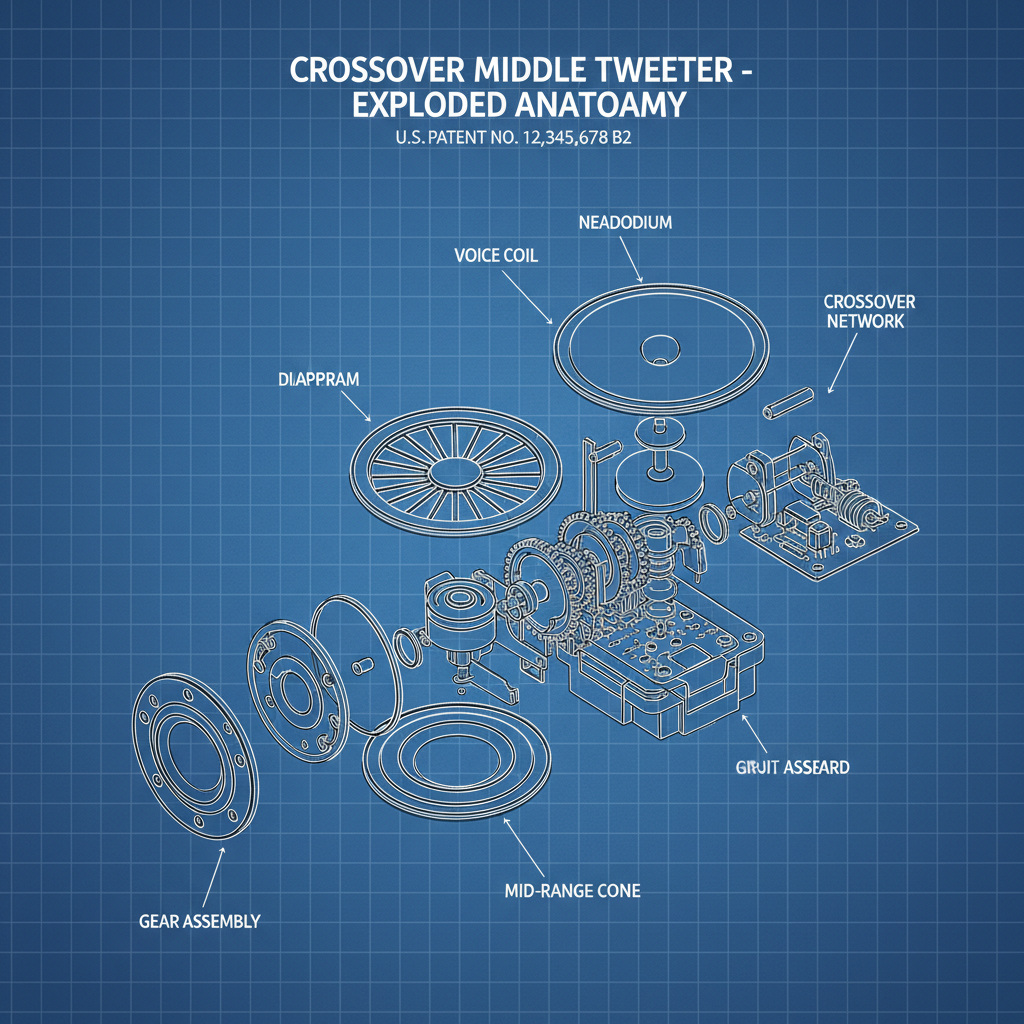
A crossover middle tweeter is an electronic circuit that divides the audio signal into different frequency ranges. Specifically, it directs low-mid frequencies to the midrange driver and higher frequencies to the tweeter. Without a crossover, all frequencies would be sent to both drivers, leading to distortion, inefficient performance, and ultimately, poor sound quality. The tweeter, designed for high frequencies, would be damaged by low-mid frequencies, and the midrange driver would struggle to reproduce high frequencies accurately. The crossover ensures each driver operates within its optimal range, maximizing efficiency and clarity.
Key Benefit: By accurately separating frequencies, a crossover middle tweeter prevents damage to speakers and dramatically improves audio clarity and fidelity.
Crossover networks come in several types, each with its own advantages and disadvantages. The most common types include:
Crossover Network Comparison:
• Passive: Simple, cost-effective, potential signal loss.
• Active: Precise, flexible, requires power.
• Electronic: Highly precise, DSP capabilities, complex setup.
The performance of a crossover middle tweeter relies heavily on the quality of its components. Critical elements include:
Choosing the right crossover depends on several factors, including the specific speakers being used, the desired sound characteristics, and the available budget. Consider the following:
Advancements in digital signal processing (DSP) are driving innovation in crossover technology. DSP-based crossovers offer unparalleled precision, equalization capabilities, and the ability to create custom sound profiles. These systems are becoming increasingly popular in high-end audio systems and professional applications. Furthermore, the development of more efficient and compact components continues to improve the performance and affordability of crossover networks. XCD Magnetic is committed to providing the core magnetic components that will power these future innovations.
The crossover middle tweeter is a fundamental component in achieving high-quality audio reproduction. By understanding its function, types, and key considerations, you can optimize your audio system for a truly immersive listening experience. Investing in quality components, especially magnetic materials, is crucial for maximizing performance.
The ideal crossover frequency for a 2-way system typically falls between 2kHz and 3kHz, but this can vary depending on the specific drivers used. Factors like the tweeter and midrange driver’s sensitivity and frequency response curves will influence the optimal point. Lower frequencies may result in the tweeter struggling with higher frequencies, while higher frequencies might cause the midrange driver to lack clarity. Experimentation and measurements are often necessary to find the sweet spot for your particular setup.
Signs that your crossover may need replacing include distorted sound, a noticeable imbalance in frequencies (e.g., too much treble or bass), or a complete lack of sound from one of the drivers. Visually inspect the components for any signs of damage, such as burnt resistors or bulging capacitors. Using a multimeter to test the components can also help identify faulty parts. If you're unsure, consulting with an audio professional is recommended.
The ferrite core significantly enhances the inductor’s performance. It increases the inductor's inductance for a given number of turns, allowing for a smaller and more efficient design. High-quality ferrite cores, like those offered by XCD Magnetic, minimize energy loss and distortion, resulting in a cleaner and more accurate audio signal. The core material’s properties directly impact the inductor’s Q-factor and overall sonic performance.