
Hit enter to search or ESC to close
2 February 2026
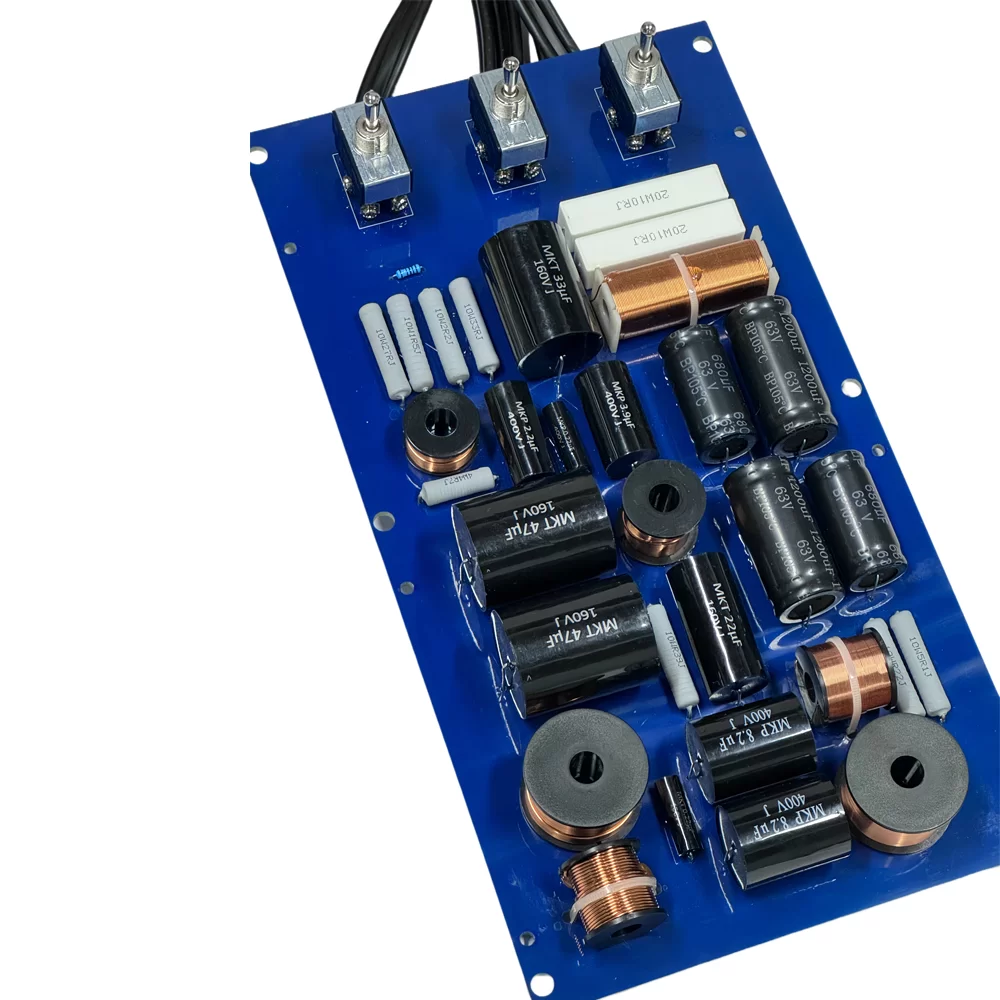
In the world of audio engineering and signal processing, achieving precise frequency separation is crucial. Crossover low pass filters are fundamental components in loudspeaker systems, audio amplifiers, and various other electronic devices. They precisely direct lower frequencies to dedicated drivers, ensuring optimal sound reproduction. This article delves into the principles, applications, design considerations, and benefits of crossover low pass filters. Understanding these filters is essential for anyone involved in audio system design or maintenance. We will explore how XCD Magnetic offers high-quality components for your filter needs.
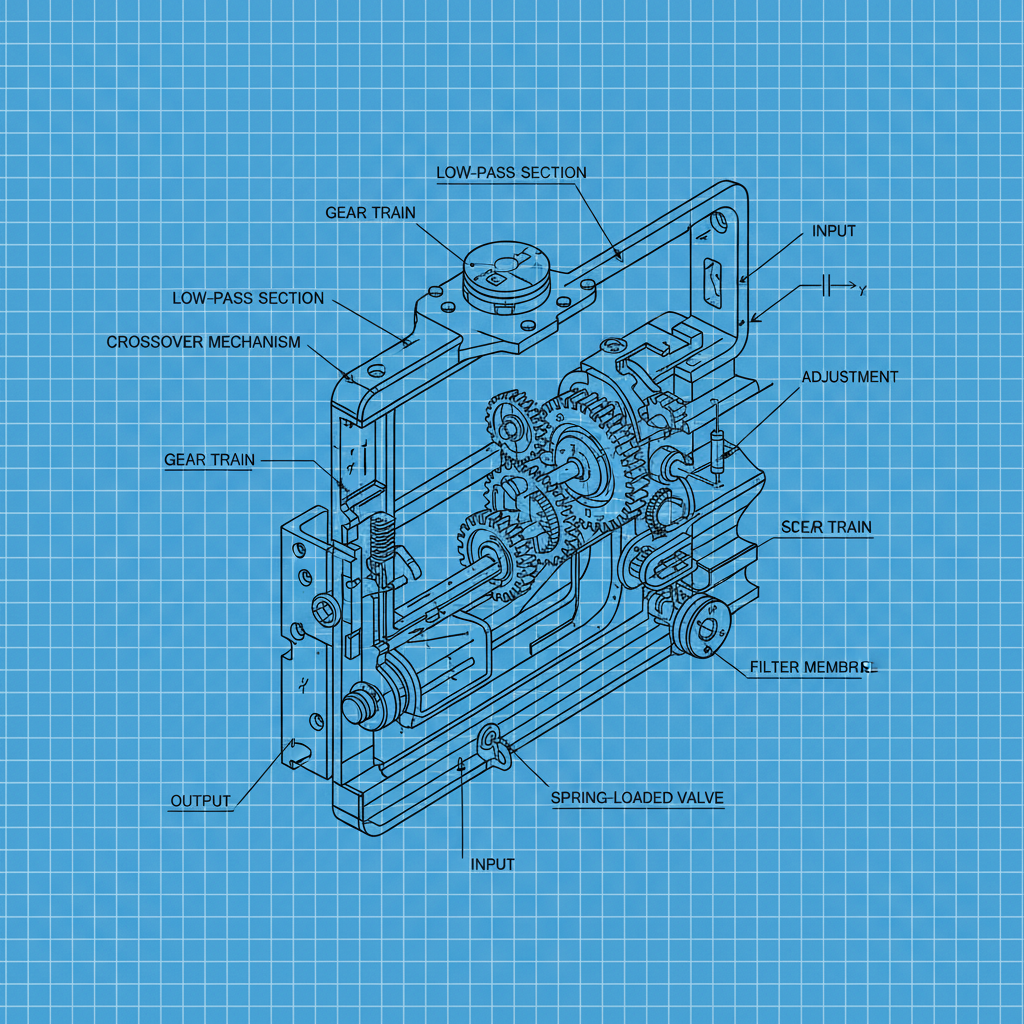
A crossover low pass filter is a circuit designed to allow frequencies below a specific cutoff frequency to pass through while attenuating (reducing the amplitude of) frequencies above that point. This filtering action is typically achieved using a combination of inductors (coils) and capacitors. The "crossover" aspect refers to its role in dividing the audio spectrum, sending bass frequencies to woofers and subwoofers, while higher frequencies are routed to tweeters and mid-range drivers. The slope of attenuation, measured in decibels per octave (dB/oct), determines how sharply the filter cuts off frequencies above the cutoff point. Steeper slopes offer more precise separation but can introduce phase distortion. Understanding these trade-offs is crucial in filter design.
Key Considerations: The cutoff frequency and slope are the two critical parameters influencing the filter's performance. They depend on the values of the inductor and capacitor used in the circuit.
Several different topologies are used to implement crossover low pass filters, each with its own characteristics. First-order filters provide a gentle slope of 6 dB/octave, while second-order filters offer a steeper 12 dB/octave slope. Higher-order filters (third, fourth, etc.) provide even sharper attenuation but can increase circuit complexity and potential for phase distortion. Butterworth, Bessel, and Chebyshev are common filter designs that offer different trade-offs between flatness of the passband, steepness of the cutoff, and phase response. The choice of filter type depends on the specific application and desired performance characteristics. XCD Magnetic provides components suitable for a wide range of filter designs.
Filter Type Comparison:
• Butterworth: Flat passband, moderate roll-off.
• Bessel: Linear phase response, gentle roll-off.
• Chebyshev: Steeper roll-off, ripple in the passband.
Designing an effective crossover low pass filter requires careful consideration of several factors. The impedance of the speakers being driven is crucial, as it affects the values of the inductors and capacitors needed to achieve the desired cutoff frequency and slope. The driver’s Thiele/Small parameters provide key information for accurate filter design. Component quality is also paramount; high-quality inductors and capacitors will minimize distortion and ensure reliable performance. Furthermore, the physical layout of the circuit board can influence performance, so minimizing lead lengths and avoiding close proximity of components is recommended. Properly designed crossover networks are essential for optimal speaker performance.
The applications of crossover low pass filters are widespread in the audio industry. They are essential in multi-way speaker systems to direct bass frequencies to woofers and subwoofers. They are also used in active crossovers, which employ electronic circuits to achieve more precise filtering and equalization. Additionally, low pass filters are found in audio amplifiers to remove unwanted high-frequency noise and distortion. Subwoofer enclosures invariably utilize low pass filters to ensure they reproduce only the intended bass frequencies. XCD Magnetic provides components for diverse applications in audio design.
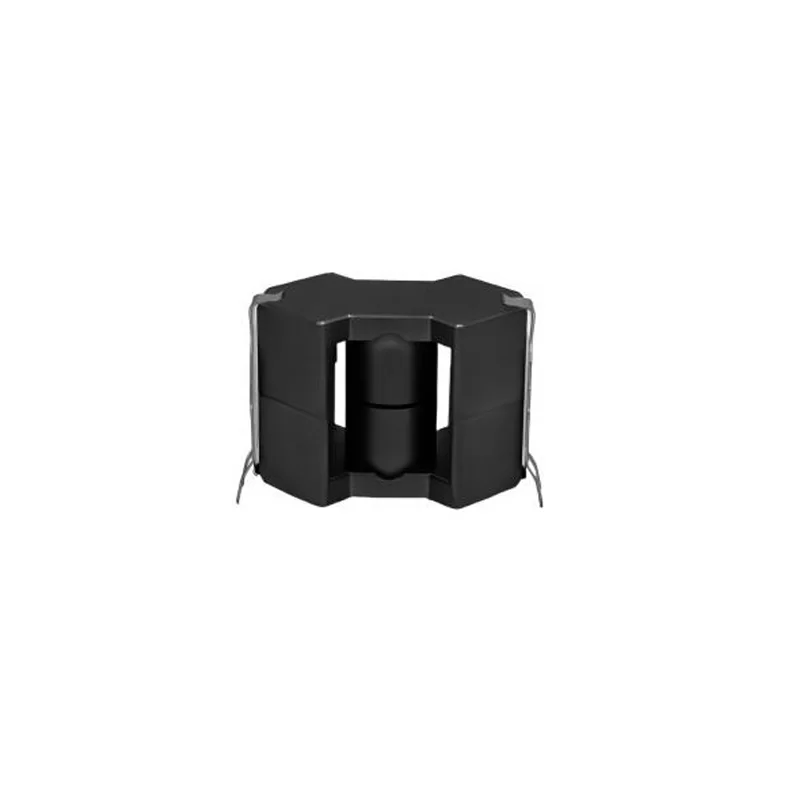
Choosing the correct components for your low pass filter is vital for achieving optimal performance. XCD Magnetic offers a comprehensive range of high-quality inductors and capacitors specifically designed for crossover applications. Our inductors boast low DC resistance and high saturation current, minimizing signal loss and distortion. Our capacitors feature low ESR (Equivalent Series Resistance) and excellent stability, ensuring accurate filtering and long-term reliability. We provide components for various power handling capabilities and frequency ranges to meet your specific needs. By choosing XCD Magnetic, you can be confident in the quality and performance of your crossover network.
Understanding and properly implementing crossover low pass filters is critical for achieving high-fidelity audio reproduction. By carefully selecting components and designing the filter network to match your specific application, you can unlock the full potential of your audio system. XCD Magnetic is your trusted partner for high-quality inductors and capacitors, ensuring exceptional performance and reliability.
Inductor DC resistance (DCR) introduces a small amount of signal loss, particularly at lower frequencies. Higher DCR values can attenuate the signal and reduce overall efficiency. When selecting inductors for crossover applications, it’s crucial to choose components with low DCR to minimize these losses. XCD Magnetic’s inductors are designed for low DCR, ensuring minimal impact on audio signal quality.
Capacitor ESR (Equivalent Series Resistance) and ESL (Equivalent Series Inductance) can introduce losses and alter the filter's frequency response. High ESR dissipates energy as heat, reducing efficiency, while ESL can cause resonances and phase shifts. Low ESR and ESL capacitors are preferred for crossover applications, as they minimize these undesirable effects. XCD Magnetic offers capacitors with optimized ESR and ESL characteristics for superior filter performance.
Proper layout is critical for minimizing unwanted interactions between components. Keeping lead lengths short and avoiding close proximity of inductors and capacitors reduces parasitic capacitance and inductance, which can alter the filter’s response. A well-planned layout also minimizes electromagnetic interference (EMI). Careful consideration of component placement is essential for achieving accurate and reliable filter performance.
Yes, several software tools allow you to simulate crossover networks before building them. These tools can predict the frequency response, phase response, and impedance of the filter, allowing you to optimize the design and identify potential issues. Popular simulation software includes LTspice, MultiSim, and FilterPro. Simulation can save time and money by identifying and correcting design flaws before committing to hardware construction.