In electronics, inductors are almost universally introduced as passive components—devices that store energy temporarily in a magnetic field without providing power gain. However, in modern circuit theory and practical engineering, you will sometimes encounter references to “active inductors,” “gyrator-based inductors,” or “synthetic inductors.” This can lead to confusion: how can an inductor be considered active if inductors by definition do not generate energy? The answer lies in understanding the difference between a physical inductor and an emulated inductive behavior created by active circuitry.
This article explains why traditional inductors are passive, how active inductors work, and why engineers sometimes prefer one type over the other.
1. What Makes a Component Passive or Active?
In electronics, a component is considered passive if it cannot add net energy to a circuit. It may store energy, dissipate energy, or release stored energy later, but it cannot amplify signals or provide power gain.
A component is considered active when it requires a power supply to operate and can provide gain or dynamic control. Transistors, op-amps, and integrated circuits fall into this category.
Therefore, the classification is based on the behavior and power flow, not on the physical appearance or type of element being imitated.
2. Why Traditional Inductors Are Passive
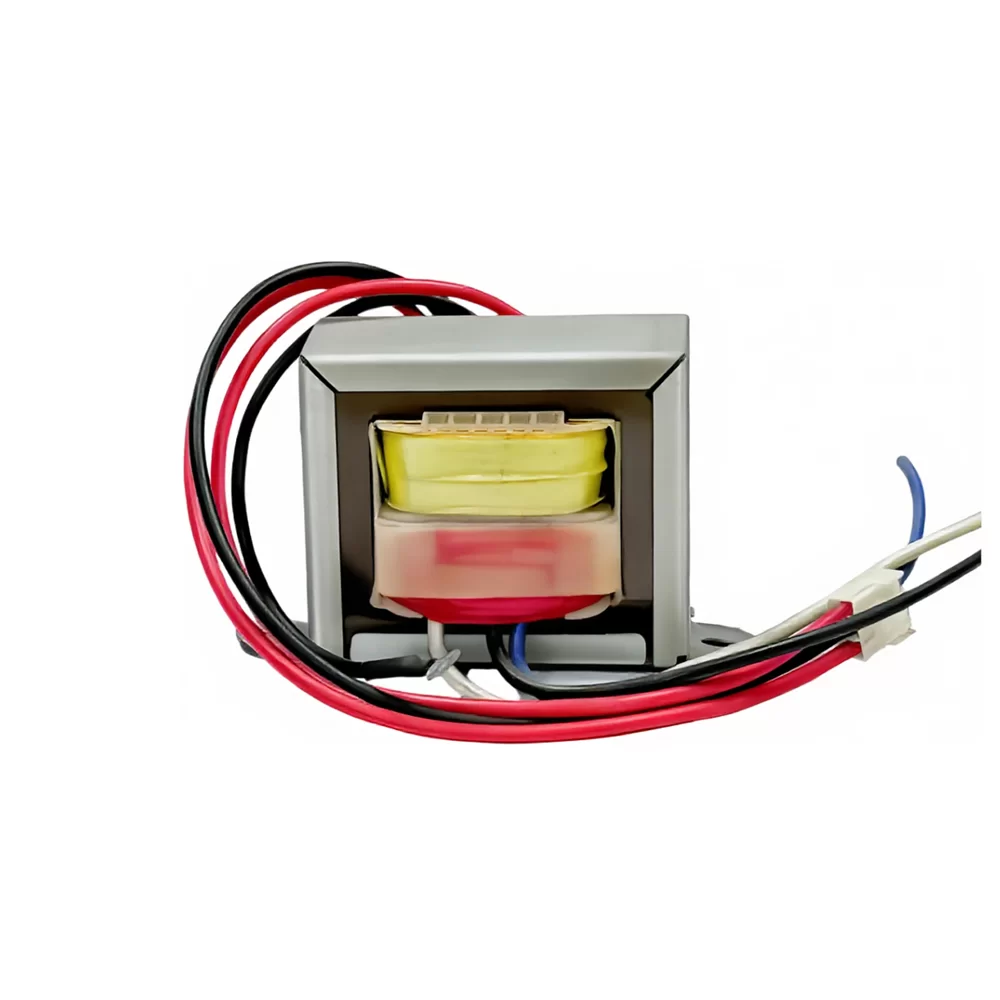
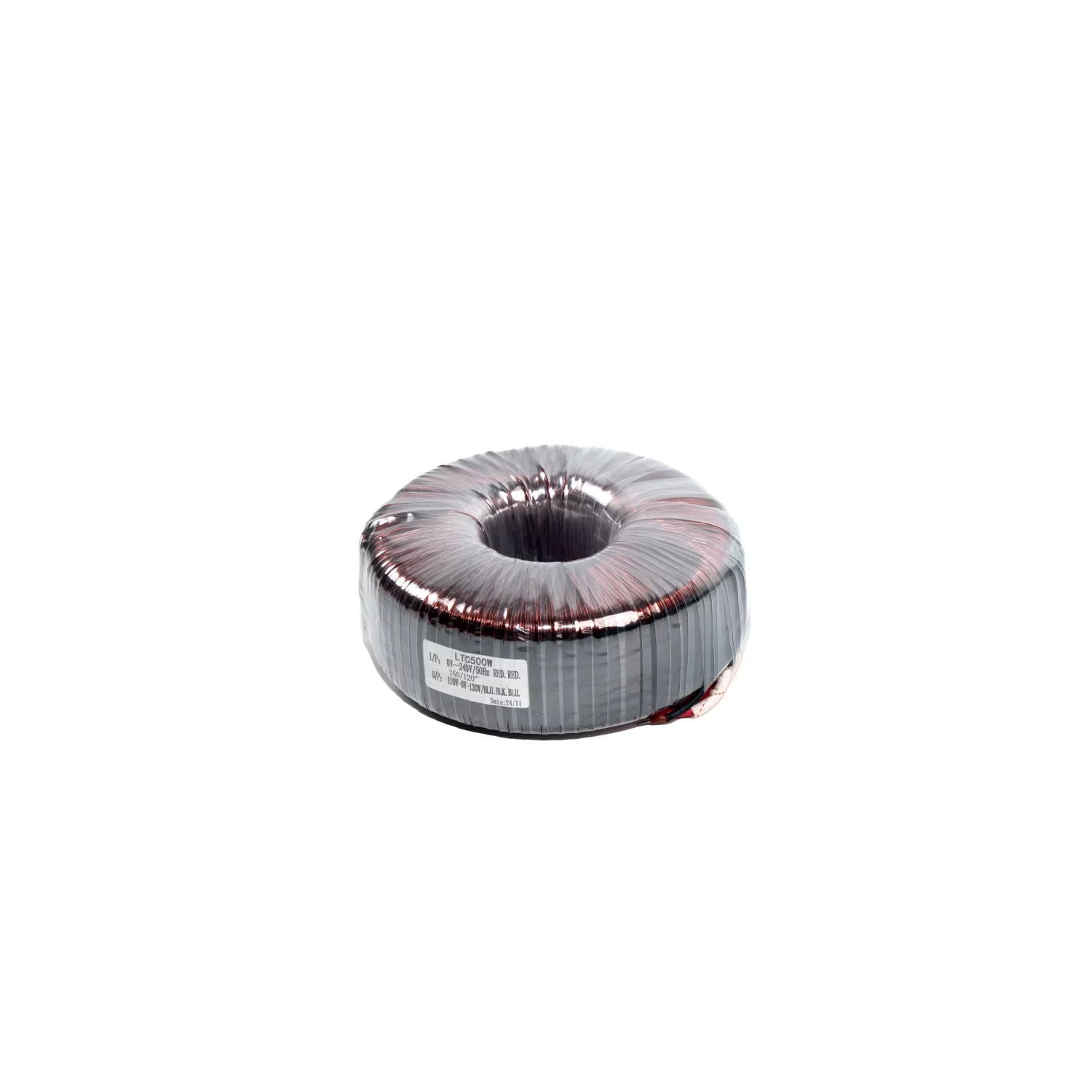
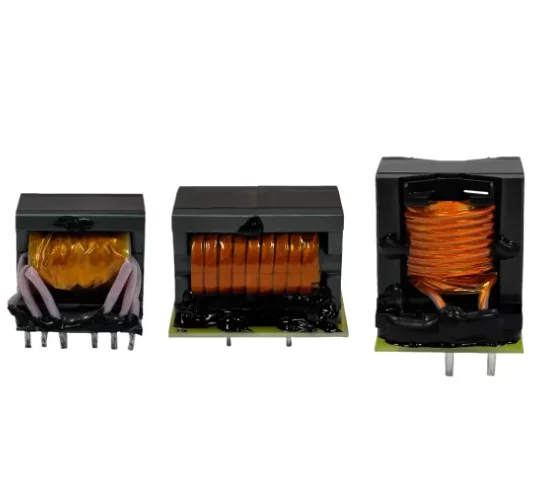
A conventional inductor is simply a coil of wire, sometimes wound around a magnetic core. Its fundamental behavior comes from Faraday’s law of induction:
When current flows through the coil, it creates a magnetic field.
The energy is stored in the magnetic field.
When the magnetic field changes, it induces a voltage opposing the change (Lenz’s law).
This entire process involves no external power supply and no amplification. The inductor can only release the energy that had been stored by the current flowing through it earlier.
Thus, physical inductors are always passive, regardless of size, core material, or construction.
3. Where the Confusion Comes From: “Active Inductors”
The term active inductor refers not to a physical coil, but to an electronic circuit that behaves like an inductor using active devices. These circuits usually include:
transistors (BJTs or MOSFETs),
operational amplifiers,
current mirrors,
biasing networks,
sometimes resistors and capacitors.
These circuits need power to operate, and often can:
simulate very large inductance,
tune inductance values electronically,
achieve higher quality factors (Q),
integrate into compact ICs.
Since they use active components to generate inductive behavior, they are called active inductors.
4. How Active Inductors Work
Active inductors often rely on gyrator circuits, which use transistors or op-amps to mimic the impedance of an inductor. A gyrator transforms a capacitor into an equivalent inductance:
Lequiv=R1R2CL_{\text{equiv}} = R_1 R_2 CLequiv=R1R2C
By selecting values of resistors and capacitors, and by controlling transistor bias currents, the designer can create a synthesized inductive reactance.
Key properties:
✔ Uses external power
Because transistors or op-amps require power supply rails, an active inductor consumes energy.
✔ Can provide gain or negative resistance
Some active inductors are designed to cancel losses, effectively producing a higher quality factor (Q) than a physical coil.
✔ Can tune the inductance electronically
By adjusting bias currents or control voltages, the effective inductance can be varied in real time—something impossible for a passive coil.
✔ Can emulate very large inductance values
Physical inductors become large and impractical when inductance increases. Active inductors solve that limitation.
5. Why Use Active Inductors Instead of Passive Ones?
Active inductors offer several advantages in specific applications:
1. Compact size
Very large inductances (tens or hundreds of millihenry) are bulky as passive coils, but easy to implement using active circuits.
2. Integration into ICs
Physical coils cannot be manufactured efficiently on CMOS chips. Active inductors are ideal for RF integrated circuits, filters, and oscillators.
3. Tunable inductance
Active inductors can be digitally or analog-tuned, enabling adjustable filters or adaptive RF systems.
4. High Q-factor
Passive inductors often suffer from resistive losses. Active circuits can compensate for these losses.
5. Flexibility and design control
Parameters such as inductance, bandwidth, and linearity can be tailored via circuit design.
6. Why Passive Inductors Are Still Needed
Despite the advantages of active inductors, passive ones remain widely used because they offer:
1. High current handling
Power electronics, motors, and converters require large currents that active inductors cannot handle.
2. High voltage tolerance
Coils can withstand high voltages without breakdown.
3. No noise contribution
Active circuits introduce electronic noise; passive coils do not.
4. High reliability
A wire coil is far less likely to fail than a transistor-based circuit.
5. Efficiency
Active inductors require power and can generate heat; passive ones do not.
7. Summary: Why Some Inductors Are Active and Others Passive
Real, physical inductors are passive because they store and release energy without external power.
Active inductors are not “real inductors” but circuits that imitate inductive behavior using active components.
Active inductors require power, can provide gain, and are tunable—qualities passive inductors can’t achieve.
Passive inductors remain essential where high power, efficiency, and simplicity are required.
In short:
An inductor itself is always passive.
“Active inductors” are active circuits that simulate the behavior of an inductor.