
Hit enter to search or ESC to close
25 November 2025
Switching power supply transformers might not be the sort of tech that grabs headlines like AI or 5G, but these humble components quietly power much of our modern world. They’re essential for converting electrical energy efficiently, especially in devices requiring high-frequency switching. Understanding their design, use, and impact is not just a niche engineering curiosity — it’s a global priority as industries and humanitarian projects demand better energy solutions that are both sustainable and reliable.
Energy conversion technology affects everything from smartphones to medical equipment, and every watt saved by an efficient switching power supply transformer can reduce costs and environmental footprints. In real terms, mastering these transformers means powering innovation in developed hubs and off-grid communities alike.
Mini takeaway: Switching power supply transformers are unsung heroes in efficient power management worldwide, shaping how devices and infrastructures perform.
Globally, the demand for efficient energy use is skyrocketing. According to the International Energy Agency (IEA), electricity demand is expected to grow nearly 60% by 2040, fueled by digitalization and electrification efforts. Meanwhile, the UN highlights a critical need for energy solutions that minimize losses and support sustainable development goals (SDGs), especially in power-hungry tech sectors.
Switching power supply transformers help address key challenges such as reducing voltage losses, improving heat management, and enabling compact electronic designs. Their role is particularly significant in industries grappling with power density requirements — from telecom to renewable energy systems. But ironically, as the world pushes for cleaner energy tech, many existing transformers lag in efficiency, costing billions in wasted electricity annually.
Mini takeaway: Switching power supply transformers stand at the intersection of urgent environmental aims and the expanding global electricity grid.
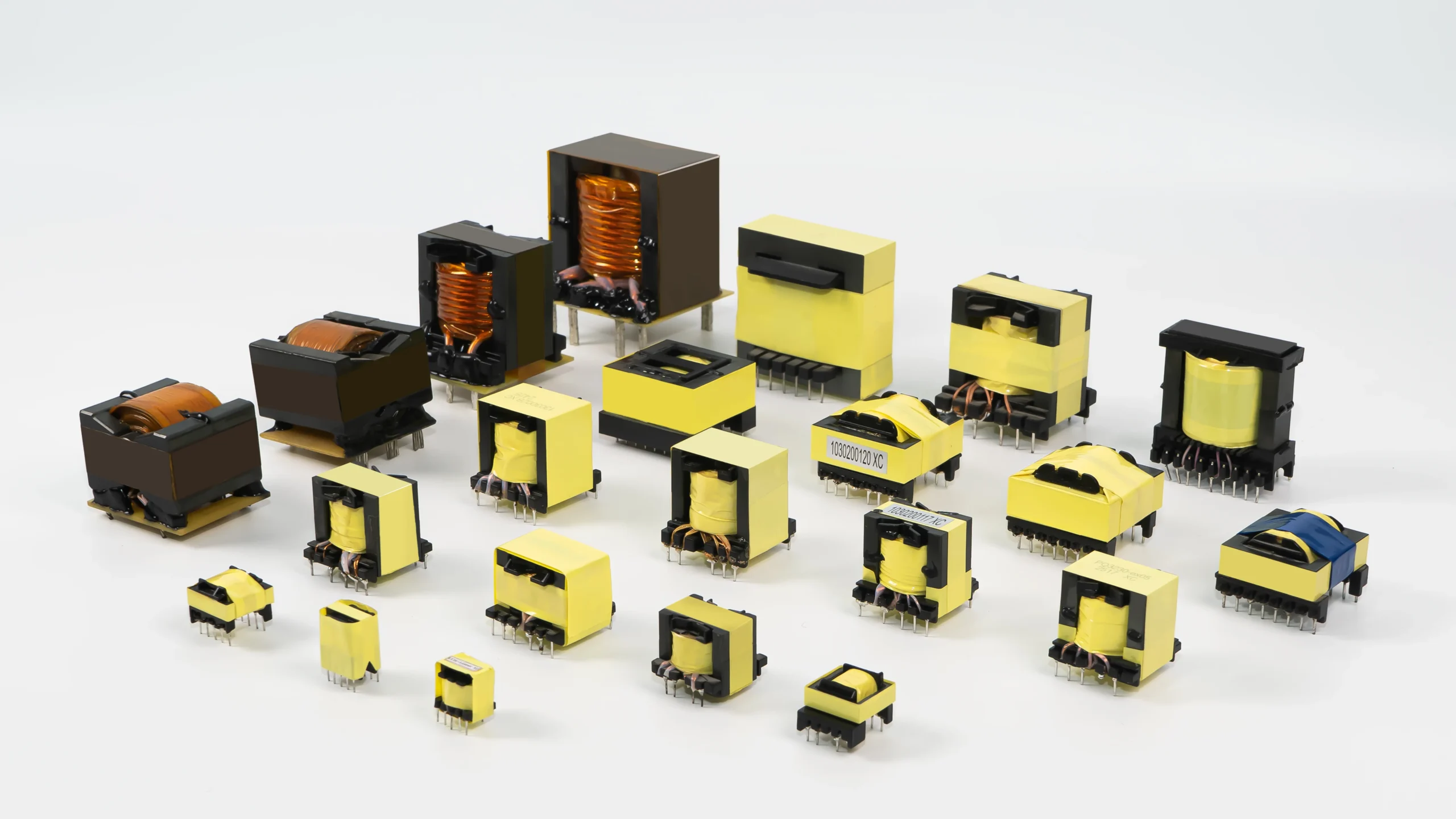
In simple terms, a switching power supply transformer is a specialized transformer used within switched-mode power supplies (SMPS) to convert electrical energy from one voltage to another efficiently. Unlike traditional transformers that operate at mains frequency (50/60 Hz), these transformers work at much higher frequencies — sometimes hundreds of kilohertz. This frequency shift allows for lighter, smaller transformers, which also run cooler and waste less energy.
Why does this matter? Well, these transformers enable everything from laptop chargers to industrial automation equipment to be compact and reliable. For humanitarian efforts, for instance, their lightweight nature means better transportability for portable power solutions in remote areas.
Switching transformers operate between tens of kHz up to MHz ranges, boosting efficiency but demanding precision engineering to avoid losses and electromagnetic interference.
Heat is the eternal enemy of electrical components. Quality switching transformers use sophisticated materials and designs to dissipate heat — a critical feature especially for continuous industrial applications.
Ferrite cores are a popular choice thanks to their high permeability and low eddy current losses at high frequencies. The core’s quality directly affects transformer size and performance.
The smaller the transformer without sacrificing performance, the better. Compactness enables integration into sleek consumer electronics or rugged field gear.
Compliance with international standards (ISO, IEC) ensures transformers meet rigorous electrical insulation, temperature, and durability requirements.
· Frequency and core material shape efficiency.
· Thermal design is critical for longevity.
· Compactness and safety drive usability across sectors.
From Silicon Valley startups to rural electrification projects, switching power supply transformers play a starring role. In industrial zones across Asia, they power automated machinery with high precision. In post-disaster relief, lightweight transformers enable quick set-up of temporary power grids, restoring electricity to hospitals and communication centers within hours.
Regions like sub-Saharan Africa and parts of Southeast Asia leverage these transformers to improve off-grid solar power systems, where inefficiency means the difference between reliable lighting and blackout. Even space programs use highly efficient switching transformers for satellites where power and weight constraints are painfully strict.
After cyclones hit coastal India, humanitarian teams used SMPS units featuring switching power supply transformers for rapid deployment of medical tents where reliable power was previously impossible. It’s a reminder that behind the scenes, transformer tech touches lives in profound ways.
· Cost Efficiency: Higher conversion efficiency reduces energy bills.
· Sustainability: Lower energy waste means less CO2 footprint.
· Reliability: Proper thermal management translates to longer service life and fewer outages.
· Safety: Compliant products minimize electrical hazards.
· Scalability: Designs can be tailored for anything from microelectronics to heavy industrial machines.
Emotionally, it’s reassuring that your power supply infrastructure is both up to date and eco-conscious, helping businesses build trust with their customers and communities. So much of sustainability feels abstract; here there’s a tangible piece of tech making a measurable difference.
The future is exciting. Magnetic materials with new nano-composites promise even lower losses, while smart transformers embedded with sensors aid predictive maintenance — diagnosing faults before they cause downtime. A push towards green energy integration encourages designs that marry switching transformers with solar inverters and electric vehicle chargers.
Digital manufacturing techniques enable rapid customization, meaning companies don’t have to rely on “one-size-fits-all” transformers anymore. Oddly enough, this might be a revolution in something as seemingly mundane as a transformer!
Despite progress, challenges remain. High-frequency noise can interfere with sensitive electronics — demanding strict EMI/EMC controls. Materials costs fluctuate, which can impact price stability. Moreover, compact designs often struggle with heat dissipation.
Solutions? Engineers increasingly use advanced computer modeling, improved materials, and modular designs that allow quick replacements or upgrades. Industry collaboration efforts also push for more standardized yet adaptable designs, preventing a fragmented market that can confuse buyers.
Specification | Typical Value | Unit |
Input Voltage | 85–265 | V AC |
Operating Frequency | 50–500 | kHz |
Power Output | 5–300 | W |
Efficiency | 85–95 | % |
Core Material | Ferrite | — |
Operating Temperature | -20 to +85 | °C |
Vendor | Product Range | Customization Options | Price Level | Typical Lead Time |
XCD Magnetic | 5W–300W, Custom Designs | High – Tailored specs & testing | Mid-Range | 2–4 weeks |
ABC Electrics | 10W–150W | Medium | Low | 4–6 weeks |
GlobalCore | 50W–500W | Low – Standard models | High | 1–3 weeks |
A switching transformer operates at much higher frequencies than traditional transformers, which use mains frequencies (50/60 Hz). This results in smaller size, lighter weight, and better efficiency — critical for modern electronics that demand compact power units.
Yes, although they are most common in low to medium power devices, specially designed switching transformers can handle higher power demands, provided they have proper thermal management and adhere to industrial-grade safety standards.
Noise and electromagnetic interference (EMI) can be challenges, as can heat dissipation in compact designs. Choosing quality materials and thorough testing helps mitigate these issues, ensuring reliable performance over time.
With proper design and cooling, these transformers can last upwards of 10 years. Factors include operating environment, load conditions, and quality of materials. Regular maintenance extends lifespan significantly.
Absolutely. Their high efficiency reduces wasted electricity, lowering carbon emissions. Furthermore, many manufacturers use recyclable materials and comply with environmental safety regulations to promote sustainability.
The humble switching power supply transformer may not grab headlines, but in the grand scheme, it’s a cornerstone of energy efficiency, innovation, and sustainability. For businesses, engineers, and humanitarian agencies, these transformers offer a trustworthy way to power products and people alike, supporting a future where every watt truly counts.
Interested in exploring the latest switching power supply transformers? Visit our website for detailed product offerings and consultation: https://www.xcdmagnetic.com
00001. International Energy Agency, Global Energy Review 2023
00002. United Nations Sustainable Development Goal 7: Affordable and Clean Energy