
Hit enter to search or ESC to close
25 February 2026
In the world of audio engineering, achieving optimal sound quality relies on meticulously managing the frequencies sent to different speaker drivers. This is where digital speaker crossovers play a vital role. These sophisticated circuits divide the audio signal into separate frequency bands, directing them to the appropriate drivers – woofers, mid-range, and tweeters – ensuring each handles the frequencies it's best suited for. This results in clearer, more accurate, and more powerful sound reproduction. Whether you're a seasoned audio professional or a dedicated audiophile, understanding digital speaker crossovers is essential for building a high-performance audio system. XCD Magnetic specializes in delivering superior quality components for crossover networks.
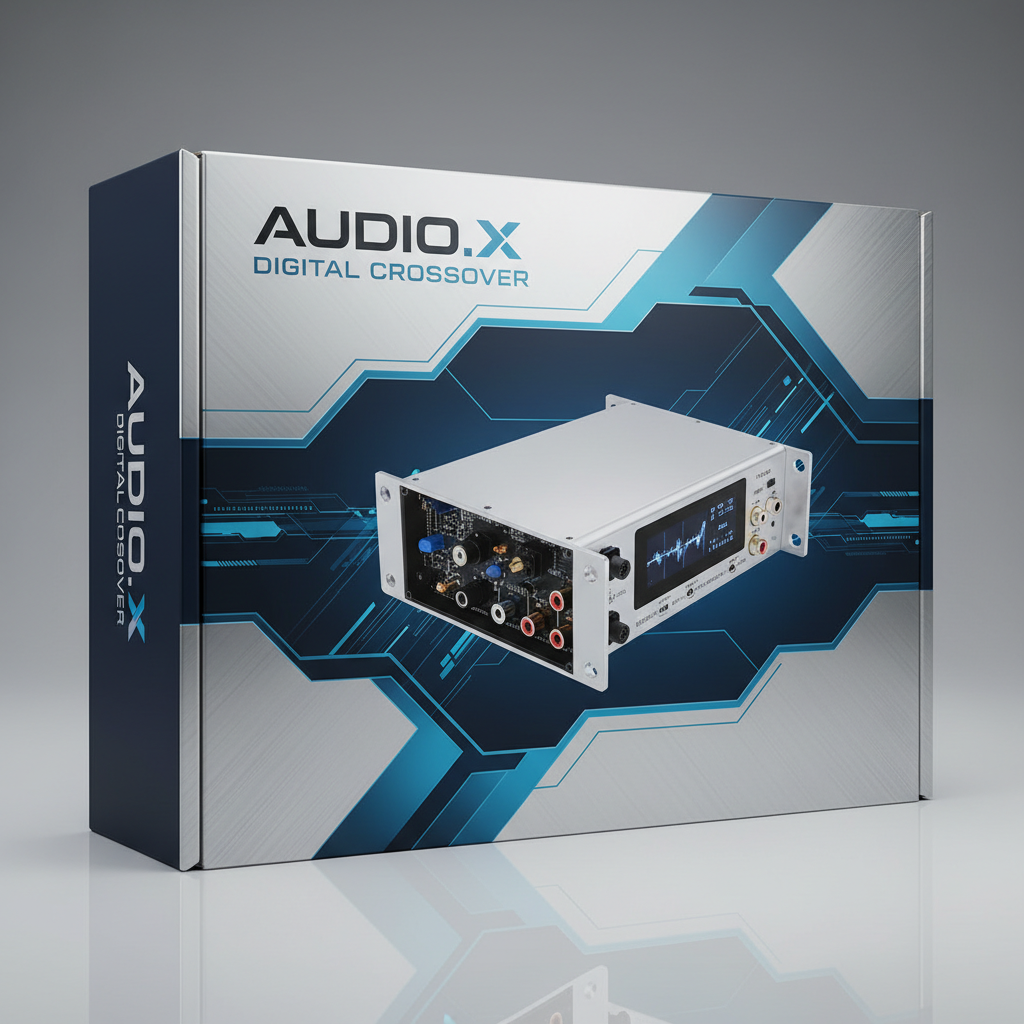
A digital speaker crossover is an electronic filter that separates the audio signal into different frequency ranges. Unlike passive crossovers which rely on passive components like capacitors, inductors, and resistors, digital crossovers utilize digital signal processing (DSP) to achieve precise and flexible filtering. This allows for steeper filter slopes, more accurate frequency division, and the ability to fine-tune parameters like crossover frequency, slope, and equalization. Digital crossovers offer significant advantages in terms of performance and customization compared to their passive counterparts.
Key Highlights: Digital crossovers utilize DSP for precise frequency division, steeper filter slopes, and customizable parameters like frequency, slope, and equalization.
Digital speaker crossovers come in several forms, each suited to different applications. These include:
The choice depends on the complexity of your system and the level of control you require. XCD Magnetic supplies the magnetic components crucial for high-performance DSP-based crossover designs.
Digital Crossover Types:
• Active Crossovers: Separate amplifiers for each band.
• DSP-Based Crossovers: Integrate crossover with equalization and more.
• Software-Based Crossovers: Plugins for DAWs.
Choosing between a digital and passive crossover depends on your specific needs. Here’s a comparison:
Digital speaker crossovers are utilized across a wide range of audio applications, including:
The growing demand for high-quality audio experiences is driving the adoption of digital crossover technology. XCD Magnetic provides the crucial magnetic components needed for advanced crossover designs.
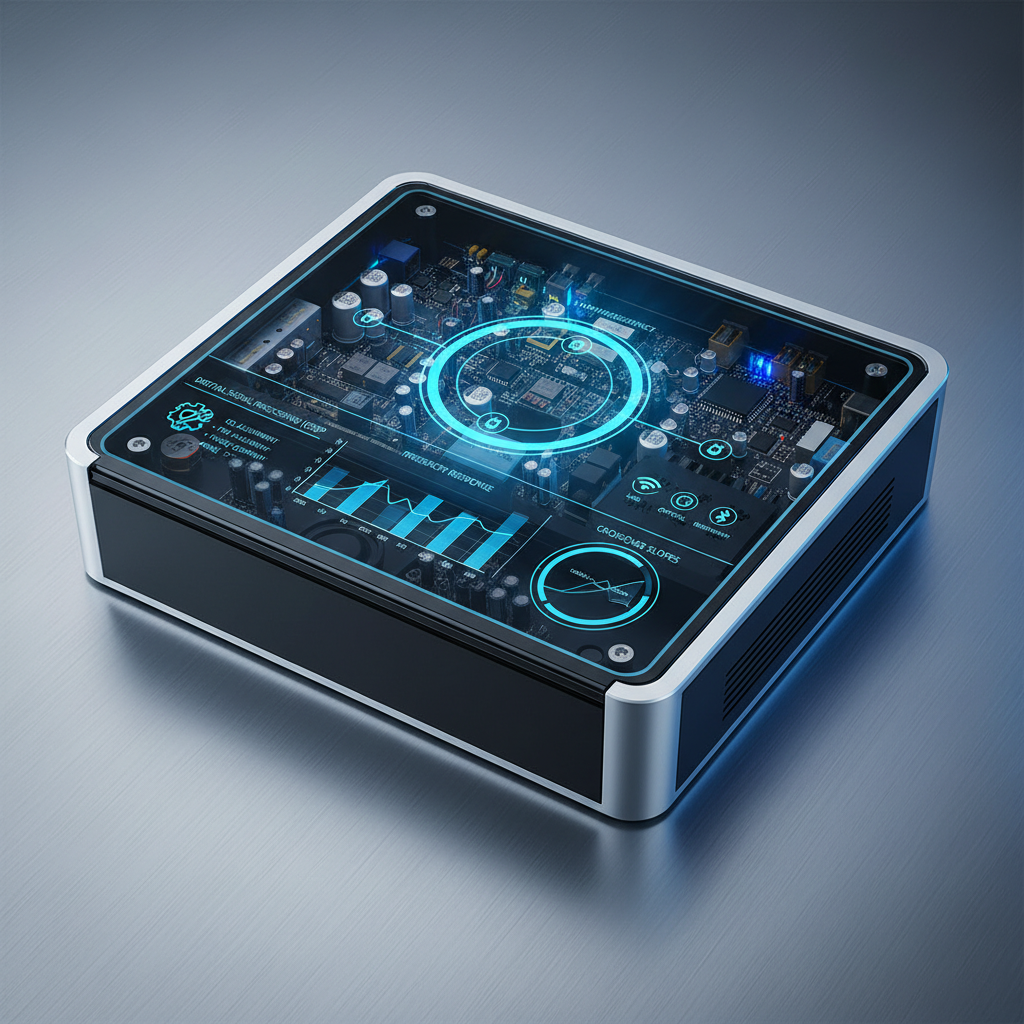
Selecting high-quality components is paramount for building a superior digital speaker crossover. Key components include operational amplifiers (op-amps), digital signal processors (DSPs), and, importantly, precision magnetic components. XCD Magnetic specializes in manufacturing high-performance magnetic cores and components designed for demanding audio applications. These components contribute to low distortion, high linearity, and overall sonic clarity. Investing in quality components ensures a reliable and high-performing crossover network.
Digital speaker crossovers represent a significant advancement in audio technology, offering unparalleled flexibility, performance, and control. As audio systems become increasingly sophisticated, the demand for digital crossovers will continue to grow. By understanding the principles of digital crossovers and choosing high-quality components, like those available from XCD Magnetic, you can unlock the full potential of your audio system and enjoy a truly immersive listening experience.
The ideal crossover frequency for a two-way speaker system typically falls between 2kHz and 3kHz, but this varies depending on the specific drivers used. The goal is to choose a frequency where the drivers' performance characteristics complement each other. Higher frequencies are generally better handled by the tweeter, while lower frequencies are best suited for the woofer. It’s crucial to consider the frequency response curves of your individual drivers to determine the optimal crossover point. Experimentation and listening tests are key to fine-tuning this parameter for the best sonic results.
The filter slope determines how quickly the signal is attenuated outside of the desired frequency band. Steeper slopes (e.g., 24dB/octave) provide better separation between drivers, reducing overlap and potential interference. However, very steep slopes can introduce phase distortion. A gentle slope (e.g., 12dB/octave) offers a smoother transition but may result in more overlap. The appropriate slope depends on the specific drivers and the desired sonic characteristics. Digital crossovers offer precise control over filter slopes, allowing for optimal tuning.
Phase distortion can be minimized by using linear-phase filters, which preserve the timing relationships between different frequencies. Digital crossovers often offer linear-phase filter options. Additionally, careful selection of crossover frequency and slope can help reduce phase issues. Time alignment, a feature commonly found in DSP-based crossovers, can further correct for phase discrepancies between drivers, ensuring that all frequencies arrive at the listener's ears simultaneously.
XCD Magnetic specializes in the design and manufacture of high-performance magnetic cores and components specifically tailored for audio applications, including speaker crossovers. They offer a wide range of materials and configurations to meet your specific requirements. Their components are known for their low distortion, high linearity, and overall sonic quality, crucial for achieving optimal crossover performance.