Understanding the Crossover in Subwoofers: Why It Matters More Than You Think
Having spent over a decade in the industrial equipment sector, I’ve seen a fair share of audio setups, from basic home theater rigs to complex commercial sound reinforcement. One component that often gets overlooked—yet is absolutely crucial—is the crossover in subwoofers. It’s a small circuit, but it’s what really shapes how the low frequencies blend into the rest of the sound spectrum. I remember testing a new subwoofer last year that had a poorly designed crossover; the bass felt disconnected, like it was coming from somewhere else in the room. That stuck with me because a proper crossover just ties the whole system together.
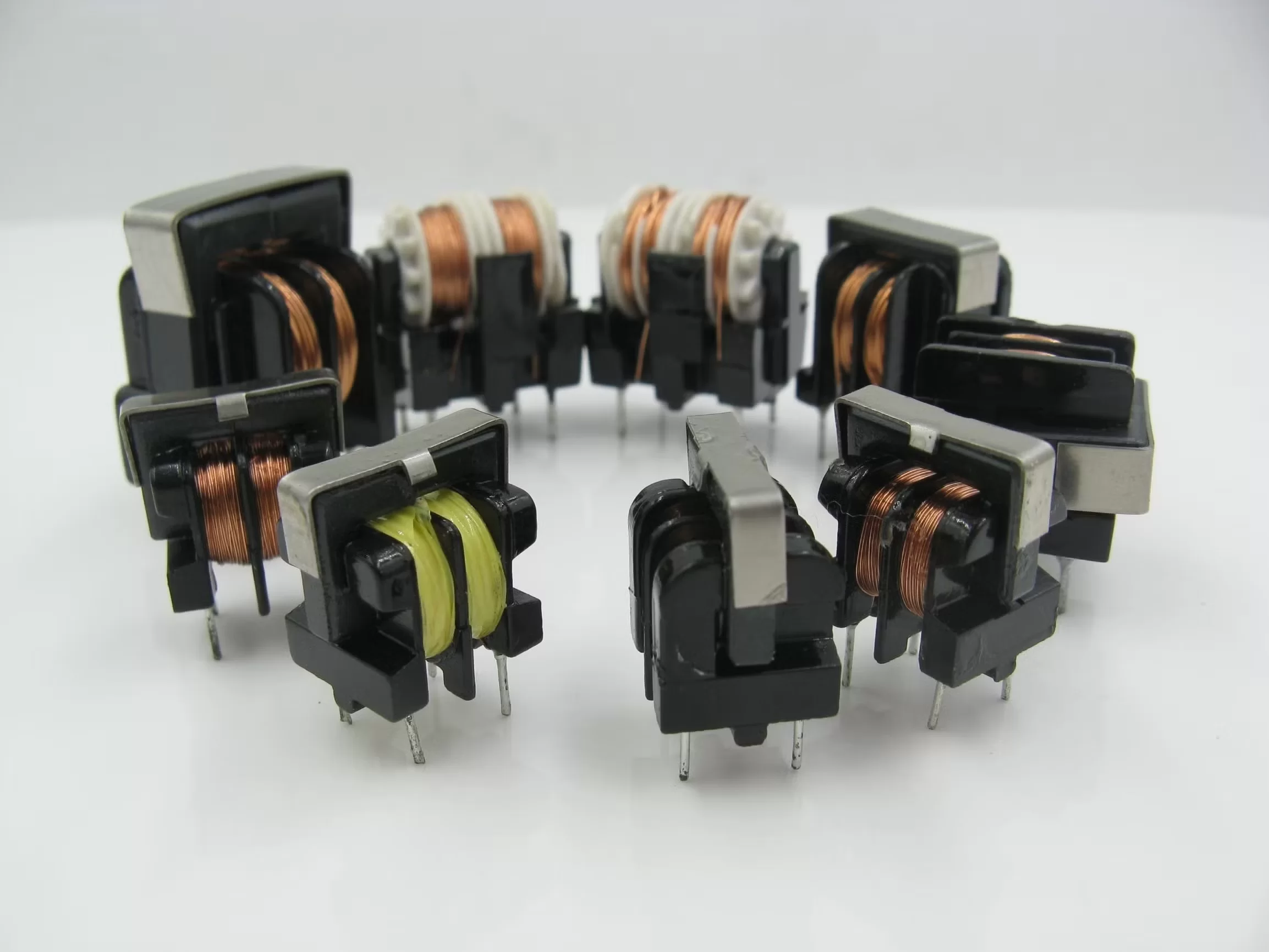
So what is a crossover exactly? Put simply, it’s an electronic filter. It divides the audio signal so that only frequencies below a certain point reach the subwoofer. This prevents muddiness and distortion that happen when the sub tries to play sounds it wasn’t built for (like mid or high frequency content). But crossovers aren’t all the same, and the devil’s in the details—types, slopes, and design impact performance significantly.
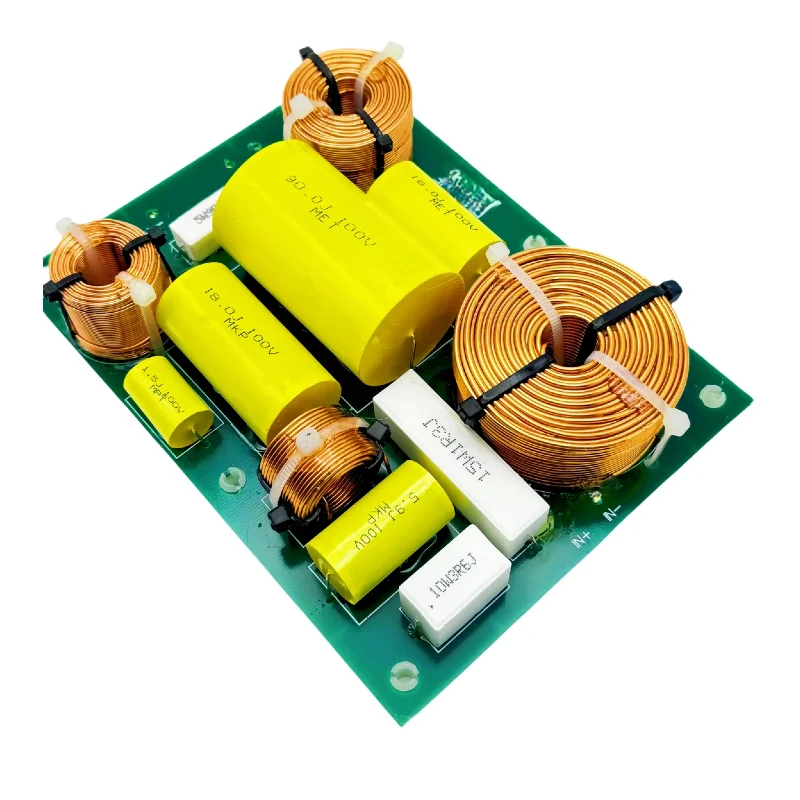
In real terms, choosing whether your subwoofer uses a passive or active crossover depends on your system and preferences. Passive crossovers are usually built into the speaker and rely on components like capacitors and inductors. Active ones are separate circuits, sometimes digital, offering more precision and customization. Many engineers—ones I’ve talked to at trade shows—swear by active crossovers, especially for professional audio rigs, because they allow for fine-tuning the cutoff frequency and slope steepness to fit the environment.
Looking back, one of my favorite project setups involved a subwoofer built around high-quality magnetic materials for the motor structure. The crossover in subwoofers using such components often exhibit better thermal stability and lower distortion, which results in cleaner, punchier bass. Oddly enough, you can almost hear the difference when you switch from a generic to a well-engineered crossover system. The sub just locks in better with the main speakers.
Typical Subwoofer Crossover Specifications
| Parameter |
Typical Range |
Description |
| Crossover Frequency |
50 Hz – 150 Hz |
Frequency at which audio divides |
| Slope |
12 dB/oct to 48 dB/oct |
Steepness of frequency roll-off |
| Type |
Passive or Active |
Circuit design choice |
| Impedance |
4–8 Ω |
Electrical load matching speaker specs |
| Power Handling |
100 W – 1000 W |
Maximum output without distortion |
Now, I’ve often been asked how to pick the right subwoofer crossover vendor. Frankly, it can be a maze. Different companies emphasize various aspects: price, sophistication of circuitry, customization options, or component quality. From my experience, reliability and customer support count just as much as specs, especially if you need to tweak your system or source replacement parts down the line.
Vendor Comparison: Subwoofer Crossovers
| Vendor |
Product Range |
Price Level |
Customization |
Support & Warranty |
| XCD Magnetic |
Wide (active/passive) |
Mid-High |
High – tailored solutions |
Strong, responsive service |
| GenericAudio |
Limited |
Low |
Low |
Minimal |
| ProSoundTech |
Extensive (digital crossovers) |
High |
High |
Excellent |
Here's a little anecdote: a client once called me in a real panic because their live event sound was “boomy” and unintelligible. On checking the setup, the culprit was a mismatched crossover frequency—subwoofer playing too high, mains not blending correctly. After adjusting it, everything smoothed out. That scenario happens more often than you'd think, especially when folks buy equipment piecemeal without attention to crossover settings.
To sum it up, investing time in understanding and selecting the right crossover for your subwoofer is definitely worth it. You don't just get better sound; you get a system that behaves predictably and lasts longer. And frankly, isn't that what we all want?
References:
- “Speaker Crossover Network Design,” Technical Journal of Audio Engineering, 2022.
- Industrial Audio Setup Case Studies, Sound Engineering Weekly, 2023.
- Interviews with professional audio engineers, Pro Audio Expo, 2023.
– From my experience, good bass crossover design is truly the unsung hero of any great sound system.