
Hit enter to search or ESC to close
2 February 2026
Crossover loudspeakers are essential components in high-fidelity audio systems, responsible for dividing the audio signal into different frequency ranges and directing them to the appropriate drivers (woofers, tweeters, etc.). This ensures each driver operates within its optimal range, resulting in clearer, more accurate sound reproduction. This article will explore the function, types, design considerations, and importance of crossover loudspeakers, providing a detailed overview for audiophiles, audio engineers, and anyone seeking to improve their audio experience. Choosing the right crossover is critical to achieving exceptional sound quality and maximizing the performance of your speakers.
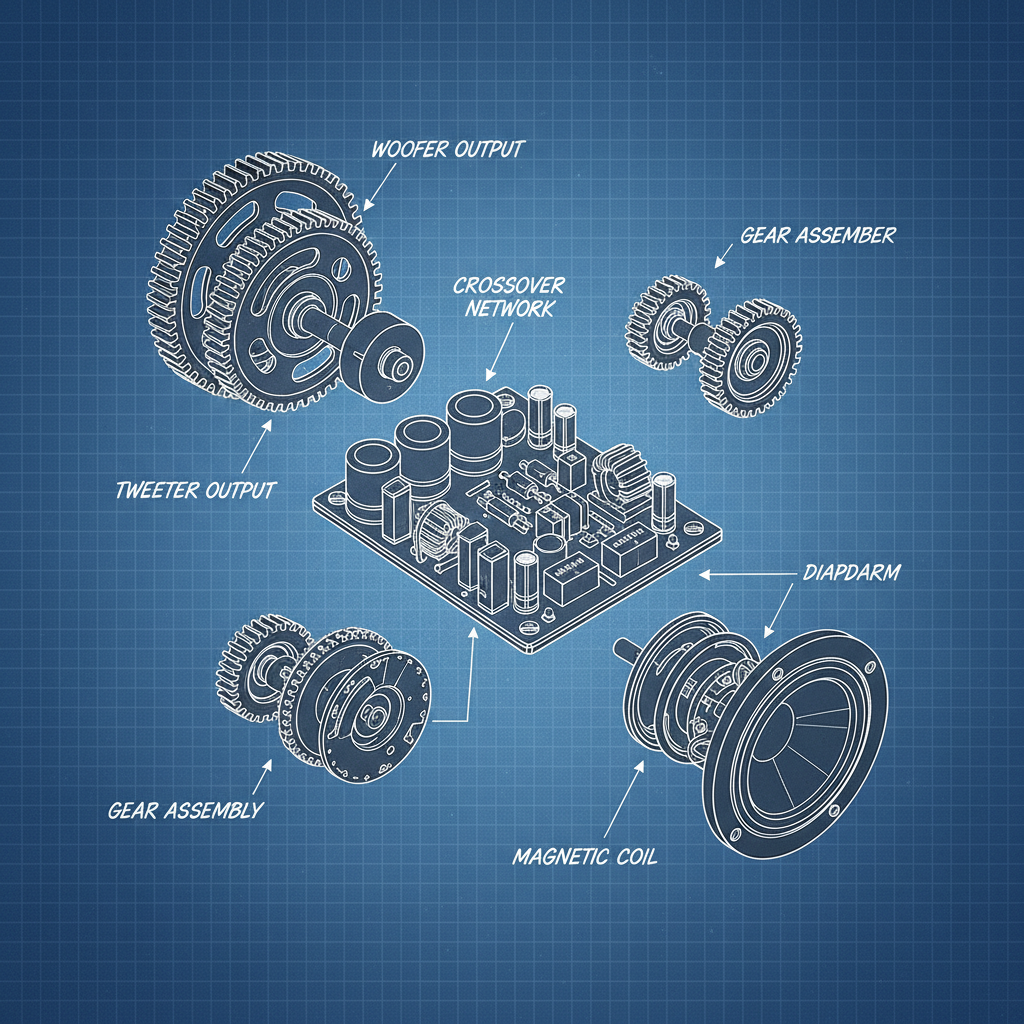
Simply put, a crossover network is an electronic circuit that separates the incoming audio signal into different frequency bands. Each band is then sent to a specific driver designed to reproduce those frequencies effectively. Woofers handle low frequencies, tweeters manage high frequencies, and midrange drivers cover the middle spectrum. Without a crossover, all frequencies would be sent to each driver, leading to distortion, inefficiency, and ultimately, poor sound quality. The crossover prevents damage to sensitive drivers by blocking frequencies they aren’t designed to handle. XCD Magnetic specializes in high-quality components used in these critical crossover networks.
Key Benefits: Improved sound clarity, increased driver efficiency, prevents driver damage, and enhances overall audio performance.
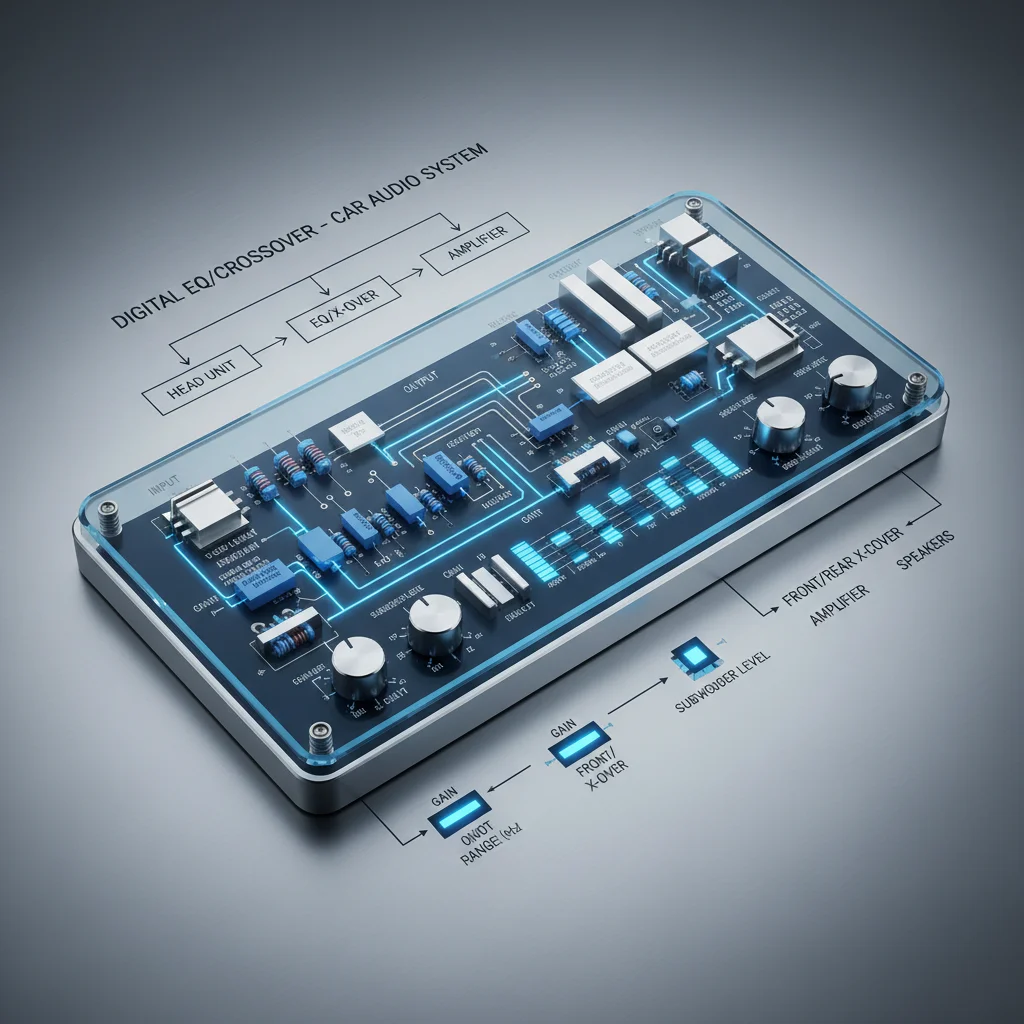
There are several types of crossover networks, each with its own characteristics and applications. The main categories are passive and active crossovers. Passive crossovers are the most common and are located within the speaker cabinet. They consist of inductors, capacitors, and resistors, and require no external power. Active crossovers, on the other hand, utilize electronic circuitry and require an external power source. They are often used in professional audio systems and allow for more precise control over the frequency response.
Crossover Type Comparison:
• Passive Crossovers: Simple, cost-effective, no external power required.
• Active Crossovers: Precise control, higher cost, requires external power.
Designing an effective crossover network involves careful consideration of several factors. The frequency response of the drivers, the impedance of the speakers, and the desired sonic characteristics all play a crucial role. The crossover frequency (the point where the signal is split) must be chosen carefully to ensure a smooth transition between drivers and avoid phase issues. The slope of the crossover (measured in dB/octave) determines how quickly the frequencies are attenuated above or below the crossover frequency. Higher slopes provide steeper attenuation but can introduce phase distortion.
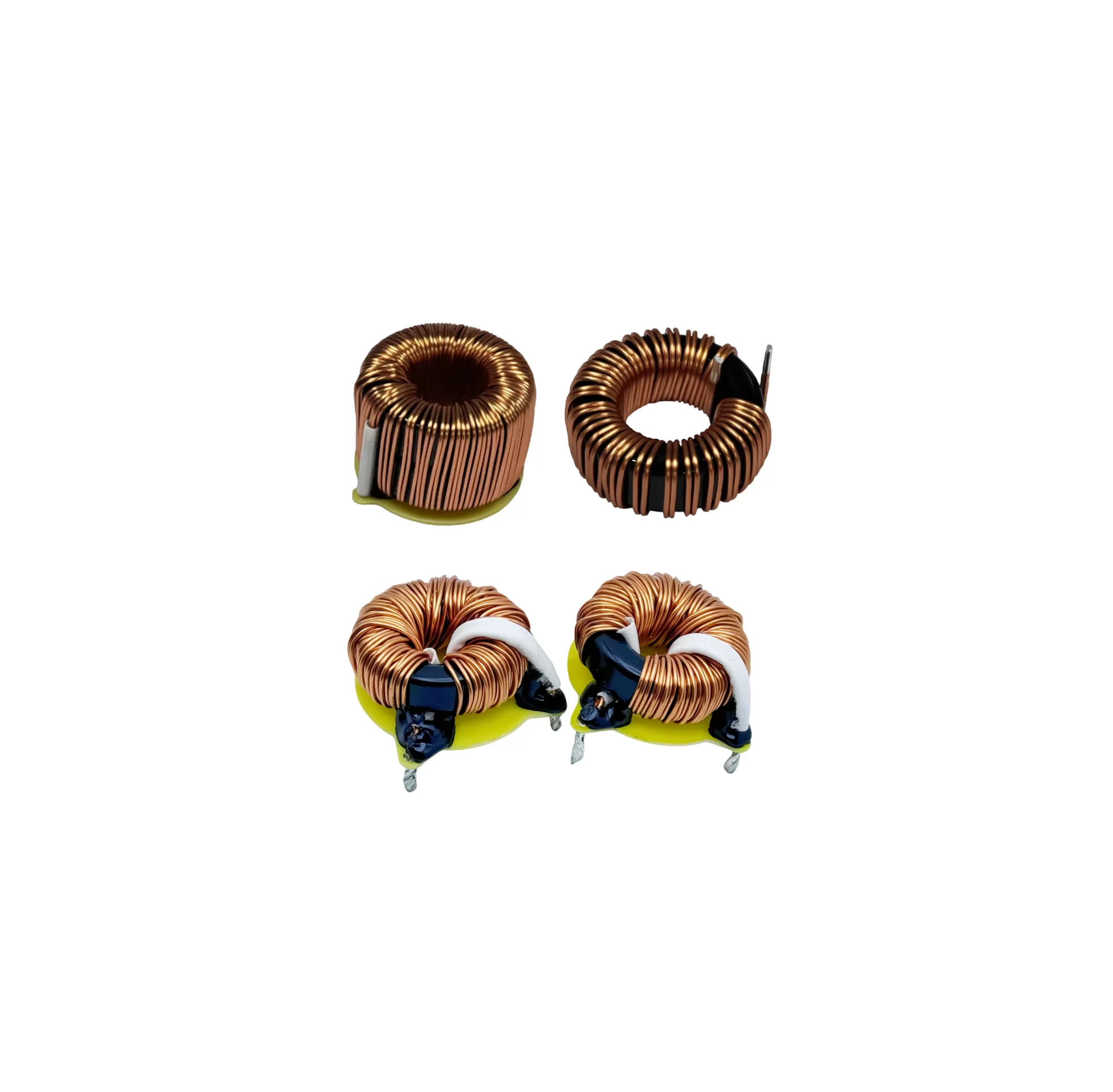
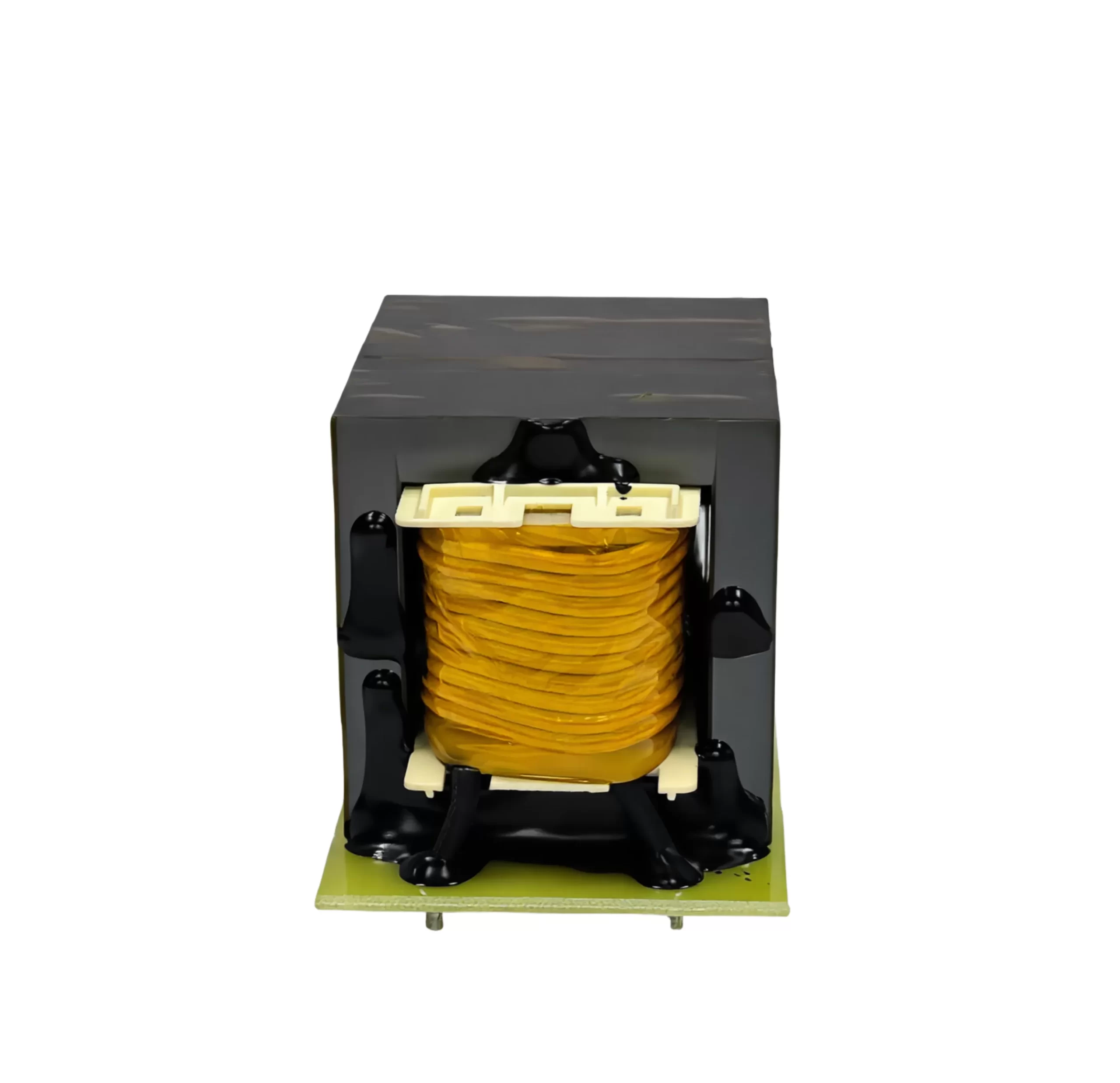
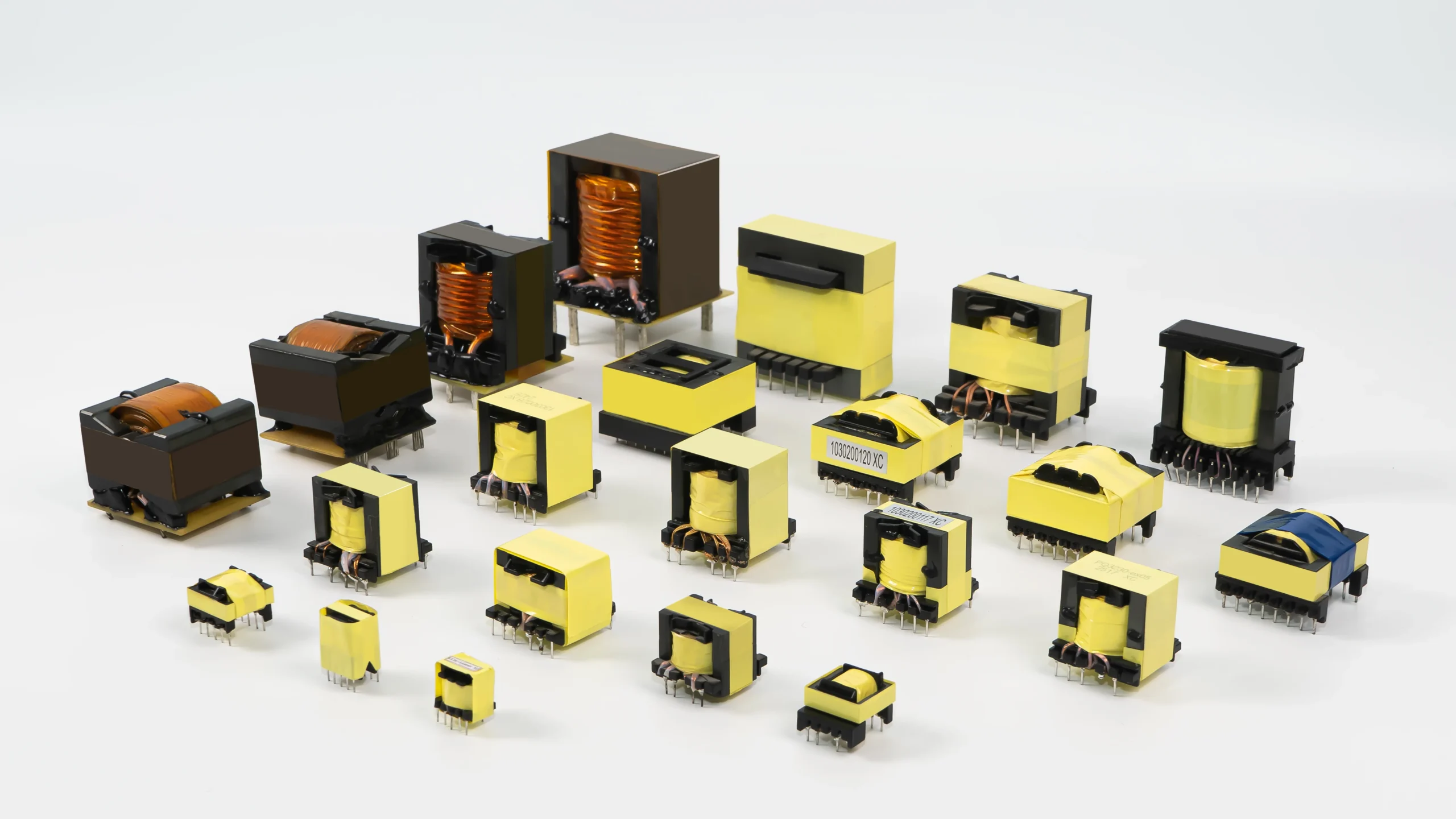
The quality of the components used in a crossover loudspeaker significantly impacts its performance. High-quality inductors, capacitors, and resistors minimize distortion, improve signal clarity, and ensure accurate frequency response. Using inferior components can introduce unwanted noise, reduce efficiency, and ultimately compromise the sound quality. Investing in premium components, such as those offered by XCD Magnetic, is crucial for achieving optimal results.
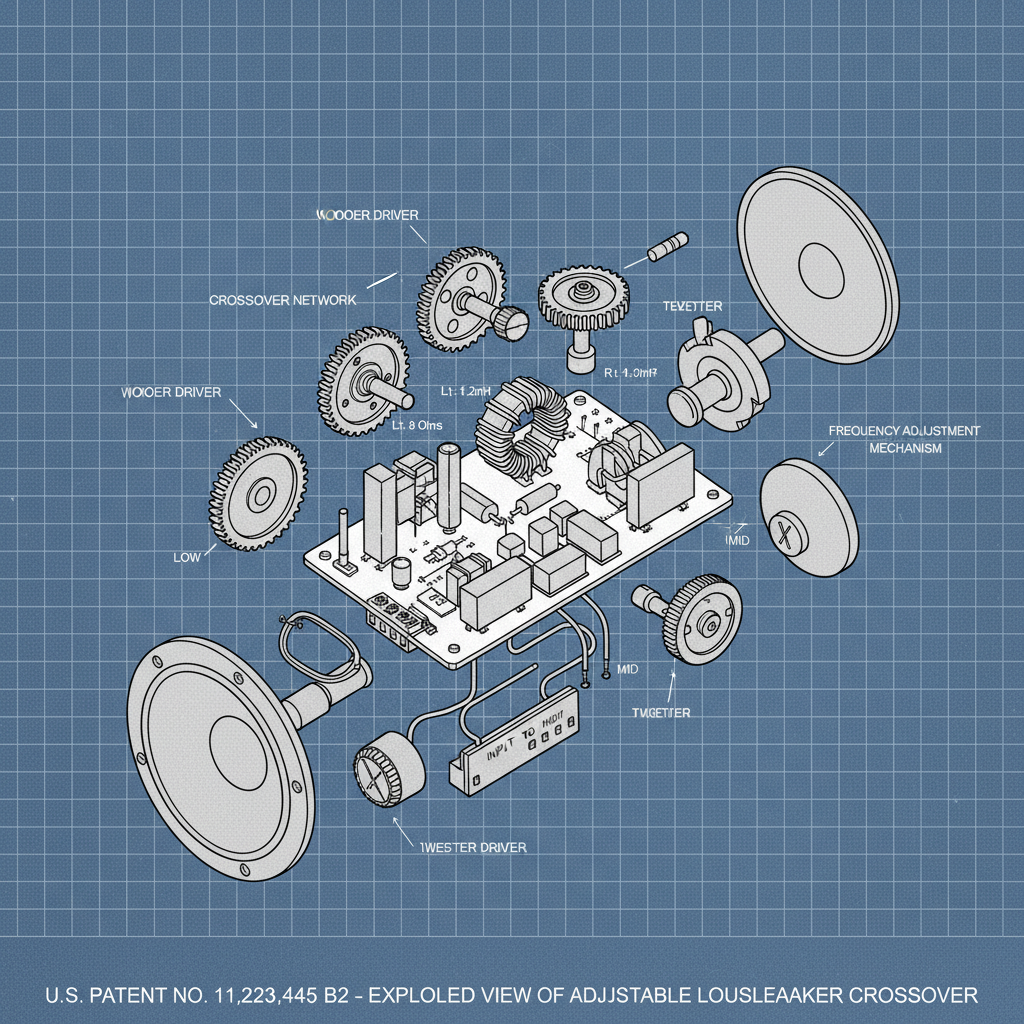
Choosing the right crossover depends on your specific application and sonic preferences. Consider the characteristics of your drivers, the desired sound signature, and your budget. For DIY speaker projects, carefully calculate component values based on driver specifications. For pre-built speakers, research the crossover design and component quality to ensure it meets your standards. Properly selecting and implementing a crossover network is a critical step in building a high-performance audio system.
Understanding the principles of crossover loudspeaker design and component selection is essential for achieving superior audio performance. By choosing the right crossover network and utilizing high-quality components from trusted suppliers like XCD Magnetic, you can unlock the full potential of your speakers and enjoy a truly immersive listening experience.
Inductor quality significantly affects crossover performance. Higher-quality inductors offer lower DC resistance, minimizing signal loss and distortion. They also exhibit better linearity, ensuring a more accurate frequency response. Air-core inductors generally offer superior performance compared to iron-core inductors but are often larger and more expensive. When selecting inductors, consider the core material, wire gauge, and DC resistance to optimize performance.
Calculating the correct crossover frequency requires considering the frequency response of each driver. A common approach is to choose a frequency where the drivers' sensitivity curves intersect. You can use speaker design software or online calculators to assist with this process. Additionally, consider the drivers' power handling capabilities and desired sound balance. Experimentation and careful listening tests are often necessary to fine-tune the crossover frequency for optimal results.
Active crossovers offer several advantages over passive crossovers, including greater precision, flexibility, and control. They allow for independent control of each driver's gain and equalization, resulting in a more tailored sound. Active crossovers also eliminate the insertion loss associated with passive components. However, they require external amplification for each driver, increasing system complexity and cost.
Phase issues can arise from the inherent characteristics of crossover components and the acoustic properties of the drivers. To minimize these issues, use high-quality components, carefully select the crossover frequency and slope, and consider using phase correction circuitry. Proper driver placement and cabinet design can also help reduce phase anomalies. Measuring the phase response of the system and making adjustments based on the results is crucial for achieving optimal performance.