Selecting Reliable High Voltage Transformer Suppliers for Global Energy Needs
0%

Table of Contents

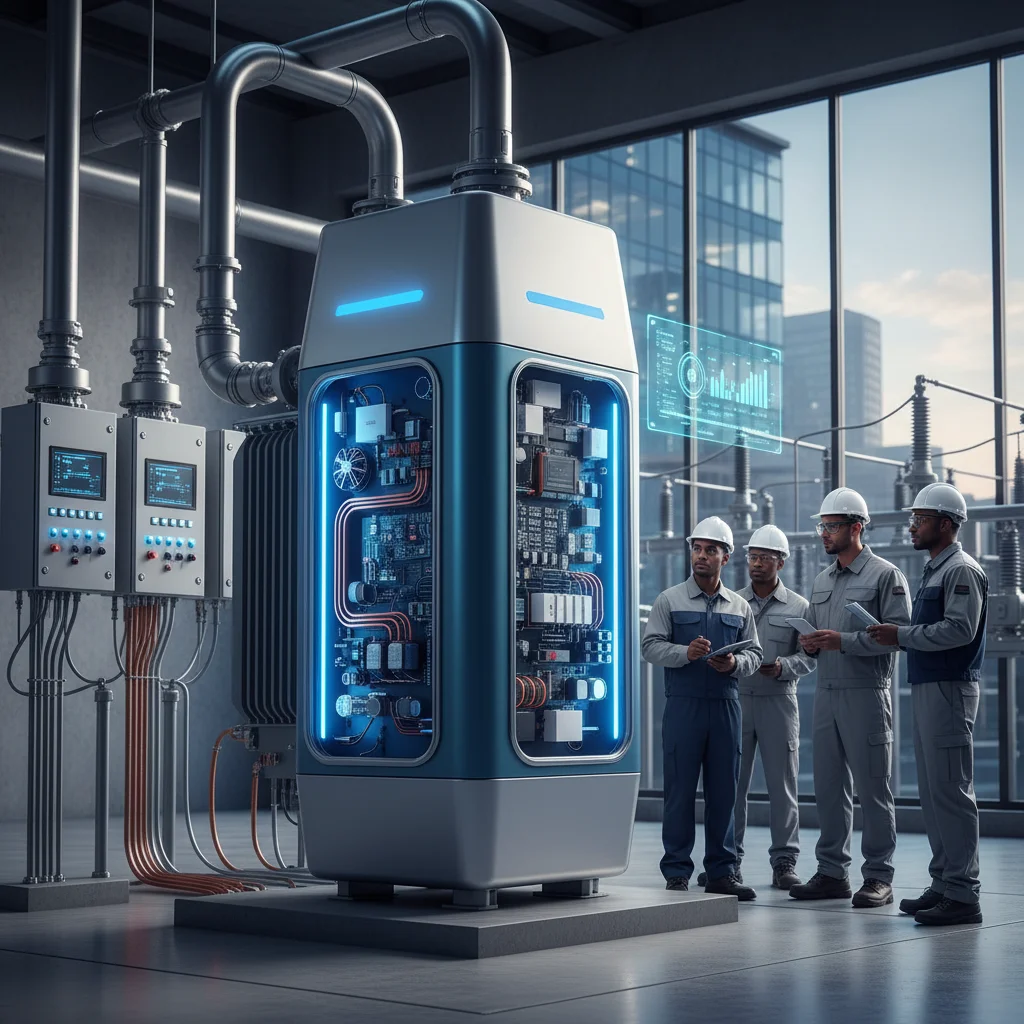
High voltage transformer suppliers are critical components in the global energy infrastructure, enabling the efficient and reliable transmission of electricity over long distances. Their significance extends to a diverse range of industries, from power generation and distribution to manufacturing and transportation. The demand for these specialized transformers is continuously growing, driven by factors such as increasing energy consumption, the expansion of renewable energy sources, and the modernization of aging grid infrastructure. Understanding the intricacies of sourcing from reliable high voltage transformer suppliers is therefore paramount for ensuring stable and sustainable power systems worldwide.

The selection of appropriate high voltage transformers impacts overall system performance, safety, and longevity. Challenges in this field include meeting stringent quality standards, managing lead times, and navigating complex logistical requirements. A robust supply chain is essential to mitigate risks and ensure project timelines are met. Effective collaboration with high voltage transformer suppliers is increasingly focused on customization, incorporating advanced technologies for monitoring and control, and adhering to environmentally conscious practices.

Ultimately, access to high-quality, competitively priced high voltage transformers is a foundational element for economic growth and societal progress. This requires a deep understanding of the supplier landscape and the ability to forge lasting partnerships with trusted manufacturers.

high voltage transformer suppliers

The Core Role of high voltage transformer suppliers

high voltage transformer suppliers

The role of high voltage transformer suppliers extends beyond simply providing a product; they are integral partners in ensuring the reliable operation of power grids and industrial facilities. These suppliers often offer comprehensive services including design assistance, testing, installation support, and ongoing maintenance. A strong supplier relationship translates into customized solutions tailored to specific project requirements, optimizing performance and minimizing potential downtime.

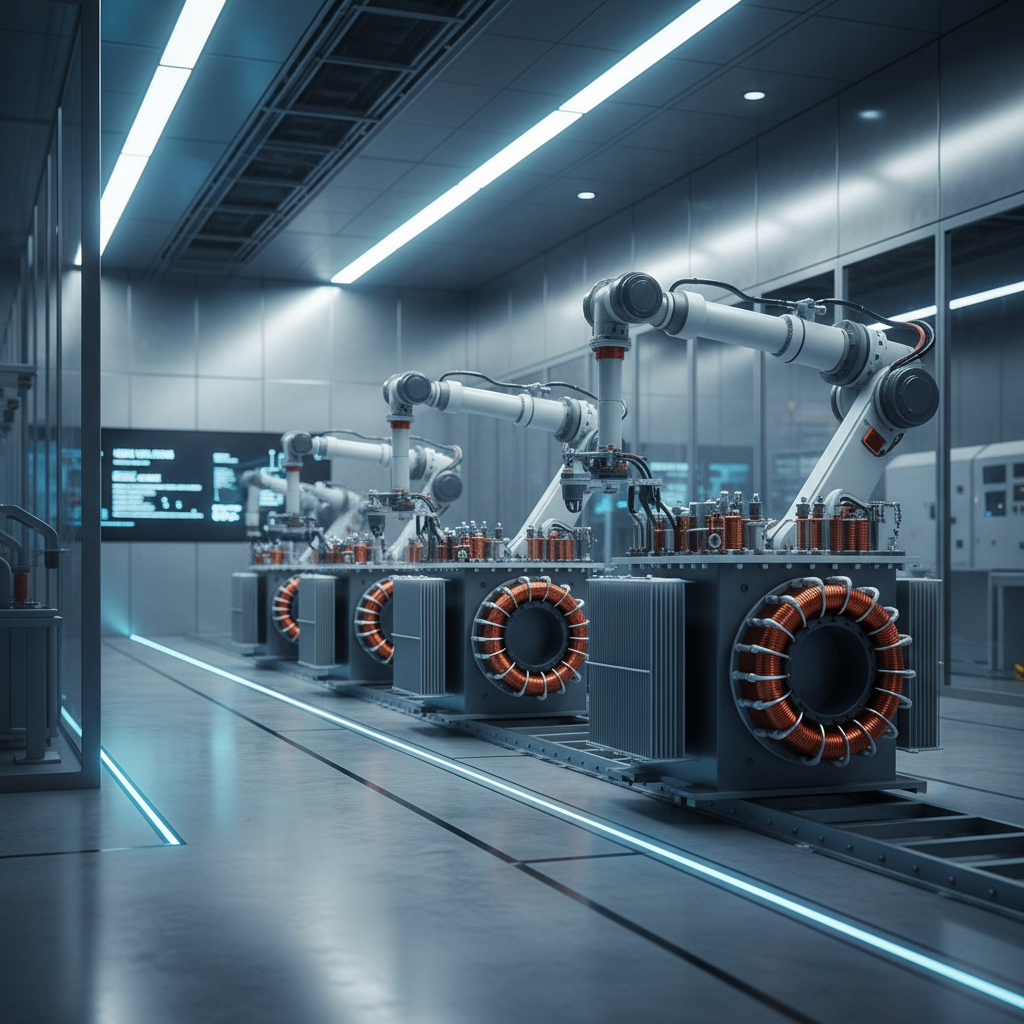
Effective high voltage transformer suppliers prioritize quality control, adherence to international standards (like IEC and IEEE), and a commitment to innovation. They actively invest in research and development to improve transformer efficiency, reduce environmental impact, and enhance grid stability, contributing to the overall sustainability of the energy sector.

Defining High Voltage Transformer Suppliers

High voltage transformer suppliers specialize in the manufacturing, distribution, and servicing of transformers designed to operate at voltage levels typically exceeding 33kV. These transformers step up or step down voltage for efficient long-distance transmission and local distribution. Suppliers range from large multinational corporations to smaller, specialized manufacturers focusing on niche applications.

The key distinction of these suppliers lies in their expertise in handling the complexities of high voltage equipment, including insulation design, core materials, cooling systems, and safety protocols. They must demonstrate a thorough understanding of grid regulations and the specific needs of various industrial sectors.

Choosing the right high voltage transformer suppliers is vital for modernizing the electricity grid. They provide the necessary equipment for integrating renewable energy sources, enhancing grid resilience, and improving overall power quality.

Key Factors in Selecting Suppliers

When evaluating potential high voltage transformer suppliers, several crucial factors must be considered. First and foremost is their proven track record of delivering high-quality, reliable transformers that meet or exceed industry standards. Certifications like ISO 9001 are important indicators of a robust quality management system.

Secondly, the supplier's manufacturing capabilities and capacity are essential. Can they meet your project’s timeline and volume requirements? Do they have the resources to handle customization requests and adapt to changing specifications? Thirdly, the supplier's financial stability and long-term viability are critical for ensuring ongoing support and warranty coverage.

Finally, consider the supplier's commitment to customer service, technical support, and after-sales maintenance. A responsive and knowledgeable support team can be invaluable in resolving issues and optimizing transformer performance throughout its lifecycle.

Performance Metrics of High Voltage Transformers

Assessing the performance of high voltage transformers involves considering a range of key metrics. Efficiency is paramount, as transformers are inherently lossy devices. Suppliers should provide detailed efficiency ratings at various load levels. Another crucial metric is impedance, which affects short-circuit current levels and system stability.

The transformer’s temperature rise is a critical indicator of its cooling system’s effectiveness. Suppliers should provide temperature rise curves demonstrating performance under different loading conditions. Dielectric strength is also vital, ensuring the transformer can withstand voltage stresses without breakdown.

Transformer Performance Metrics Comparison

Global Applications and Industry Sectors

High voltage transformers are essential in numerous sectors globally. Power generation facilities, including conventional power plants and renewable energy farms, rely on these transformers to step up voltage for efficient transmission across long distances. Transmission utilities utilize them to interconnect different parts of the grid and maintain voltage stability.

In industrial applications, high voltage transformers are vital for providing reliable power to large manufacturing plants, mining operations, and data centers. Oil and gas companies employ them in offshore platforms and pipeline infrastructure. Remote industrial zones often depend on specialized transformers to ensure a consistent power supply.

Advantages and Long-Term Value Proposition

Investing in high-quality transformers from reputable high voltage transformer suppliers delivers significant long-term advantages. Reduced energy losses translate into lower operating costs and a smaller carbon footprint. Increased reliability minimizes downtime and production disruptions.

Furthermore, choosing transformers designed for longevity extends their service life, reducing the need for frequent replacements. This contributes to a more sustainable and cost-effective operation over the transformer’s entire lifecycle. The overall value proposition extends to enhanced safety, improved grid stability, and a greater ability to integrate renewable energy sources.

Future Trends and Innovations in Supply

The landscape of high voltage transformer suppliers is evolving rapidly, driven by several key trends. The increasing adoption of smart grid technologies is demanding transformers with advanced monitoring and control capabilities, enabling real-time data analysis and predictive maintenance.

The use of environmentally friendly materials and designs is gaining momentum, with suppliers exploring alternatives to traditional mineral oil for insulation, such as natural esters. Digitalization and automation are streamlining manufacturing processes and improving quality control. The integration of artificial intelligence (AI) is enabling more efficient transformer operation and optimizing grid performance.

Sustainability concerns are pushing suppliers to adopt circular economy principles, focusing on transformer refurbishment, recycling, and reducing waste throughout the supply chain.

FAQS

What factors should I consider when choosing between different high voltage transformer suppliers?

When selecting a high voltage transformer supplier, prioritize factors like their experience, certifications (ISO 9001, etc.), manufacturing capabilities, financial stability, and customer support. Assess their ability to meet your specific project requirements, including customization options, lead times, and adherence to industry standards. Also, consider their track record for quality, reliability, and after-sales service. A long-term partnership with a reputable supplier is crucial.

How long does it typically take to receive a custom-built high voltage transformer?

The lead time for a custom-built high voltage transformer can vary significantly depending on the complexity of the design, the supplier's workload, and the availability of materials. Typically, lead times range from 6 to 18 months. It's crucial to engage with suppliers early in the project planning phase to establish realistic timelines and coordinate production schedules. Clear communication and regular updates are essential throughout the process.

What maintenance is required for high voltage transformers?

Regular maintenance is critical for ensuring the long-term reliability of high voltage transformers. This includes periodic oil analysis to check for contamination and degradation, inspection of bushings and tap changers, cleaning of cooling systems, and thermal imaging to identify hotspots. A preventive maintenance program, guided by the manufacturer's recommendations, can significantly extend the transformer’s lifespan and prevent costly failures.

Are there environmentally friendly alternatives to traditional mineral oil insulation?

Yes, several environmentally friendly alternatives to traditional mineral oil are available for insulating high voltage transformers. Natural esters, synthetic esters, and silicone oil are gaining popularity due to their biodegradability, reduced flammability, and lower environmental impact. However, each alternative has its own characteristics and suitability depending on the application and operating conditions.

What are the typical warranty terms offered by high voltage transformer suppliers?

Warranty terms for high voltage transformers typically range from 12 to 24 months from the date of commissioning, covering defects in materials and workmanship. Some suppliers offer extended warranties for an additional fee. Warranty coverage often includes repair or replacement of defective components, but may not cover damage caused by improper installation, operation, or maintenance. Carefully review the warranty terms before making a purchase.

How do smart grid technologies impact the requirements for high voltage transformers?

Smart grid technologies necessitate transformers with enhanced monitoring, communication, and control capabilities. This includes features like online oil monitoring, remote tap changing, and integration with SCADA systems. Smart transformers also play a crucial role in enabling advanced grid functionalities like voltage regulation, fault detection, and dynamic load balancing. Suppliers are increasingly offering transformers equipped with these advanced features to support the evolution of smart grids.

Conclusion

In conclusion, selecting the right high voltage transformer suppliers is a pivotal decision with far-reaching implications for the reliability, efficiency, and sustainability of power systems. By carefully considering factors such as quality, manufacturing capabilities, technical support, and long-term value, organizations can ensure they secure a partnership that supports their operational goals and contributes to a more resilient energy infrastructure.

Looking ahead, the industry will continue to evolve, driven by innovations in materials, digitalization, and environmental consciousness. Proactive engagement with suppliers, coupled with a commitment to adopting best practices, will be essential for navigating these changes and harnessing the full potential of high voltage transformer technology. Visit our website at www.xcdmagnetic.com to learn more about our high voltage transformer solutions.

David Rodriguez

David Rodriguez

David Rodriguez is a seasoned R&D Engineer at Xinchangda, specializing in inductor design and optimization. He has been with the company for 5 years, contributing significantly to advancements in high-efficiency, low-power consumption inductor components. David’s work focuses on improving core material performance and increasing power density. He’s a key member of the 10-person R&D team, actively involved in developing customized solutions for clients in the audio, medical, and new energy sectors. David frequently collaborates with clients to understand their specific needs and deliver innovative magnetic component designs. He holds a PhD in Physics.
Previous Essential Guide to Selecting a Reliable Control Transformer Supplier
Next Expert Isolation Transformer Suppliers for Safe and Reliable Power Solutions

If you are interested in our products, you can choose to leave your information here, and we will be in touch with you shortly.