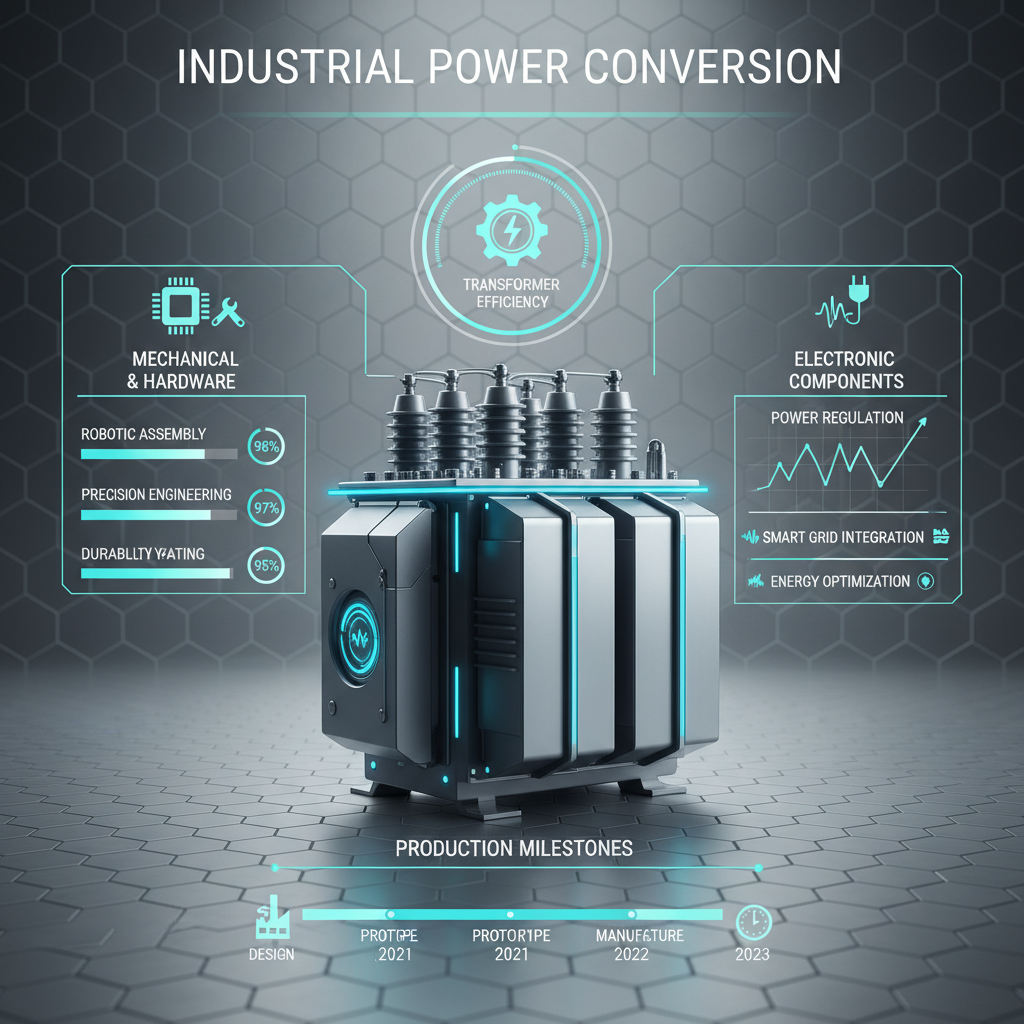
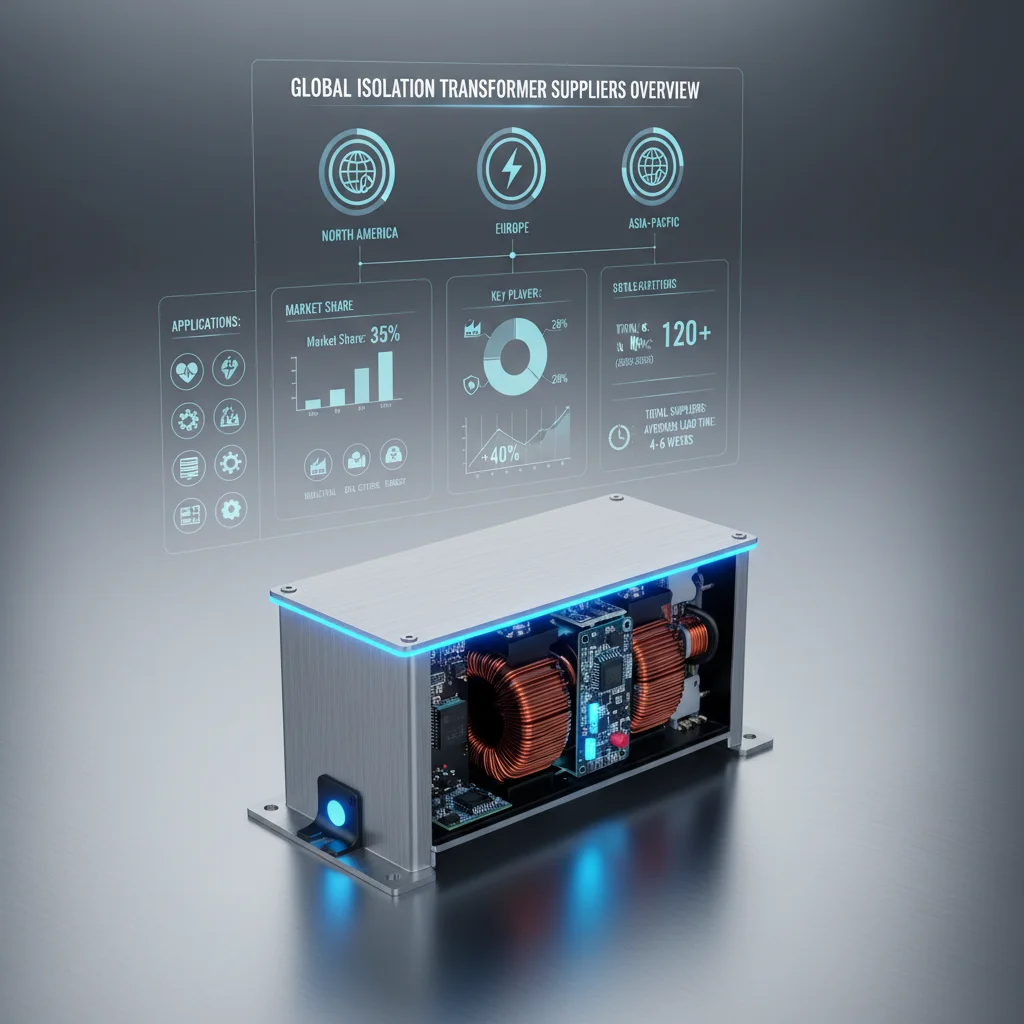
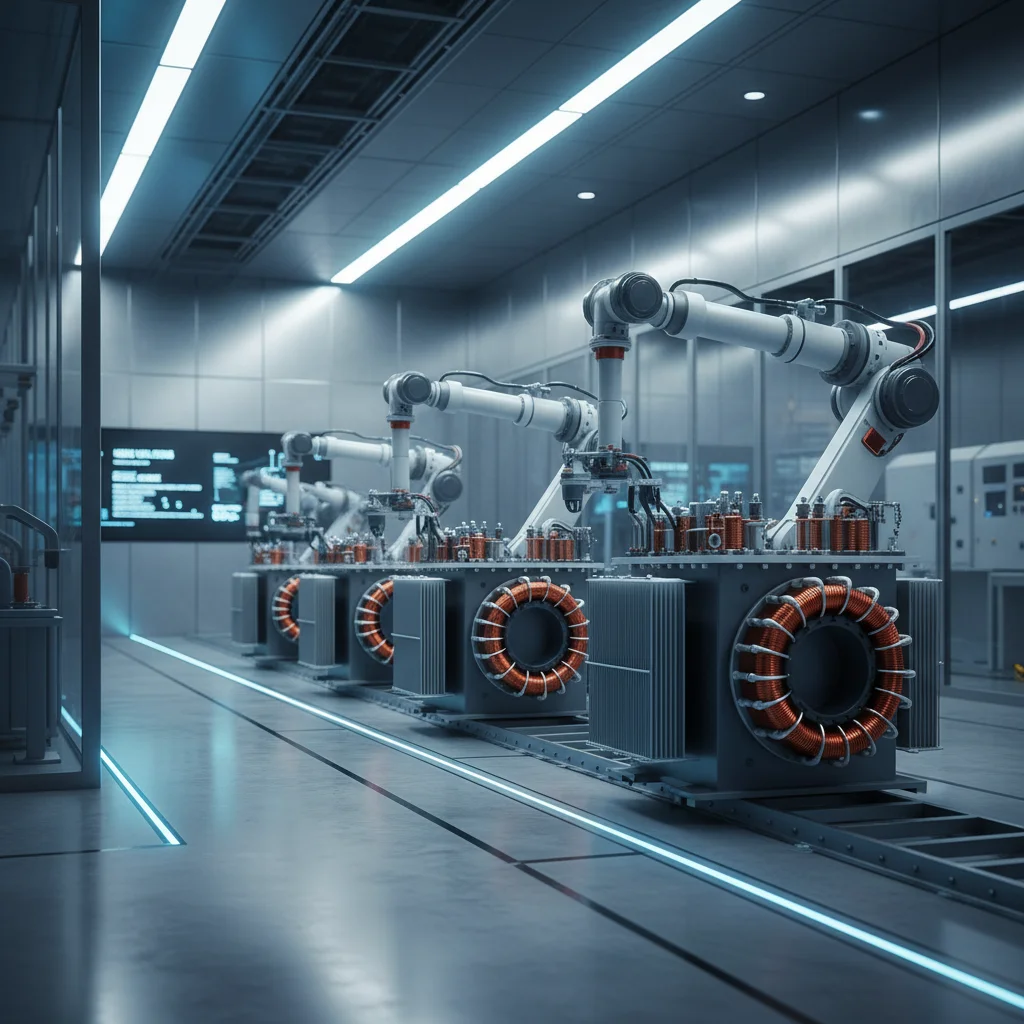
Factory transformers are critical components in modern industrial infrastructure, serving as the backbone of reliable power distribution. Globally, the demand for efficient and robust factory transformers is increasing due to expanding industrialization, particularly in emerging economies. These transformers are essential for converting voltage levels to meet the specific needs of manufacturing processes, ensuring seamless operations and minimizing downtime. Understanding the intricacies of factory transformer technology is paramount for engineers, plant managers, and policymakers alike to optimize energy efficiency, improve safety, and drive sustainable industrial growth.
The significance of factory transformers extends beyond mere power conversion. They play a vital role in maintaining the stability of electrical grids and preventing costly disruptions to production lines. Investing in high-quality, properly maintained factory transformers translates to significant long-term cost savings, reduced environmental impact, and enhanced operational resilience. The industry is seeing a push towards smarter transformers, incorporating advanced monitoring and control systems for predictive maintenance and optimized performance.
From small-scale workshops to large-scale manufacturing complexes, factory transformers are indispensable. The advancements in transformer technology, including core materials, insulation systems, and cooling methods, continue to improve their efficiency, reliability, and lifespan. A comprehensive understanding of these advancements allows businesses to make informed decisions regarding transformer selection, installation, and maintenance, maximizing their return on investment and ensuring uninterrupted power supply.
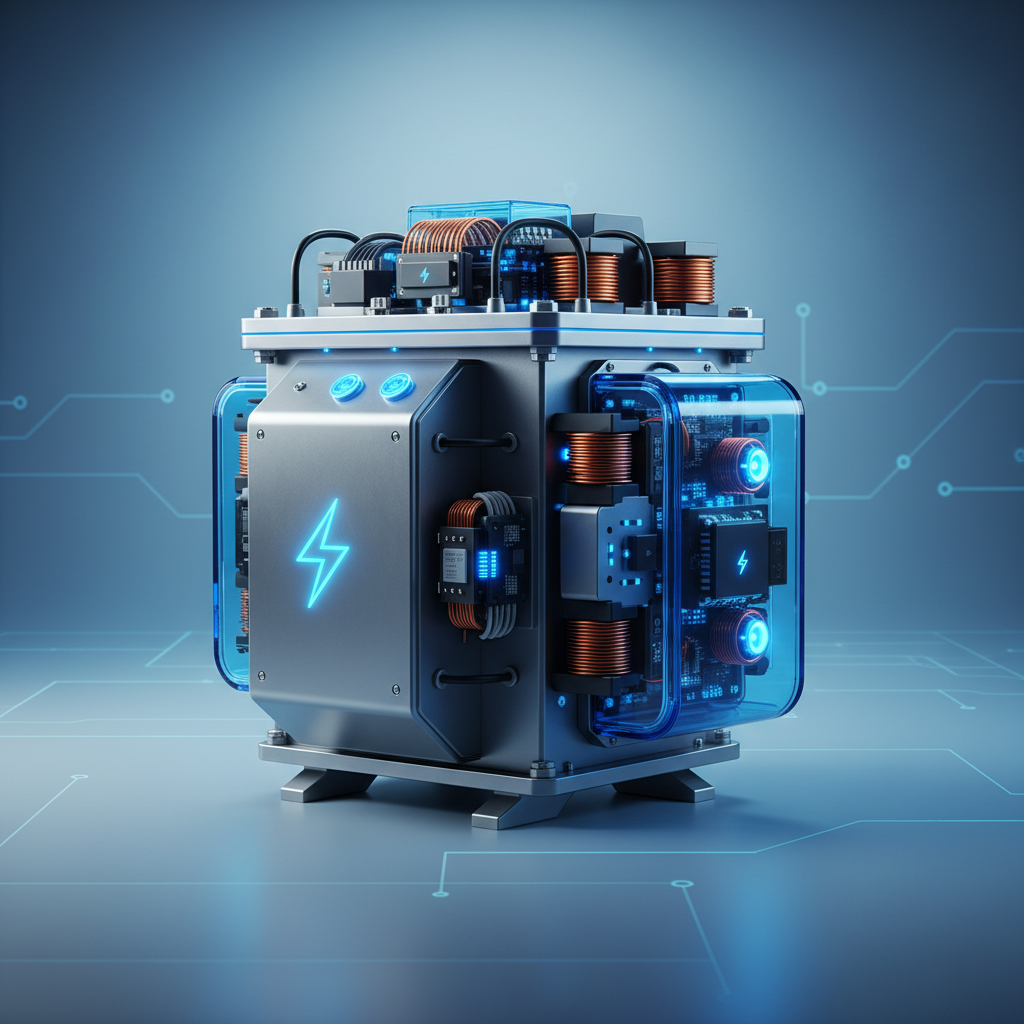
The Importance of Factory Transformers
Factory transformers are the unsung heroes of industrial operations, providing the critical power conversion needed for countless manufacturing processes. Their reliable performance directly impacts productivity, product quality, and overall profitability. Without efficient factory transformers, industrial facilities would face significant disruptions and inefficiencies, leading to increased costs and potential safety hazards.
Selecting the right factory transformer is not merely a technical decision; it’s a strategic investment. Factors such as load requirements, environmental conditions, and long-term reliability must all be carefully considered. Properly specified and maintained transformers contribute to a more sustainable and resilient industrial ecosystem.
Defining Factory Transformers
A factory transformer is a static electrical device designed to step up or step down voltage levels to suit the specific needs of industrial equipment and processes. Essentially, it transfers electrical energy from one circuit to another through electromagnetic induction, without altering the frequency. Unlike distribution transformers serving broader geographic areas, factory transformers are specifically tailored to the demands of a particular manufacturing facility.
These transformers bridge the gap between the high-voltage transmission network and the lower-voltage equipment utilized on the factory floor. Their role is critical in ensuring that machinery receives the correct voltage for safe and efficient operation. The design and construction of a factory transformer prioritize robustness and reliability, considering the demanding operational environment.
In essence, factory transformers act as the power “translators” within a manufacturing plant, enabling seamless integration of different voltage levels and supporting a wide range of industrial applications.
Core Components and Key Characteristics
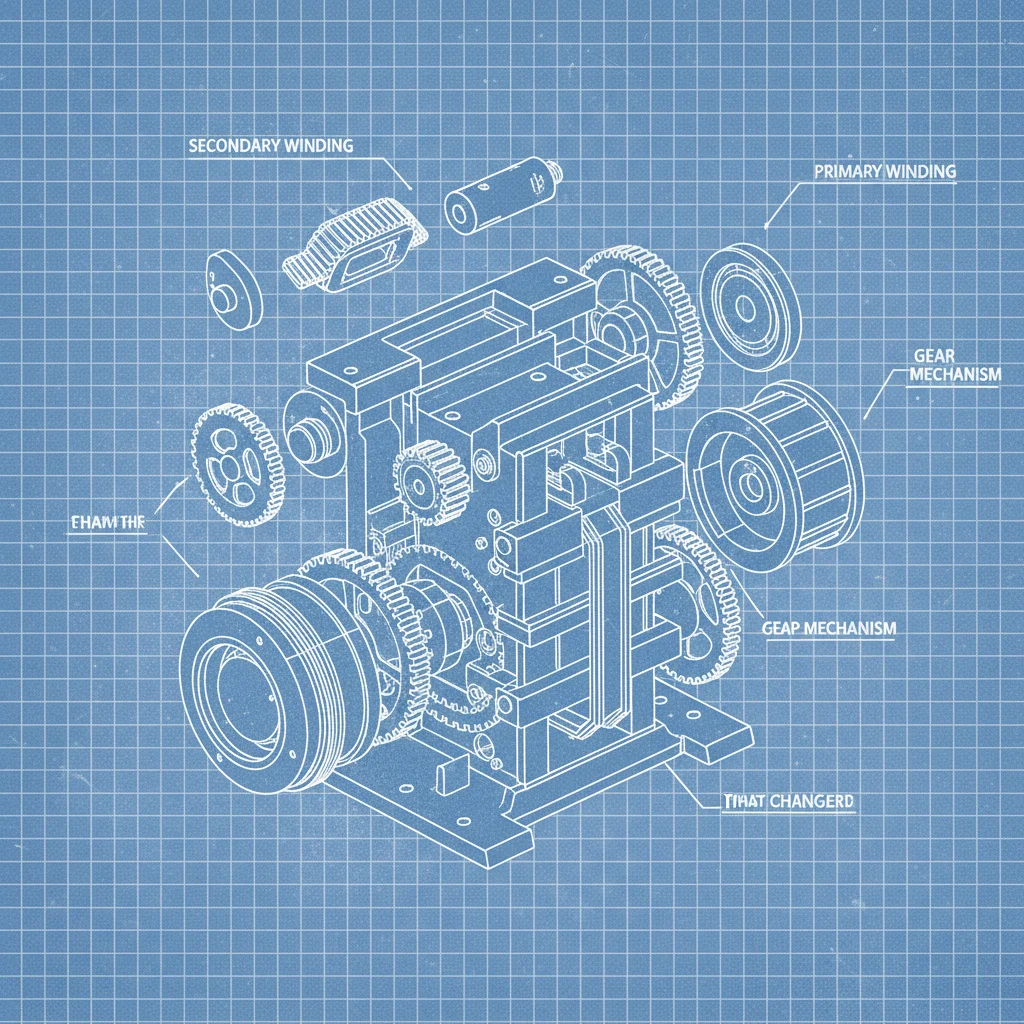
Several key components contribute to the functionality and performance of a factory transformer. The core, typically made of laminated silicon steel, provides a path for the magnetic flux. The windings, consisting of copper or aluminum coils, carry the electrical current. Insulation materials, such as oil or epoxy resin, prevent short circuits and ensure safe operation. These components work in harmony to efficiently convert voltage levels.
Important characteristics to consider when evaluating a factory transformer include its kVA rating (apparent power), voltage ratio, impedance, insulation class, and cooling method. The kVA rating determines the transformer's ability to handle the load, while the voltage ratio dictates the step-up or step-down transformation. Proper selection of these characteristics is critical for optimal performance and longevity.
Beyond the core components, factors like transformer type (dry-type, oil-filled), efficiency rating, and expected lifespan also play a significant role. Modern factory transformers often incorporate advanced features like tap changers for voltage adjustment and built-in protection devices for enhanced safety and reliability.
Performance Metrics and Efficiency Ratings
Evaluating the performance of a factory transformer requires considering several key metrics. Efficiency, expressed as a percentage, represents the ratio of output power to input power. A higher efficiency rating translates to lower energy losses and reduced operating costs. Power factor, another important metric, indicates how effectively the transformer utilizes electrical power.
Harmonic distortion, caused by non-linear loads, can negatively impact transformer performance and lifespan. Minimizing harmonic distortion through proper filtering and design is crucial for maintaining optimal operation. Regular monitoring of these metrics allows for proactive maintenance and identification of potential issues.
Factory Transformer Efficiency Comparison
Global Applications of Factory Transformers
Factory transformers are ubiquitous across a diverse range of industries worldwide. From automotive manufacturing plants in Germany and Japan to textile mills in Bangladesh and electronics factories in China, they are essential for powering the production process. The specific requirements of the transformer vary depending on the industry and the type of machinery being used.
In post-disaster relief operations, mobile factory transformers can provide critical power to temporary hospitals, communication centers, and water purification facilities. These mobile units offer a rapid and reliable power solution in emergency situations. Furthermore, the increasing demand for renewable energy sources, such as solar and wind power, is driving the need for specialized factory transformers to integrate these sources into the grid.
Advantages and Long-Term Benefits
Investing in high-quality factory transformers offers numerous advantages. Reduced energy losses translate to significant cost savings over the transformer's lifespan. Increased reliability minimizes downtime and prevents costly production disruptions. Improved power quality protects sensitive equipment and enhances overall operational efficiency.
Beyond the economic benefits, choosing environmentally friendly transformers contributes to a more sustainable industrial practice. Modern transformer designs often utilize eco-friendly materials and minimize oil leakage, reducing their environmental footprint. Furthermore, a reliable power supply contributes to a safer working environment for employees.
Future Trends and Innovations in Factory Transformer Technology
The future of factory transformer technology is focused on increased efficiency, intelligence, and sustainability. Solid-state transformers (SSTs), utilizing power electronics instead of traditional magnetic cores, are gaining traction due to their higher efficiency and smaller size. Digital transformers, equipped with sensors and communication capabilities, enable real-time monitoring, predictive maintenance, and remote control.
The integration of artificial intelligence (AI) and machine learning (ML) algorithms will further optimize transformer performance and prevent failures. Furthermore, research into new core materials and insulation systems is aimed at increasing transformer lifespan and reducing environmental impact. These innovations will pave the way for a more resilient and sustainable industrial future.
Summary of Key Factors in Factory Transformer Selection
| Load Requirements (kVA) |
Environmental Conditions |
Maintenance Schedule |
Total Cost of Ownership |
| Determines the required transformer capacity. |
Impacts insulation type and cooling system. |
Affects transformer lifespan and reliability. |
Includes purchase price, installation, and maintenance costs. |
| Underestimation leads to overload, overestimation to inefficiency. |
High humidity or corrosive environments require specialized protection. |
Regular oil testing and filter replacement are crucial. |
Prioritizing efficiency and reliability can lower long-term costs. |
| Peak load and future expansion should be considered. |
Temperature extremes can affect performance. |
Proactive maintenance reduces the risk of unexpected failures. |
Energy savings and reduced downtime contribute to a lower total cost. |
| Accurate load calculation is essential. |
Proper ventilation is crucial for cooling. |
Remote monitoring can streamline maintenance tasks. |
Investing in a reputable manufacturer is crucial. |
| Consult with a qualified electrical engineer. |
Select materials resistant to corrosion and degradation. |
Implement a condition-based maintenance program. |
Evaluate the potential for energy rebates and incentives. |
| Consider future growth and scalability. |
Ensure adequate grounding and surge protection. |
Training personnel on proper operation and maintenance. |
Factor in the cost of potential replacements. |
FAQS
The typical lifespan of a factory transformer ranges from 20 to 30 years, but this can vary significantly based on factors like load conditions, environmental factors, and maintenance practices. Regular maintenance, including oil analysis, cooling system checks, and winding inspections, can extend the transformer's lifespan considerably. Choosing a high-quality transformer from a reputable manufacturer is also crucial for ensuring long-term reliability.
Factory transformers should be inspected at least annually, and more frequently for transformers operating under heavy loads or in harsh environments. Inspections should include visual checks for leaks, corrosion, and damage, as well as electrical tests to assess insulation integrity and winding condition. Oil analysis is also a critical component of regular maintenance, providing insights into the transformer’s internal health.
Common causes of factory transformer failure include insulation breakdown, overheating, overloading, and contamination of the insulating oil. Insulation breakdown can occur due to aging, moisture ingress, or electrical stress. Overheating can result from insufficient cooling or excessive load. Contamination of the oil can reduce its dielectric strength and accelerate aging. Regular maintenance and monitoring can help prevent these failures.
Working near a factory transformer requires strict adherence to safety protocols. Always de-energize and lockout/tagout the transformer before performing any maintenance or inspection work. Use appropriate personal protective equipment (PPE), including insulated gloves and safety glasses. Maintain a safe distance from energized components and follow all applicable safety regulations. Only qualified personnel should perform work on transformers.
Several steps can be taken to improve the energy efficiency of a factory transformer. Ensure the transformer is properly sized for the load. Implement a regular maintenance schedule to prevent losses due to overheating or contamination. Consider upgrading to a more efficient transformer model, such as a dry-type transformer or a solid-state transformer. Also, minimize harmonic distortion in the system to reduce losses.
Dry-type factory transformers offer several benefits over oil-filled transformers, including reduced fire risk, lower environmental impact (no oil leaks), and minimal maintenance requirements. They are particularly well-suited for indoor applications and environmentally sensitive areas. While generally more expensive upfront, the reduced maintenance costs and improved safety can result in lower overall lifecycle costs.
Conclusion
Factory transformers are indispensable components of modern industrial infrastructure, providing the reliable power conversion needed to drive manufacturing processes and economic growth. Understanding their core components, performance characteristics, and future trends is crucial for engineers, plant managers, and policymakers alike. Investing in high-quality transformers and implementing proactive maintenance strategies are essential for maximizing efficiency, minimizing downtime, and ensuring a safe and sustainable operation.
As technology continues to evolve, we can expect to see even more innovative transformer designs emerge, leveraging advancements in materials science, power electronics, and artificial intelligence. These innovations will further enhance transformer performance, reduce environmental impact, and pave the way for a more resilient and efficient industrial future. To learn more about tailored factory transformer solutions for your specific needs, visit our website: factory transformer.