Hit enter to search or ESC to close
In the complex ecosystem of power distribution and signal processing, the pole type transformer serves as a critical nexus, ensuring that electrical energy is stepped down or isolated with precision. Globally, the demand for robust magnetic components has surged as urban centers expand and industrial automation requires more stable power interfaces. Understanding the nuances of these transformers is not just a matter of engineering curiosity but a necessity for ensuring the reliability of grid-tied equipment.
The significance of the pole type transformer extends beyond simple voltage conversion; it embodies the balance between spatial efficiency and electrical performance. As industries move toward more compact designs, the ability to integrate high-efficiency magnetic cores into specialized form factors becomes a competitive advantage. Whether utilized in residential power poles or specialized industrial machinery, these components prevent catastrophic equipment failure by maintaining strict voltage regulation.
From a commercial standpoint, selecting the right transformer involves analyzing a trade-off between thermal management, leakage inductance, and long-term durability. By optimizing the core material and winding techniques, manufacturers can significantly reduce energy waste, contributing to global sustainability goals. This guide delves into the technical depths and practical applications of the pole type transformer to help engineers and procurement specialists make informed decisions.
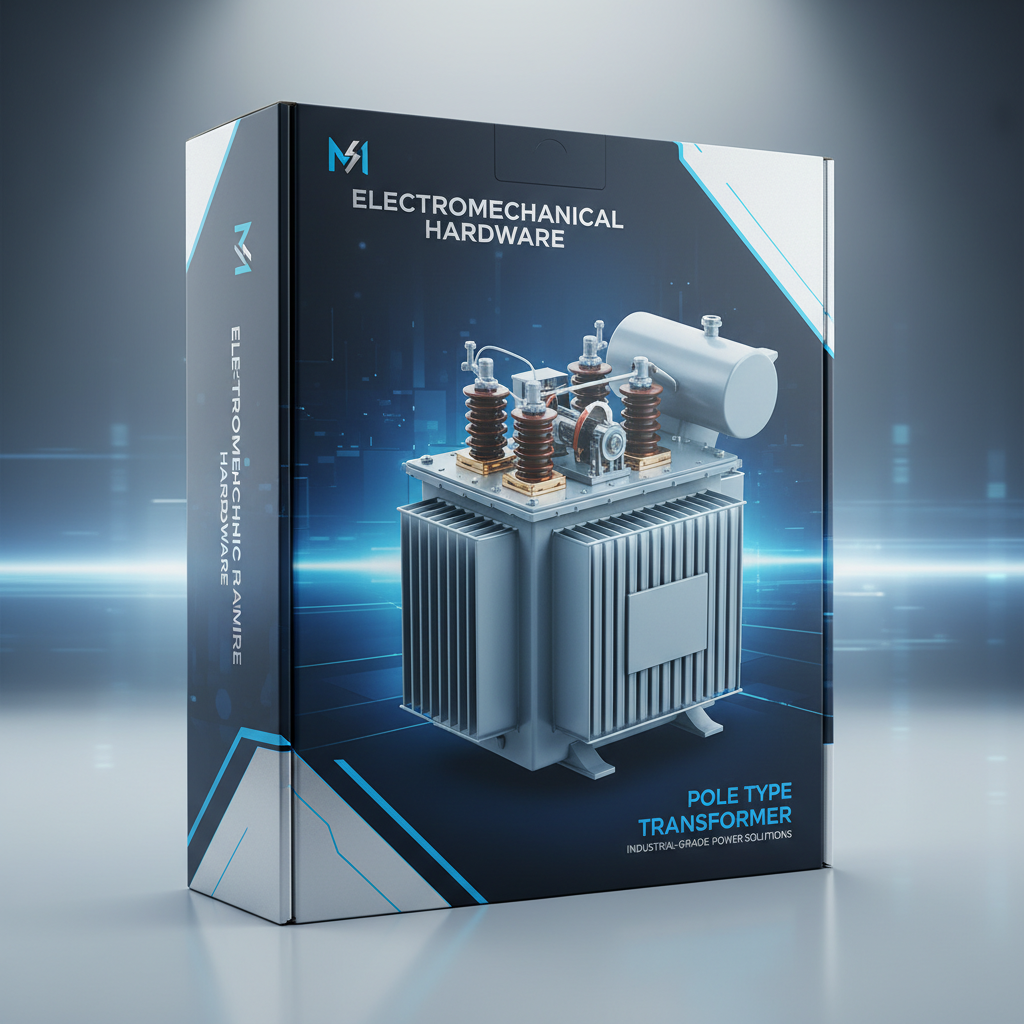
The global deployment of power infrastructure relies heavily on the stability of the pole type transformer. According to recent energy sector reports, the modernization of aging electrical grids in North America and Europe has created a significant void that only high-efficiency, pole-mounted solutions can fill. These components are essential for converting high-voltage transmission lines into usable residential and commercial voltages, acting as the final gatekeeper of power quality.
However, the industry faces a growing challenge: the volatility of raw material costs for silicon steel and copper. As international standards like ISO and IEC evolve to demand lower standby losses, manufacturers are forced to innovate. The struggle lies in maintaining a compact "pole" footprint while increasing the thermal dissipation capacity to handle higher loads from the proliferation of electric vehicle (EV) charging stations.
In simple terms, a pole type transformer is a specialized electrical device designed to transfer electrical energy between two or more circuits through electromagnetic induction. Unlike large substation transformers, the pole-type variant is engineered for specific mounting requirements, often featuring a cylindrical or compact rectangular housing that allows it to be securely attached to utility poles or industrial supports. Its primary function is to step down voltage to a safe, usable level for end-users.
Beyond basic voltage change, these transformers are integral to modern humanitarian needs, especially in rural electrification projects. By providing a reliable method to distribute power over long distances without massive voltage drops, they enable remote clinics and schools to access stable electricity. This connectivity is a cornerstone of socioeconomic development in emerging markets across Southeast Asia and Africa.
Technically, the efficiency of a pole type transformer depends on the permeability of its magnetic core and the precision of its winding. The use of high-grade grain-oriented electrical steel reduces hysteresis losses, while vacuum-pressure impregnation (VPI) ensures that the windings are protected from moisture and oxidation, extending the operational lifespan in harsh outdoor environments.
One of the most critical factors for any pole type transformer is its thermal durability. Because these units are often exposed to direct sunlight and extreme ambient temperatures, the choice of insulating oil and cooling fins is paramount. A transformer that cannot dissipate heat effectively will suffer from accelerated insulation degradation, leading to premature short-circuits.
Scalability and load adaptability are equally vital. As urban density increases, a pole type transformer must be capable of handling peak loads during summer heatwaves without tripping. This requires a design that accounts for "overload capacity," allowing the unit to operate slightly above its rated kVA for short periods without permanent damage to the windings.
Finally, cost efficiency is evaluated not just by the purchase price but by the Total Cost of Ownership (TCO). Low-loss cores might increase the initial investment, but they drastically reduce the monthly electricity waste. For utility companies managing thousands of units, a 1% increase in the efficiency of a pole type transformer translates into millions of dollars in saved energy over a decade.
When comparing different design methodologies, it becomes clear that the material composition of the pole type transformer dictates its performance curve. Traditional amorphous metal cores offer lower no-load losses compared to standard silicon steel, though they may be more sensitive to mechanical vibration. This creates a strategic choice for engineers based on the specific environment of installation.
To better visualize the performance metrics of various configurations, we analyze the rating of different implementation methods. By looking at factors like energy density, thermal stability, and ease of installation, we can determine which pole type transformer variant suits specific industrial needs.
The practical application of the pole type transformer is most evident in regional power distribution. In North American suburbs, these transformers are the ubiquitous grey cylinders seen on utility poles, providing the essential 120V/240V split-phase power to millions of homes. Their ability to withstand wind, rain, and snow makes them indispensable for maintaining grid resilience.
In industrial contexts, specifically within remote mining zones in Australia or oil fields in the Middle East, pole type transformers are used to create localized power hubs. These units often feature reinforced housings to protect against abrasive dust and extreme heat, ensuring that heavy machinery receives a steady voltage regardless of the distance from the primary substation.
The long-term value of investing in high-quality pole type transformers lies in the intersection of reliability and environmental stewardship. By reducing "iron losses" through advanced core geometry, these devices lower the overall carbon footprint of the energy grid. This logical approach to efficiency is paired with an emotional driver: the peace of mind that comes with knowing a community's power supply is safe from frequent outages.
Moreover, the shift toward biodegradable ester oils instead of traditional mineral oils has transformed the pole type transformer into a more eco-friendly component. In the event of a leak, ester oils pose significantly less risk to the soil and groundwater, aligning industrial power needs with modern environmental regulations and corporate social responsibility.
Ultimately, the reliability of these components fosters trust between utility providers and the public. When a transformer is built to last 30 years instead of 15, it reduces the waste generated by replacement cycles and minimizes the disruptive downtime that can affect local businesses and critical healthcare services.
Looking ahead, the integration of "Smart Grid" technology is the most significant trend affecting the pole type transformer. The emergence of IoT-enabled sensors allows utility companies to monitor the temperature and load of a transformer in real-time. This shift from reactive to predictive maintenance prevents failures before they occur, drastically reducing emergency repair costs.
Furthermore, the adoption of wide-bandgap materials in the surrounding control electronics is enabling more precise voltage regulation. We are seeing a trend toward "Solid State Transformers" (SST), which combine the traditional magnetic properties of a pole type transformer with power electronics to allow for bidirectional power flow—essential for homes with solar panels feeding energy back into the grid.
Automation in the manufacturing process is also playing a role, with 3D-printed windings and AI-optimized core shapes reducing material waste. As we move toward a greener economy, the pole type transformer will evolve from a passive component into an active, intelligent node in the global energy network.
| Innovation Type | Impact on Efficiency | Maintenance Level | Sustainability Score |
|---|---|---|---|
| Amorphous Metal Core | Very High | Low | 9/10 |
| IoT Monitoring | Moderate | Predictive | 8/10 |
| Bio-Ester Oil | Neutral | Standard | 10/10 |
| Copper-Aluminum Hybrid | High | Medium | 7/10 |
| Vacuum Casting | High | Very Low | 8/10 |
| SST Integration | Extreme | Complex | 9/10 |
The main difference lies in the installation method and accessibility. A pole type transformer is mounted overhead on a utility pole, saving ground space and reducing the risk of accidental physical damage from vehicles. In contrast, pad-mounted transformers are installed on ground-level concrete pads, typically used in urban areas with underground cabling. Pole-type units are generally more cost-effective for rural distribution, while pad-mounted units are preferred for aesthetic and safety reasons in dense residential zones.
Depending on the quality of materials and environmental conditions, a well-maintained pole type transformer typically lasts between 20 to 30 years. Factors that influence this lifespan include the quality of the insulating oil, the grade of the steel core, and the frequency of overloading. Using vacuum-pressure impregnated (VPI) windings and high-grade weather-resistant coatings can push the operational life toward the upper end of this range, significantly reducing long-term replacement costs.
Yes, provided they utilize modern core materials. The transition from standard silicon steel to amorphous metal cores has dramatically reduced "no-load" losses, making them highly compatible with green energy goals. Additionally, the integration of high-efficiency windings reduces heat dissipation (copper losses), ensuring that more power reaches the end-user. Many manufacturers now produce units that exceed the strictest international energy efficiency ratings, contributing to a more sustainable grid.
The most frequent causes of failure include dielectric breakdown of the insulating oil, thermal overload, and external environmental damage (such as lightning strikes or animal interference). Over time, moisture ingress can degrade the insulation, leading to internal short circuits. This is why regular oil testing and the use of surge arresters are critical. Implementing predictive maintenance through IoT sensors can help detect these issues before they lead to a total system blackout.
Traditional pole type transformers are designed for one-way power flow (from grid to consumer). However, they can physically handle bidirectional flow if the load is balanced. For a truly optimized experience, "smart" transformers or Solid State Transformers (SST) are recommended. These allow for active voltage regulation, ensuring that the energy fed back into the grid from residential solar panels does not cause voltage spikes that could damage other equipment on the same line.
Choosing the right kVA rating requires a detailed load analysis of all connected equipment, including a 20% buffer for future expansion and peak surge currents. You must calculate the total wattage of your machinery and account for the power factor. If the transformer is consistently operated at 90-100% capacity, it will run hot and fail prematurely. Selecting a rating that keeps the average load around 60-70% ensures maximum efficiency and longevity.
The pole type transformer remains an irreplaceable pillar of modern electrical infrastructure, bridging the gap between high-voltage transmission and safe end-use application. By balancing technical specifications like core permeability and thermal management with economic factors like TCO and sustainability, these components ensure that power is delivered reliably across diverse geographical terrains. From the adoption of amorphous cores to the integration of IoT monitoring, the evolution of this technology reflects the broader shift toward a smarter, greener, and more resilient energy grid.
As we look toward a future defined by electric mobility and decentralized energy production, the role of the pole type transformer will only grow in complexity and importance. We recommend that engineers and utility providers prioritize high-efficiency, low-loss units to future-proof their infrastructure against rising energy costs and stricter environmental mandates. For those seeking industry-leading magnetic solutions that combine durability with cutting-edge efficiency, we invite you to explore our specialized range. Visit our website: www.xcdmagnetic.com

If you are interested in our products, you can choose to leave your information here, and we will be in touch with you shortly.