Understanding the various electrical transformers types is fundamental for any engineer or procurement specialist operating in the modern electronics manufacturing landscape. These components act as the silent heart of power distribution, ensuring that voltage levels are precisely adjusted to protect sensitive components and maximize energy efficiency across diverse applications.
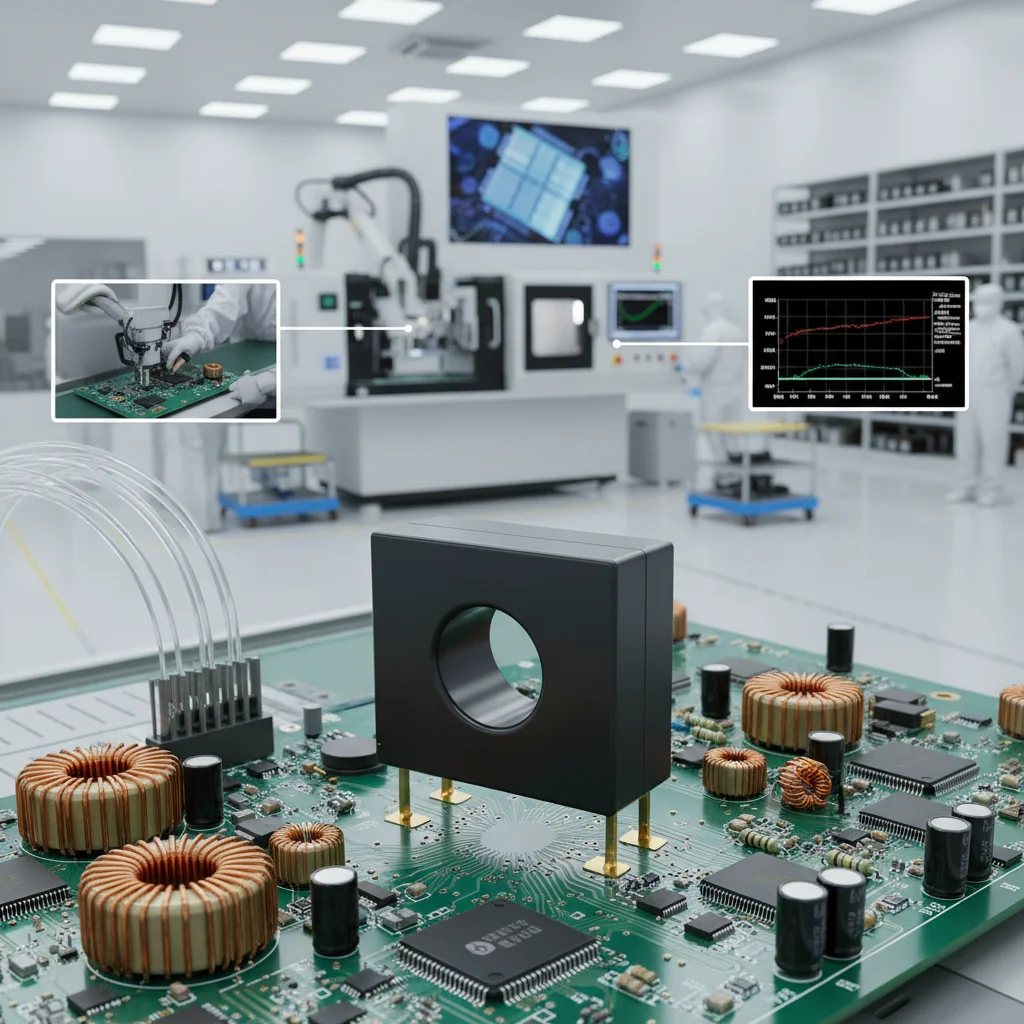
From the massive units found in national power grids to the miniature high-frequency transformers integrated into compact PCBs, the diversity of these devices reflects the complex needs of global electrification. The ability to select the correct transformer type directly impacts the reliability, safety, and thermal management of the end product, making technical literacy in this area a competitive advantage.
In an era defined by the transition to green energy and the proliferation of IoT devices, the demand for specialized electrical transformers types has surged. By mastering the nuances between toroids, laminations, and ferrite cores, manufacturers can significantly reduce energy waste and lower the total cost of ownership for their clients.
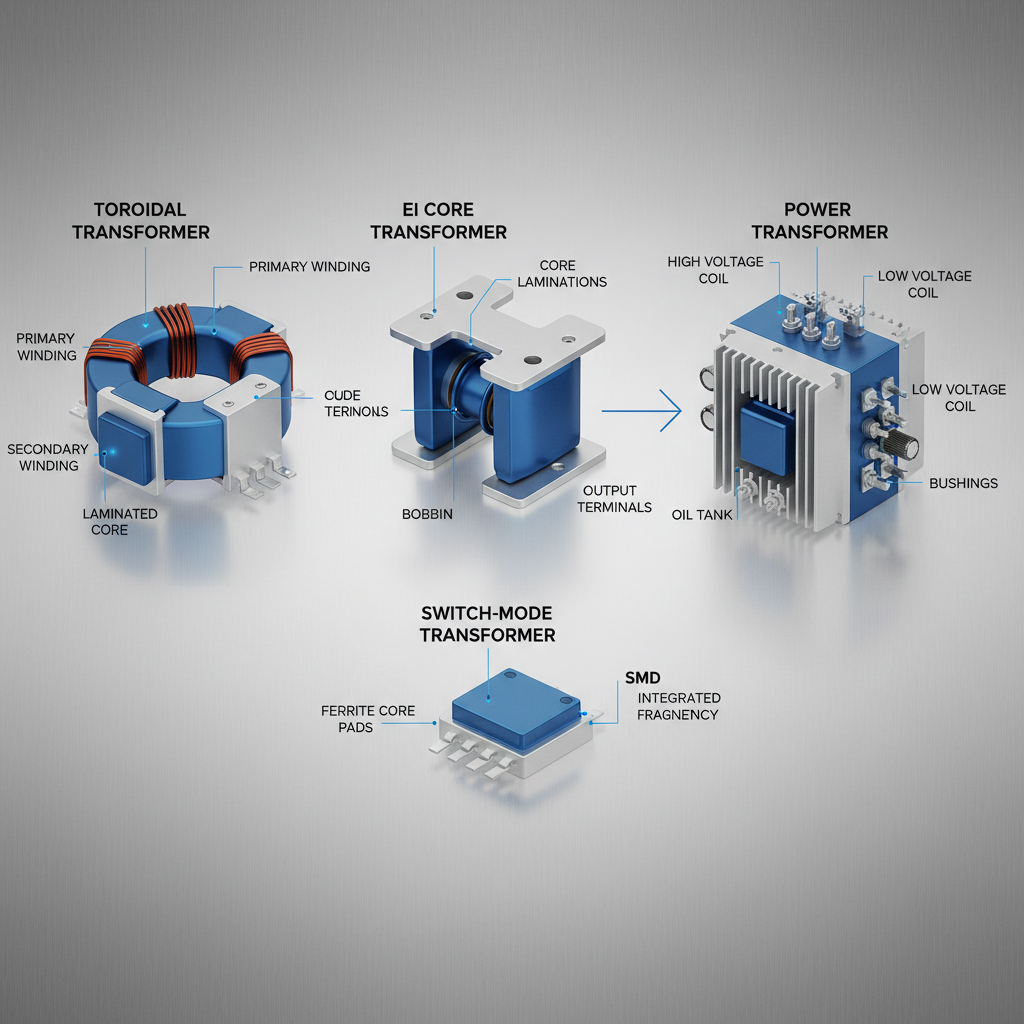
Global Context of Electrical Transformers Types
On a global scale, the infrastructure of modern civilization relies heavily on a sophisticated array of electrical transformers types. According to industry benchmarks aligned with ISO standards, the efficiency of power conversion is a primary driver for reducing carbon emissions in the industrial sector. As developing nations expand their electrical grids, the strategic deployment of step-up and step-down transformers becomes critical to minimizing transmission losses over vast distances.
However, the industry faces a persistent challenge: the tension between miniaturization and thermal dissipation. As electronics become smaller, the pressure on transformer design increases to handle higher power densities without compromising safety or lifespan. This global drive toward efficiency is pushing manufacturers to explore new core materials and winding techniques to optimize performance.
Defining Electrical Transformers Types and Their Roles
In simple terms, electrical transformers types refers to the various configurations of electromagnetic devices used to transfer electrical energy between two or more circuits through electromagnetic induction. Whether it is a Low Frequency Transformer used in heavy machinery or a High Frequency Transformer found in a smartphone charger, the core purpose remains the same: modifying voltage and current levels to meet the specific needs of the load.
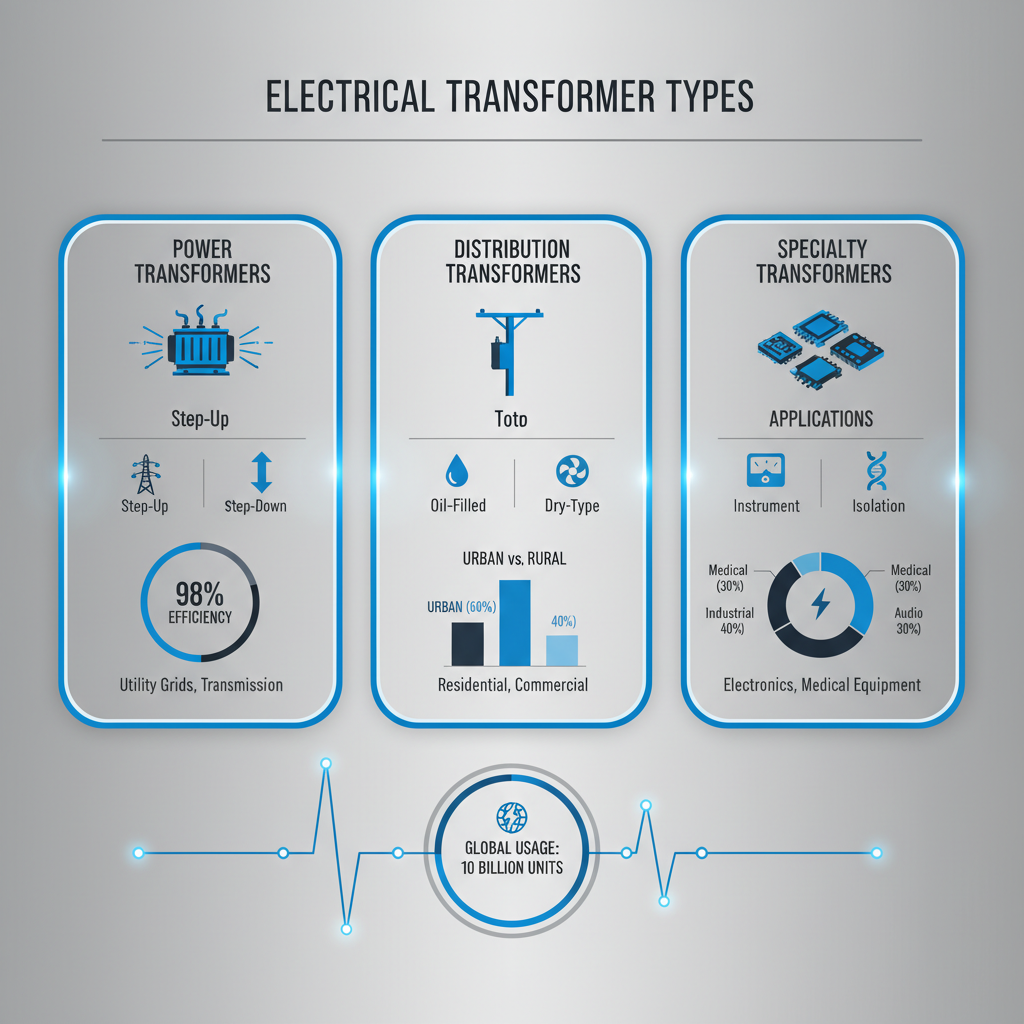
These devices are categorized based on several criteria, including the core material (ferrite, silicon steel, or amorphous metal), the cooling method (oil-filled or dry-type), and the phase (single-phase or three-phase). Each variation is engineered to solve a specific problem, such as isolating a circuit for safety or matching impedance in a high-fidelity audio system to ensure crystal-clear sound reproduction.
The connection to modern industry is profound. Without these varied types, we would lack the ability to safely transport electricity from power plants to homes or provide the stable, low-voltage DC power required by semiconductors. They are the bridge between the raw power of the grid and the delicate requirements of digital technology.
Core Factors in Selecting Transformer Types
When analyzing electrical transformers types, Efficiency and Energy Loss are the primary considerations. Core losses, such as hysteresis and eddy currents, can lead to significant heat generation, which not only wastes energy but can also degrade the insulation of the windings over time, leading to premature component failure.
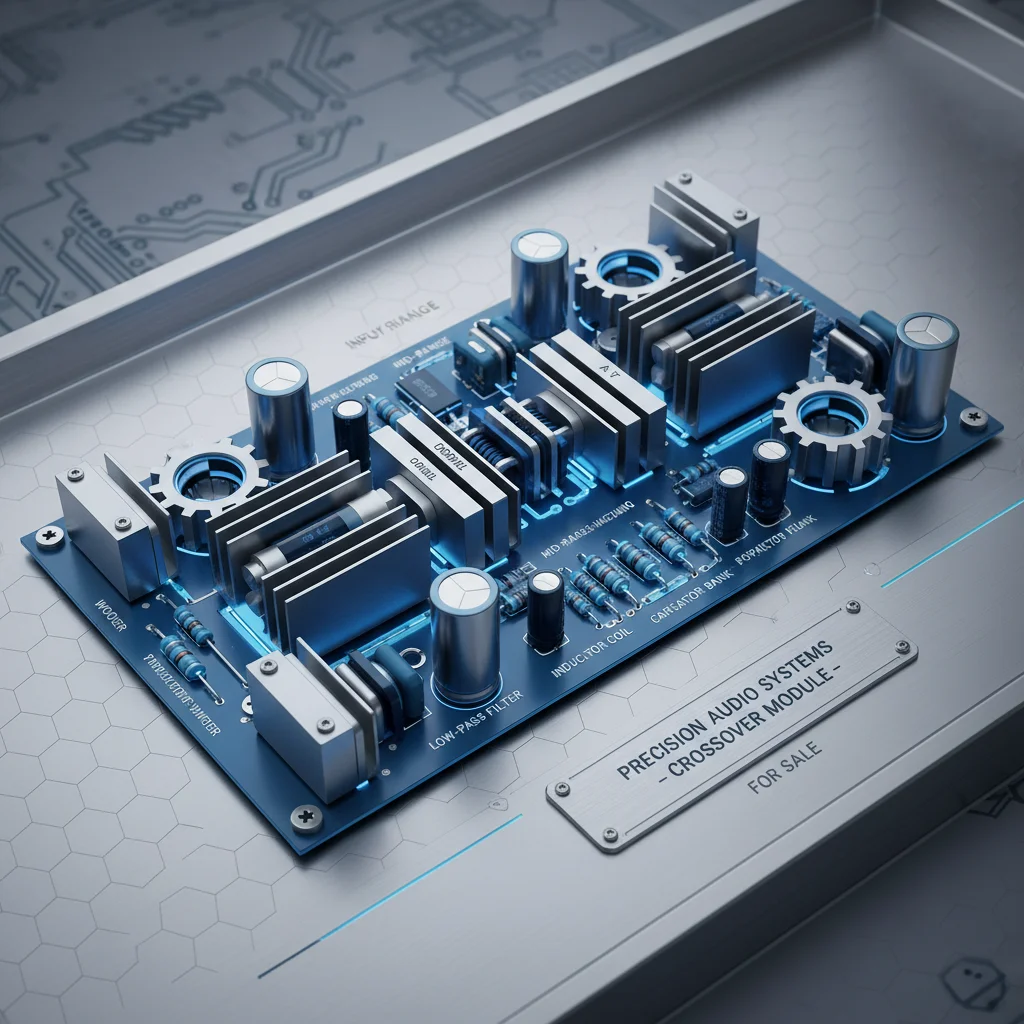
Scalability and Form Factor play a crucial role in hardware integration. For instance, Toroid inductors and transformers offer high efficiency and low electromagnetic interference (EMI), making them ideal for space-constrained environments like Hifi Audio Crossovers or compact medical devices where signal purity is paramount.
Finally, Environmental Durability determines the longevity of the device. Transformers used in industrial zones or outdoor installations must be rated for extreme temperatures and humidity. The choice between resin-cast dry types and oil-immersed types depends entirely on the safety requirements and the environmental risks of the installation site.
Real-World Applications Across Industries
The application of electrical transformers types spans virtually every sector of the economy. In the automotive industry, specifically with the rise of Electric Vehicles (EVs), specialized transformers are used in on-board chargers to convert high-voltage battery power into usable levels for internal electronics. Similarly, in the telecommunications sector, common mode inductors and filter inductors are essential for removing noise from high-speed data lines, ensuring seamless connectivity.
In more niche applications, such as professional audio engineering, the use of high-quality audio crossovers and toroidal transformers is non-negotiable. These components ensure that frequency distribution is handled precisely, preventing distortion and protecting the drivers from damaging frequencies. From remote industrial zones using robust power transformers to urban smart grids, these devices enable the precise control of electricity.
Efficiency Comparison of Various Electrical Transformers Types
Long-Term Value and Sustainability
Investing in high-quality electrical transformers types provides tangible long-term benefits that go beyond simple functionality. From a logical perspective, higher efficiency translates directly into lower electricity bills and reduced operational costs. More importantly, the use of sustainable materials in transformer cores reduces the environmental footprint of the manufacturing process, aligning with global ESG (Environmental, Social, and Governance) goals.
From an emotional and safety standpoint, the reliability of a transformer is a matter of trust. In critical infrastructure—such as hospitals or data centers—the failure of a power transformer can have catastrophic consequences. By utilizing premium-grade components and rigorous testing, manufacturers provide the peace of mind that systems will remain stable under load, ensuring the dignity of service and the safety of human lives.
Future Trends in Transformer Technology
The future of electrical transformers types is being shaped by the "Smart Grid" revolution. We are seeing a shift toward digital transformers that incorporate sensors for real-time health monitoring. This allows operators to predict failures before they occur, moving from reactive maintenance to a predictive model that minimizes downtime and maximizes asset lifespan.
Material science is also evolving, with the introduction of nanocrystalline cores. These materials offer even lower losses than amorphous steels, enabling the creation of transformers that are smaller, lighter, and more efficient. This is particularly vital for the aerospace and defense industries, where every gram of weight saved contributes to better fuel efficiency and payload capacity.
Furthermore, the integration of Wide Bandgap (WBG) semiconductors, such as Gallium Nitride (GaN) and Silicon Carbide (SiC), is enabling transformers to operate at much higher frequencies. This allows for a dramatic reduction in the size of the magnetic components, paving the way for the next generation of ultra-compact power supplies and high-efficiency EV chargers.
Overcoming Technical Challenges in Implementation
Despite the advancements, implementing different electrical transformers types often comes with challenges, most notably Electromagnetic Interference (EMI). In dense electronic assemblies, the magnetic flux from a transformer can bleed into adjacent signal lines, causing data corruption or audio noise. This is why the selection of shielded cores or the use of toroid geometries is essential for high-precision equipment.
Another common limitation is the thermal bottleneck. As we push for higher power densities, removing heat from the center of the windings becomes difficult. Expert insights suggest using advanced potting compounds with high thermal conductivity or implementing forced-air cooling systems to ensure that the internal temperature stays within safe operating limits.
To overcome these hurdles, engineers are now adopting simulation-driven design. By using Finite Element Analysis (FEA), it is possible to visualize magnetic flux and heat distribution before a physical prototype is ever built. This iterative digital approach ensures that the final product is optimized for both performance and reliability.
Comparison Analysis of Transformer Technical Specifications
| Transformer Category |
Core Material |
Efficiency Score (1-10) |
Primary Use Case |
| High Frequency |
Ferrite |
9 |
SMPS & Chargers |
| Low Frequency |
Silicon Steel |
7 |
Industrial Power |
| Toroidal |
Grain-Oriented Steel |
9 |
Hifi Audio Systems |
| Isolation |
Various |
8 |
Medical Equipment |
| Auto-transformer |
Silicon Steel |
8 |
Voltage Regulation |
| Pulse Transformer |
Ferrite/Powder |
7 |
Signal Coupling |
FAQS
In consumer electronics, the most common types are High Frequency Transformers and Switch-Mode Power Supply (SMPS) transformers. These utilize ferrite cores to operate at high frequencies, which allows the transformer to be significantly smaller and lighter than traditional low-frequency transformers while maintaining high efficiency for charging laptops, phones, and powering LED displays.
Choose a toroidal transformer if you need high efficiency, low electromagnetic interference (EMI), and a compact size, which is ideal for audio equipment. Laminated core transformers are generally more cost-effective for mass production and are suitable for applications where size and EMI are less critical, such as basic power distribution or heavy industrial machinery.
Not necessarily in terms of percentage, but they are more "efficient" regarding space and weight. High-frequency transformers can handle the same amount of power as a much larger low-frequency transformer because the core size is inversely proportional to the frequency. However, they require complex switching circuitry to function, whereas low-frequency transformers are simple and robust.
An isolation transformer physically separates the input power source from the output load. This prevents the chassis of a device from becoming "hot" or energized relative to the ground, significantly reducing the risk of electric shock for the user. They are essential in medical environments and for technicians repairing live electronic equipment.
No. While both are magnetic components, their purposes are different. A common mode inductor is designed to filter out noise (EMI) by providing high impedance to common-mode signals while letting desired signals pass. A transformer is designed to change voltage or current levels through induction. They are complementary components in a power circuit, not interchangeable.
The core material determines the magnetic permeability and the frequency at which the transformer can operate. Silicon steel is great for 50/60Hz mains power but suffers from massive losses at high frequencies. Ferrites are designed for kHz and MHz ranges. Amorphous metals offer the lowest "no-load" losses, making them the gold standard for energy-efficient distribution transformers.
Conclusion
In summary, the diverse array of electrical transformers types forms the backbone of modern electronic and electrical engineering. From the precision of toroidal cores in audio systems to the robustness of low-frequency transformers in industry, selecting the right component is a balance of efficiency, thermal management, and cost. By understanding these technical nuances, manufacturers can create products that are not only more reliable but also more sustainable.
Looking ahead, the integration of smart monitoring and advanced nanocrystalline materials will continue to redefine the boundaries of power conversion. We encourage engineers and procurement teams to stay updated on these innovations to ensure their systems remain competitive in a rapidly evolving technological landscape. For high-quality magnetic solutions tailored to your specific needs, visit our website: www.xcdmagnetic.com