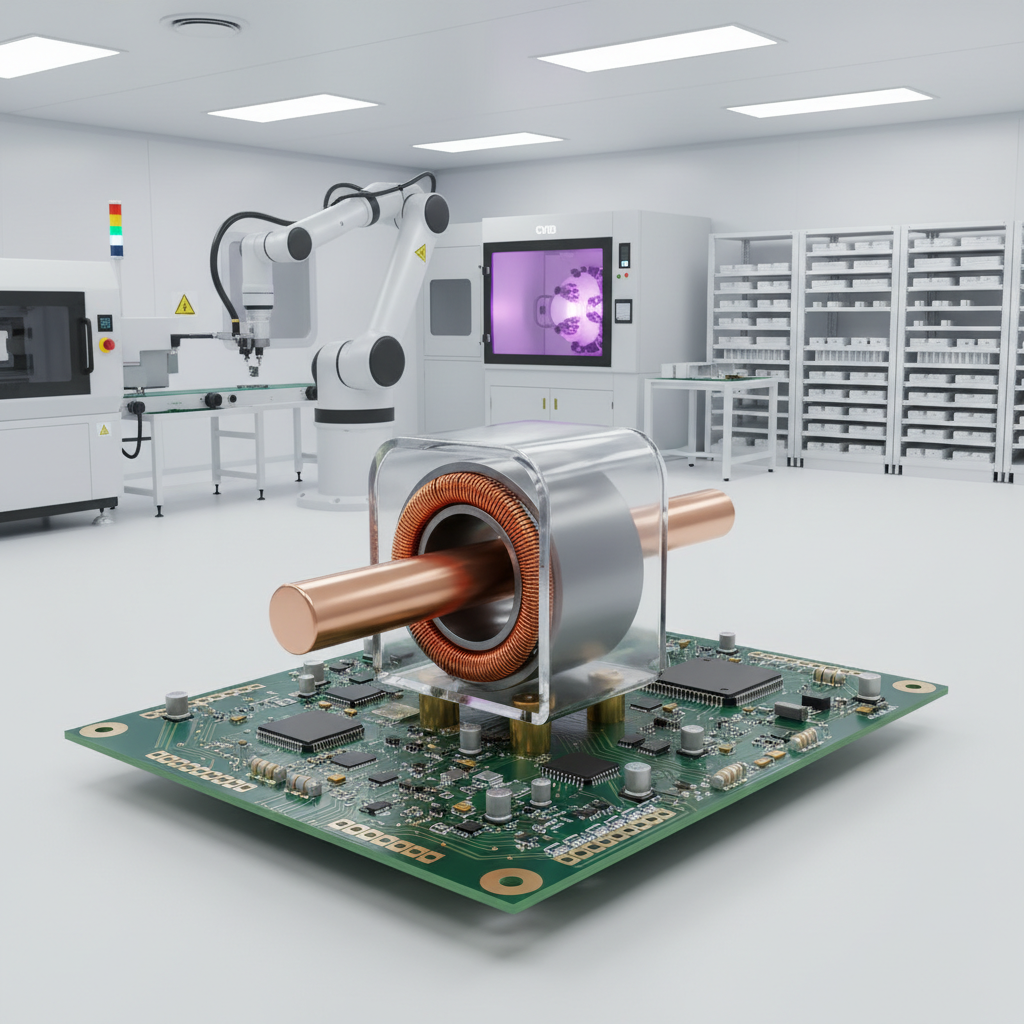
In the complex world of electrical power distribution and monitoring, the bar type current transformer stands as a critical component for ensuring safety and precision. By converting high primary currents into a manageable, proportional secondary signal, these devices allow engineers to monitor energy loads without interrupting the main power flow. Their unique design makes them indispensable in high-voltage switchgear and industrial control panels globally.
As global energy demands shift toward smarter grids and more sustainable industrial practices, the reliance on accurate current sensing has never been higher. The adoption of a bar type current transformer allows for a more compact installation compared to traditional window-type transformers, facilitating the trend toward miniaturization in electrical cabinets while maintaining rigorous safety standards.
Understanding the nuances of these components—from their magnetic core properties to their installation requirements—is essential for any professional in the electronic components manufacturing sector. Whether you are designing a new power distribution unit or upgrading an existing facility, choosing the right transformer ensures long-term reliability and prevents catastrophic equipment failure due to overcurrent.

Global Relevance of Bar Type Current Transformers
On a global scale, the infrastructure for electricity transmission is undergoing a massive transformation. According to standards aligned with ISO and IEC, the precision of measurement in high-voltage environments is paramount to prevent grid instability. The bar type current transformer is central to this effort, providing the necessary isolation and scaling to make high-current monitoring safe for digital meters and protective relays.
The primary challenge facing modern industry is the integration of legacy power systems with new "Smart Grid" technologies. In many developing regions, the transition to reliable power requires components that can withstand harsh environmental conditions while delivering pinpoint accuracy. The bar-type design addresses this by offering a robust physical interface that integrates directly into the busbar system, reducing the risk of connection failure.
Definition and Industrial Significance
In simple terms, a bar type current transformer is a specialized instrument transformer where the primary conductor is a solid metal bar rather than a flexible wire. This design allows the device to be bolted directly into a power circuit, creating a stable and secure electrical path. Its primary purpose is to step down high currents to a standard value (usually 1A or 5A) for measurement and protection purposes.
From an industrial perspective, this component is the "sensory organ" of a power system. Without the ability to accurately sense current, protective devices like circuit breakers would not know when to trip during a short circuit, leading to catastrophic fires or equipment destruction. This makes the transformer not just a technical necessity, but a critical safety device for humanitarian and urban infrastructure.
The significance extends beyond mere measurement. In modern automated manufacturing, these transformers feed data into Programmable Logic Controllers (PLCs), enabling real-time energy auditing and predictive maintenance. By identifying abnormal current patterns early, companies can avoid unplanned downtime, which can cost millions of dollars in high-output electronic component factories.
Core Technical Components and Factors
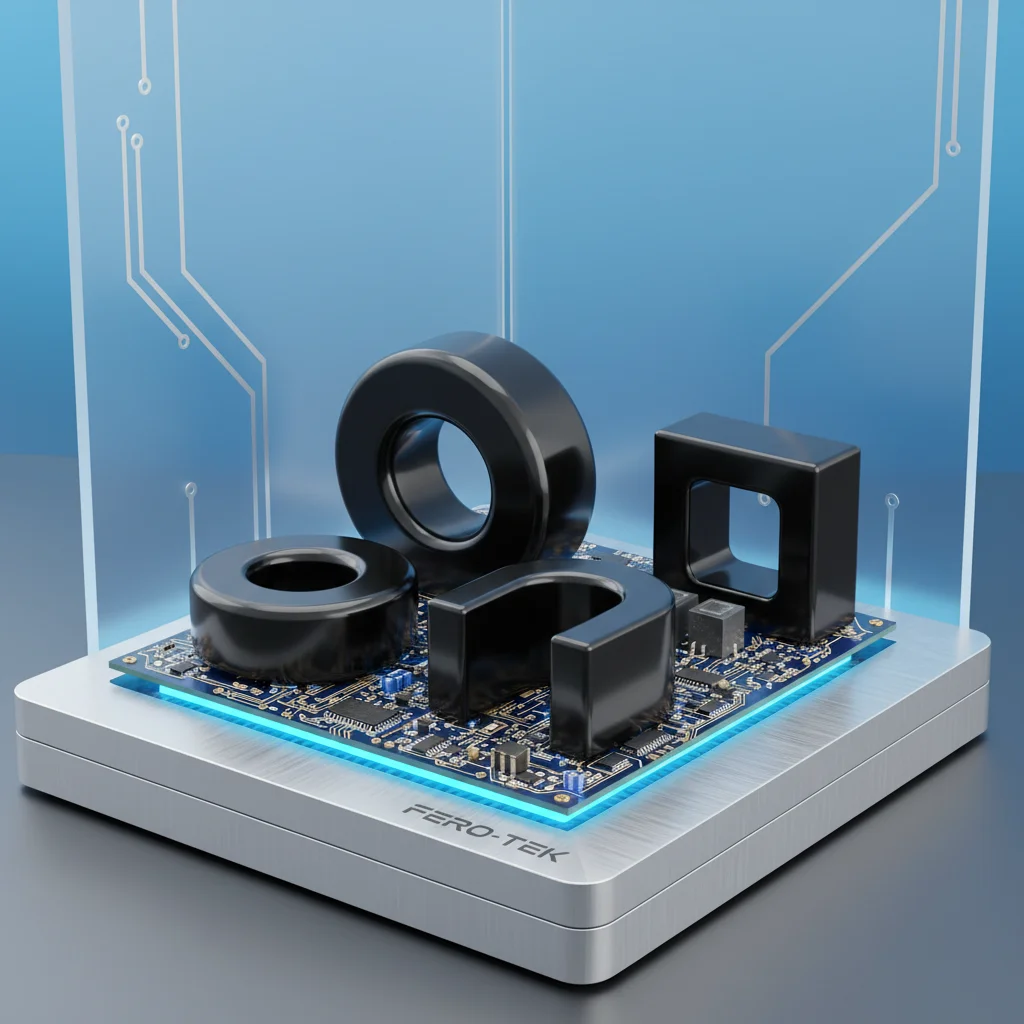
The efficiency of a bar type current transformer depends heavily on its magnetic core material. High-permeability silicon steel or nanocrystalline alloys are often used to minimize energy loss and maximize the accuracy of the current ratio. The core must be designed to prevent saturation during fault currents, ensuring that the protective relays receive an accurate signal even during an electrical surge.
Insulation is another critical factor. Because these devices operate in high-voltage environments, the resin casting or epoxy potting used in a bar type current transformer must be void-free and moisture-resistant. This ensures that the device can operate in humid or dusty industrial zones without the risk of dielectric breakdown or arcing.
Finally, scalability and thermal stability play a huge role in practical application. As current flows through the bar, heat is generated; a well-engineered transformer manages this thermal load to prevent the "drift" of measurement values. This thermal robustness is what allows these components to maintain a consistent accuracy class over decades of continuous operation.
Global Applications and Real-World Use Cases
The application of the bar type current transformer spans across virtually every sector that utilizes medium to high voltage electricity. In heavy industrial zones, such as steel mills or automotive assembly plants, these transformers are integrated into the main switchgear to monitor the massive loads of induction motors and smelting furnaces.
In more specialized contexts, such as remote renewable energy farms in Northern Europe or solar arrays in the Sahara, these components are used to monitor the output of inverters. Their robust construction ensures they can withstand extreme temperature fluctuations while providing the precise data needed to synchronize the plant's output with the national grid.
Comparative Performance of Bar Type Current Transformer Variants
Long-Term Value and Reliability Benefits
Investing in a high-quality bar type current transformer provides tangible long-term value through reduced maintenance costs and enhanced safety. Unlike temporary clamps or lower-grade sensors, a bolted bar transformer creates a permanent, low-resistance connection that minimizes power loss and eliminates the risk of loose wiring over time.
Beyond the logic of cost-efficiency, there is an emotional component: trust. Plant managers and safety officers sleep better knowing that their protection systems are based on reliable hardware. The social impact of preventing a single major grid failure in a city center cannot be overstated, as it ensures the continuity of hospitals, emergency services, and communication networks.
Future Innovations in Magnetic Sensing
The future of the bar type current transformer is being shaped by the digital transformation of energy. We are seeing a move toward "Smart Transformers" that integrate IoT sensors directly into the housing. These sensors can monitor the temperature and health of the transformer itself, alerting operators to potential degradation before a failure occurs.
Materials science is also evolving, with the introduction of amorphous metal cores that significantly reduce hysteresis losses. This alignment with green energy goals means that the bar type current transformer will become even more efficient, contributing to a reduction in the global carbon footprint of electrical distribution.
Furthermore, the integration of AI-driven analytics allows for the processing of the secondary signals from these transformers to detect "arc flashes" or partial discharge in real-time. This transition from passive measurement to active diagnostics represents a paradigm shift in how we maintain electrical infrastructure.
Common Challenges and Expert Solutions
One of the most common challenges in the field is "phase error," where the secondary current signal slightly lags behind the primary current. This can lead to inaccuracies in power factor calculations. Expert solutions involve optimizing the winding geometry and using high-grade magnetic materials to ensure the phase shift is kept within strictly defined tolerances.
Another recurring issue is the phenomenon of saturation during extreme fault conditions. When the core saturates, the output signal flattens, which can "blind" the protective relay and prevent it from tripping. To solve this, engineers design the bar type current transformer with a larger core cross-section or use specialized alloys that extend the linear range of the magnetic flux.
Lastly, environmental degradation—specifically oxidation of the bar contacts—can introduce resistance. The industry solution is the use of silver-plated or tin-plated bars and the application of anti-oxidation compounds during installation. This ensures that the electrical integrity of the connection remains intact for the entire lifecycle of the equipment.
Technical Analysis of Bar Type Current Transformer Performance Factors
| Analysis Dimension |
Standard Grade |
Precision Grade |
Impact on System |
| Accuracy Class |
Class 1.0 |
Class 0.2s |
Billing accuracy |
| Core Material |
Silicon Steel |
Nanocrystalline |
Energy Loss Reduction |
| Insulation Type |
Standard Resin |
Vacuum Cast Epoxy |
Dielectric Strength |
| Thermal Drift |
Moderate |
Negligible |
Long-term Stability |
| Saturation Point |
Standard |
Extended |
Fault Protection |
| Installation Life |
15-20 Years |
25+ Years |
Total Cost of Ownership |
FAQS
The primary difference is the physical conductor. A bar type transformer uses a rigid metal bar as the primary, which is bolted into the circuit. A window type has an open center (window) where a cable is passed through. The bar type is generally preferred in switchgear for its mechanical stability and lower contact resistance.
No. Because the primary conductor is a bolted bar, the circuit must be completely de-energized and locked out before installation. This ensures the safety of the technician and prevents catastrophic arcing during the bolting process.
It depends on the application. For general protection (tripping breakers), Class 1.0 or 3.0 is usually sufficient. However, for revenue metering or high-precision energy auditing, you should select a Class 0.2 or 0.5s transformer to ensure the data is accurate enough for financial billing.
Leaving the secondary circuit open is extremely dangerous. It can cause the core to saturate instantly, leading to a massive voltage buildup across the secondary terminals, which can result in insulation failure and electric shock to personnel.
Standard bar type current transformers are designed for AC currents using magnetic induction. For DC measurement, you would need a Hall-effect sensor or a shunt. However, some hybrid models exist that can handle both, but they are technically distinct from the standard transformer design.
Humidity can lead to surface tracking or corrosion of the bar. High-quality units use epoxy resin casting to seal the internals and plated bars to resist oxidation, ensuring that environmental moisture does not degrade the insulation or increase contact resistance.
Conclusion
The bar type current transformer is more than just a piece of electrical hardware; it is a fundamental pillar of modern power safety and efficiency. By combining robust mechanical design with advanced magnetic materials, these devices provide the critical data needed to protect infrastructure, reduce energy waste, and ensure the safety of personnel worldwide. From their role in basic protection to their integration into the IoT-driven smart grids of the future, their value remains undisputed.
As the industry moves toward higher precision and sustainable materials, the choice of current transformer will continue to be a decisive factor in the longevity of electrical installations. We recommend that engineers prioritize accuracy class and insulation quality over initial cost to maximize the total lifecycle value of their systems. To explore high-performance magnetic solutions tailored to your specific industrial needs, visit our website: www.xcdmagnetic.com.