
Hit enter to search or ESC to close
4 November 2025
Alright, let's be honest for a moment. When you think about the cutting edge of tech, your mind probably jumps to AI, quantum computing, or maybe even those sleek new EVs. But behind the scenes, powering everything from your smartphone charger to vast solar farms, there’s a quiet revolution happening. I'm talking about the High Frequency Transformer – a component that, frankly, doesn't get enough credit.
For years, power conversion was a bit clunky, slow, and… well, bulky. But as devices got smaller and our energy needs more precise, engineers pushed for higher operating frequencies. The result? Smaller, lighter, and more efficient power supplies. It's a game-changer, really, especially for things like high frequency transformer less inverter designs in renewable energy systems, where every gram and every percentage point of efficiency counts.
The move to higher frequencies isn't just a whim; it's a necessity driven by some big industry shifts. Think about electric vehicles – they need incredibly efficient and compact power conversion for charging and motor control. Or the burgeoning world of new energy PQ transformer applications, like solar inverters or wind turbine power systems, where optimizing energy transfer is paramount. And let's not forget the push for smaller, more powerful consumer electronics. Every single one benefits massively from the reduced size and weight that high-frequency operation enables.
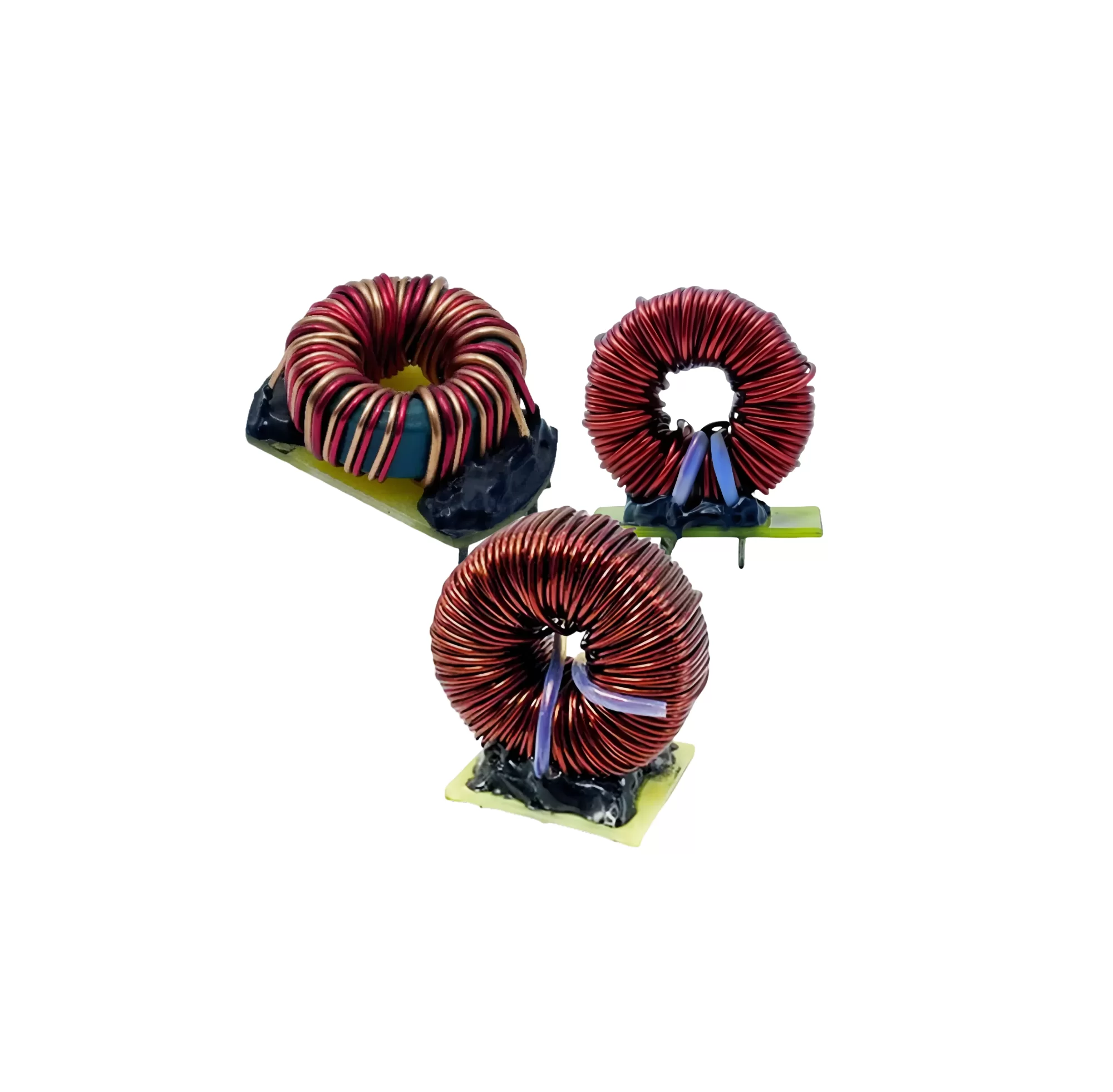
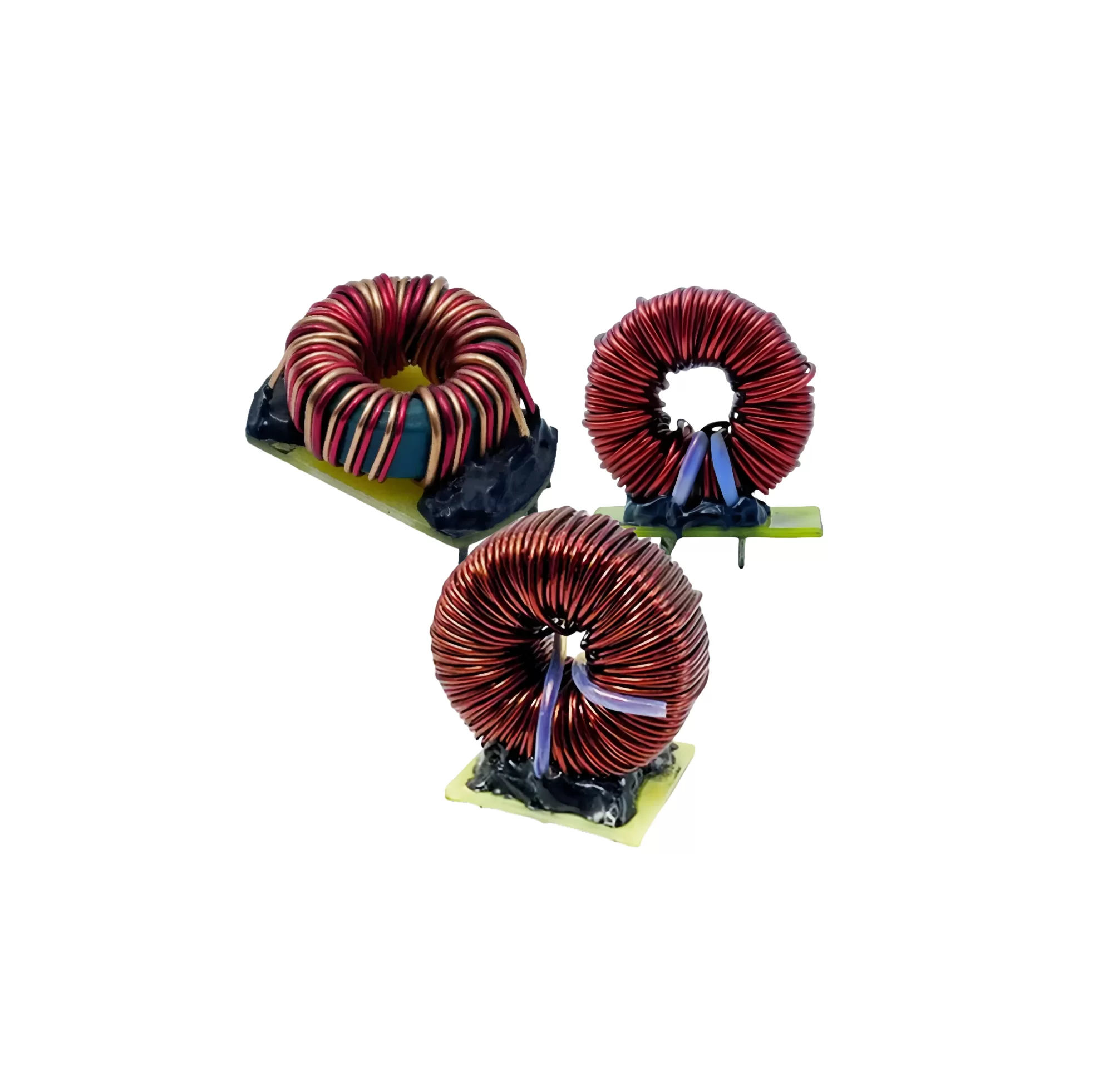
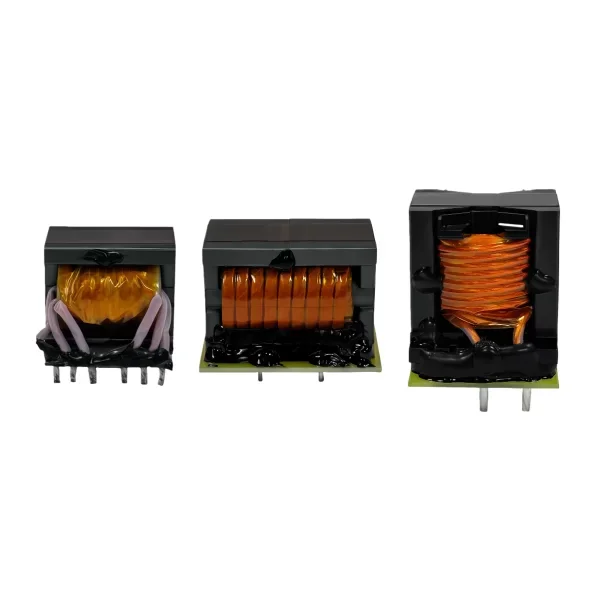
A High Frequency Transformer isn't your grandad's chunky iron-core device. These are sophisticated pieces of engineering. The core materials are crucial – we're often talking about ferrites, amorphous metals, or even nanocrystalline alloys, chosen for their low core losses at high frequencies. Winding techniques are also super important to minimize skin and proximity effects. Things like Litz wire are common to keep AC resistance down. You'll hear terms like inductance, turns ratio, leakage inductance, and operating frequency batted around a lot, and each plays a critical role in performance.
Take, for instance, a typical New Energy PQ Transformer. Here’s a snapshot of what you might see:
Parameter | Typical Value | Remarks |
Core Type | PQ Series Ferrite | Optimized for power density |
Operating Frequency | 50kHz – 500kHz | Can be customized (ODM design) |
Power Rating | ≈ 50W – 1000W | Depends on size & cooling |
Insulation Class | Class B (130°C) or higher | Ensures high voltage transformer safety |
Inductance Tolerance | ±10% | Real-world use may vary slightly |
Temperature Range | -40°C to +125°C | Reliable operation in harsh environments |
The applications for High Frequency Transformer technology are incredibly diverse. You'll find them at the heart of switch-mode power supplies (SMPS) for consumer electronics, driving the efficiency of LED lighting, and even in specialized medical equipment. For those of us in audio, a well-designed audio transformer, especially for higher frequency applications or specific electronic product design, can make a significant difference in signal integrity, believe it or not.
Building these transformers isn't a simple cut-and-paste job. It’s a meticulous process, starting from ODM design where specifications like current, frequency, and size are tailored to customer requirements. Then comes the careful selection of materials – those ferrite cores, the precise Litz wire, and the high-grade insulation. The winding itself often uses automated, precision machines, followed by encapsulation or vacuum impregnation to ensure durability and prevent micro-arcing.
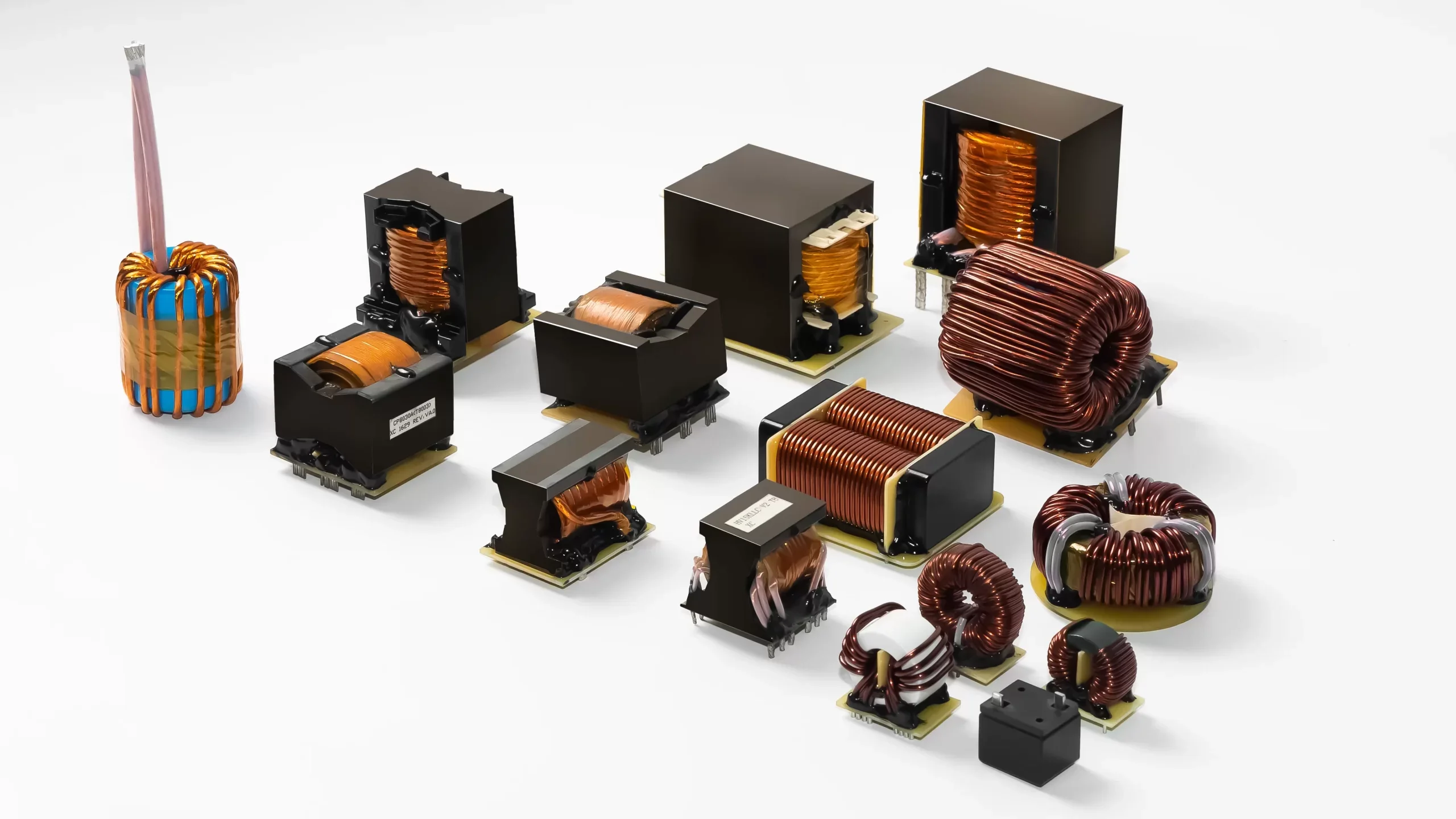
Quality control is paramount. Every batch, sometimes every single unit, undergoes rigorous testing – HIPOT tests for insulation integrity, inductance measurements, leakage inductance, saturation current checks, and thermal performance validation. We're talking about adhering to authoritative standards like IEC 60950-1, UL 60950-1, and RoHS compliance, of course. Many customers say it's this attention to detail that guarantees the service life and reliability, especially for critical applications.
This isn't an off-the-shelf component for many projects. Finding a reputable custom transformer manufacturer is key. You need a partner who can offer OEM manufacturing for bulk production based on existing drawings, but also provide robust ODM design services. This means they can take your specific requirements – perhaps a particular high voltage transformer need or a unique current profile – and design a transformer from the ground up that meets your exact needs.
Feature | Top-Tier Manufacturer | Standard Supplier |
R&D Capability | Strong ODM design, material science expertise | Primarily OEM, limited customization |
Quality Certifications | ISO9001, IATF16949, UL, RoHS, REACH | Basic ISO, some product-specific certs |
Testing Standards | Comprehensive, advanced equipment (LCR, HIPOT, automated) | Standard functional tests |
Customer Feedback | Highly positive for reliability & support | Mixed, depends on project complexity |
Lead Time | Optimized for custom & bulk orders | Can vary significantly for custom work |
In fact, many of the most successful projects I've seen involve vendors who really lean into that customization, turning complex challenges into optimized solutions. It seems that this collaborative approach is becoming the gold standard, especially when you need specific current, frequency, or size parameters.
So there you have it. The High Frequency Transformer, while often hidden from plain sight, is undeniably a linchpin in modern power electronics. It's enabling the compact, efficient, and reliable systems we increasingly depend on. As technology continues to push boundaries, I guess these unsung heroes will only become more critical. It's an exciting time to be in this space, watching these components evolve!
1. International Electrotechnical Commission (IEC). (2015). IEC 60950-1: Information technology equipment – Safety – Part 1: General requirements.
2. Underwriters Laboratories (UL). (2018). UL 60950-1: Standard for Safety of Information Technology Equipment.
3. European Parliament and Council. (2011). Directive 2011/65/EU on the restriction of the use of certain hazardous substances in electrical and electronic equipment (RoHS).
4. Mohan, N., Undeland, T. M., & Robbins, W. P. (2003). Power Electronics: Converters, Applications, and Design (3rd ed.). John Wiley & Sons.
5. Ferroxcube. (n.d.). Ferrite Material Characteristics. Retrieved from [Manufacturer's Technical Data Sheet Example].