
Hit enter to search or ESC to close
4 November 2025
You know, sometimes the simplest, most enduring technologies are the ones we rely on most. And if you've ever peered inside an old radio, a trusty amplifier, or even some industrial control panels, chances are you've come across an EI type transformer. To be honest, these aren't the flashy, cutting-edge components that make headlines, but they are absolutely foundational to countless electronic devices. They've been around for ages, and for very good reason, too.
In an age where everything seems to be shrinking and going digital, it’s a bit surprising how prevalent the EI type transformer remains. Actually, while switch-mode power supplies (SMPS) dominate many modern applications, EI transformers hold their ground where robustness, reliability, and excellent noise characteristics are paramount. I guess the main trend we're seeing in the EI transformer space isn't radical redesign, but rather a drive towards higher efficiency, better thermal management, and, crucially, more precise customization to meet specific application demands. Many customers I talk to are looking for very specific voltage/current outputs, often in non-standard sizes.
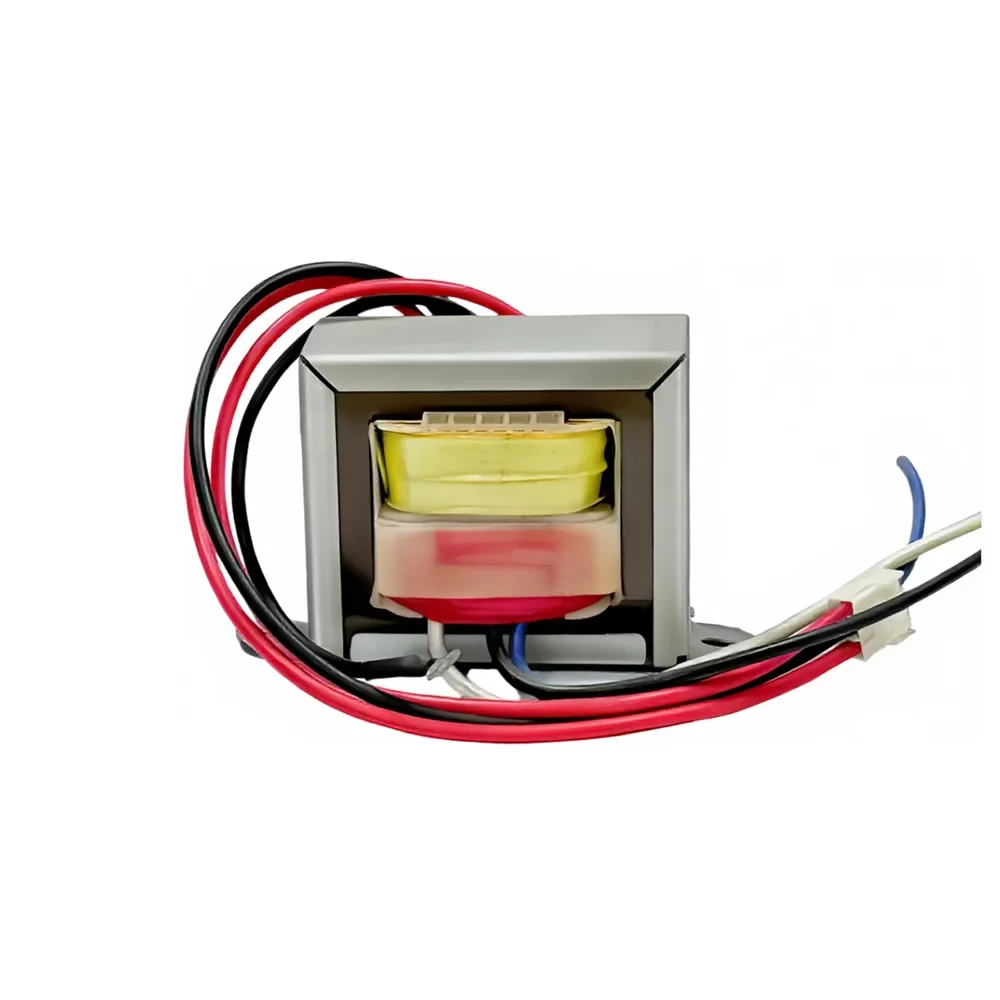
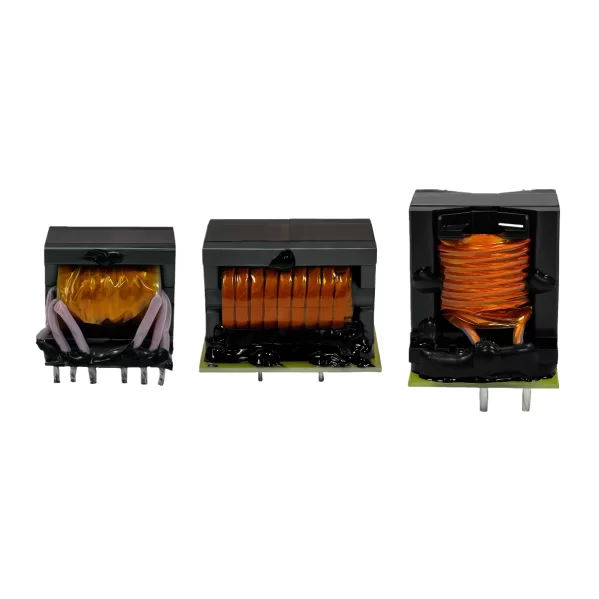
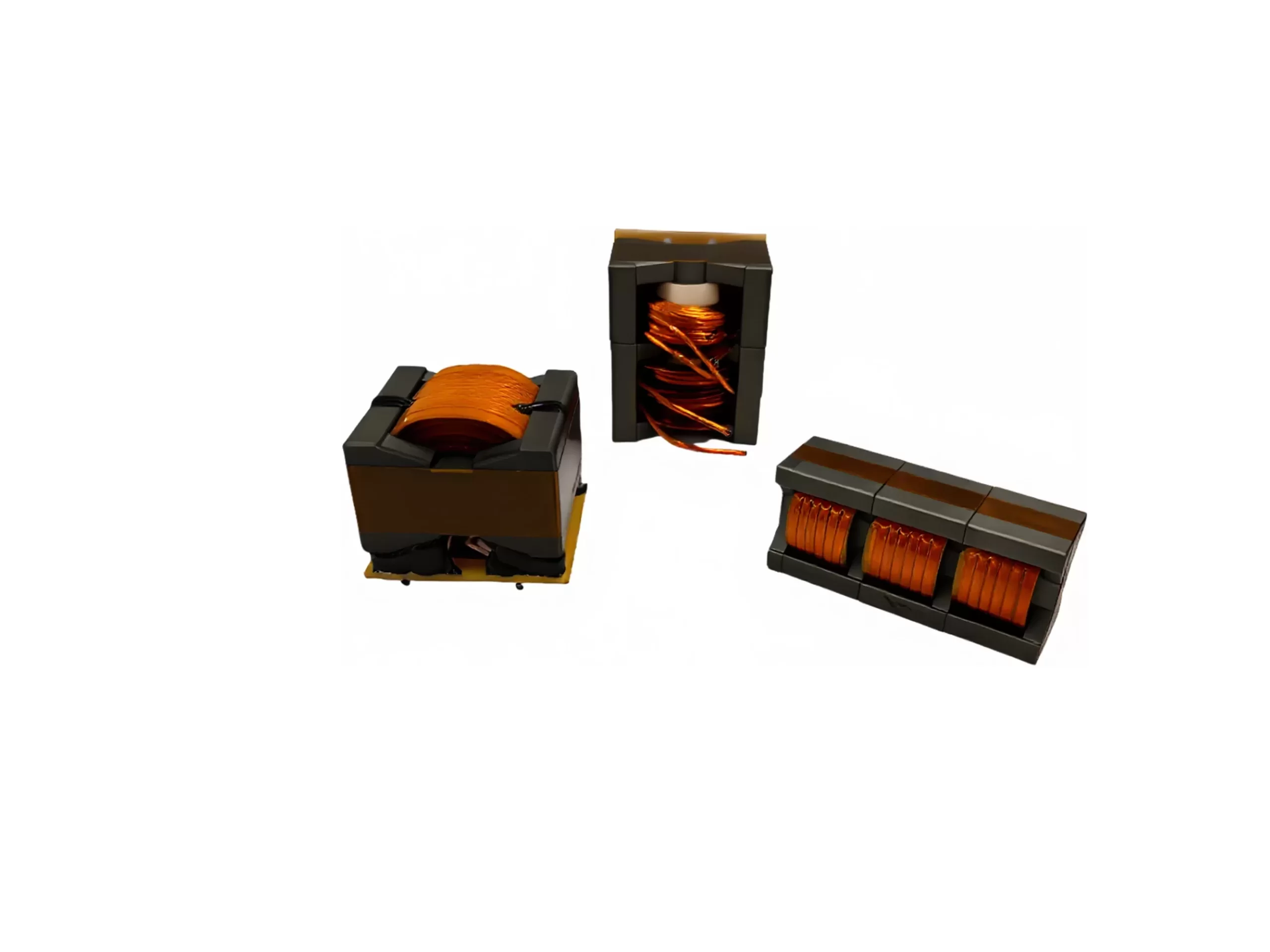
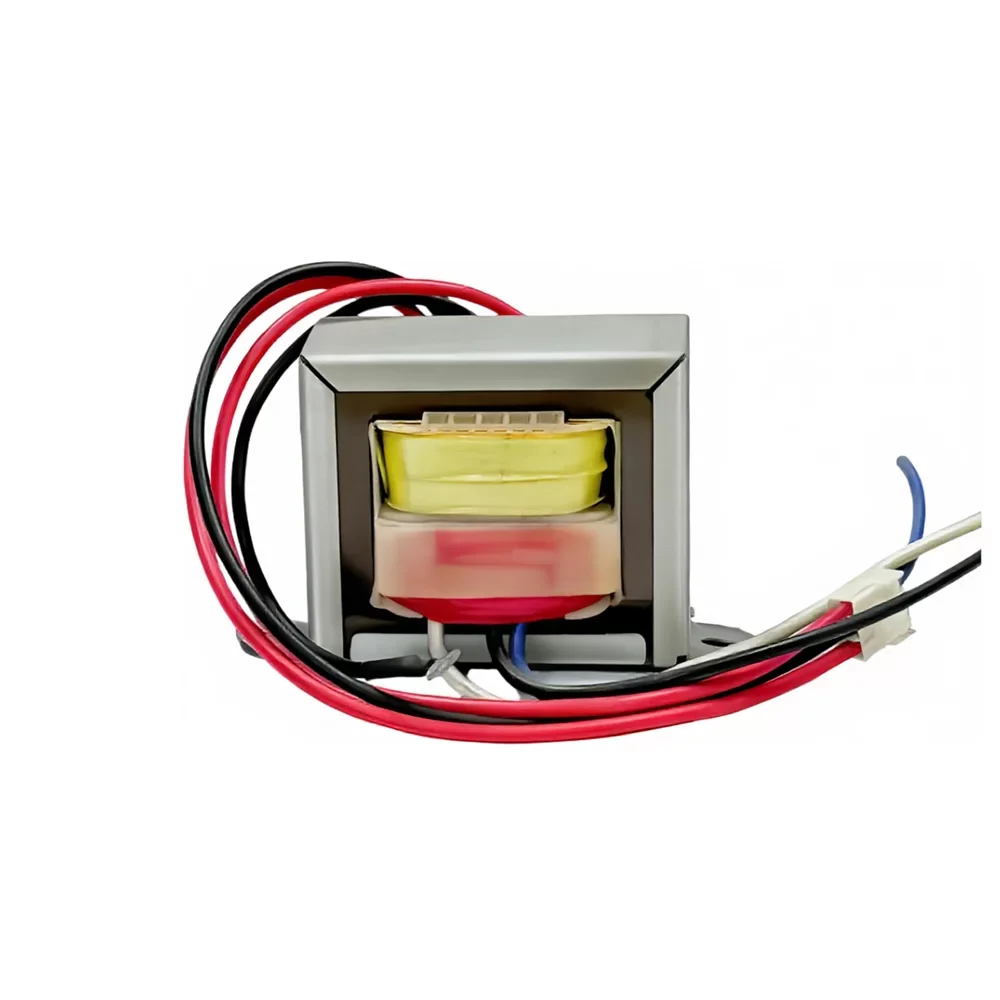
At its core, an EI type transformer is built from two main parts: a laminated iron core and copper wire windings. The "EI" refers to the shape of the laminations – alternating E and I shaped pieces of silicon steel. These laminations are vital; they reduce eddy currents, which in turn minimizes energy loss. The process typically involves:
· Material Selection: High-grade silicon steel for the core (often cold-rolled grain-oriented, CRGO, for better performance) and high-purity copper wire for the windings.
· Winding: Primary and secondary coils are meticulously wound around a bobbin, often with insulation layers in between to prevent short circuits and ensure safety.
· Lamination Stacking: The E and I shaped laminations are interleaved, which, to be frank, is a bit of an art form to get right, minimizing air gaps for optimal magnetic coupling.
· Impregnation: The entire assembly is often vacuum-impregnated with varnish or epoxy. This really helps to reduce hum, improve insulation, and protect against environmental factors, extending service life significantly.
· Testing: Each unit undergoes rigorous testing for parameters like turns ratio, insulation resistance, dielectric strength (hipot test), and load regulation. Standards like IEC 61558, UL 5085, and RoHS compliance are usually a must.
A well-built EI type transformer, properly impregnated, can offer a service life of 10-15 years, sometimes even more, depending on operating conditions and component quality. They are truly built to last!
Parameter | Typical Value (EI-35) |
Input Voltage | 100V - 240V AC (configurable) |
Output Voltage | 3V - 24V AC (customizable) |
Output Current | ≈ 50mA - 2000mA (load dependent) |
Frequency | 50Hz / 60Hz |
Power Rating | ≈ 0.5VA - 50VA |
Operating Temperature | -25°C to +70°C |
Insulation Class | Class B (130°C) or F (155°C) |
Efficiency | Around 80-90% (real-world use may vary) |
Where do you find these sturdy components? Almost everywhere! They're absolutely critical in industries like consumer electronics (think small power adapters, audio amplifiers where low noise is key), industrial control systems (PLCs, motor control), medical devices (where isolation and reliability are non-negotiable), and even telecommunications. The primary advantages? Unquestionably, their isolation capability, excellent noise suppression, high reliability, and cost-effectiveness for moderate power applications. For instance, in an audio amplifier, the hum from a badly designed power supply can ruin the sound – an EI type transformer excels at keeping things quiet.
When choosing an EI type transformer supplier, it's not just about the lowest price. Trust me, I've seen enough "bargains" turn into headaches. It's about consistency, quality, and the ability to customize. Many vendors offer off-the-shelf solutions, but for specialized equipment, OEM production and ODM design are vital. This means getting exactly the current, frequency, and size you need, not just something "close enough."
Feature | Standard Vendor | Specialized/OEM Vendor |
Product Range | Limited standard options (e.g., EI-28, EI-35, EI-41) | Extensive, including non-standard sizes like EI 19 transformer, EI 28 transformer, EI 35 transformer cores. |
Customization | Minimal; minor adjustments only. | Full OEM/ODM support for current, frequency, size, mounting. |
Quality Control | Standard checks; sometimes inconsistent. | Rigorous testing, full compliance to ISO, UL, CE. |
Lead Time | Often quicker for standard items. | Longer for custom designs, but ensures perfect fit. |
Pricing | Generally lower for volume purchases of standard parts. | Higher initial cost for design, but better long-term value for specialized needs. |
It's always worth discussing your specific requirements. A good supplier will offer tailored solutions. Many customers say that the ability to get exactly what they need, rather than trying to adapt their design to a generic component, saves them a lot of time and money in the long run.
· Industrial Automation: A manufacturer of robotic arms needed extremely stable and noise-free power for their delicate sensor array. Custom-designed EI type transformers were chosen over SMPS due to their superior electromagnetic compatibility (EMC) and robust isolation, preventing interference that could compromise precision.
· High-Fidelity Audio: An audiophile equipment company sought an EI type transformer for their new line of tube amplifiers. They specifically requested a custom winding configuration to achieve ultra-low magnetic leakage and a very specific output impedance, which significantly improved the amplifier's signal-to-noise ratio, much to the delight of their discerning customers.
In conclusion, the EI type transformer, particularly the versatile EI transformer core, isn't going anywhere. It’s a testament to good, solid engineering that continues to provide reliable, efficient power conversion across a vast range of applications. For critical tasks requiring stability, isolation, and quiet operation, it truly holds its own.
1. IEC 61558 series. Safety of transformers, reactors, power supply units and combinations thereof. International Electrotechnical Commission.
2. McLyman, W. T. (2004). Transformer and Inductor Design Handbook (4th ed.). CRC Press.
3. Mohan, N., Undeland, T. M., & Robbins, W. P. (2003). Power Electronics: Converters, Applications, and Design (3rd ed.). John Wiley & Sons.