Crossover Auto Audio: The Backbone of Quality In-Car Sound Systems
At its core, crossover auto audio technology determines how well a car’s audio system separates and delivers distinct sound frequencies to speakers best suited to play them. While that may sound technical (and mildly niche), I guarantee it’s something that touches millions worldwide every day. Whether you’re cruising down the freeway or just idling in traffic, good crossover design means your favorite song shines through clearly, not muddled.
This article will dive into what makes crossover auto audio essential globally, how it’s applied, and why it matters beyond just car stereos — especially as vehicles become smarter and our expectations for sound quality rise. Let’s get to know this unassuming but critical gear component.
Why the World Cares About Crossover Auto Audio
The global automotive market surpassed 80 million vehicle sales last year alone (according to the International Organization of Motor Vehicle Manufacturers)[1], with audio systems being a standard feature, if not a key selling point. As electric vehicles and connected cars surge, the demand for high-fidelity, customizable audio experiences inside automobiles is skyrocketing. Crossover auto audio circuits are at the heart of this evolution because they ensure that audio signals are properly routed, preserving sound clarity and protecting speakers for longer life.
Oddly enough, the technology involved isn't just about luxury or entertainment—it sometimes becomes crucial in safety communications inside vehicles, such as alert tones or voice assistant commands, which must remain crisp and unmistakable.
Mini takeaway: As cars integrate more tech, crossover auto audio is central in transforming simple audio systems into immersive, reliable sound experiences worldwide.
What Exactly is Crossover Auto Audio?
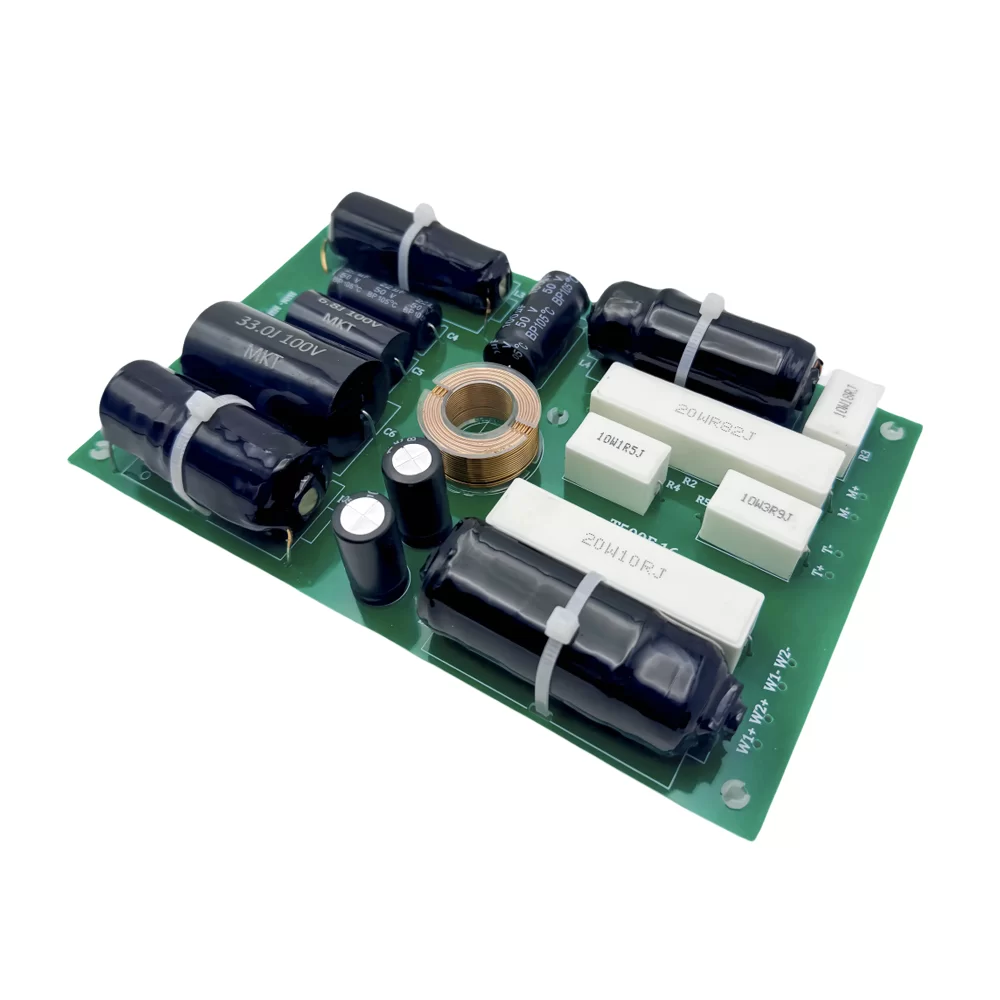
Put simply, a crossover in auto audio is an electronic filter. It splits the audio signal from your car stereo into separate frequency bands — lows, mids, and highs — and directs those to the appropriate speakers (woofers, midranges, tweeters). Otherwise, if all frequencies hit every speaker indiscriminately, the sound gets muddy and the equipment can wear out fast.
Think of it like a traffic cop directing information efficiently to different departments rather than letting everyone talk over each other.
In more technical terms, crossovers can be passive (requiring no extra power) or active (powered, allowing more control). Modern car manufacturers often embed active crossovers in their digital signal processing (DSP) units, enabling customizable tuning.
This division of signals is crucial as automotive audio systems become parts of broader infotainment ecosystems and increasingly linked to voice recognition, navigation, and safety alert functions.
Core Components of Crossover Auto Audio
1. Frequency Splitting
The fundamental job is separating frequencies. Low frequencies (bass) go to big woofers, mids to midrange speakers, and highs (treble) to tweeters. Precise division ensures each speaker works optimally.
2. Power Handling
Crossovers protect speakers from receiving signals outside their capacity, which can damage them. This enhances durability and reliability.
3. Filter Type
Common filters are Butterworth, Bessel, and Linkwitz-Riley — each with unique sound characteristics and slopes that affect how sharply signals are cut off.
4. Adjustability
Some active crossovers allow tuning frequency ranges, slopes, and levels to tailor sound to vehicle acoustics or individual preferences. This boosts user satisfaction significantly.
5. Integration with DSP
Modern systems often combine crossovers with DSP for advanced equalization, enabling compensation for cabin resonance or speaker placement quirks.
6. Material Quality
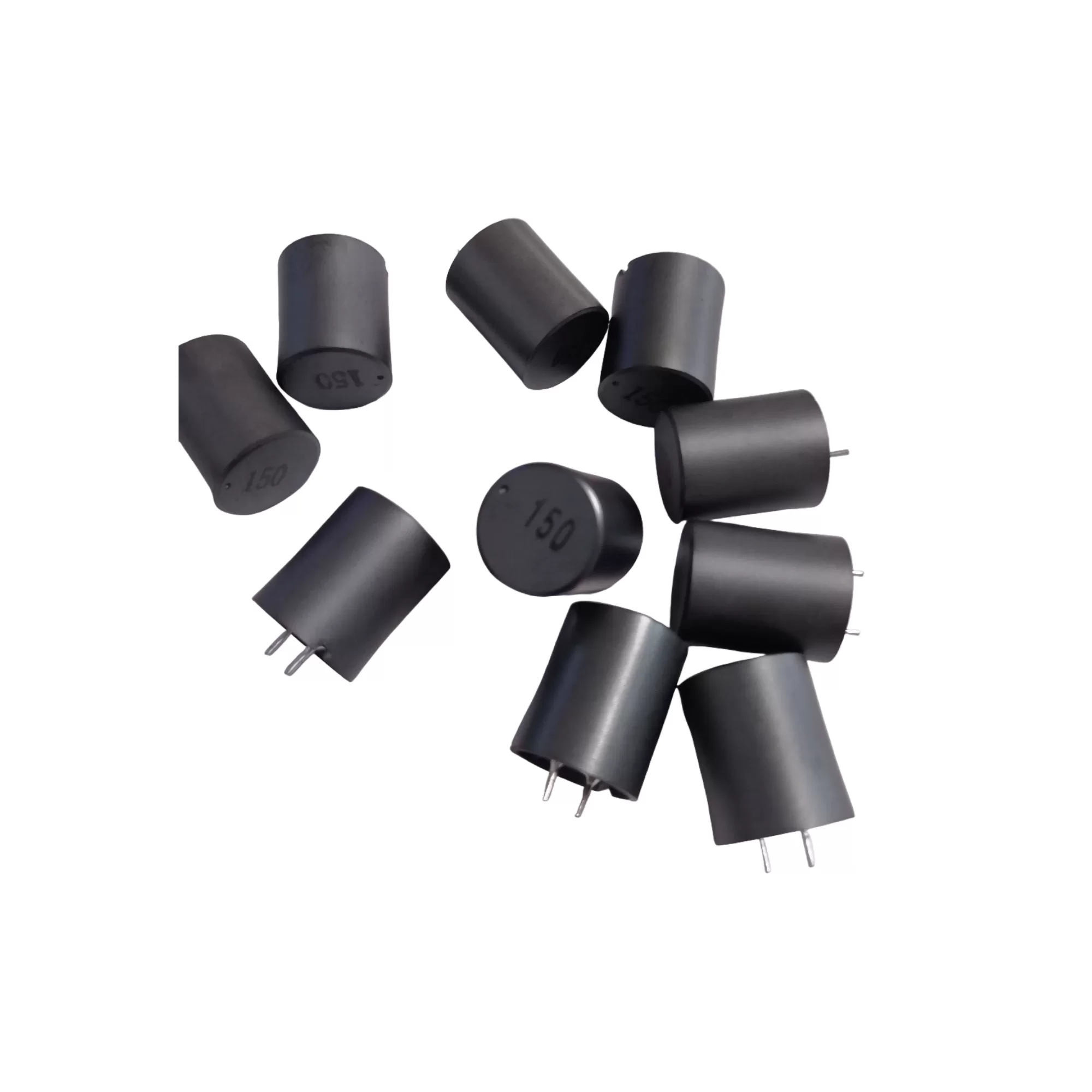
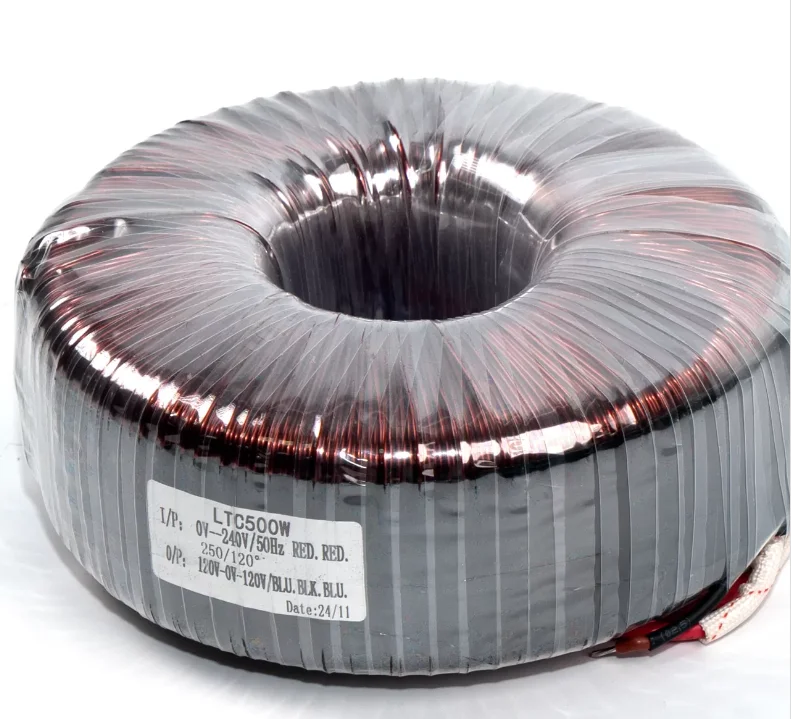
Capacitors, inductors, resistors — using premium materials influences the crossover’s effectiveness and noise levels.
Representative Crossover Auto Audio Specifications
| Feature |
Typical Value |
Notes |
| Filter Type |
Linkwitz-Riley 12 dB/oct |
Smooth crossover with minimal phase distortion |
| Frequency Split Points |
80 Hz (low-pass), 2.5 kHz (high-pass) |
Tuned for typical 3-way speaker setup |
| Power Handling |
Up to 150W RMS |
Suits most mid-range car audio amplifiers |
| Adjustability |
Variable crossover points, slopes |
Available in active DSP-integrated units |
Mini takeaway: The devil’s in the details. From filter types to material quality, every factor in crossover design influences how well your car’s sound system performs over time.
Real-World Applications of Crossover Auto Audio
It’s easy to overlook, but nearly every vehicle on the road—be it a compact car in Tokyo, a pickup truck in Texas, or a luxury sedan in Germany—uses some form of crossover auto audio. The diversity is staggering:
- Consumer vehicles: For better music experience and passenger comfort.
- Commercial vehicles: Fleets integrate alert sounds, intercoms with clear audio separation.
- Emergency & Public Service Vehicles: Where clear communication can be life-saving.
- Electric Vehicles: Require specially designed audio crossovers due to reduced engine noise and different cabin acoustics.
One intriguing example comes from remote industrial zones where dust and vibrations threaten speaker durability. Here, specially ruggedized crossover components help maintain sound clarity under tough conditions, boosting worker safety through clear alarms and communications.
Mini takeaway: Crossover auto audio is not just about good sound; it is about practicality, durability, and safety across varied environments worldwide.
Why Crossover Auto Audio Matters: Benefits & Value Beyond Sound Quality
Here’s the kicker: crossovers protect expensive speaker components from damage by blocking inappropriate frequencies. This translates into longer lifespan and less frequent replacements—big cost savings for manufacturers and consumers alike.
Plus, well-implemented crossovers add reliability to voice alerts and emergency sounds in vehicles, which emotionally translates into a feeling of safety and trust. Anecdotally, many drivers tend to choose cars with superior audio clarity because it feels like the brand cares about quality and detail.
Looking Ahead: Future Trends in Crossover Auto Audio
Manufacturers are increasingly integrating crossover functions into digital signal processors with computer AI-assisted tuning that adapts on the fly to cabin changes (like open windows). Green technology advances also push crossovers toward energy-efficient components with lower power consumption.
Additionally, new materials like nanocoated inductors and capacitors aim to reduce distortion and signal loss significantly. The rise of connected and autonomous vehicles will likely demand more sophisticated audio processing, blending crossover tasks with voice recognition and spatial audio setup.
Challenges and How the Industry is Addressing Them
Despite advancements, crossover design still faces challenges:
- Space constraints: Modern car cabins have limited room for bulky passive crossovers.
- Electromagnetic interference: Multiple electronic systems can cause noise issues.
- Customization complexity: Meeting varied user preferences requires smarter tuning.
Experts suggest shifting from traditional analog crossovers to DSP-based active crossovers for flexibility and integration. Manufacturers are also developing modular crossover units that simplify installation and maintenance.
FAQ: Frequently Asked Questions About Crossover Auto Audio
Q1: What advantage do active crossovers have over passive ones in cars?
A: Active crossovers use powered circuits and often integrate with DSPs, offering adjustable crossover points, slopes, and levels. This control results in better sound customization and protection compared to passive crossovers, which are fixed and rely solely on passive components.
Q2: Can a bad crossover damage my car speakers?
A: Absolutely. If frequencies are not properly filtered—say, low bass signals reach tweeters—the speakers can distort or even get damaged. A good crossover prevents this by routing appropriate signals to each speaker type.
Q3: How do crossovers affect in-car voice assistant clarity?
A: By isolating frequency bands and reducing noise overlap, crossovers help preserve the intelligibility of voice commands, which means you can interact more reliably with your onboard assistant without mishearing.
Q4: Are crossover designs standardized across all car manufacturers?
A: No, crossover designs vary widely. Many manufacturers customize crossover parameters to match their speaker setup and desired sound signature, while aftermarket options let enthusiasts tailor crossovers further.
Conclusion: The Sound Investment That Keeps on Giving
In the grand scheme, crossover auto audio might seem like just another technical detail, but it sits firmly at the crossroads of audio quality, speaker longevity, and user safety in vehicles worldwide. As cars evolve with new tech and demands, crossover design only grows more vital.
If you want to understand how to get the best from your car’s audio system or explore innovative crossover solutions, don’t hesitate to visit our website. Tuning your sound isn’t just about noise — it’s about the whole ride experience.
Vendor Comparison: Leading Crossover Auto Audio Solutions
| Vendor |
Type |
Adjustability |
Power Handling |
Price Range |
| ClearSound Dynamics |
Active DSP |
Fully programmable |
Up to 200W RMS |
$$$ |
| AutoTone Electronics |
Passive |
Fixed |
Up to 150W RMS |
$ |
| DSP Innovations |
Active DSP |
User-tunable presets |
Up to 180W RMS |
$$ |
In the end, whether you’re an audiophile, an engineer, or just a curious driver, paying attention to your crossover auto audio is a smart move. It’s kind of like the unsung hero of your car’s soundscape.
- ISO 5127: Information and documentation – Vocabulary
- Audio Crossover – Wikipedia
- OICA Motor Vehicle Production Statistics