
Hit enter to search or ESC to close
28 February 2026
An electronic crossover is a crucial component in high-performance car audio systems. It directs specific frequency ranges to the appropriate speakers – tweeters, mid-range, and woofers – optimizing sound quality and preventing damage. This article will explore the function, types, benefits, and key considerations when selecting an electronic crossover, helping you build the ideal audio setup for your vehicle. Investing in a quality crossover is essential for unlocking the full potential of your car's sound system.
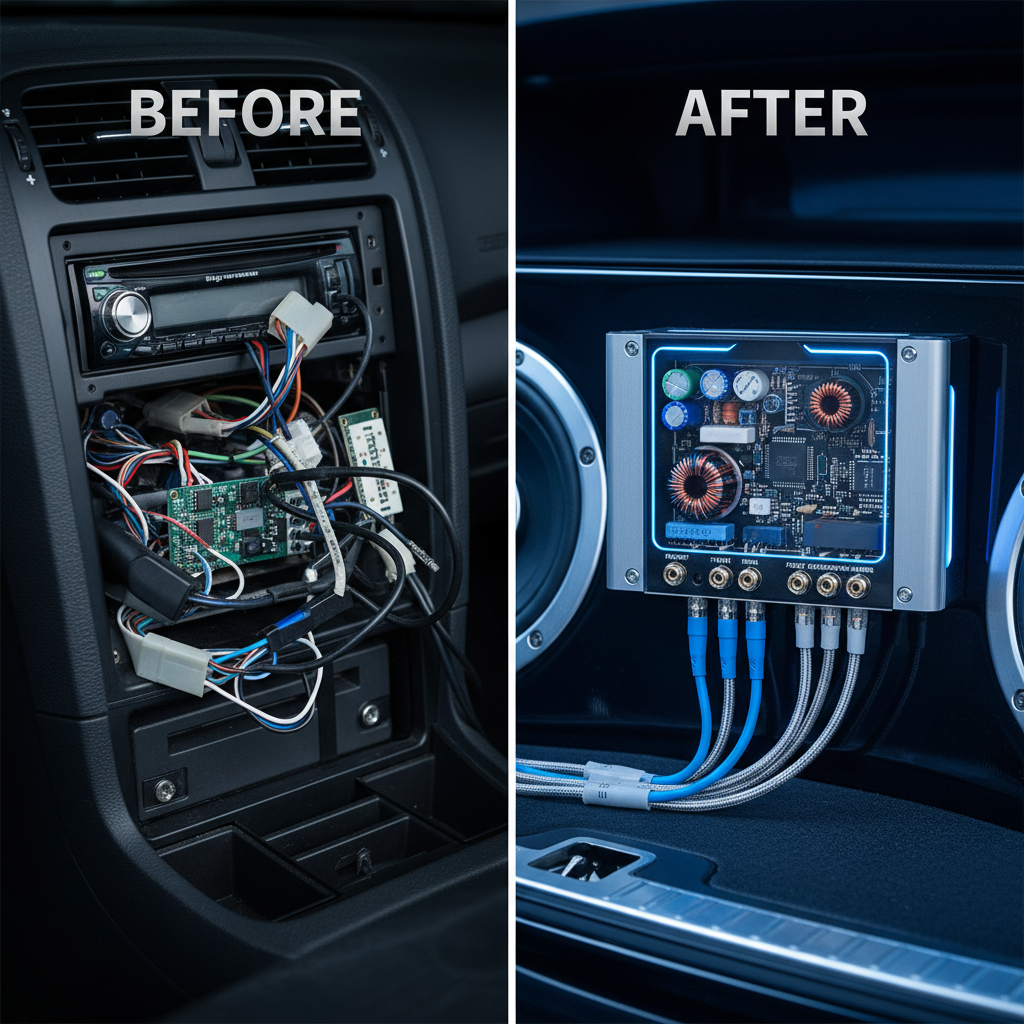
Simply put, an electronic crossover is a filter that divides the audio signal into different frequency bands. Each band is then sent to the speaker best suited to reproduce those frequencies. Tweeters handle high frequencies, mid-range speakers manage the mid-frequencies, and woofers reproduce the low frequencies. Without a crossover, all frequencies would be sent to all speakers, resulting in distorted sound, damaged tweeters (due to attempting to play low frequencies), and inefficient overall performance. XCD Magnetic offers a variety of high-quality electronic crossovers to meet diverse needs.
Key Benefit: Protects speakers from damaging frequencies and optimizes sound clarity by directing each frequency range to the appropriate driver.
There are several types of electronic crossovers, each with its own characteristics and applications. The most common include:
Crossover Type Comparison:
• Passive: Simple, affordable, potential signal loss.
• Active: Precise, flexible, requires power.
• DSP: Ultimate control, advanced processing, higher cost.
Selecting the right crossover involves several key considerations. First, determine the number of channels you need (2-way, 3-way, 4-way, etc.). This depends on the number of speaker drivers in your system. Second, consider the slope of the crossover. This refers to the rate at which frequencies are attenuated. Steeper slopes provide sharper filtering, while shallower slopes offer a more gradual transition. Finally, think about the adjustability you require. Active crossovers and DSPs offer more control over crossover points and slopes than passive crossovers.
The advantages of using an electronic crossover are numerous. Improved sound quality, speaker protection, increased efficiency, and greater control over your audio system are just a few. By accurately directing frequencies to the appropriate speakers, a crossover minimizes distortion, maximizes clarity, and enhances the overall listening experience.
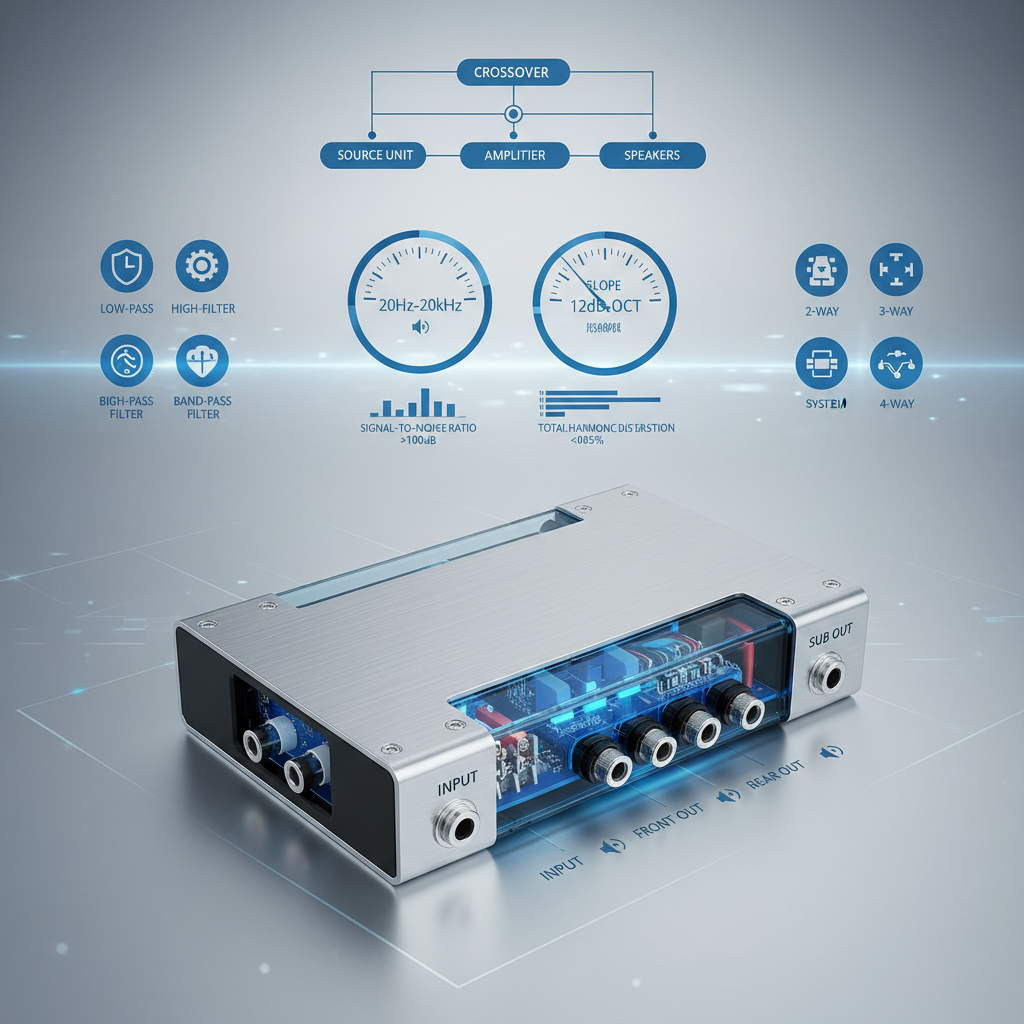
An electronic crossover is a vital component for any serious car audio enthusiast. It ensures optimal sound quality, protects your speakers, and unlocks the full potential of your audio system. Explore the options available at XCD Magnetic to find the perfect crossover for your needs.
A 2-way crossover splits the audio signal into two frequency bands: highs for the tweeters and lows/mids for the woofers. A 3-way crossover divides the signal into three bands: highs for the tweeters, mid-range for dedicated mid-range speakers, and lows for the woofers. A 3-way crossover allows for more precise sound control and can improve clarity, especially in systems with dedicated mid-range drivers. However, they are typically more complex to set up and require more components.
Yes, you can use a passive crossover with an amplifier. However, the amplifier should be connected before the passive crossover. The amplifier boosts the signal before it is filtered by the crossover. Connecting the amplifier after the crossover would amplify a weakened signal, resulting in reduced power and sound quality.
Crossover frequency is the point at which the audio signal is divided between different speakers. For example, a crossover frequency of 3kHz means that frequencies below 3kHz are sent to the woofers, and frequencies above 3kHz are sent to the tweeters. Choosing the correct crossover frequency is crucial for achieving balanced and accurate sound reproduction. This frequency is measured in Hertz (Hz).