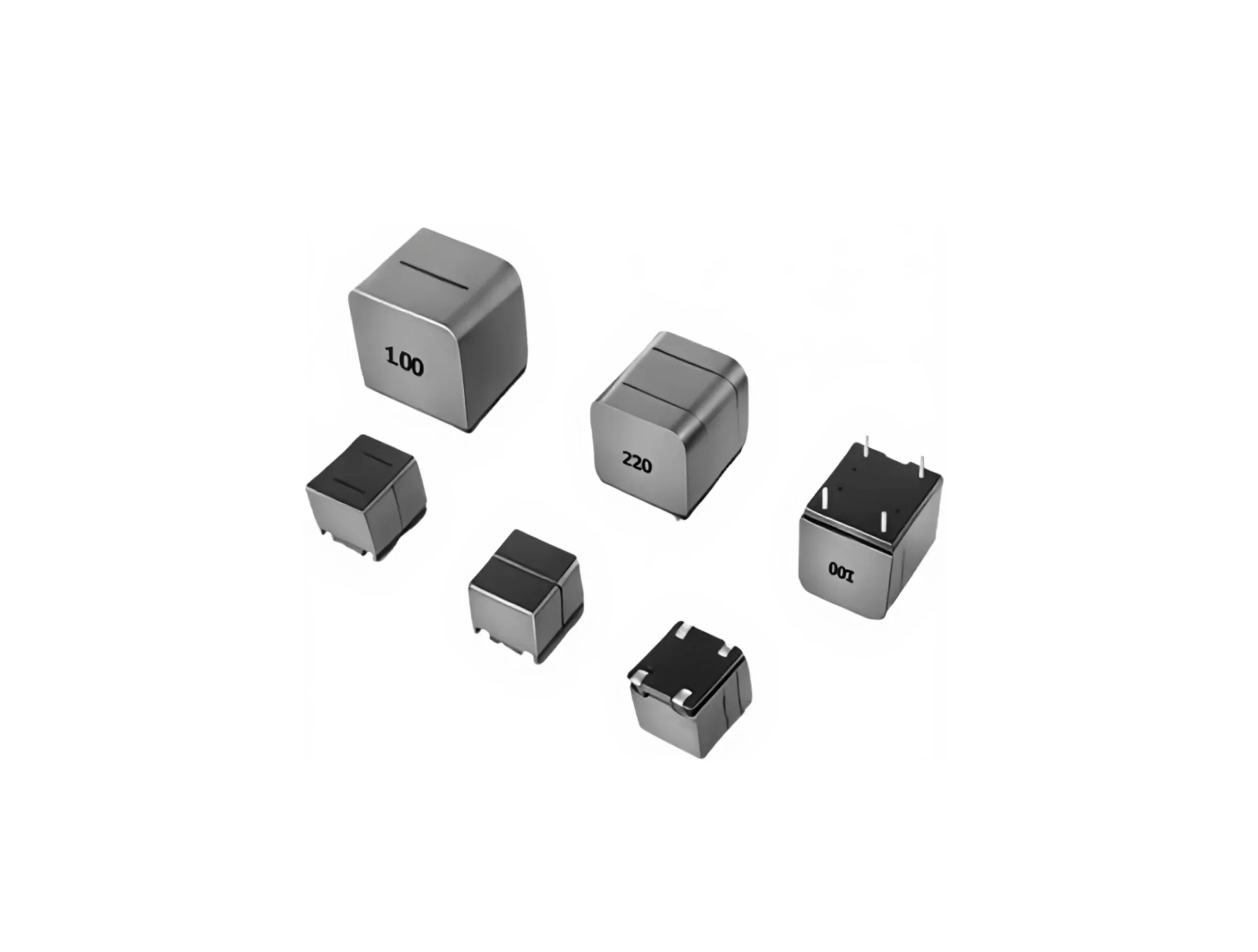

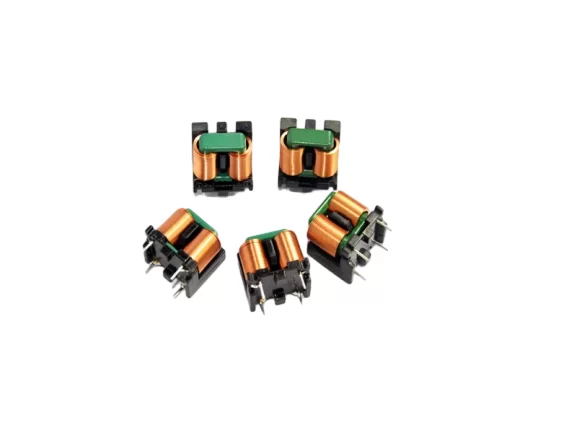
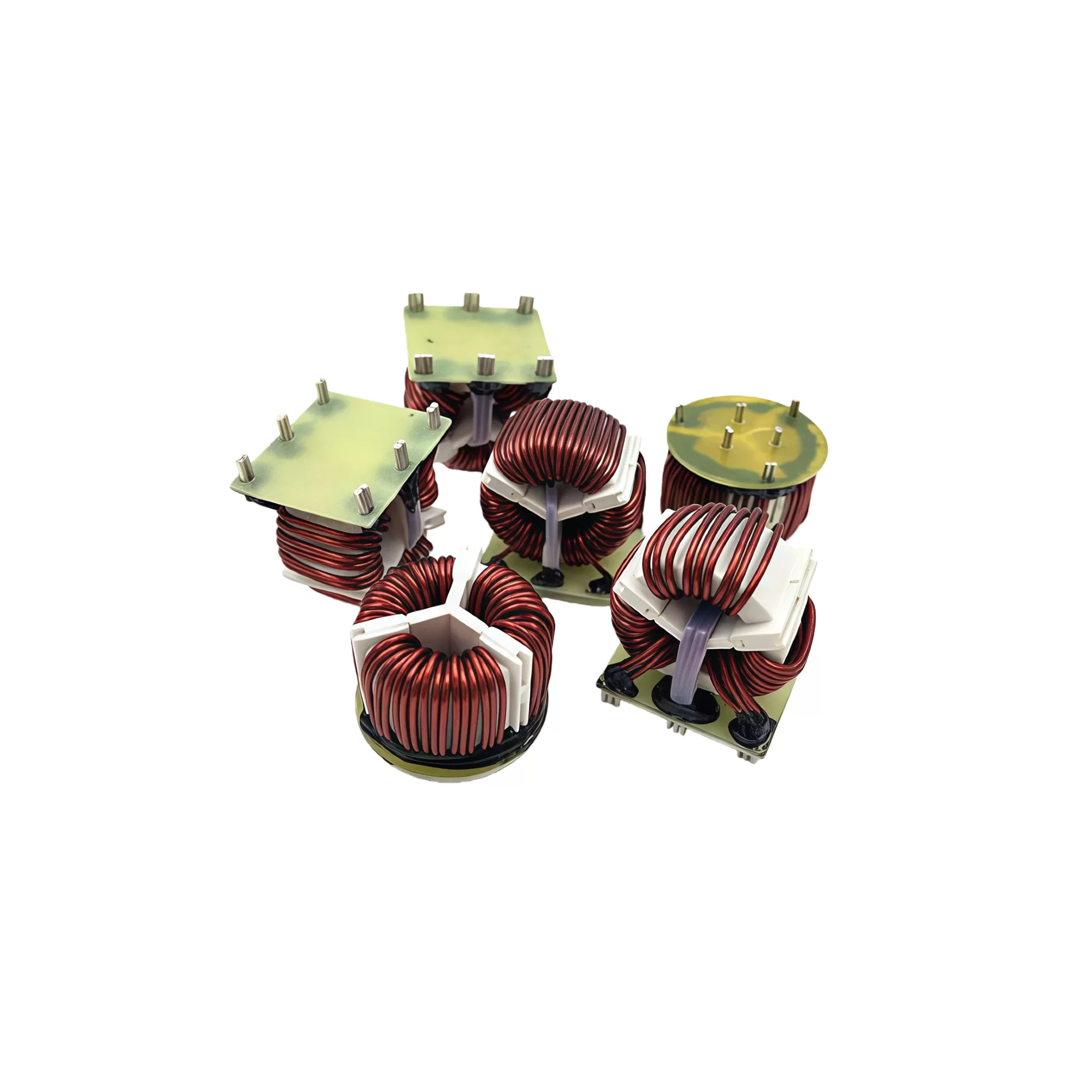
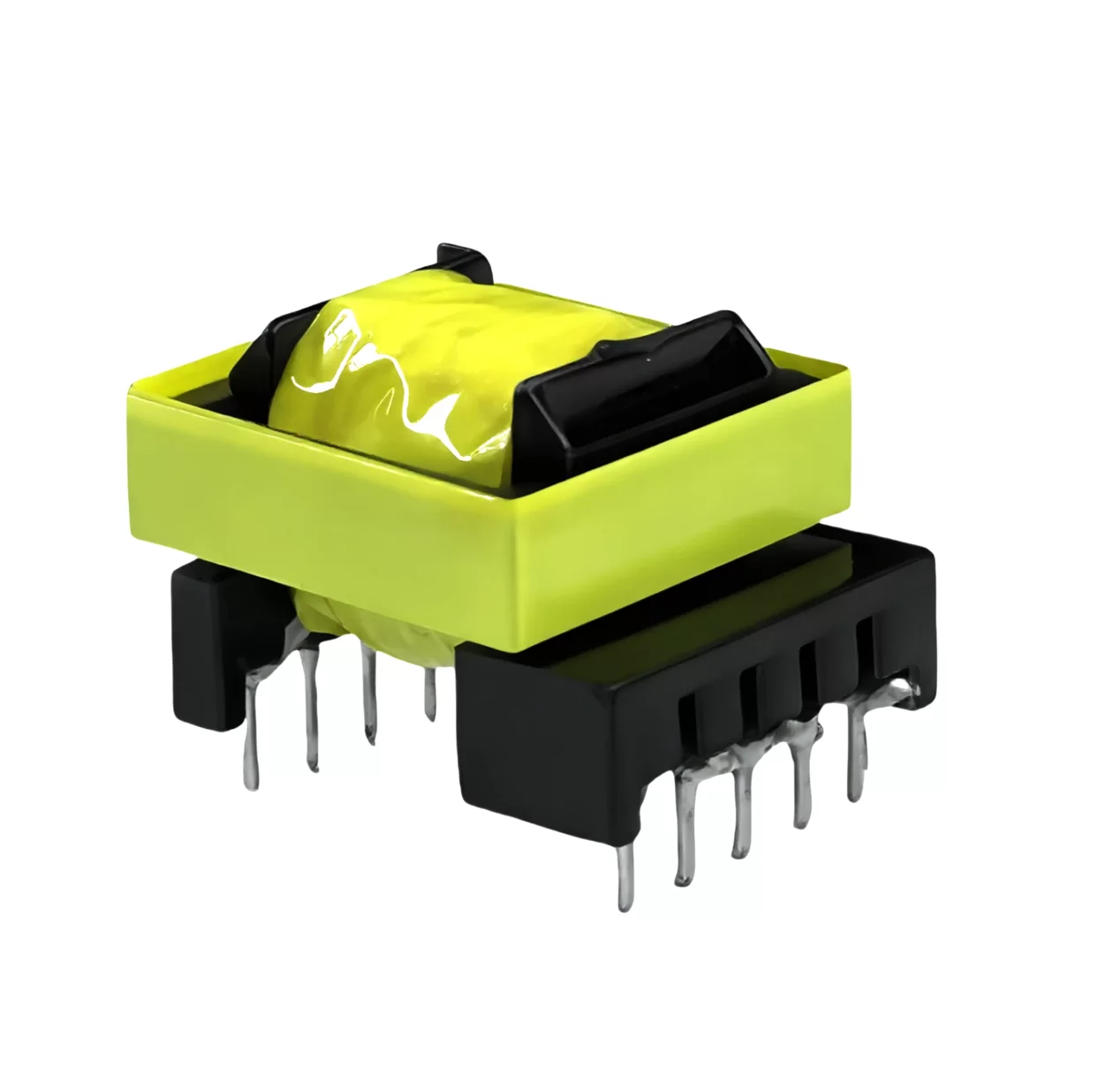
The United Kingdom's electronic manufacturing sector is currently undergoing a transition toward highly efficient, compact power systems. With a strong emphasis on Green Industrial Revolution goals, there is an increasing demand for a precise coupled inductor model that can minimize energy loss in urban infrastructure and smart city deployments.
Geographically, the UK's focus on high-frequency trading hubs in London and aerospace clusters in the Midlands necessitates components with extreme thermal stability. The adoption of the bead inductor has become critical for suppressing high-frequency noise in these sensitive environments, ensuring that EMI does not compromise critical data transmission.
Economically, the shift toward domestic semiconductor resilience has pushed UK engineers to seek components that offer both high saturation currents and small footprints. This has led to a surge in the utilization of the drum inductor for its versatility in power filtering applications across various consumer electronic devices produced locally.