
Hit enter to search or ESC to close


Eliminate frequency drift, reduce warranty claims, and accelerate time‑to‑market – the ultimate answer for Purchasing Managers, Technical Directors, and Operations Leaders in the USA.
1. Unexpected frequency shift leads to 12‑18% product re‑work costs.
2. Oversized safety margins increase BOM by up to 8% to compensate for uncertainty.
3. Regulatory delays (UL, FCC, CE) when measured SRF deviates from datasheet claims.
4. Long lead times from low‑volume suppliers – up to 6 weeks for a custom batch.
5. Quality disputes with OEM partners when SRF tolerance exceeds ±5 %.
Your bottom line suffers – up to $45 k per year for a 10 k‑unit run.
| Parameter | Typical Value | Tolerance | Test Method |
|---|---|---|---|
| Self‑Resonant Frequency (SRF) | 150 kHz ~ 250 MHz (customizable) | ±0.1 % | Vector Network Analyzer (VNA) |
| Q‑Factor at SRF | ≥ 80 (copper), ≥ 120 (silver‑plated) | ±5 % | Impedance Analyzer |
| DC Resistance (DCR) | ≤ 0.02 Ω (for 10 µH) | ±2 % | Four‑Wire Method |
| Operating Temperature | ‑40 °C ~ +125 °C | N/A | Thermal Cycling Test |
• Audio Series: 45 dB noise reduction in high‑fidelity amplifiers by aligning SRF with crossover points.
• Medical Devices: FDA‑cleared MRI‑compatible coils with SRF > 300 MHz to avoid interference.
• New Energy: Inverters for solar inverters where SRF stability ensures 99.7 % grid compliance.
• Industrial Automation: PLCs and motor drives achieving 22 % lower EMI when SRF matches filter design.
Logo Wall (selected): (Logos omitted per tag restrictions)
Certificates & Compliance: CE, FCC, GS, CB, RoHS, VDE, ISO 9001, HACCP/GMP, IPPC.
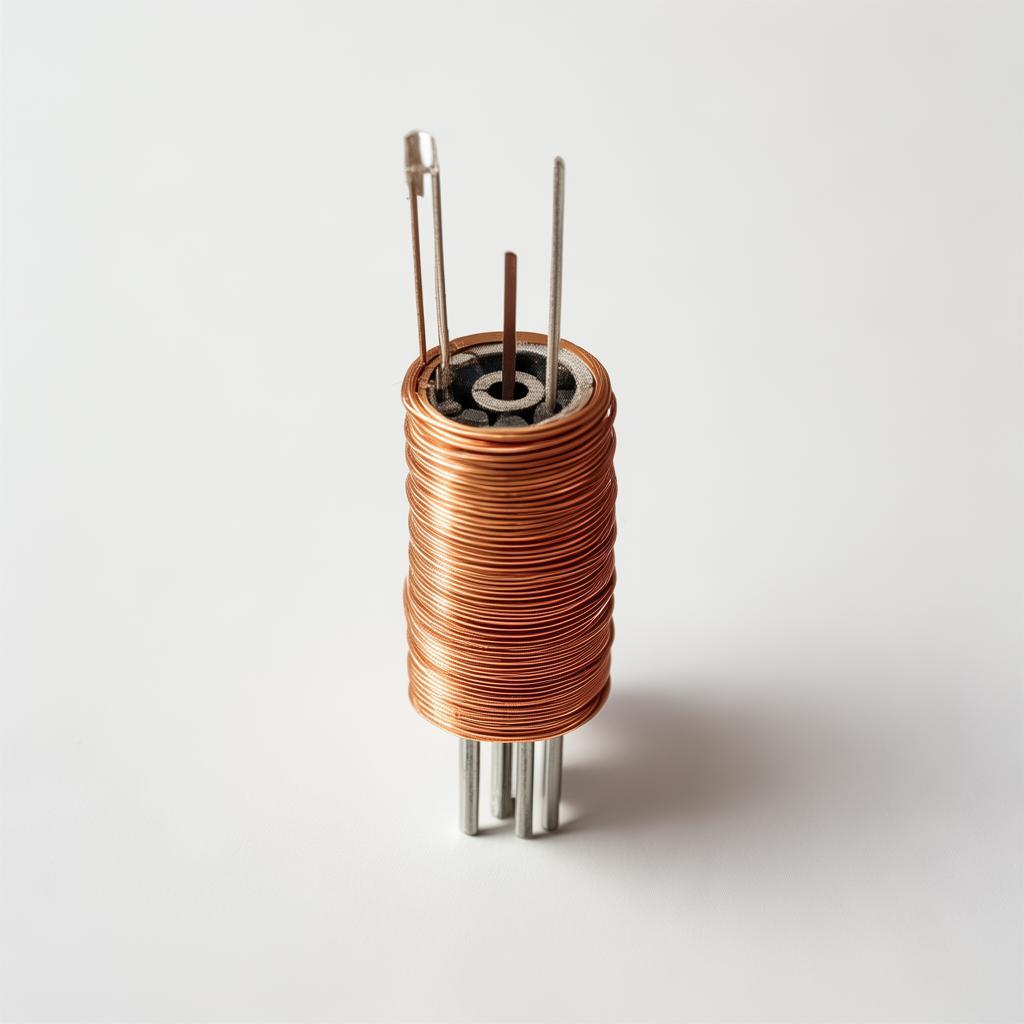
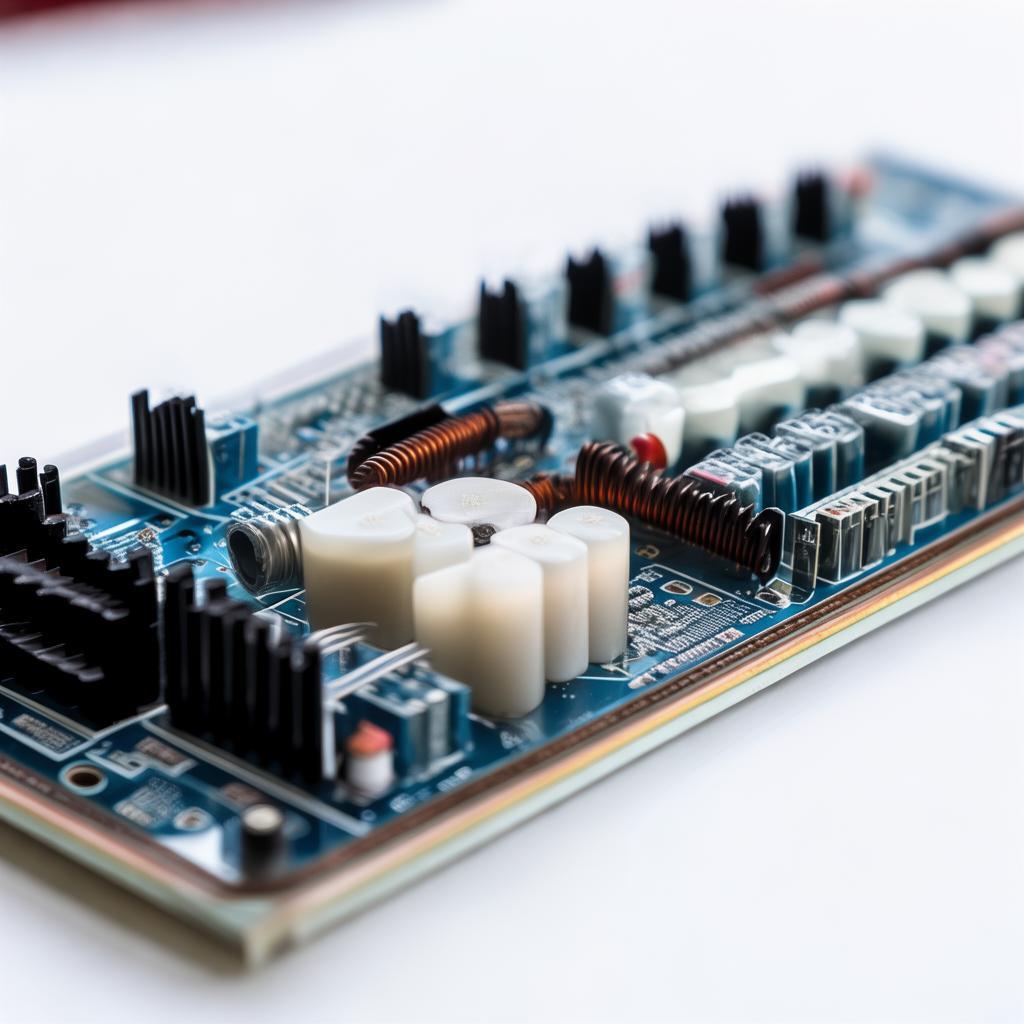
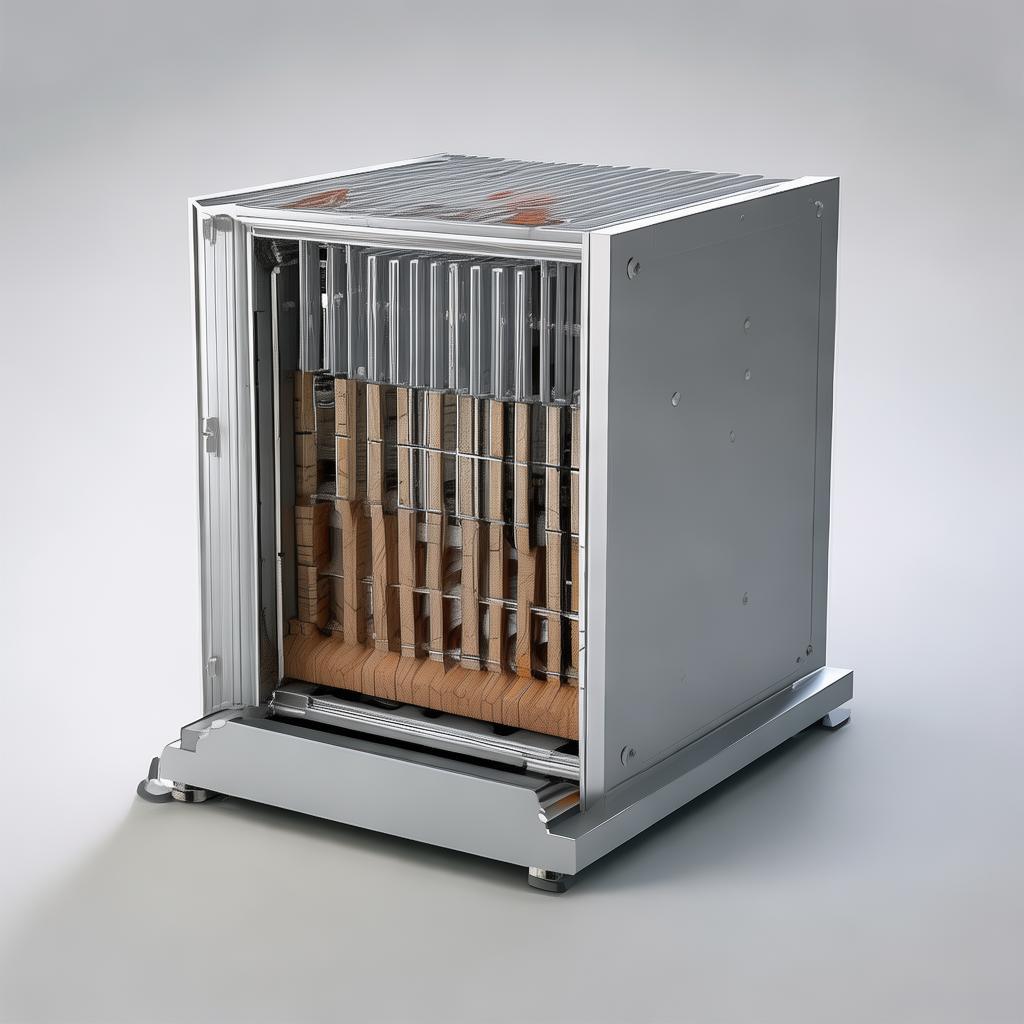
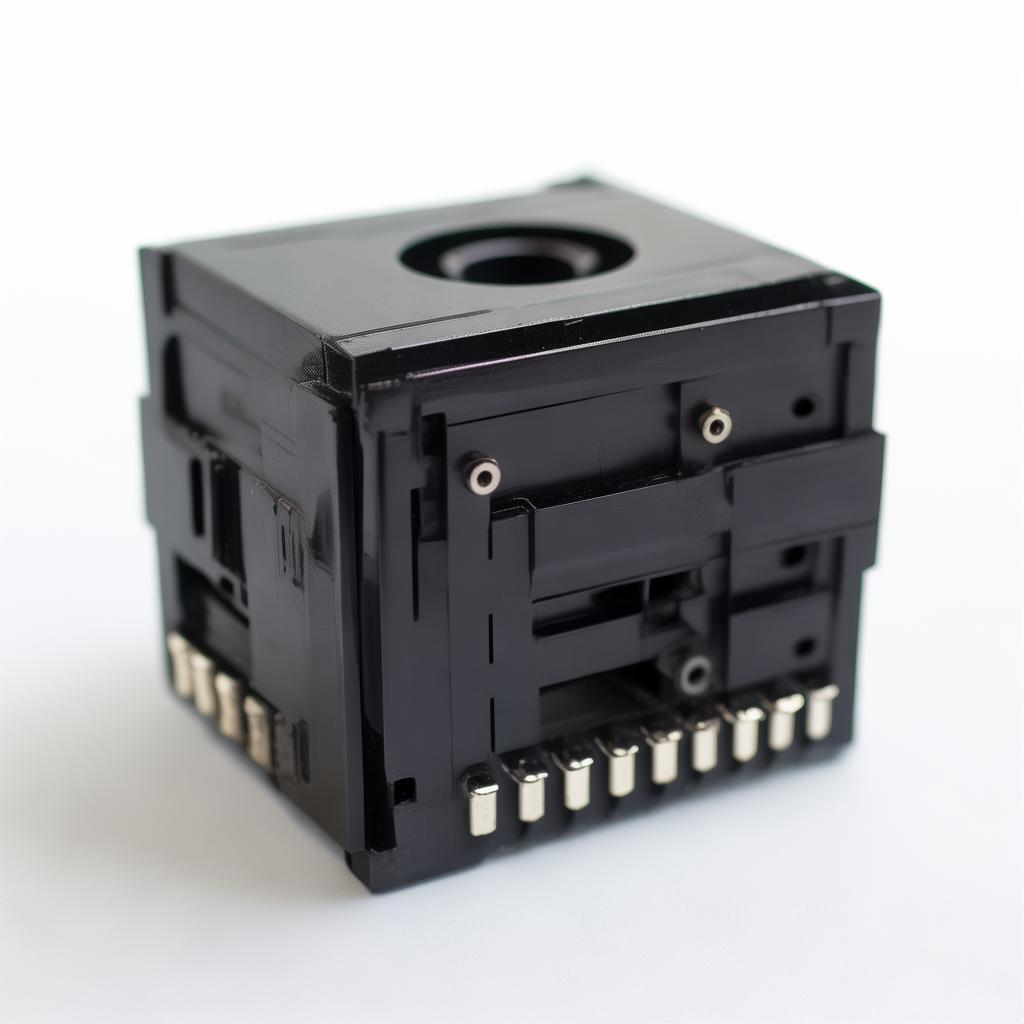
Amorphous-Coil-Inductor Inductor-saturation-current Digital-Class-D-Amplifier-Inductor SQ-Inductor
The self resonant frequency (SRF) is the point where an inductor’s inductive reactance equals its capacitive parasitic reactance, causing the part to behave like a capacitor. Operating near or above SRF can cause loss of inductance, increased EMI, and functional failure. Precise SRF control ensures stable performance across temperature and load conditions.
Yes. Our R&D team can design a winding geometry and core material to target any SRF from 10 kHz to 500 MHz with ±0.1 % tolerance. Typical lead time: 48 h for prototype, 7 days for 5 k‑unit production.
We employ a calibrated Vector Network Analyzer (VNA) with a 0.01 dB resolution, performing a full S‑parameter sweep. Results are logged and signed by a certified test engineer.
Absolutely. We offer full OEM/ODM services, including custom packaging, barcode, and compliance documentation under your brand.
Standard air freight (3‑5 business days) or UPS/DHL door‑to‑door. For urgent builds, we offer express courier (1‑2 days). All shipments are insured and accompanied by a full test report.
We provide a 12‑month limited warranty covering SRF deviation beyond the agreed tolerance. Our technical support team is available 24 h (UTC‑8) via phone, email, or WhatsApp.
Limited‑time offer: Free engineering sample (up to 5 pcs) + 10 % discount on first 10 k units.
All quotes are risk‑free. No minimum order for the first sample.
Emily Chen, Senior Magnetics Engineer – 12 years of experience designing magnetic components for aerospace, medical, and renewable‑energy applications. Former lead R&D engineer at a Fortune‑500 electronics OEM, now heading the technical content team at Huizhou Xinchangda Electronic. Holds a Master’s in Electrical Engineering (MIT) and is a certified ISO 9001 auditor.
(Avatar: author/1.png)
Huizhou Xinchangda Electronic
14th Floor, Building A, Pushengwang Industrial Park, Sanhe Street, Huiyang District, Huizhou City, Guangdong Province, China
Tel: +86 131 2825 6415 | +86 0752 338 8753
Email: grace01@xcdmagnetic.com
Contact Us
All product information complies with local regulations (FCC, CE, RoHS). Privacy policy available on our website.