
Hit enter to search or ESC to close


Stop overpaying for mismatched components. A data-driven comparison to help Procurement Managers and Technical Directors select the right capacitor for 2026 production lines.
Get Free Quote in 24hIn 2026, the margin for error in B2B electronics manufacturing is non-existent. When you face the choice between electrolytic vs ceramic capacitor, a misstep isn't just a technical glitch; it's a financial drain.
Many procurement teams face these critical pain points:
Micro-CTA: Don't let component selection risk your project timeline. See the solution below.
Understanding the fundamental differences between electrolytic vs ceramic capacitor technologies is crucial for optimizing your Bill of Materials (BOM).
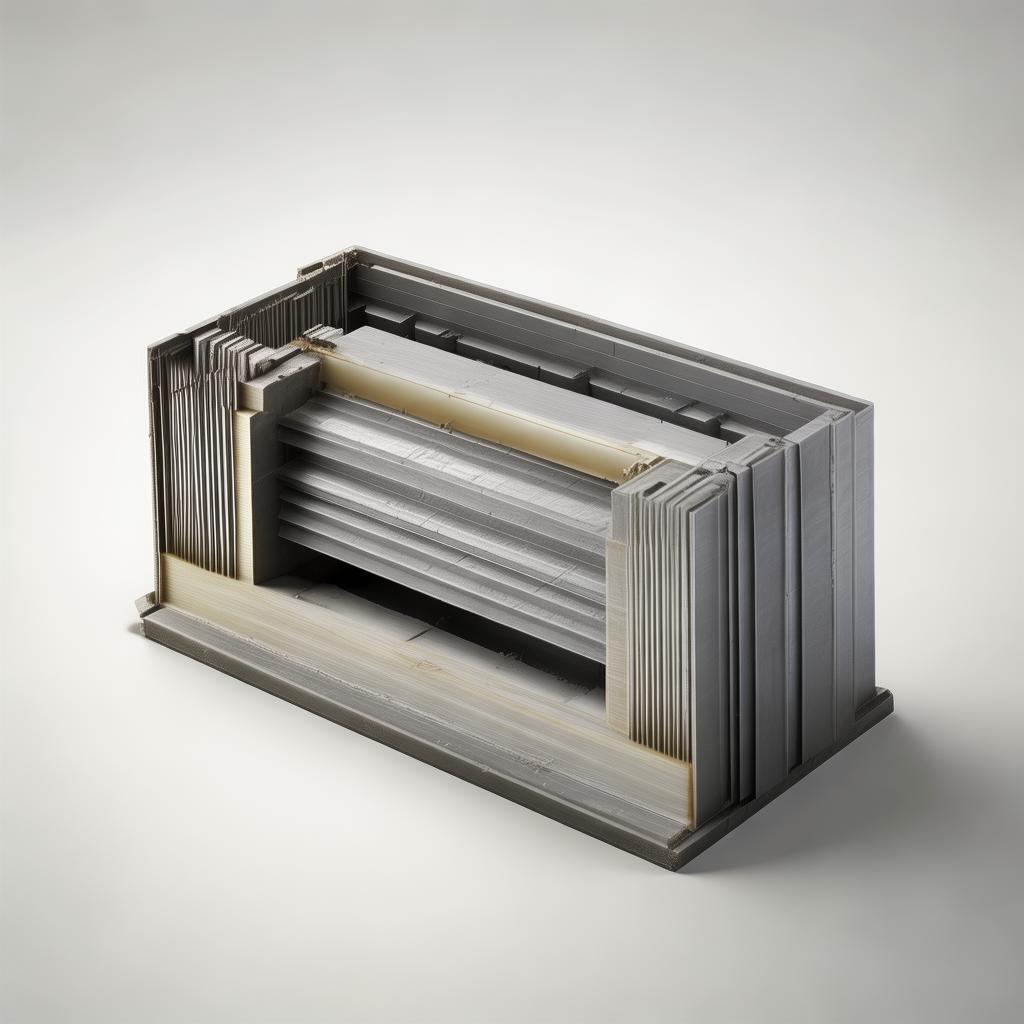
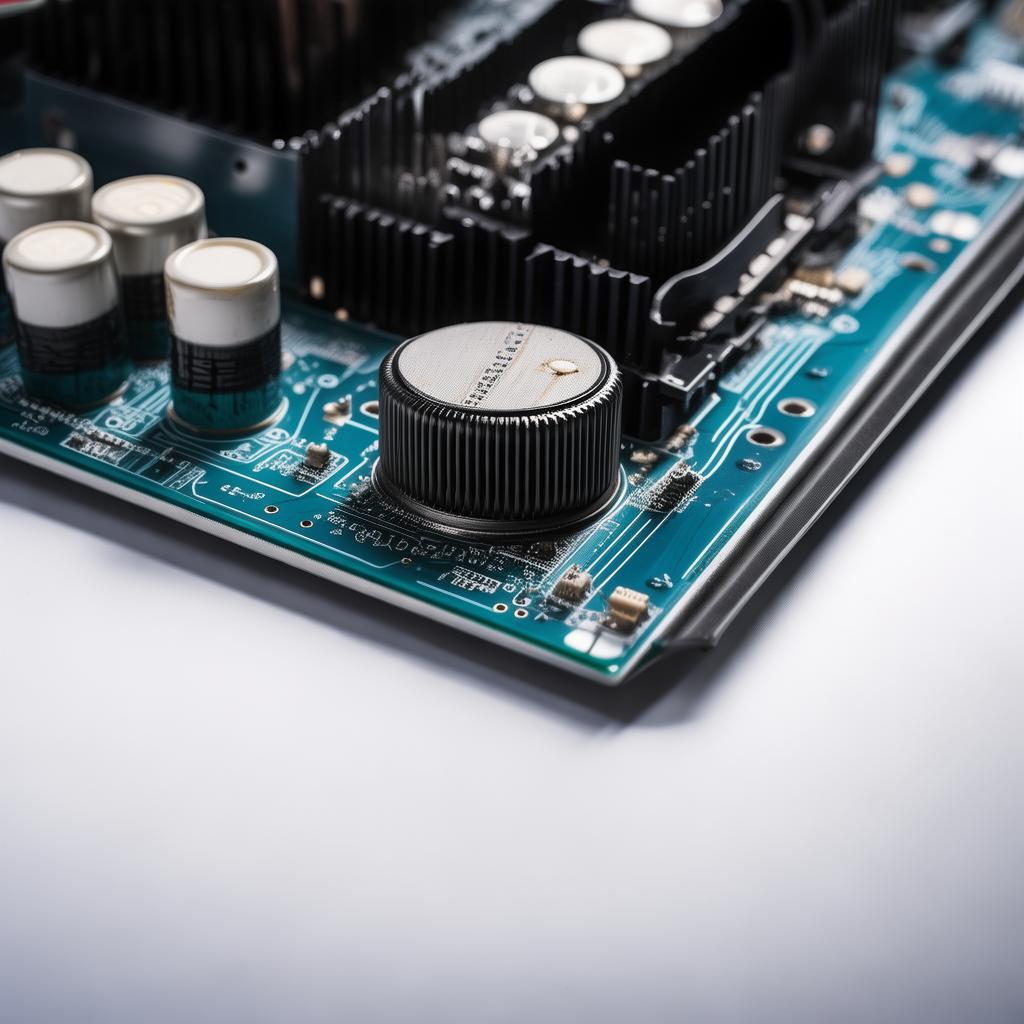
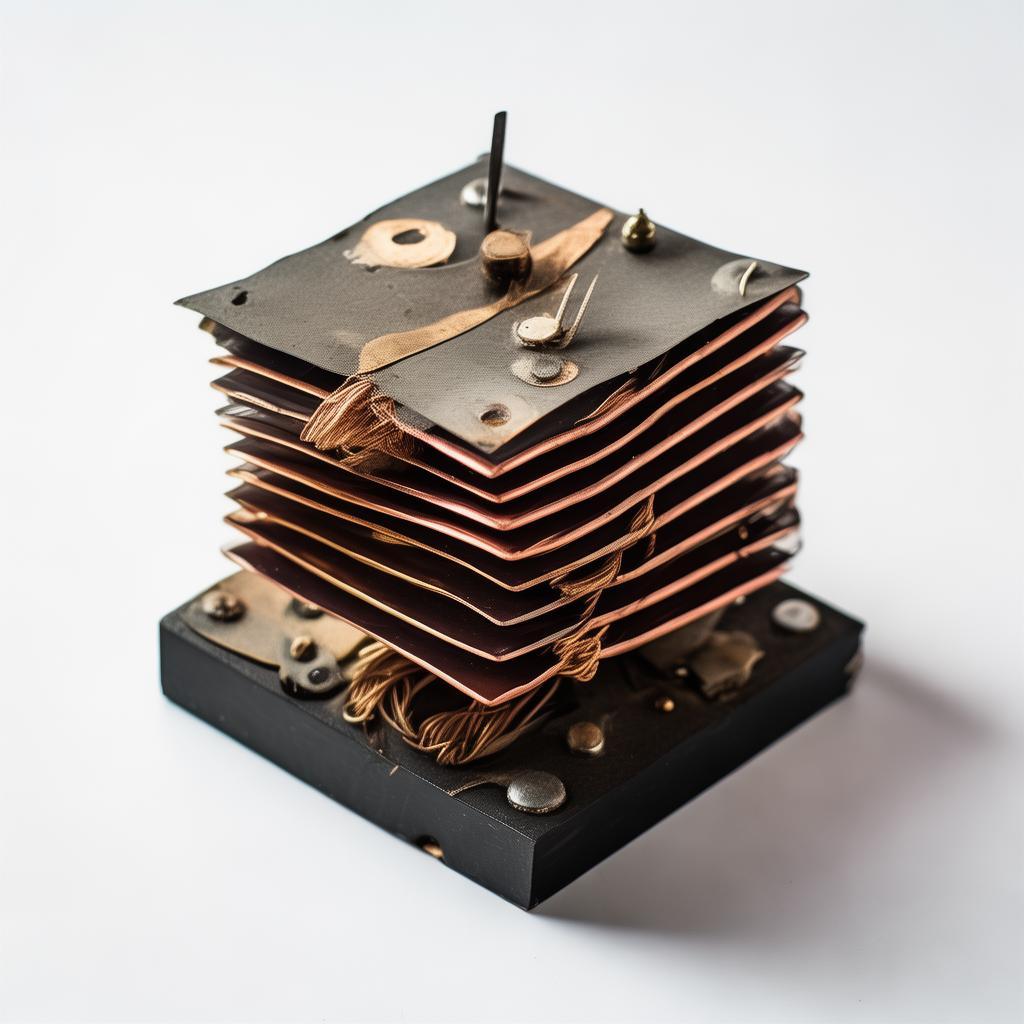
Best for high capacitance and high voltage applications. They use a liquid or gel electrolyte to achieve high energy density but suffer from higher Equivalent Series Resistance (ESR) and limited lifespan due to electrolyte evaporation.
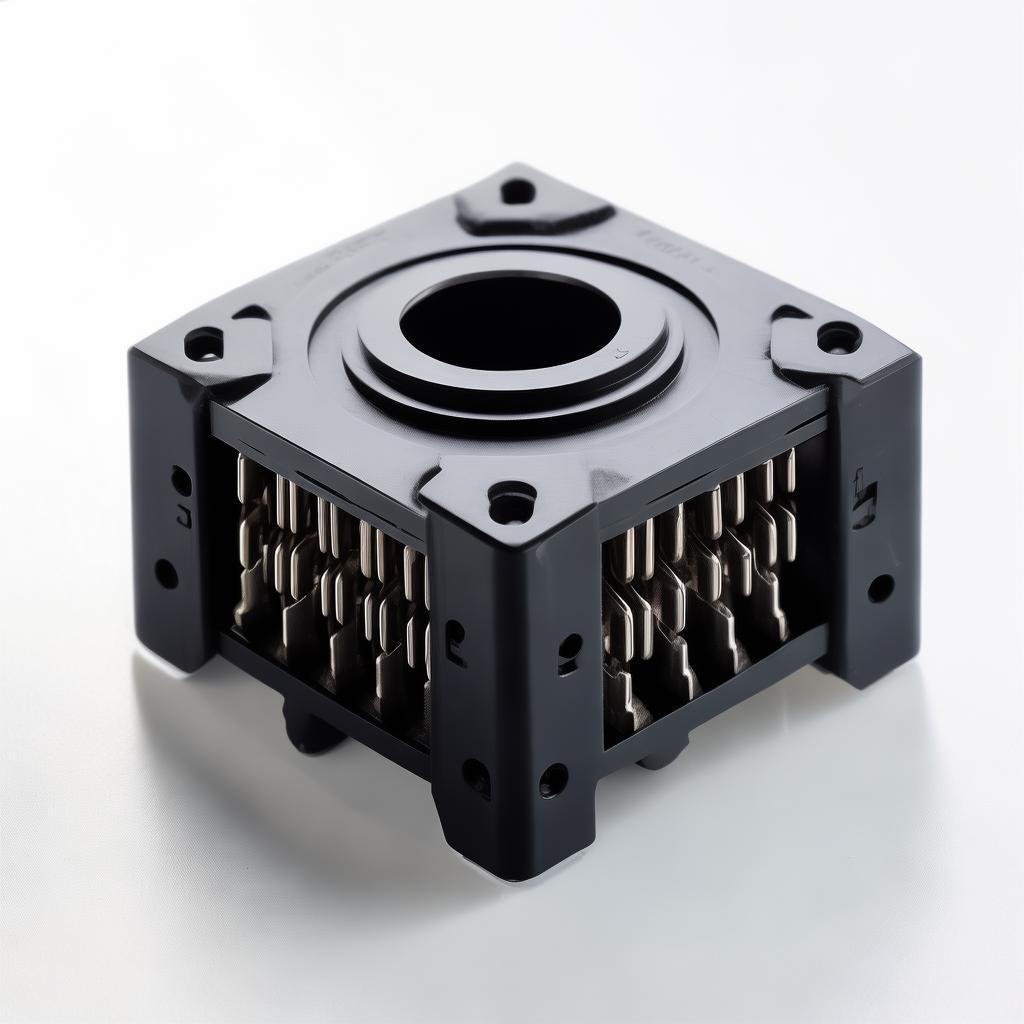
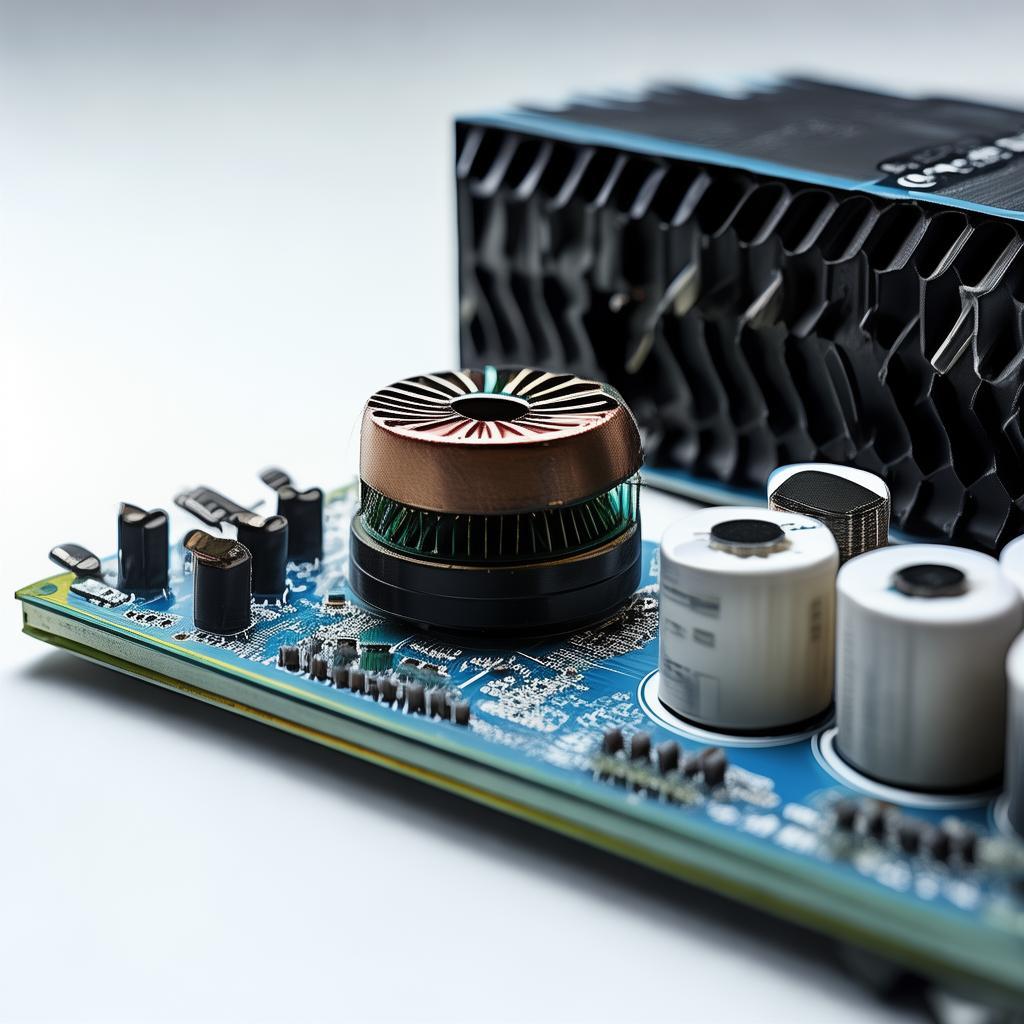
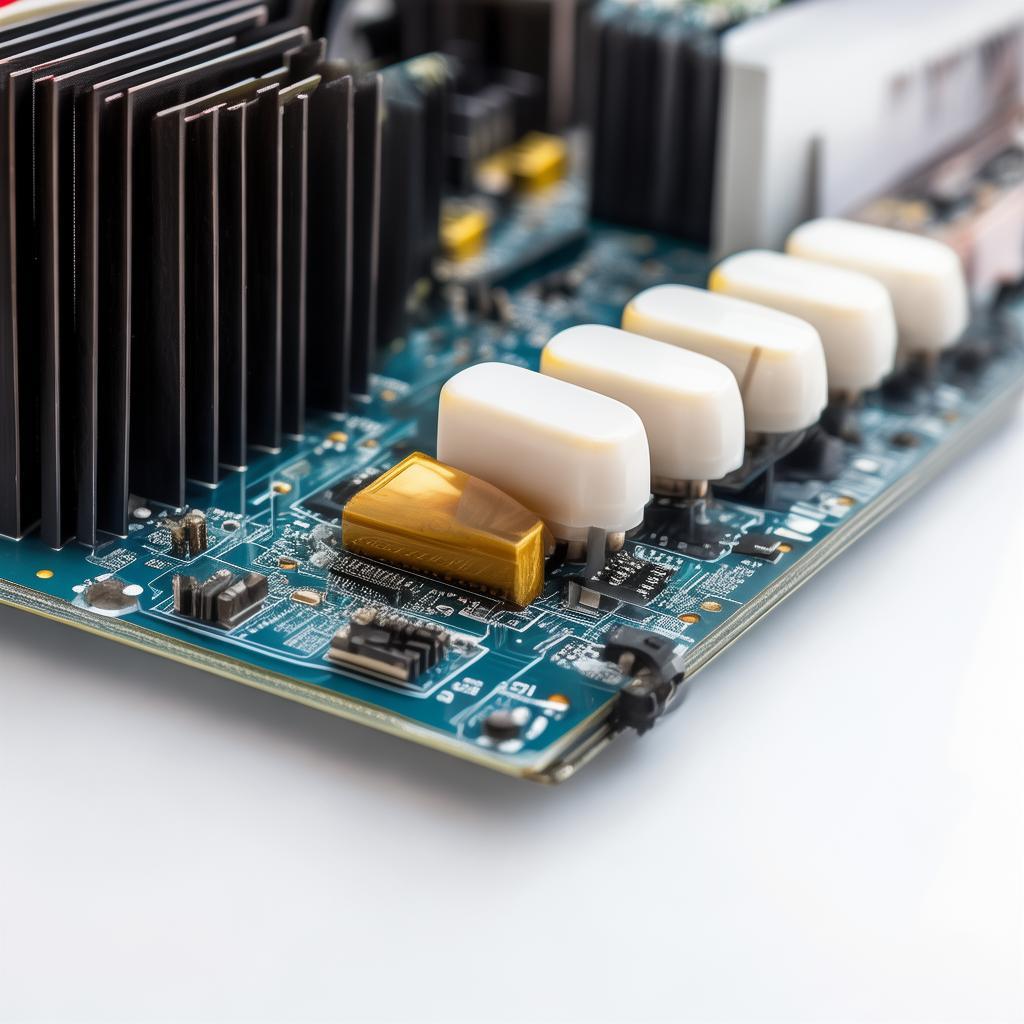
Ideal for high-frequency decoupling and filtering. They offer superior stability, low ESR, and no polarity. However, they can suffer from microphonics and capacitance loss under high DC bias depending on the dielectric material.
| Feature | Electrolytic Capacitor | Ceramic Capacitor (MLCC) |
|---|---|---|
| Capacitance Range | 0.1µF – 1,000,000µF (High) | 0.5pF – 100µF (Low to Medium) |
| Voltage Rating | Up to 600V+ (Excellent for High Voltage) | Up to 3kV (Standard), but drops with size |
| ESR (Equivalent Series Resistance) | Higher (Heat generation risk) | Very Low (Excellent for high freq) |
| Lifespan | Limited (2k–10k hours, degrades with heat) | Effectively infinite (Solid state) |
| Polarity | Polarized (Must observe correct orientation) | Non-Polarized (Flexible placement) |
| Cost per Unit | Low for high capacitance | Low for small values, high for large values |
Micro-CTA: Need a custom mix for your specific circuit? Request an OEM Consultation.
With 14 years of experience and a 5,000㎡ facility, we bridge the gap between complex capacitor requirements and reliable supply chain execution.
"The lead time on our MLCCs was cut in half. Xinchangda's quality control on the electrolytic line ensured our motor drives passed rigorous thermal testing."
– Director of Engineering, Industrial Automation Co.
"We needed a hybrid solution for a new medical device. Their R&D team provided the exact capacitance balance we needed, ensuring FDA compliance."
– Procurement Manager, MedTech Solutions
Certified Quality & Compliance:
ISO 9001 | RoHS | REACH | CE | UL | IATF 16949 (Automotive Grade) | IPC Standards

"We were struggling with high failure rates from generic electrolytics. Switching to Xinchangda's custom wound capacitors reduced our warranty claims by 35% in the first year. Their OEM service is unmatched."

"The team helped us navigate the 'electrolytic vs ceramic' dilemma for our new power supply. They provided samples within 48 hours and the technical data was spot on. Highly recommended for B2B."

"Reliability is key. Xinchangda's automated lines ensure consistency we haven't found elsewhere in Asia. The price point is competitive, but the quality is where they truly shine."
Choose electrolytic when you need high capacitance values (>1µF) for energy storage, filtering low-frequency noise, or handling high DC voltage in power supplies. Ceramic is better for high-frequency decoupling.
Standard orders are typically shipped within 7-10 days. For custom OEM/ODM projects involving specific voltage ratings or sizes, lead times range from 15-25 days depending on volume.
Yes. We provide free samples for qualified B2B buyers to test against your specific circuit requirements. Contact our sales team to request a sample kit.
Absolutely. All our products are 100% RoHS and REACH compliant, ensuring they meet the strict environmental standards for the USA, EU, and other global markets.
Yes, our R&D team specializes in custom designs. Whether you need specific terminal spacing, height restrictions, or unique voltage ratings, we offer full ODM services.
Don't let component shortages delay your production. Get competitive pricing and guaranteed delivery from Huizhou Xinchangda.
Special Offer: Order 50,000+ units this month and receive a Free Technical Audit of your BOM.
*Offer subject to availability. Terms and conditions apply.

Written by David Chen
Senior Component Specialist & Supply Chain Strategist
With over 15 years in the electronic component manufacturing sector, David leads the technical sales strategy at Huizhou Xinchangda. He specializes in optimizing BOM costs for industrial and medical applications, bridging the gap between complex engineering requirements and global supply chain efficiency.