
Hit enter to search or ESC to close
25 November 2025
If you’re diving into the world of electrical components, you might often hear about a toroidal transformer—a little gadget with a big role. Essentially, it steps electrical voltage up or down, shaping the flow of power to suit precise needs. Why the fuss about 24 volts and this doughnut-shaped design? Because these transformers bring reliability and efficiency into everything from hospital devices to renewable energy setups, serving critical hubs globally.
Understanding these transformers is not just an engineer’s obsession; it touches on how electricity powers modern life more sustainably. In a world urgently pivoting to smarter energy solutions, grasping the benefits and applications of toroidal transformers means getting a glimpse of cleaner, safer, and more cost-effective power distribution.
Mini takeaway: A toroidal transformer is a small but mighty device shaping safer, efficient power delivery worldwide, crucial to modern energy solutions.
Let’s zoom out for a moment — why should this specific transformer catch anyone’s attention at the global level? According to data from the International Energy Agency (IEA), electricity demand is expected to grow steadily worldwide, pushing innovations in how power can be transmitted with minimal loss. Their toroidal shape uniquely fits the bill, cutting down core losses compared to traditional transformers by roughly 20–30%, which matters when scaling for industrial or humanitarian use.
Moreover, in developing regions, according to recent UN reports, reliable electricity access is still a challenge for over 700 million people. A transformer that can maintain consistent output at 24 volts—ideal for low-voltage equipment—is a game-changer in medical clinics, remote communications, or even post-disaster setups.
Frankly, a broken transformer at a critical moment can spell dire consequences. The toroidal design’s robustness reduces such risks, making these transformers indispensable in high-stake scenarios worldwide.
Mini takeaway: Thanks to improved efficiency and reliable output, toroidal transformers support everything from booming urban infrastructure to life-saving remote installations.
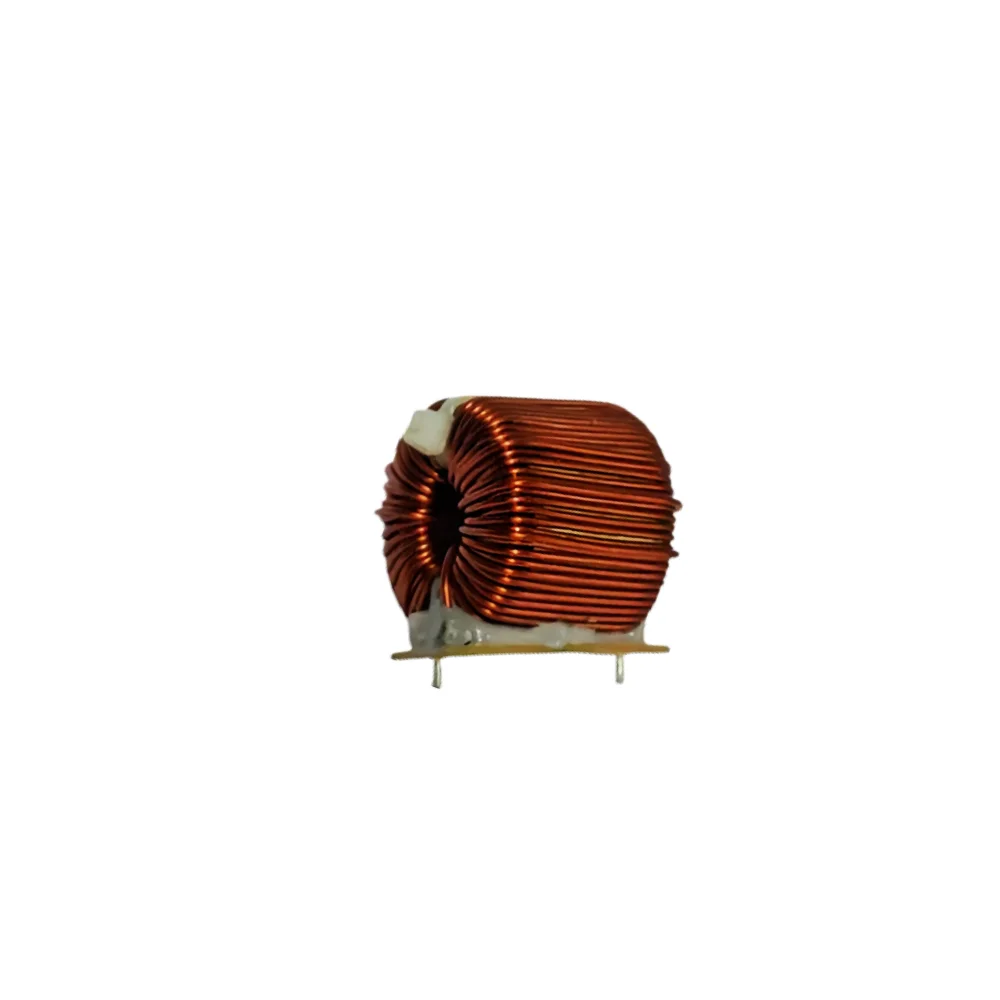
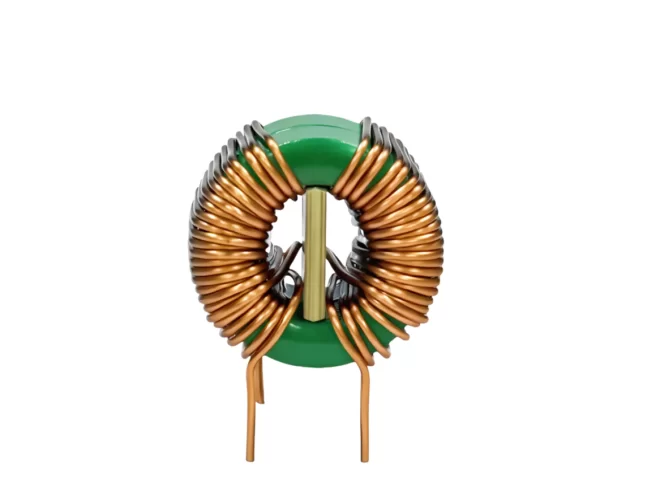
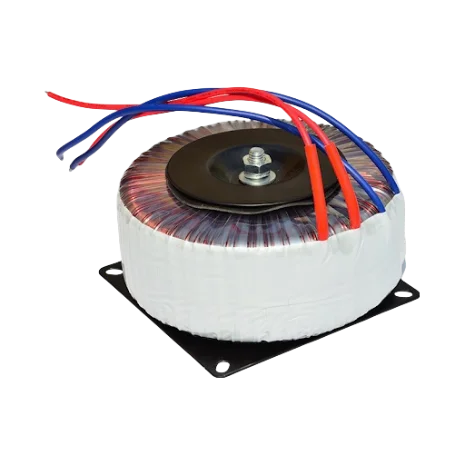
At its core, a toroidal transformer is just that—a coil of wire wrapped around a donut-shaped (toroidal) core, designed specifically to convert standard mains voltage down to 24 volts. Why 24 volts? It’s a sweet spot that powers many electronic systems without the safety concerns tied to higher voltages.
Unlike rectangular transformers, the toroidal shape offers less electromagnetic interference (EMI) and a compact size, allowing it to fit neatly inside sensitive equipment or space-limited setups. This makes it a favorite in industries ranging from telecommunications to healthcare.
Oddly enough, the design also contributes to a cooler running temperature, improving longevity—something many field engineers breathe a quiet sigh of relief about after replacing overheated components.
Mini takeaway: The toroidal shape and output combine efficiency, compactness, and safety, making it ideal for modern electrical equipment.
Toroidal transformers feature a rigid construction often covered in insulated resin, protecting them from vibration, dust, and humidity. This robustness means they perform reliably even in harsh environments—think offshore platforms or rugged industrial settings.
Thanks to minimized core losses and optimal magnetic flux, these transformers run cooler and waste less energy. That’s crucial for reducing operational costs over time and aligning with sustainability goals emphasized by the ISO 14001 Environmental Management standards.
A much-loved feature—with a slim, space-saving profile that clocks around 30-50% lighter than conventional transformers. This translates to easier installation and flexible design options.
In residential or medical environments, silent operation is a blessing. Their unique construction reduces humming noise, avoiding interference with delicate equipment or daily life.
Initially, they might seem pricier than basic transformers, but their longevity and energy savings pay off handsomely over years.
Mini takeaway: Durability, efficiency, and quiet operation make the toroidal transformer a wise investment across industries.
Toroidal transformers, particularly those with a output, find their place in a wide range of sectors. Let’s take a quick tour through some key use cases:
· Medical Equipment: Hospitals worldwide rely on stable power for imaging machines, monitors, and surgical tools — the clean output of these transformers cautions against voltage spikes.
· Renewable Energy Systems: Solar power in rural Africa, wind farms in Europe, and off-grid tech solutions depend on low-voltage transformers to efficiently step down harvested energy for localized use.
· Industrial Automation: Factories use these transformers to safely power control panels and sensors, where precision and minimal downtime matter.
· Post-Disaster Relief: Emergency shelters and communication stations benefit from compact, reliable transformers powering radios and LED lighting, often deployed rapidly after natural catastrophes.
Regions like Southeast Asia, Sub-Saharan Africa, and parts of South America see especially high demand, where electrification is evolving fast but infrastructure is still catching up.
Mini takeaway: From hospitals to disaster sites, toroidal transformers ensure power keeps flowing safely and efficiently worldwide.
The benefits stack up neatly, making these transformers a first pick for engineers and buyers keen on reliability and sustainability:
· Cost Savings Over Lifecycle: Lower energy losses and longer lifespan reduce maintenance and replacement costs.
· Enhanced Safety: Operating at 24 volts protects users and sensitive electronics from risks associated with high voltage.
· Environmental Impact: Reduced waste heat means less cooling demand and a smaller carbon footprint.
· Quiet and Compact: Perfect when noise-pollution is a concern or space is precious.
· Trust and Peace of Mind: Many technicians note that toroidal transformers rarely "throw unexpected tantrums" — you just install and let it work.
Mini takeaway: In short, these transformers combine reliability and eco-friendliness with real-world cost effectiveness.
What’s next for the humble toroidal transformer, you ask? Well, the surge in green energy and smarter grids is pushing manufacturers towards:
· Advanced Materials: Amorphous metal cores and nanocrystalline alloys reduce losses even further.
· Digital Monitoring: IoT-enabled transformers that self-diagnose performance and alert for maintenance.
· Eco-Friendly Production: Shrinking environmental footprint during manufacturing is gaining ground under new ISO policies.
· Miniaturization: Better winding techniques allow smaller, more versatile units ideal for next-gen electronics.
All in all, while the basics stay familiar, innovation promises greener, smarter power in the years ahead.
Mini takeaway: The future’s bright for toroidal transformers thanks to digital integration and sustainable materials.
Like any tech, toroidal transformers face hurdles. For instance, their precise manufacturing can sometimes mean higher upfront costs and longer lead times. Also, heat dissipation, especially in compact designs, can be tricky without proper ventilation.
However, innovative cooling solutions—such as convection channels and thermally conductive resins—have helped mitigate these issues. Furthermore, strategic partnerships with reliable suppliers ensure steady supply chains, so that project schedules stay on track.
Many engineers recommend investing in premium vendors who offer custom winding techniques and better quality assurance, ensuring the transformer lasts and performs as promised.
Mini takeaway: With smart design tweaks and trusted vendors, traditional drawbacks of the toroidal transformer are steadily shrinking.
Specification | Value / Detail |
Primary Voltage | 230 V AC |
Secondary Voltage | 24 V AC |
Power Rating | 100 VA |
Core Material | Silicon Steel Toroidal Core |
Insulation Class | Class B (130°C) |
Weight | Approx. 750 g |
Operating Frequency | 50/60 Hz |
Vendor | Lead Time | Custom Solutions | Price Range | Warranty |
XCD Magnetic | 2-3 weeks | Yes, full customization | Mid-High | 3 Years |
MagnaCoil Inc. | 4-6 weeks | Limited | Mid | 2 Years |
ElectroNext | 1-2 weeks | No | Low | 1 Year |
They are widely used in medical equipment, renewable energy systems like solar inverters, industrial automation controls, audio devices, and emergency backup systems. Their efficiency and low noise make them versatile.
With proper usage and quality construction, these transformers can last 15 to 20 years—or longer—especially when operating within their ratings and maintained well.
Yes, many vendors including XCD Magnetic offer full customization to tailor voltage, power, size, and insulation class to your specific needs.
Absolutely. The lower voltage minimizes shock risk and is compatible with most low-voltage devices, making them ideal for smart homes and IoT setups.
Generally minimal—mostly visual inspections for physical damage or overheating signs. Keeping them dust-free and properly ventilated ensures longer life.
In a nutshell, the toroidal transformer isn’t just another piece in the electronics puzzle — it’s a key player enabling reliable, efficient, and safer power distribution across the globe. Whether you’re powering sensitive hospital devices or enabling solar microgrids in remote communities, this transformer packs a punch that keeps things running smoothly and sustainably.
If you’re looking to explore high-quality, customizable solutions, or just need expert advice on transformer technology, do check out XCD Magnetic. They’ve earned a solid reputation for blending innovation with reliability — things that, frankly, can feel rare these days.
So here’s to clean power, smart tech, and the quiet little transformers that keep the gears turning.
00001. Wikipedia – Transformer
00002. International Energy Agency: Data & Statistics
00003. ISO 14001 Environmental Management