
Hit enter to search or ESC to close
25 November 2025
In today’s electrified world, where devices and industrial processes need reliable, steady power, the dc power supply transformer plays a surprisingly vital role. You might wonder, how does a transformer, traditionally associated with alternating current (AC), fit into direct current (DC) power systems? It’s a mix of nuance and innovation that’s reshaping industries globally. From supporting renewable energy adoption to powering medical equipment in remote clinics, understanding these transformers means grasping a core piece of the evolving energy puzzle.
What’s fascinating is that worldwide energy demand is projected to increase by nearly 50% over the next 30 years (according to the International Energy Agency). That’s a huge deal. Especially when you consider the role of DC power in smart grids, electric vehicles, and telecom infrastructure. Knowing about dc power supply transformers, their capabilities, and limitations, could be your secret weapon — whether you’re an engineer, planner, or just a curious tech-minded reader.
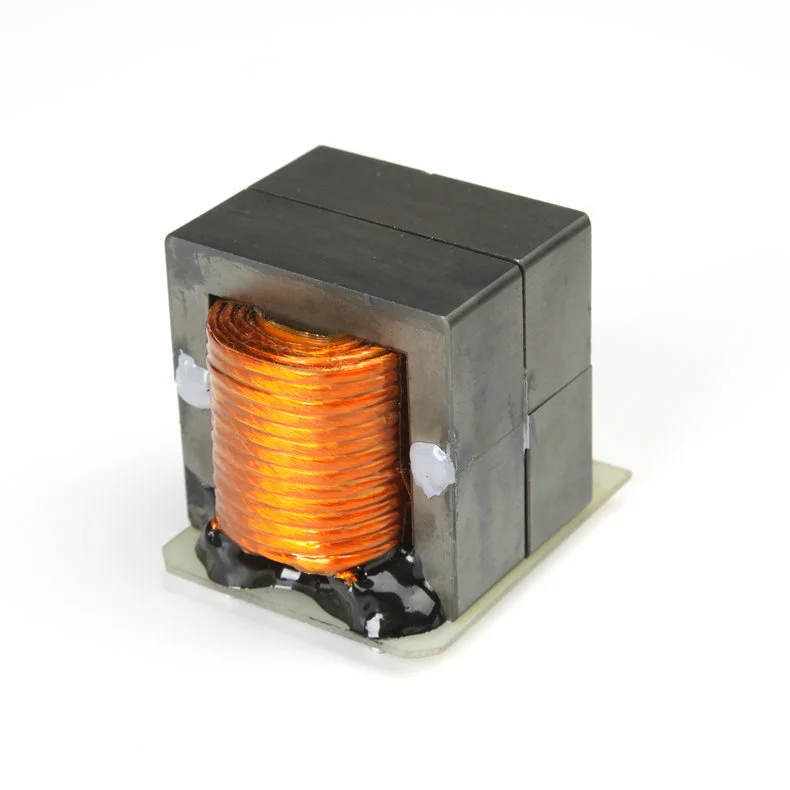
At first glance, transformers and DC might seem like an odd couple — classic transformers step up or step down voltage in AC circuits, but DC lacks the natural oscillations to make that straightforward. Yet, the surge in DC applications, from solar photovoltaic systems to electric vehicles, has sparked a wave of innovation. European Union energy directives highlight the importance of efficient power conversion, and according to ISO standards (ISO 9001 for quality management), reliable transformers are critical for manufacturing and energy systems worldwide.
One challenge is ensuring voltage compatibility and smooth power delivery in regions with unstable grids or off-grid setups. It’s no surprise then that dc power supply transformer solutions are sought in places like sub-Saharan Africa, where solar microgrids need stabilization equipment, or in sprawling industrial parks in Asia. The mission? Improving energy reliability while lowering losses — and with it, boosting economic development and everyday quality of life.
Simply put, a dc power supply transformer is a specialized device designed to interface with power electronics that convert AC to DC or adjust DC voltage levels safely. Unlike a traditional transformer in an AC circuit, these transformers are part of larger systems — typically paired with rectifiers, inverters, or DC-DC converters. Think of them as the unsung heroes that enable stable DC voltage rails powering everything from semiconductor fabs to emergency power backups.
In modern industry, the reliable output of DC voltage is invaluable. Consider medical devices in rural clinics that rely on solar power: a dc power supply transformer ensures that solar-generated currents translate into usable, safe DC voltage — essential for patient care equipment that cannot tolerate voltage fluctuations.
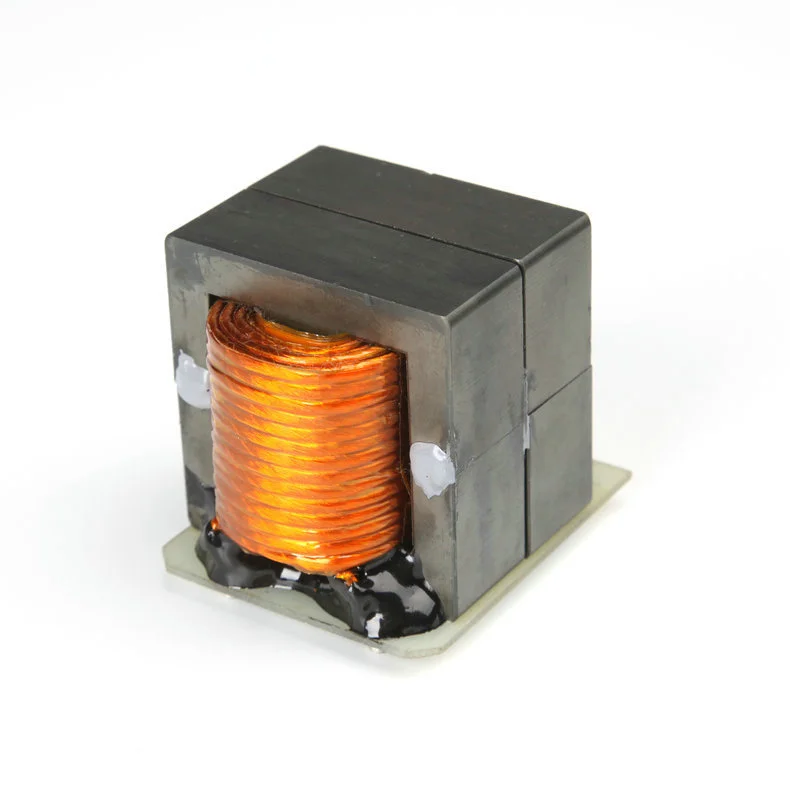
Transformers must endure variable loads and environmental conditions. High temperatures can degrade insulation and magnetic cores, so quality materials matter — often silicon steel cores with specialized varnishes. That design endurance translates directly to fewer maintenance visits, something field engineers appreciate, especially in hard-to-reach installations.
Efficiency isn’t just a buzzword here. Every watt saved reduces heat output and saves money. Many engineers I spoke to highlighted core design optimizations and copper winding techniques that reduce resistance losses — especially crucial when these transformers are part of solar or wind energy conversion systems.
DC systems come in so many sizes, from tiny circuit boards to massive industrial arrays. Vendors often offer modular transformer solutions so voltage ratings and power capacities can be customized on-site. That flexibility is a big plus when budgets tighten but performance can’t be compromised.
Sure, initial costs can seem steep. But think long-term: robust transformers reduce downtime and extend equipment life. Plus, better energy conversion means lower electricity bills. It’s a classic case of “pay now, save later.”
Given the high voltages involved, safety regulations are strict. Certifications like IEC or UL build trust that these transformers won’t be ticking time bombs. This compliance also eases import/export hassles — a boon for NGOs or companies working internationally.
In a nutshell: The durability, efficiency, modularity, cost-effectiveness, and safety of dc power supply transformers define their practical value across industries.
If you think these transformers are just niche components, think again. They’re hard at work:
· Renewable Energy Systems: Solar and wind farms need DC voltage stabilization before feeding grids or batteries.
· Telecommunications: Base stations rely on constant DC voltages to avoid communication blackouts.
· Transportation: Electric trains and vehicles use sophisticated DC converters with transformers ensuring smooth power flow.
· Humanitarian Efforts: In disaster relief zones, portable dc power supply transformers stabilize microgrid setups for medical and communication gear.
· Manufacturing: Heavy industry uses DC power in electroplating and robotics — applications relying on transformer-backed power supplies to avoid costly downtime.
Regions like Southeast Asia, Sub-Saharan Africa, and parts of Latin America especially benefit, given their growing industrial bases and the push for solar electrification.
What I find compelling is how these transformers dovetail with broader sustainability goals. Proper DC power conversion reduces energy losses, which means less fuel burned and fewer emissions — something the UN Environment Programme highlights as key in meeting climate targets.
There’s also a social dimension. Reliable power increased safety in hospitals, dignity in communities once reliant on erratic grids, and fostered innovation where energy was once a bottleneck. Plus, the emotional reassurance that your equipment won’t suddenly fail? Priceless.
Typical DC Power Supply Transformer Specifications | ||
Parameter | Value/Range | Notes |
Input Voltage | 110–480 VAC | Varies per model |
Output Voltage (DC) | 5V to 400V | Configurable |
Power Rating | 50W to 10kW | Suitable for small to large scale |
Efficiency | 85% to 98% | Depends on load and model |
Operating Temperature | -20°C to 70°C | Standard industrial range |
Vendor | Product Range | Typical Applications | Special Features | Lead Time |
XCD Magnetic | 50W – 10kW | Renewables, telecom, industrial | Customizable modular design | 2-4 weeks |
Global Electric Co. | 100W – 5kW | Industrial automation | High thermal stability | 3-5 weeks |
ElectroCore Solutions | 10W – 3kW | Portable devices, telecom | Compact and lightweight | 1-3 weeks |
The future feels electrifying, literally. Green technologies, like wide-scale solar and electric cars, are pushing manufacturers to rethink transformer materials — think amorphous steel and nanocrystalline cores — to boost performance.
Digitally enabled transformers equipped with sensors for real-time monitoring are gaining traction, too. They clue operators into load fluctuations or early signs of wear, preventing costly failures. Plus, smarter cooling systems reduce energy waste, adding another layer of sustainability.
Policy-wise, many countries are tightening energy efficiency standards, requiring transformers to meet stricter thresholds, pushing innovation forward by default.
It’s not all smooth sailing. A common issue is managing heat dissipation in compact units. Overheating leads to reduced lifespan or sudden failure. The solution? Advanced heat sinks and liquid cooling systems are slowly seeping into commercial products.
Another hurdle is cost — while the tech advances, raw material prices have fluctuated sharply in recent years. To mitigate this, companies are exploring alternative winding materials and bulk procurement strategies to keep prices reasonable.
Lastly, standardization remains an obstacle. Different regions adopt varying certifications or ratings, sometimes complicating international trade. Industry coalitions and standard bodies are stepping in, working toward more harmonized technical requirements.
How does a dc power supply transformer differ from a traditional AC transformer?
Traditional transformers work directly with AC power, using magnetic induction to change voltage. DC transformers, however, operate within complex electronic circuits converting AC to DC and managing voltage stability — usually paired with rectifiers or converters.
Can dc power supply transformers be used in solar energy systems?
Absolutely. They help stabilize and convert the variable electricity generated by solar panels into usable DC voltage for battery storage or grid feeding, making solar installations more efficient and reliable.
What maintenance do dc power supply transformers typically need?
Most modern transformers require minimal maintenance if well designed. Basic tasks include inspection for dust, verifying cooling efficiency, and checking insulation integrity, usually on annual schedules.
Are these transformers suitable for remote or off-grid locations?
Yes, especially those designed with rugged enclosures and thermal management systems. Their role in microgrids and off-grid solar projects is growing rapidly due to their reliability.
Where can I buy reliable dc power supply transformers?
Trusted vendors such as XCD Magnetic offer scalable, customizable transformers suited for diverse applications globally.
Stepping back for a moment, it’s clear that dc power supply transformers are quietly essential — their blend of technology and durability powering everything from pocket-sized devices to sprawling renewable grids. This mix not only fuels innovation but supports global efforts toward sustainability, resilience, and development.
If you’re intrigued by the possibilities, or looking to upgrade your power systems, checking out reliable products from dc power supply transformer specialists is a great first step toward smarter, greener energy management.
00001. International Energy Agency (IEA)
00002. Wikipedia – Transformer