
Hit enter to search or ESC to close
4 November 2025
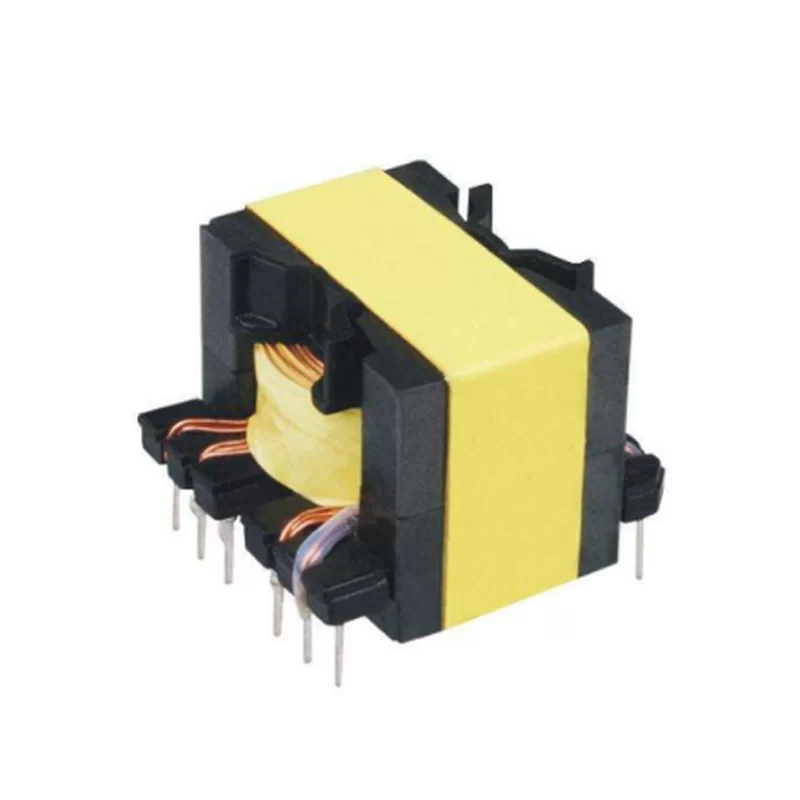
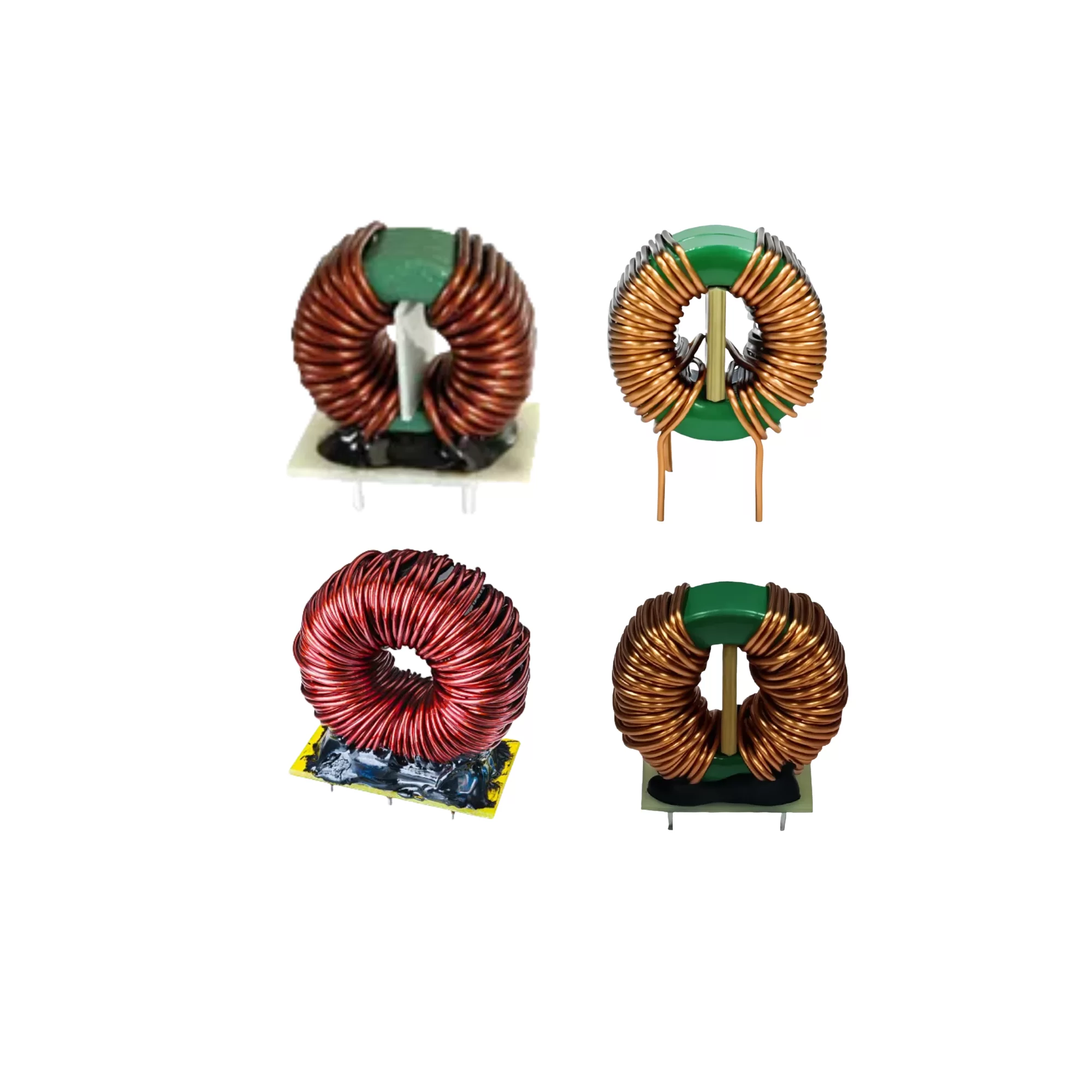
You know, it’s funny how often the most critical components in our modern world go completely unnoticed. Think about it: that sleek smartphone in your hand, the lightning-fast charger, even the quiet hum of an electric vehicle. They all rely heavily on something many of us never give a second thought to: the High Frequency Transformer. These aren’t your grandpa’s bulky 60Hz behemoths, but rather compact, highly efficient marvels designed to operate at frequencies far beyond what the human ear can detect.
To be honest, the shift towards higher frequencies is all about making things smaller, lighter, and more efficient. In the past, power supplies were large and heavy. But by jacking up the operating frequency, we can use much smaller magnetic cores and fewer windings, shrinking the overall size of the transformer dramatically. This is a huge win for electronic product design, especially in today's miniaturization-obsessed market. Many customers, for example, are now looking for custom transformer manufacturers who can deliver compact, yet powerful solutions for everything from LED drivers to medical implants.
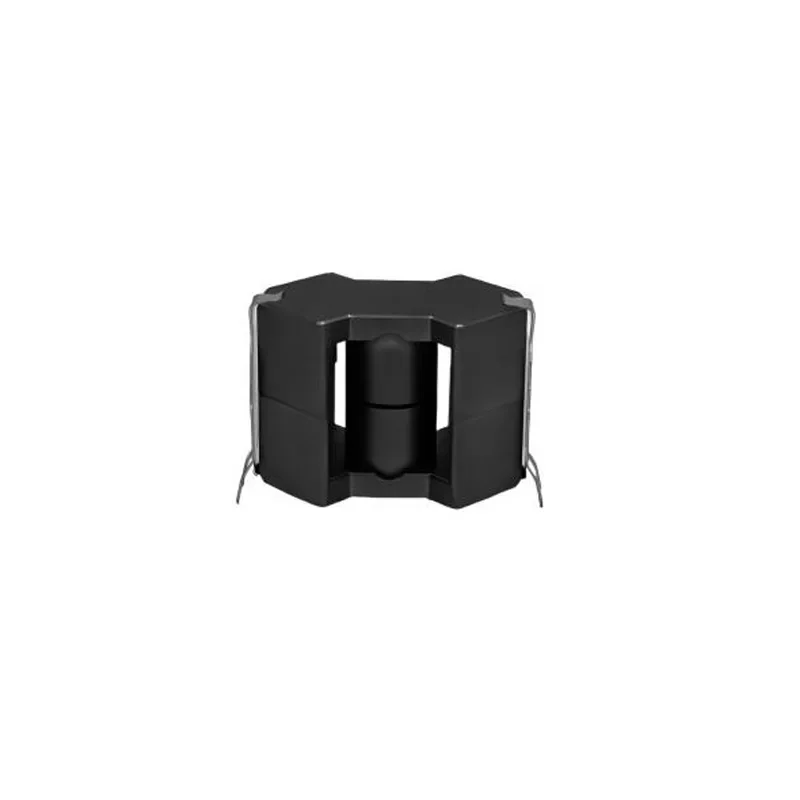
So, what makes these transformers tick? Unlike their low-frequency counterparts, High Frequency Transformers primarily use ferrite cores. Ferrite, a ceramic compound, exhibits very low energy loss at high frequencies, which is crucial for efficiency. Common core shapes include EFD, ETD, PQ, and, of course, the RM series. RM, or "Rectangular Module," cores are particularly popular. As the name implies, RM stands for “Rectangular Module.” It refers to a specific shape of iron core primarily used in manufacturing high-frequency switching power supply transformers, inductors, reactors, and similar components, offering excellent shielding and a compact footprint.
Key technical specs often include operating frequency (from tens of kHz to several MHz), power handling (watts to kilowatts), insulation class, and voltage ratings. For high voltage transformer applications, precise winding techniques and robust insulation are absolutely paramount to ensure safety and prevent breakdown. You'd be surprised how much engineering goes into minimizing leakage inductance and parasitic capacitance to maintain optimal performance.
Parameter | Typical Value / Range | Notes |
Core Material | MnZn Ferrite (e.g., PC40) | Low loss at high frequency |
Operating Frequency | 50 kHz - 500 kHz | Real-world use may vary |
Power Rating | 10 W - 200 W | Depends on size and application |
Isolation Voltage | ≈ 1500 VAC (RMS) | For safety certifications |
Operating Temperature | -40°C to +125°C | Ensures reliability in harsh conditions |
Inductance Tolerance | ±10% | Typical for production batches |
The applications are incredibly diverse, honestly. Switch-Mode Power Supplies (SMPS) are perhaps the most common, found in almost every electronic device. Beyond that, think LED lighting systems, medical diagnostic equipment, aerospace electronics, and even renewable energy inverters (including high frequency transformer less inverter designs, though many still use them for isolation). I've also seen them in sophisticated audio transformer circuits, where their compact size and excellent frequency response are a huge plus.
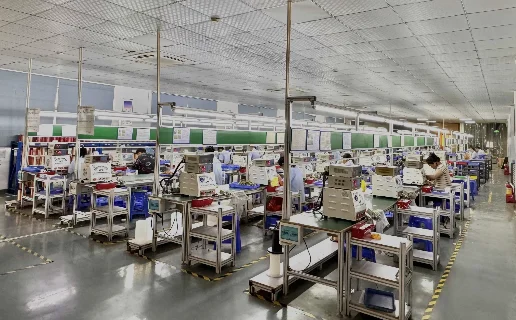
Creating a high-quality High Frequency Transformer is a meticulous process. It starts with selecting the right ferrite core material, often followed by precision winding of copper or Litz wire onto bobbins. Insulation layers are critical, often involving kapton tape or specialized coatings. After assembly, many units undergo vacuum impregnation or potting for enhanced insulation and environmental protection. Testing is rigorous, including inductance measurements, turns ratio, DC resistance, Hi-Pot (high potential) testing for dielectric strength, and leakage inductance checks. Certifications like UL, CE, and RoHS compliance are standard expectations, ensuring safety and environmental responsibility. A well-made unit can have a service life spanning decades, depending on its operating conditions.
When it comes to sourcing, selecting a reliable custom transformer manufacturer is key. It's not just about price, but rather a balance of quality, customization capabilities, and support. Many customers say that while some vendors offer lower upfront costs, the long-term reliability and technical assistance from experienced manufacturers are invaluable. The ability to customize for specific power, voltage, or form factor needs is, in my opinion, a differentiator.
Criterion | Importance Level | Considerations |
Customization Capability | High | Design flexibility for unique applications |
Quality & Reliability | Critical | Certifications (ISO, UL), track record |
Technical Support | High | Assistance with design, testing, troubleshooting |
Lead Time & Volume | Medium to High | Ability to meet production schedules |
Cost-Effectiveness | Medium | Competitive pricing without sacrificing quality |
As we push the boundaries of technology, the demand for more efficient, compact, and powerful electronics will only grow. High Frequency Transformers, especially customized designs, will continue to be at the forefront of this evolution. From powering the next generation of AI hardware to enabling faster EV charging, these unassuming components are truly the unsung heroes of modern power electronics.
1. IEC 61558 series. Safety of power transformers, power supply units and similar devices.
2. IEEE Std 1547. Standard for Interconnection and Interoperability of Distributed Energy Resources with Associated Electric Power Systems Interfaces.
3. Mohan, Ned; Undeland, Tore M.; Robbins, William P. (2003). Power Electronics: Converters, Applications, and Design. John Wiley & Sons.