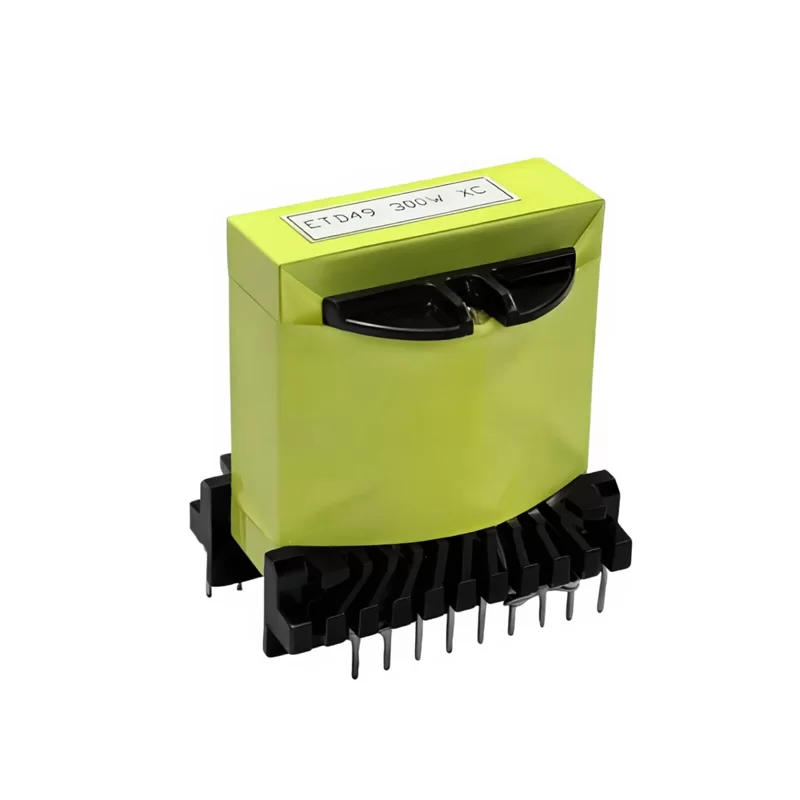
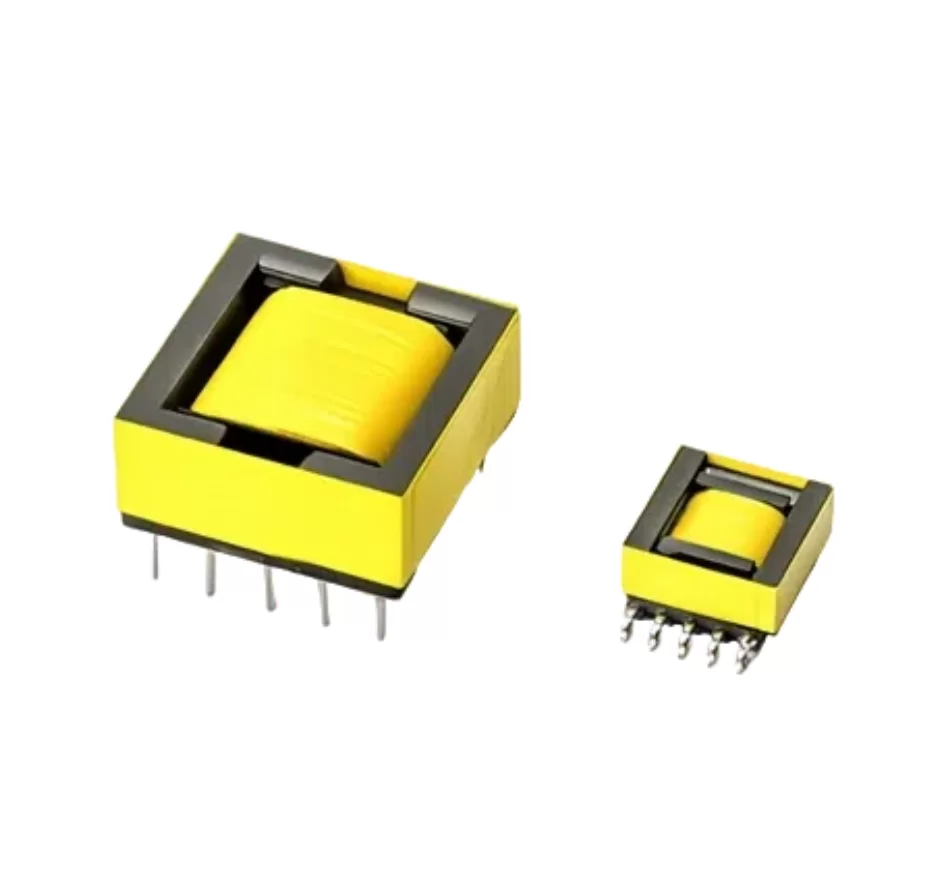
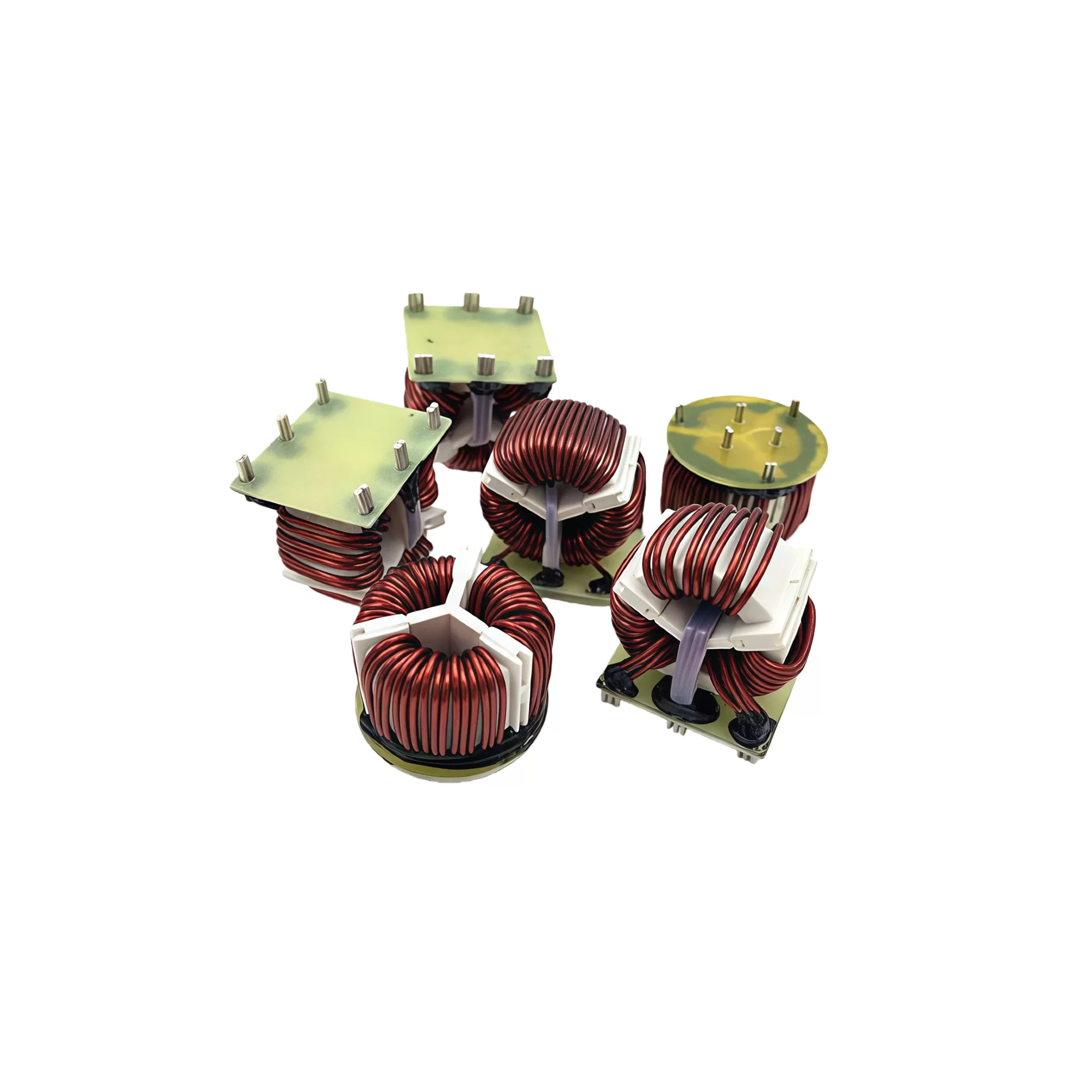
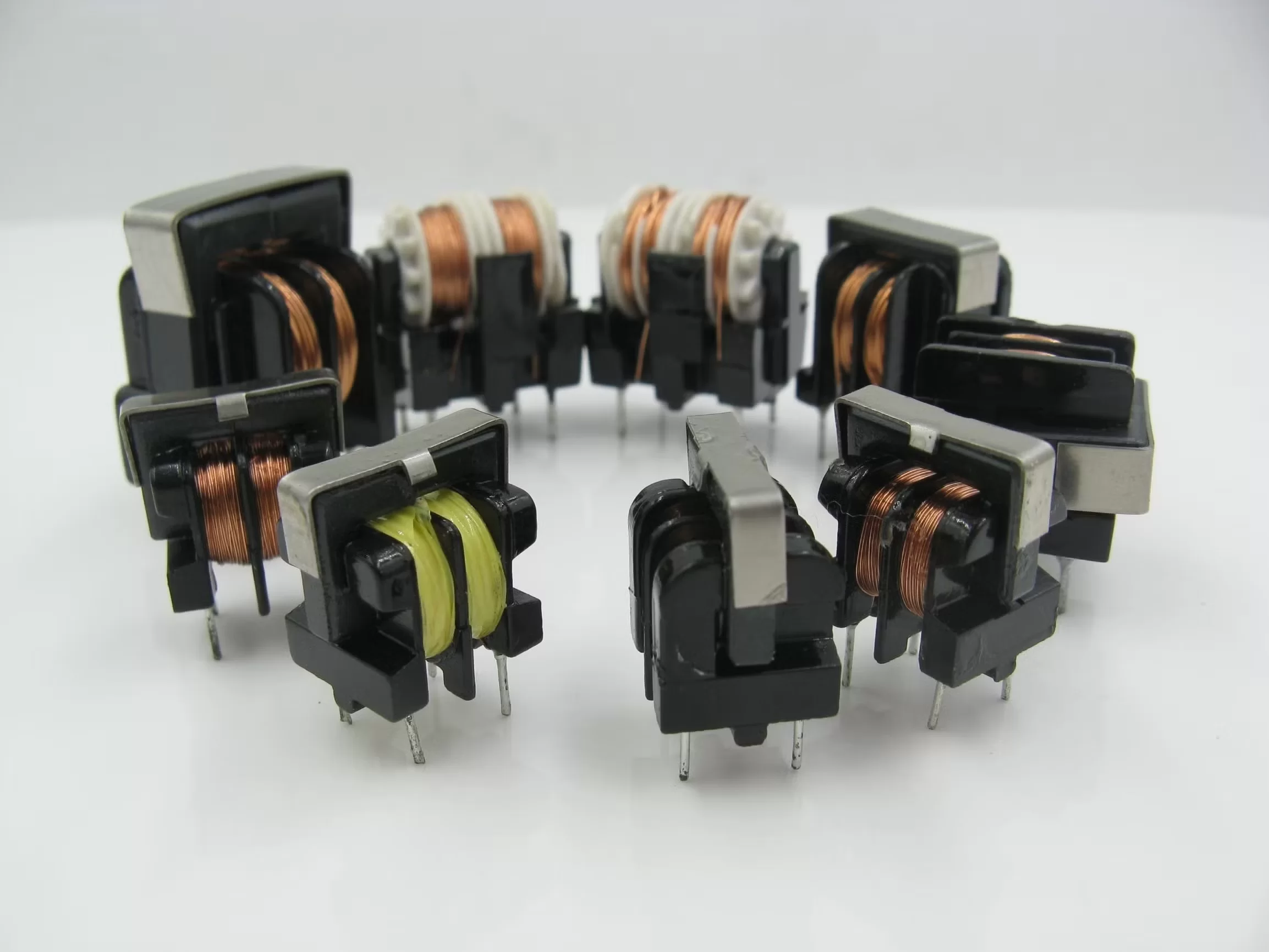
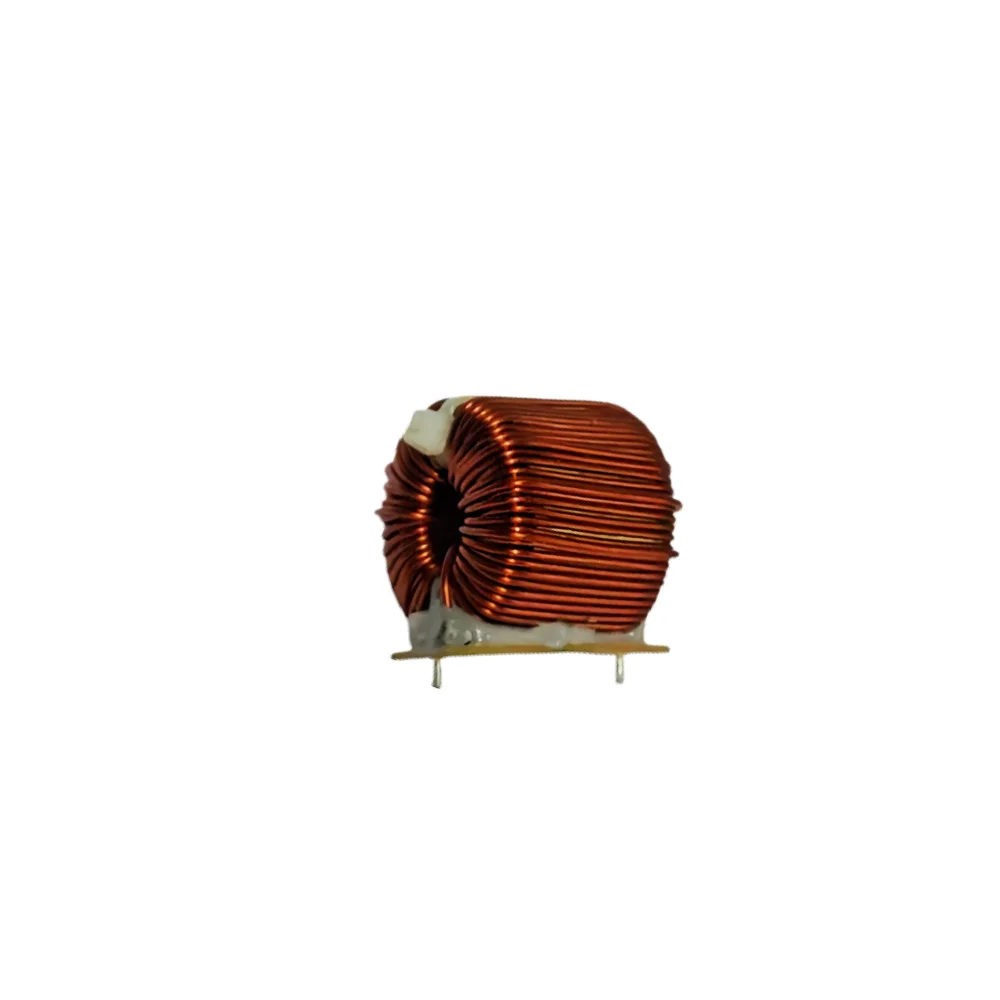
Advanced metal power inductor Solutions for UK Industrial Electronics

Advanced metal power inductor Solutions for UK Industrial Electronics

Precision-engineered magnetic components designed to meet the rigorous energy efficiency and stability standards of the United Kingdom's high-tech manufacturing sector.

Advanced metal power inductor Solutions for UK Industrial Electronics

Providing high-performance inductive components that ensure optimal power conversion and signal integrity for British aerospace, automotive, and communication infrastructure.

Magnetic Component Landscape in the United Kingdom

Analyzing the current state of electronic component integration in the UK market.

The United Kingdom's electronic manufacturing sector is currently undergoing a transition toward highly efficient, compact power systems. With a strong emphasis on Green Industrial Revolution goals, there is an increasing demand for a precise coupled inductor model that can minimize energy loss in urban infrastructure and smart city deployments.

Geographically, the UK's focus on high-frequency trading hubs in London and aerospace clusters in the Midlands necessitates components with extreme thermal stability. The adoption of the bead inductor has become critical for suppressing high-frequency noise in these sensitive environments, ensuring that EMI does not compromise critical data transmission.

Economically, the shift toward domestic semiconductor resilience has pushed UK engineers to seek components that offer both high saturation currents and small footprints. This has led to a surge in the utilization of the drum inductor for its versatility in power filtering applications across various consumer electronic devices produced locally.
Evolution and Trajectory of Inductive Technology

From traditional ferrite cores to modern high-density magnetic solutions.

Market Development History

In the early 2000s, the UK market relied heavily on oversized toroidal inductors. However, by 2010, the push for miniaturization led to the widespread adoption of standardized drum inductor designs, which allowed for automated SMT assembly lines in British factories.

Between 2015 and 2020, the rise of multi-phase power converters for server farms in the UK necessitated the shift toward the coupled inductor buck configuration. This iteration significantly reduced ripple current and improved transient response times for high-compute environments.

Since 2021, the integration of advanced alloy materials has enabled the development of high-performance metal power inductor series, allowing UK manufacturers to achieve higher power densities without increasing the thermal footprint of their PCBs.

Future Development Trends

AI-Driven Magnetic Modeling

Future designs will utilize machine learning to optimize the coupled inductor model, predicting saturation points with 99% accuracy before physical prototyping.

Gallium Nitride (GaN) Integration

As GaN technology permeates the UK power market, inductors must evolve to handle higher switching frequencies, leading to thinner wire gauges and innovative core geometries.

Sustainable Material Sourcing

Driven by UK environmental regulations, there is a clear trend toward "Circular Electronics," focusing on recyclable ferrite and cobalt-free magnetic alloys.

Industry Trends & Future Outlook

Strategic projections for the electronic components sector in the UK.

Hyper-Miniaturization
Reducing the footprint of power stages through high-permeability materials and advanced winding techniques.
EMI Mitigation
Advanced noise filtering using high-frequency beads to ensure compliance with strict UK EMC regulations.
Thermal Efficiency
Developing cores with lower hysteresis loss to operate in high-temperature industrial environments.
Smart Integration
Integrating sensing capabilities into inductors for real-time power monitoring in IoT devices.

Industry Outlook

Based on search trend logic, the demand for "high-efficiency DC-DC converters" in the UK is projected to grow by 15% annually. This will drive a critical need for the coupled inductor buck architecture to support the proliferation of EV charging stations and renewable energy grids across the British Isles.

Furthermore, as the UK expands its 5G and upcoming 6G infrastructure, the precision of noise filtration will become the primary differentiator. We expect a shift toward composite-core materials that combine the strengths of ferrites and metals to meet these extreme frequency requirements.

Localized Application Scenarios in the UK

Real-world implementation of magnetic components in British industry.

1. Automotive Electrification (Midlands Hub)

Implementation of high-current power inductors in onboard chargers for UK-made electric vehicles, ensuring stable voltage conversion under variable load conditions.

2. Aerospace Avionics (Bristol & Derby)

Utilizing specialized bead inductor components for extreme EMI shielding in flight control systems to prevent signal interference.

3. Financial Data Centers (London Square Mile)

Deploying multi-phase coupled inductor buck systems in high-density server racks to minimize ripple and maximize CPU power stability.

4. Industrial Automation (Northern England)

Integrating robust drum inductor units into PLC (Programmable Logic Controller) power supplies for textile and steel manufacturing plants.

5. Medical Imaging Technology (Cambridge Cluster)

Applying precision-wound inductors in MRI and CT scanner power modules to ensure ultra-low noise floors for high-resolution diagnostic imaging.

Brand Story

Global Development History of Huizhou Xinchengda Electronics Co., Ltd.

Foundation & Local Excellence

Established with a vision to master the art of magnetic flux, we began by solving the basic stability issues of power inductors for regional electronics.

Technological Breakthroughs

Invested heavily in R&D to develop proprietary winding techniques, significantly reducing DC resistance and heat generation in power components.

Global Quality Certification

Achieved international certifications, ensuring our components meet the stringent safety and environmental standards required by European and UK markets.

Strategic Market Expansion

Expanded our footprint into the UK and EU, partnering with leading industrial designers to co-create custom magnetic solutions for the automotive sector.

Vision for a Greener Future

Today, our mission is to lead the transition to sustainable energy by producing the most efficient magnetic components for the global green economy.

Comprehensive Magnetic Product Portfolio for the UK Market

A full range of certified inductors tailored for British industrial specifications.

Frequently Asked Questions - UK Region

Expert answers to technical queries regarding magnetic component selection.

How to select the right coupled inductor model for high-efficiency buck converters?

Selection should be based on the required coupling coefficient and the maximum saturation current. For UK industrial standards, ensure the model supports the target switching frequency to minimize core losses.

What is the primary advantage of a bead inductor in noise suppression?

A bead inductor provides high impedance at high frequencies, effectively dissipating high-frequency noise as heat rather than reflecting it, which is crucial for sensitive UK communication equipment.

Can a metal power inductor replace traditional ferrite cores in automotive apps?

Yes, metal power inductors typically offer higher saturation currents and better DC resistance (DCR), making them ideal for the high-current demands of EV power trains in the UK automotive sector.

What makes the drum inductor preferred for consumer electronic filtering?

Drum inductors offer a balanced profile of inductance and size, with excellent mechanical stability and ease of automated assembly, fitting the fast-paced production cycles of UK electronics.

How does a coupled inductor buck improve transient response in servers?

By utilizing the magnetic coupling between phases, it allows for faster current ramping and reduced output ripple, which is essential for the stability of high-performance computing hubs in London.

Are your magnetic components compliant with UK REACH and RoHS regulations?

Absolutely. All our components are manufactured using environmentally friendly materials that fully comply with UK REACH and RoHS directives to ensure safe and sustainable integration.

Request a Technical Consultation

Our engineering team is ready to help you optimize your power designs for the United Kingdom market with precision magnetic components.

Contact Us Now

If you are interested in our products, you can choose to leave your information here, and we will be in touch with you shortly.