
Hit enter to search or ESC to close
4 April 2026
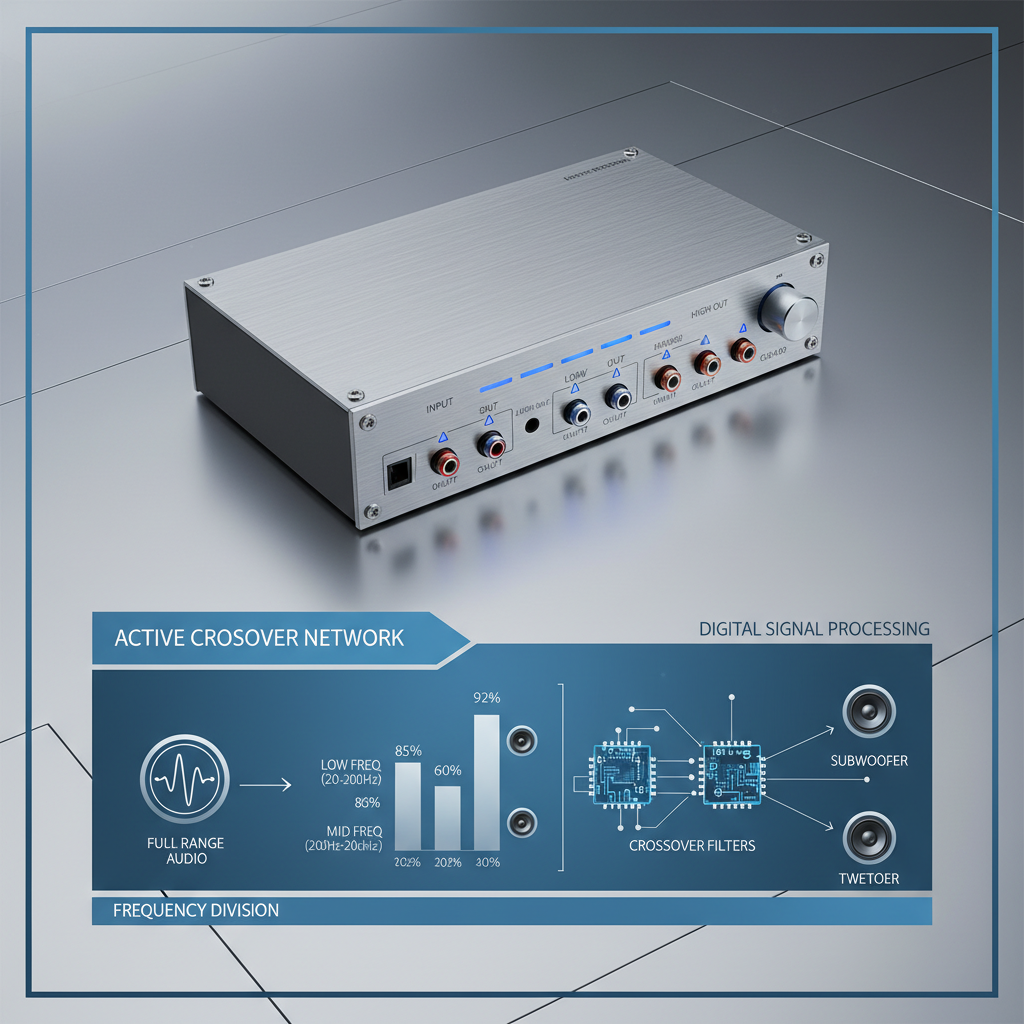
Achieving exceptional audio quality often goes beyond just high-quality speakers. A crucial component in many sophisticated sound systems is the home audio electronic crossover. This device intelligently divides the audio signal into different frequency ranges, directing each range to the appropriate speaker driver. This article provides a comprehensive guide to electronic crossovers, covering their functionality, types, benefits, and how to choose the right one for your audio setup. Understanding crossovers is vital for maximizing the performance of your audio equipment.
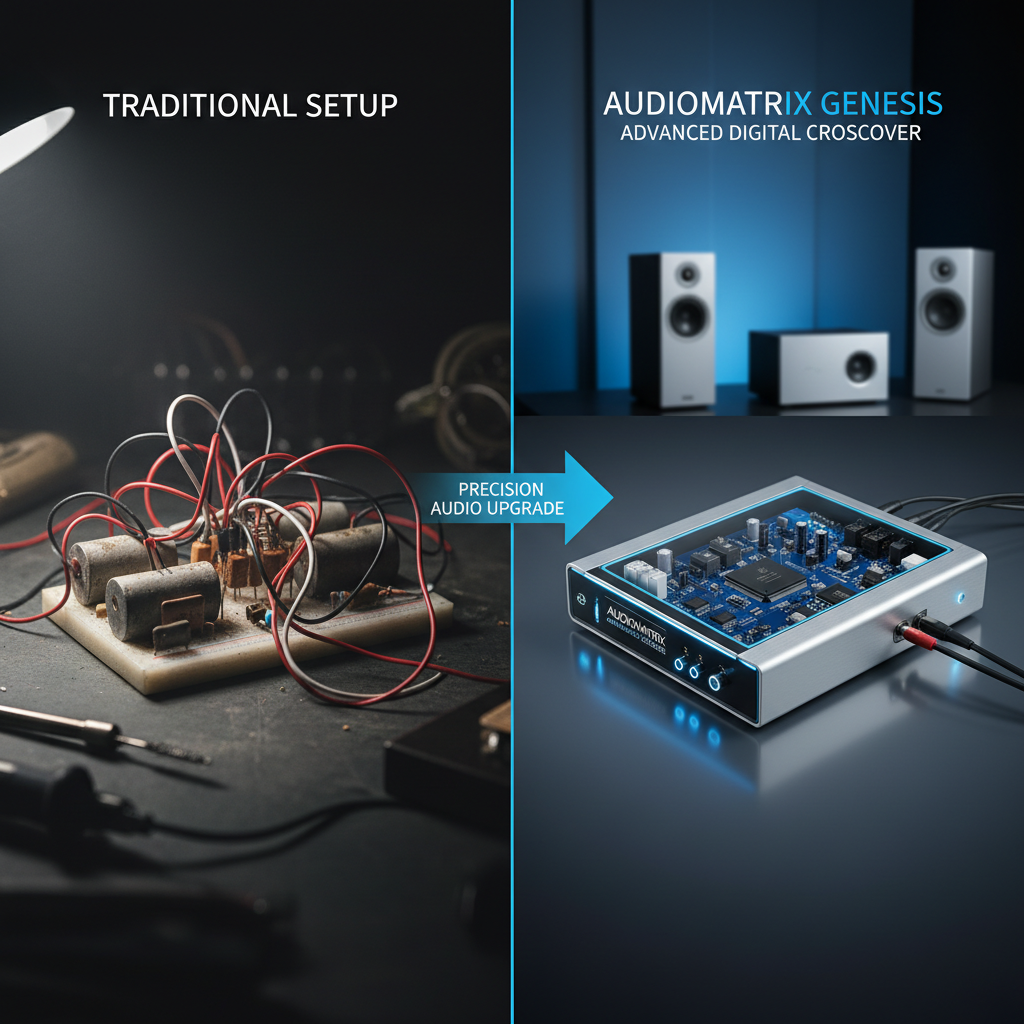
An electronic crossover is an electronic filter that separates the audio signal into different frequency bands. These bands are then sent to speakers designed to handle those specific frequencies – typically woofers for low frequencies, mid-range drivers for middle frequencies, and tweeters for high frequencies. This process is essential because each type of speaker driver is most efficient and accurate when reproducing a limited range of frequencies. Without a crossover, all frequencies would be sent to all drivers, resulting in muddy, distorted, and inefficient sound reproduction. XCD Magnetic specializes in providing high-performance crossover solutions.
Key Benefit: Properly implemented crossovers dramatically improve the clarity, detail, and overall listening experience by ensuring each driver operates within its optimal range.
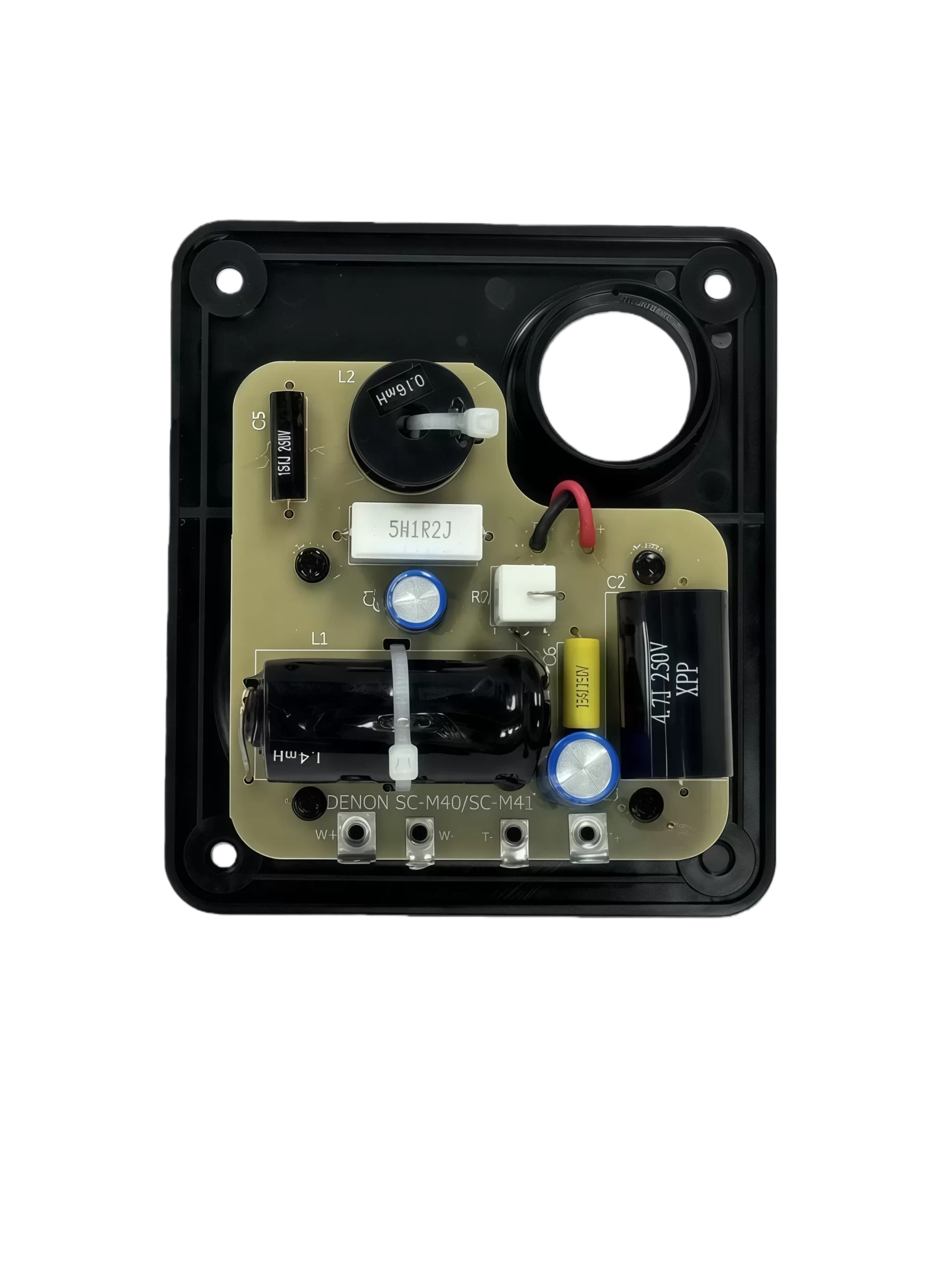
There are primarily two types of electronic crossovers: passive and active. Passive crossovers are the more traditional type and consist of components like capacitors, inductors, and resistors. They are placed between the amplifier and the speakers and require no external power source. Active crossovers, on the other hand, are powered devices that sit before the amplifier, dividing the signal before it reaches the amplification stage. Active crossovers offer greater control and flexibility but require a separate amplifier channel for each frequency band.
Passive vs. Active Crossovers:
• Passive: Simple, cost-effective, no external power needed.
• Active: Greater control, more flexible, requires external power and multiple amplifier channels.
Selecting the right crossover depends on your specific needs and setup. Consider the following factors: the number of speakers in your system, the type of speakers you’re using, and your desired level of control. If you have a simple two-way system (woofer and tweeter), a passive crossover might be sufficient. For more complex systems with multiple drivers or bi-amplification, an active crossover is generally recommended. Furthermore, the crossover frequency (the point at which the signal is divided) should be chosen carefully based on the frequency response characteristics of your speakers.
Investing in a well-designed electronic crossover provides numerous benefits. Improved clarity and accuracy, enhanced soundstage, reduced distortion, and increased speaker efficiency are just a few. A quality crossover allows each speaker driver to perform optimally, resulting in a more immersive and enjoyable listening experience. Furthermore, active crossovers offer the ability to fine-tune the frequency response to match your specific speakers and listening environment. XCD Magnetic’s products are engineered to deliver these advantages.
The "slope" of a crossover refers to the rate at which frequencies are attenuated (reduced) outside of the driver's intended frequency range, measured in decibels per octave (dB/octave). Common slopes are 6dB/octave, 12dB/octave, 18dB/octave, and 24dB/octave. A steeper slope (e.g., 24dB/octave) provides more aggressive filtering, ensuring that frequencies outside the driver's range are effectively suppressed, reducing distortion and improving clarity. However, steeper slopes can also introduce phase shift, which can affect the overall sound. Choosing the appropriate slope depends on the specific characteristics of your speakers and your personal preferences.
Understanding home audio electronic crossovers is key to unlocking the full potential of your sound system. Whether you opt for a passive or active solution, a well-chosen crossover will dramatically improve the clarity, accuracy, and overall listening experience. Investing in a quality crossover from a reputable manufacturer like XCD Magnetic is an investment in superior audio performance.
A 2-way crossover splits the audio signal into two frequency bands – typically highs and lows – for two drivers (tweeter and woofer). A 3-way crossover divides the signal into three bands – highs, mids, and lows – for three drivers (tweeter, mid-range, and woofer). 3-way crossovers generally offer more precise control over the frequency response and can result in a more detailed and nuanced sound. They are often used in higher-end audio systems where accurate imaging and clarity are paramount.
Yes, but you'll need an amplifier with multiple channels – one channel for each frequency band. For example, a 3-way active crossover requires three amplifier channels: one for the tweeter, one for the mid-range, and one for the woofer. This is because active crossovers operate before the amplifier, and each frequency band needs its own dedicated amplification.
Crossover frequency is the point where the audio signal is divided between different speaker drivers. For instance, in a 2-way system, a crossover frequency of 3kHz means frequencies below 3kHz are sent to the woofer, and frequencies above 3kHz are sent to the tweeter. Choosing the right crossover frequency is crucial for ensuring a smooth transition between drivers and avoiding unwanted peaks or dips in the frequency response. It’s best to consult the speaker specifications or experiment to find the optimal setting for your setup.
Yes, passive crossovers are affected by speaker impedance. The impedance of your speakers influences the crossover's performance and can alter the intended crossover frequency. It's important to choose a crossover designed to work with the impedance of your speakers. If the impedance varies significantly, it can impact the crossover's accuracy and effectiveness.