
Hit enter to search or ESC to close
9 March 2026
Optimizing your subwoofer's performance hinges on selecting the appropriate external crossover for subwoofer. This crucial component precisely directs frequencies to your subwoofer, ensuring clean bass and a harmonious audio experience. Choosing the wrong crossover can lead to muddy sound, distortion, or even damage to your equipment. This guide will explore the benefits, types, key considerations, and how to choose the best crossover to unlock your subwoofer’s full potential. We will also cover common mistakes to avoid when installing and setting up your new crossover.
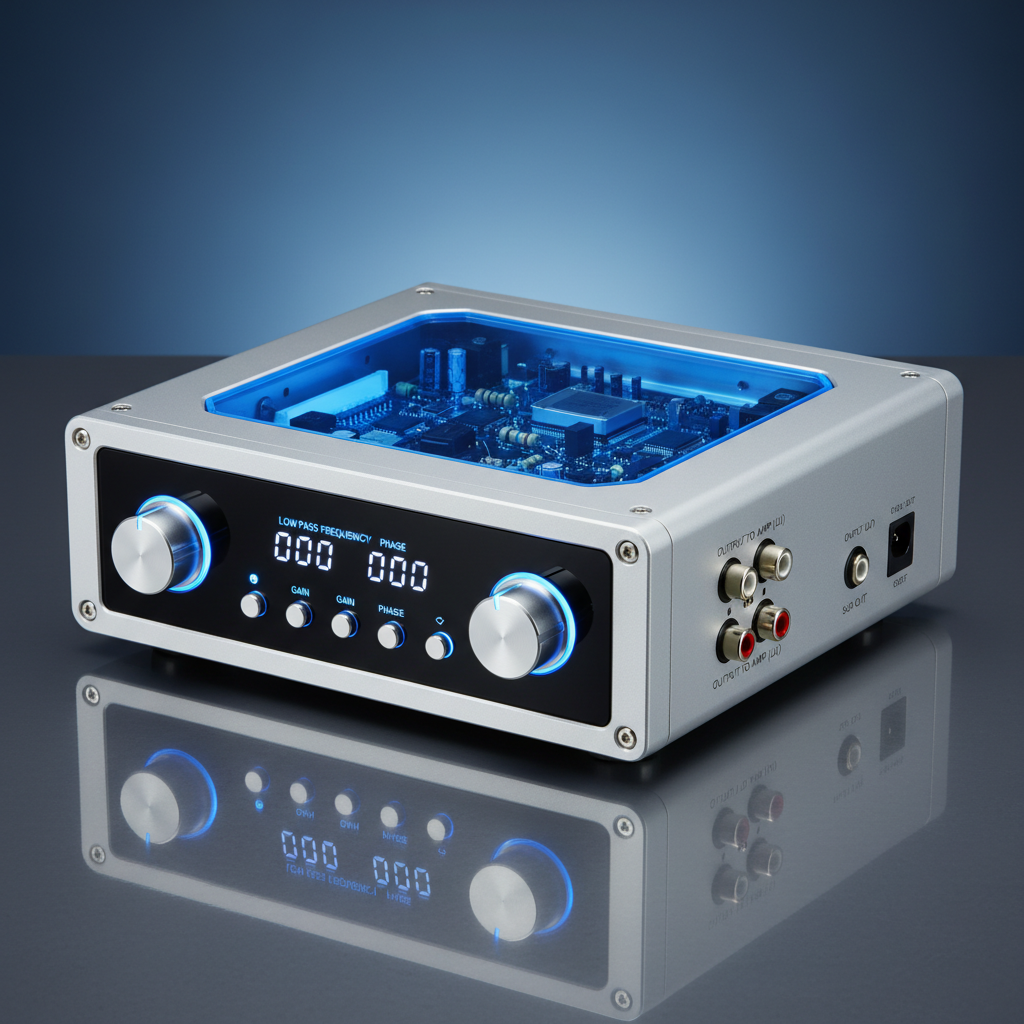
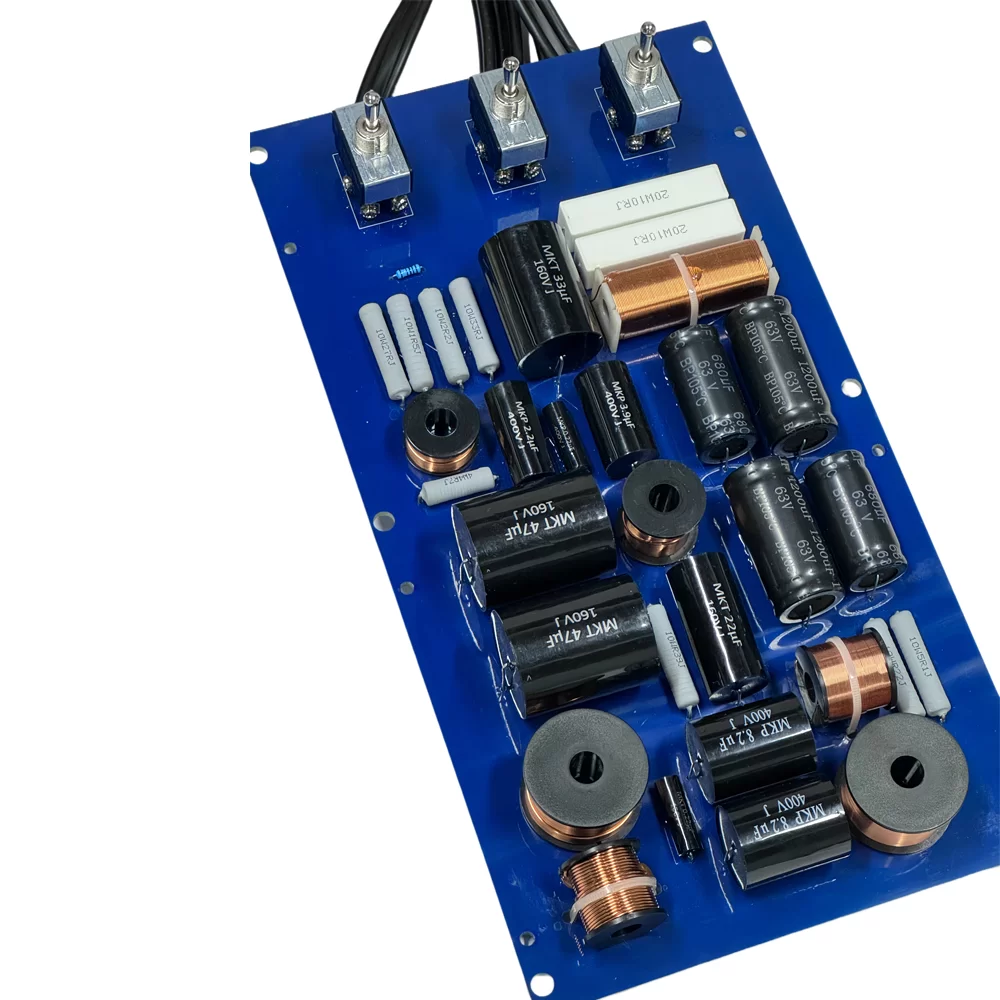
An external crossover acts as a filter, separating audio signals into different frequency ranges. Specifically for subwoofers, it isolates the low frequencies (bass) and directs them to the subwoofer, while sending higher frequencies to your main speakers. This separation prevents your main speakers from struggling with low frequencies they aren't designed to handle, and keeps your subwoofer focused on delivering impactful bass. Without a properly configured crossover, frequencies can overlap, resulting in a less defined and less enjoyable listening experience. The external crossover also provides greater control and flexibility compared to built-in crossover settings in amplifiers.
Key Benefits: Improved sound clarity, protection of speakers, enhanced bass response, and greater control over frequency allocation.
Several types of external crossovers are available, each with its own advantages and disadvantages. The most common include:
Selecting the right crossover requires careful consideration of several factors.
Understanding the differences between passive and active crossovers is essential for making the right choice. Here’s a comprehensive comparison:
When choosing an external crossover for subwoofer, selecting a reputable supplier is critical. XCD Magnetic provides a wide range of high-quality crossovers specifically designed to optimize subwoofer performance. Their expertise in magnetic components ensures superior sound quality and reliability. They offer both passive and active crossover options to suit various needs and budgets.

Investing in the right external crossover for subwoofer is a crucial step towards achieving exceptional audio quality. By understanding the different types, key considerations, and sourcing from a reputable supplier like XCD Magnetic, you can unlock the full potential of your subwoofer and enjoy a truly immersive listening experience. Don't settle for mediocre bass – choose wisely!
The ideal crossover frequency depends on your main speakers' capabilities. Generally, a crossover frequency of 80Hz is suitable for smaller bookshelf speakers, while 100-120Hz is better for larger floor-standing speakers. Experiment with different frequencies to find what sounds best in your room. A good starting point is to set the crossover frequency slightly above the lowest frequency your main speakers can comfortably reproduce. Listen for a smooth transition between the speakers and subwoofer, avoiding any gaps or overlaps in the frequency response. If you hear a harsh transition, slightly lower the frequency.
The slope, measured in dB/octave, dictates how quickly frequencies are attenuated (reduced) above or below the crossover point. A 6dB/octave slope offers a gentle roll-off, while a 24dB/octave slope provides a much steeper attenuation. Steeper slopes offer a cleaner separation between the subwoofer and main speakers, preventing frequency overlap. However, they can also introduce phase shifts, potentially affecting sound quality. A 12dB/octave slope is a good compromise, offering a balance between separation and phase response.
While technically possible, it's generally not recommended to use an external crossover in conjunction with a built-in crossover. This can lead to complex phase interactions and unpredictable results. It’s best to disable the built-in crossover and rely solely on the external crossover for optimal performance. Using both crossovers simultaneously essentially double-filters the signal, which can significantly degrade sound quality.
Installation depends on the type of crossover. For passive crossovers, connect the speaker wires from your amplifier to the crossover's input terminals and the subwoofer's wires to the crossover's output terminals. For active crossovers, connect the RCA outputs of your preamp to the crossover's inputs and the crossover's outputs to your amplifier. Ensure all connections are secure and polarity is correct (positive to positive, negative to negative). Carefully follow the manufacturer's instructions included with your specific crossover model.