
Hit enter to search or ESC to close
24 February 2026
In the realm of audio engineering and signal processing, digital crossover DSP (Digital Signal Processing) technology stands as a cornerstone for achieving high-fidelity sound reproduction. This advanced technique allows for precise control over audio frequencies, ensuring optimal performance from speakers and other audio components. It's becoming increasingly crucial in modern audio systems, from professional studio environments to high-end automotive installations. Understanding how digital crossover DSP works is vital for anyone involved in audio design, installation, or appreciation.

A digital crossover DSP is an electronic filter that separates an audio signal into different frequency ranges. These ranges are then sent to specific drivers (woofers, mid-range speakers, tweeters) that are designed to reproduce those frequencies most efficiently. Unlike traditional analog crossovers, a digital crossover DSP utilizes digital signal processing to create highly accurate and flexible filter designs. This allows for steeper filter slopes, precise frequency control, and the ability to implement advanced features like time alignment and equalization. The key advantage is its precision and adaptability, leading to significantly improved audio clarity and overall sound quality.
Key Benefits: Precise frequency control, adaptable filter designs, improved audio clarity, time alignment capabilities, and equalization options.
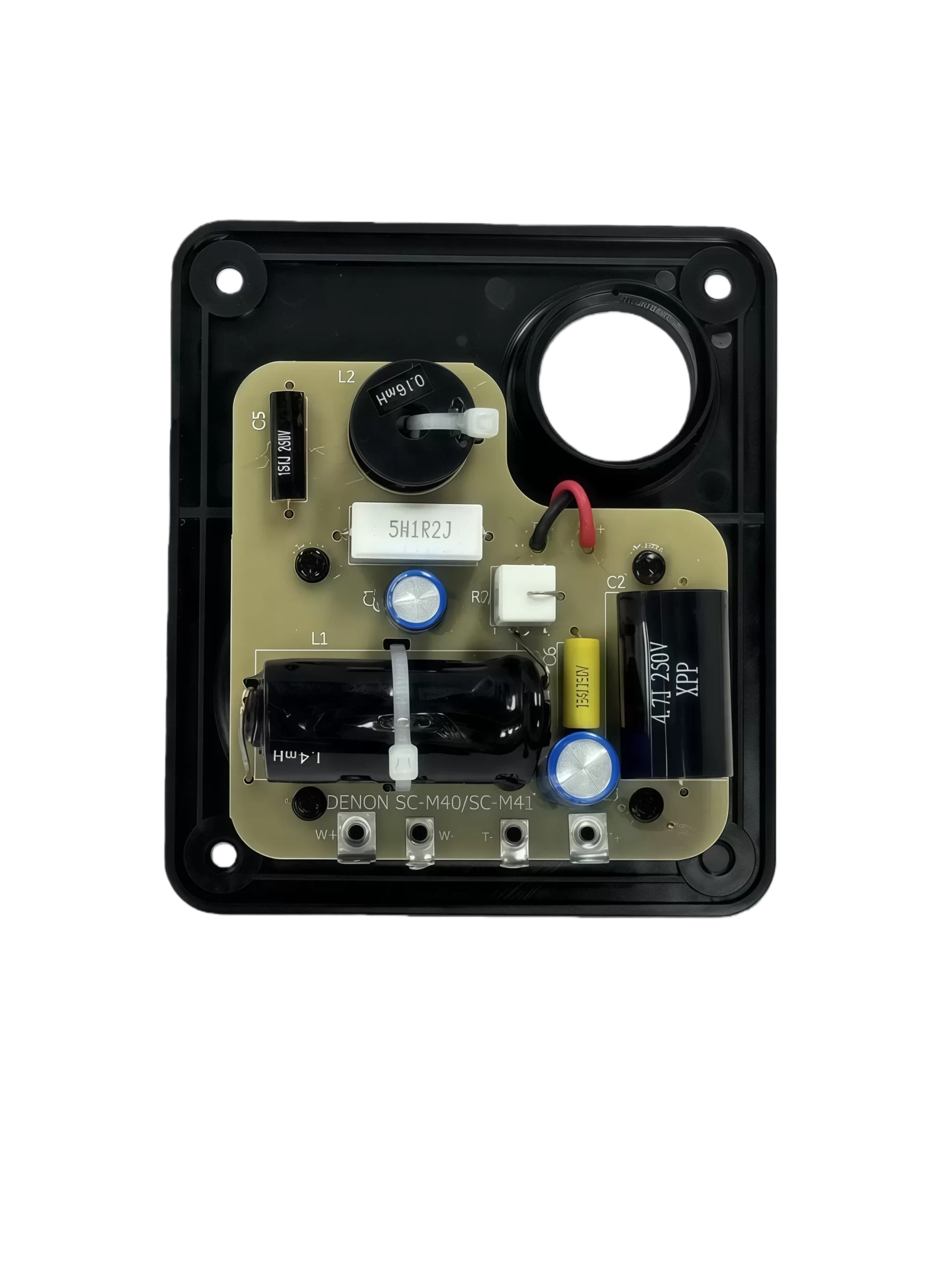
While analog crossovers have been used for decades, digital crossover DSP technology offers several significant advantages. Analog crossovers rely on passive components like resistors, capacitors, and inductors, which can be affected by component tolerances and aging. This leads to inconsistencies in filter characteristics. Digital crossovers, on the other hand, are immune to these issues. They offer much steeper filter slopes, minimizing overlap between frequency bands and improving driver performance. Furthermore, digital crossovers can be easily reprogrammed to adjust to different speakers, enclosures, or listening environments.
Key Differences:
• Precision: Digital offers far greater precision and consistency.
• Flexibility: Digital is easily reprogrammable for various configurations.
• Filter Slope: Digital allows for steeper filter slopes, enhancing driver performance.
• Component Tolerance: Digital is not affected by component tolerances or aging.
Modern digital crossover DSP units offer a wide range of features beyond basic filtering. These include time alignment, which corrects for differences in the acoustic arrival time of sound from different drivers, creating a more focused and coherent soundstage. Equalization allows for fine-tuning of the frequency response to match the listening environment or compensate for speaker imperfections. Many DSPs also include advanced features like limiting, compression, and parametric equalization for even greater control over the audio signal.
The applications for digital crossover DSP technology are vast and diverse. They are used extensively in professional audio environments like recording studios and live sound reinforcement systems. They are also crucial in high-end home audio systems, providing optimal performance from multi-driver speakers. Automotive audio enthusiasts rely on DSPs to fine-tune their car audio systems for the best possible sound quality. Furthermore, DSPs are finding increased use in commercial audio applications like restaurants, retail spaces, and conference rooms.
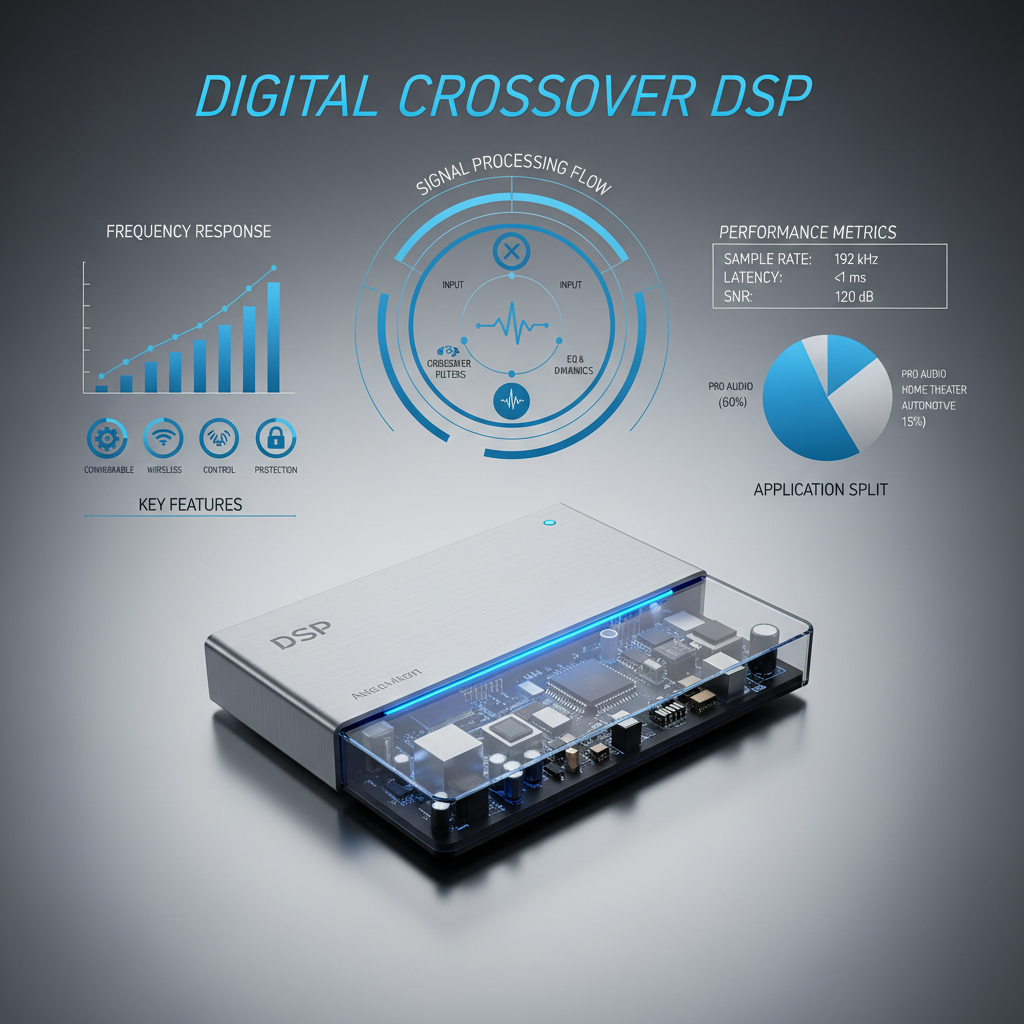
Selecting the right digital crossover DSP depends on your specific needs and application. Consider the number of outputs required (one for each driver), the level of control you need (basic filtering vs. advanced features like parametric EQ), and the integration capabilities with your existing audio system. XCD Magnetic offers a range of high-performance DSP solutions tailored to various applications, ensuring optimal audio quality and flexibility.
Investing in a digital crossover DSP is a significant step towards achieving superior audio quality. Its precision, flexibility, and advanced features allow for optimal control over the audio signal, resulting in a more immersive and enjoyable listening experience. From professional audio engineers to dedicated audiophiles, a DSP is an indispensable tool for unlocking the full potential of your audio system.
The cost of a digital crossover DSP can vary greatly depending on its features, number of channels, and processing power. Entry-level DSPs suitable for basic car audio applications can start around $200-$500. More advanced DSPs designed for professional audio or high-end home systems can range from $1000 to several thousand dollars. Factors like built-in amplification, software features, and integration capabilities also contribute to the price. It’s important to define your needs and budget before making a purchase.
The difficulty of setup and configuration depends on the DSP’s complexity and the user’s experience. Many DSPs come with user-friendly software interfaces and pre-programmed settings, making basic configuration relatively straightforward. However, achieving optimal performance often requires a deeper understanding of audio concepts like frequency response, phase alignment, and equalization. Some DSPs offer auto-tuning features to simplify the process, while others may require manual adjustments using measurement tools like a real-time analyzer (RTA).
Yes, a digital crossover DSP can often significantly improve the sound quality of existing speakers. By precisely controlling the frequencies sent to each driver, it can optimize their performance and minimize distortion. Time alignment and equalization features can further enhance the soundstage and frequency response, resulting in a more accurate and enjoyable listening experience. It can address issues like uneven frequency response or phase problems that may be inherent in the speakers or the listening environment.
When choosing a DSP for car audio, consider factors like the number of channels needed to support your speaker configuration, the level of equalization control, and the integration with your existing amplifier and head unit. Look for a DSP with features like time alignment, auto-tuning, and remote control for convenient adjustments. Noise reduction capabilities and the ability to handle high input levels are also important considerations. Ensure the DSP is compatible with your vehicle’s electrical system and has a robust power supply to avoid distortion and interference.