
Hit enter to search or ESC to close
30 December 2025
Xinchangda is a professional OEM & ODM manufacturer of multiple application transformers, inductors, and crossovers with 14 years of experience in China. We provide comprehensive magnetic component solutions for audio series, medical series, new energy series, industrial series, and more, offering one-stop solutions services. After 14 years of development, we now operate from a 5000㎡ facility with 50 skilled staff, 10 R&D engineers, and process 14 sets of fully automated production lines and 6 semi-automated production lines. Our monthly production capacity reaches 450k transformers, 240k inductor components, and 100,000 crossover networks. Xinchangda continues to grow by producing increasingly diverse components and takes pride in manufacturing unique and challenging parts, aiming to provide clients with exceptional solutions and become their optimal partner. In power electronics, coupled inductor buck, electric inductor and coupled inductor sepic are core components that support the stable operation of various circuits, each with unique structural characteristics and application value.
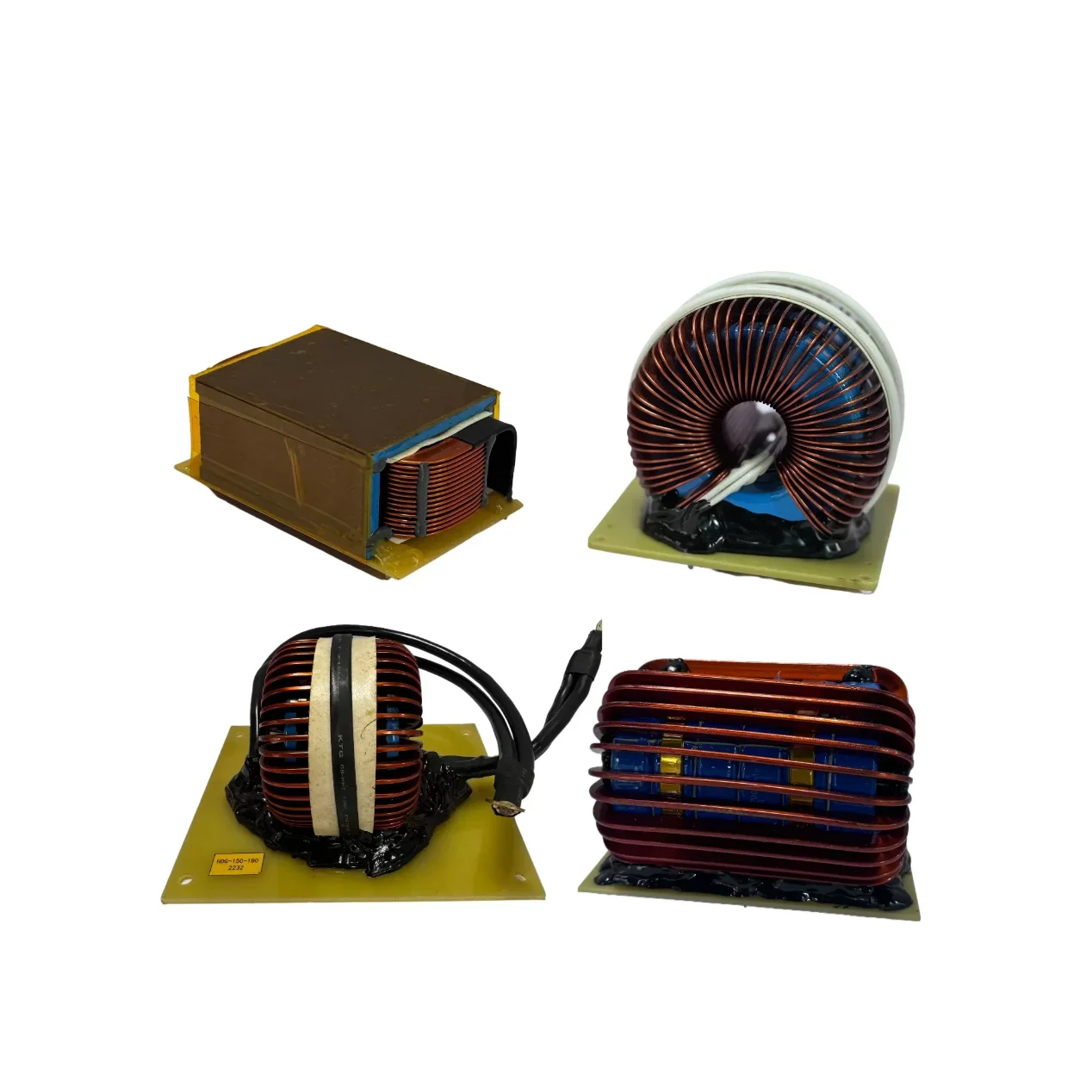
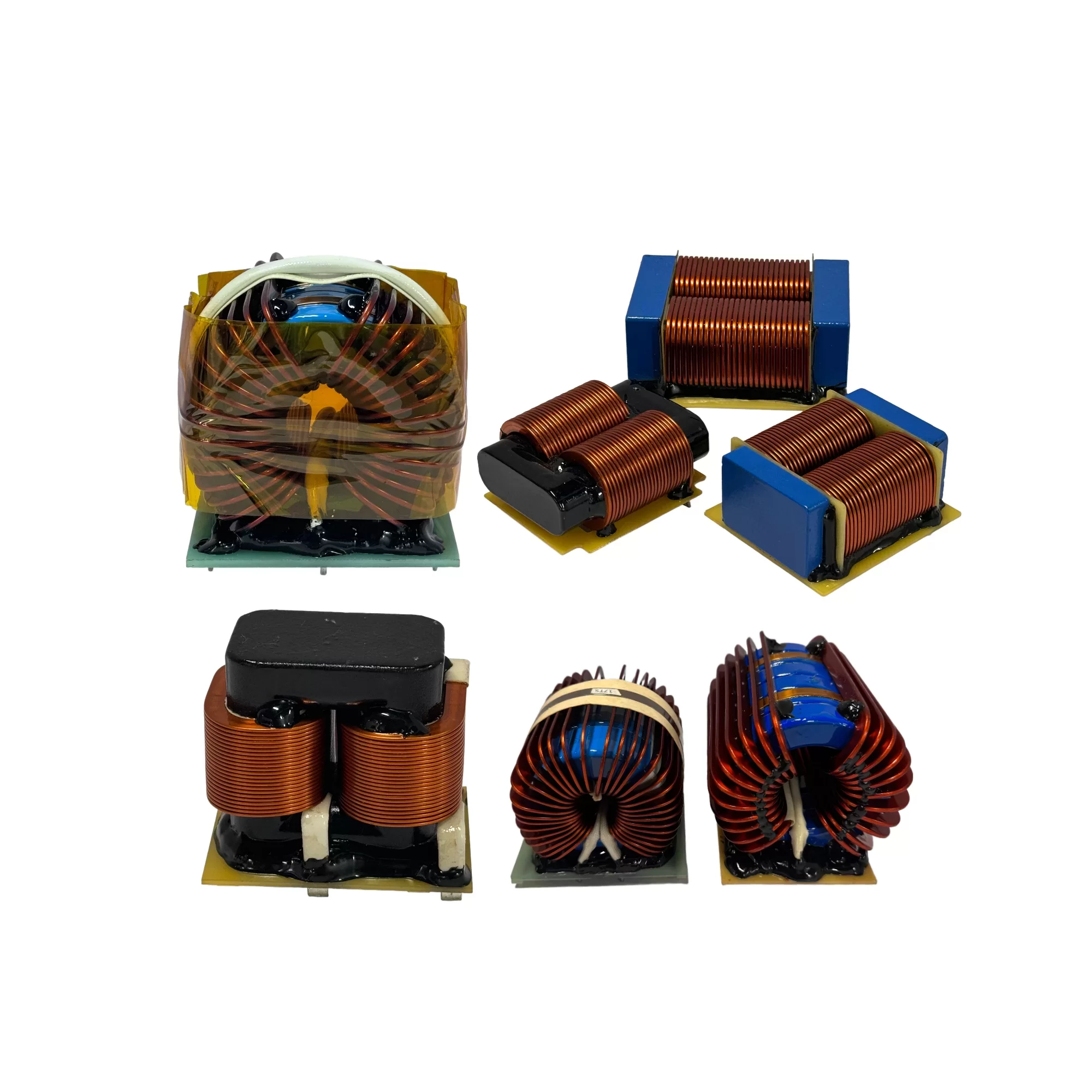
The core structure is the foundation of performance for coupled inductor buck and electric inductor, and it also shares certain magnetic design logic with coupled inductor sepic. The coupled inductor buck is mainly composed of coupled magnetic cores and multi-group windings, with precisely designed winding directions and turn ratios to realize energy coupling and transmission between windings. This structural design enables the coupled inductor buck to effectively reduce output current ripple, improve circuit conversion efficiency, and adapt to high-current working scenarios of new energy and industrial equipment.
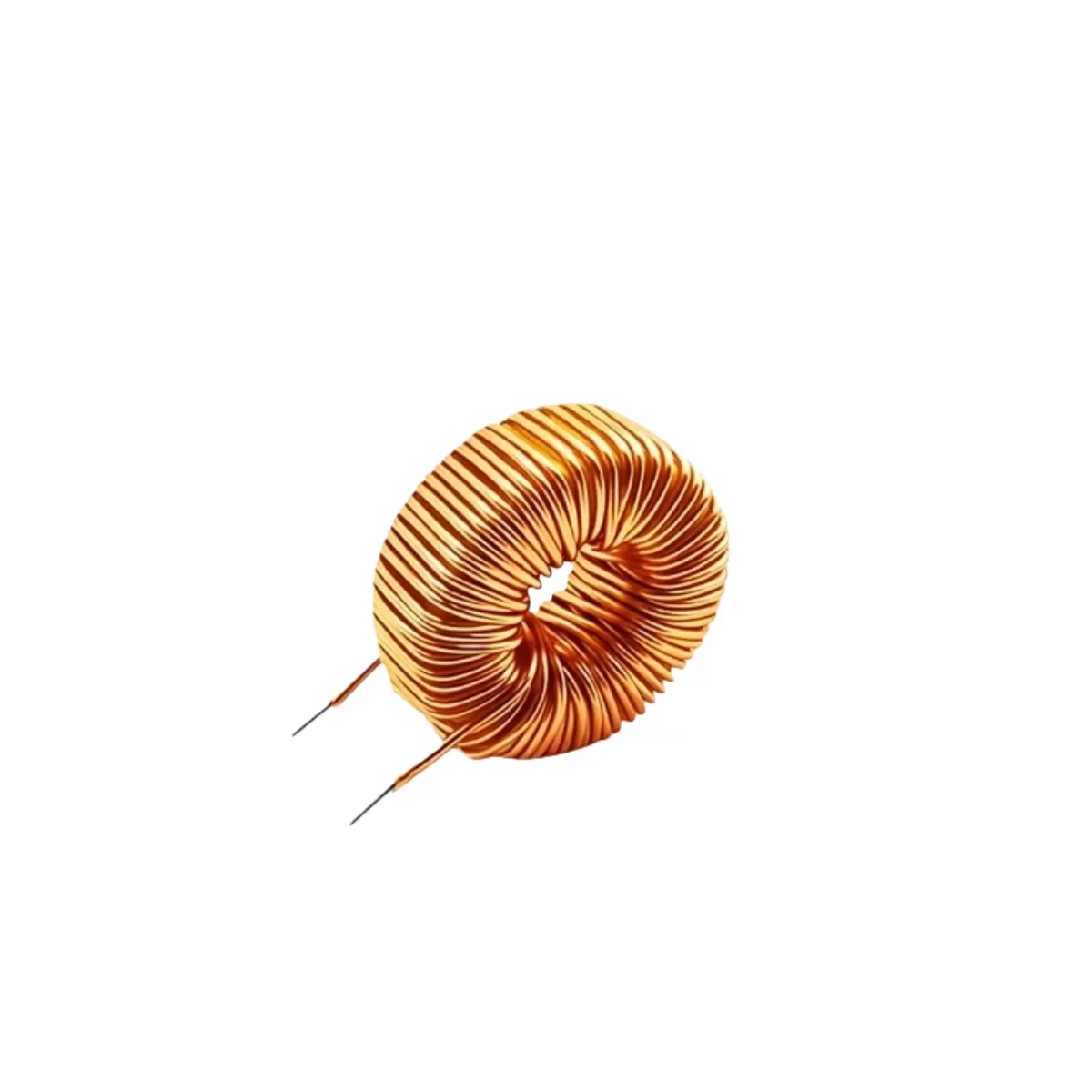
In contrast, the electric inductor has a relatively simple structure, usually consisting of a single magnetic core and a single winding. Its core function is to store and release energy in the circuit, suppress current changes, and play a role in filtering and stabilizing voltage. The electric inductor is widely used in various low-power electronic circuits due to its small size and low cost. The coupled inductor sepic, on the other hand, has a symmetrical winding structure, which can realize bidirectional voltage conversion, and its structural design is more complex than that of the coupled inductor buck. Xinchangda’s R&D team has in-depth research on the structural design of these three inductors, and can customize the most suitable core materials and winding schemes according to the specific needs of customers, ensuring that each product can exert its best performance in the target circuit.
The operational principles of coupled inductor buck, electric inductor and coupled inductor sepic are quite different, which determines their different application scenarios. The coupled inductor buck works based on the principle of magnetic coupling and energy transmission. When the switch tube in the circuit is turned on, the primary winding stores energy, and the magnetic field in the core increases; when the switch tube is turned off, the energy stored in the primary winding is transmitted to the secondary winding through magnetic coupling, and then supplied to the load, realizing the step-down conversion of voltage.
The electric inductor works by relying on the electromagnetic induction effect. When the current in the circuit changes, the inductor will generate an induced electromotive force that hinders the current change, thereby stabilizing the current and filtering out clutter. It is often used in the filtering circuits of household appliances and audio equipment. The coupled inductor sepic uses the coupling effect between windings to realize the step-up and step-down conversion of voltage. Its working process is more flexible than that of the coupled inductor buck, and it is suitable for the power conversion circuits of LED drivers and battery chargers. Xinchangda’s technical team can provide detailed operational principle explanations and circuit matching suggestions for customers, helping them accurately select the right components for their products.
Coupled inductor buck, electric inductor and coupled inductor sepic have distinct application scenarios due to their different performance characteristics. The coupled inductor buck is mainly used in high-power power conversion fields, such as new energy vehicle on-board chargers, industrial DC power supplies and solar inverters. Its high-efficiency and low-ripple characteristics can effectively improve the energy utilization rate of equipment and reduce heat generation, extending the service life of the whole machine.
The electric inductor is widely used in low-power electronic products, including household appliances, audio equipment and communication devices. It plays a role in filtering and stabilizing current in the circuit, ensuring the stable operation of the equipment and improving the signal quality. The coupled inductor sepic is suitable for the power conversion circuits that need both step-up and step-down functions.
Xinchangda’s coupled inductor buck has three core advantages that are favored by customers. First, high conversion efficiency. Our coupled inductor buck adopts optimized winding design and high-quality magnetic core materials, with conversion efficiency as high as 95% or more, which can significantly reduce energy loss and improve the energy utilization rate of equipment. Second, low output ripple. The coupling structure of the product can effectively suppress current ripple, making the output current more stable, which is especially suitable for precision equipment that has high requirements for power supply quality. Third, strong load adaptability. The coupled inductor buck can work stably in a wide load range, and can adapt to the harsh working environments of industrial and new energy equipment. Choosing our coupled inductor buck can effectively improve the performance and competitiveness of your products.
Selecting a suitable electric inductor needs to grasp three key points. First, confirm the inductance value. The inductance value should be selected according to the frequency and current parameters of the circuit. For high-frequency circuits, a smaller inductance value is required, while for low-frequency filtering circuits, a larger inductance value is more suitable. Second, check the rated current. The rated current of the electric inductor must be greater than the maximum working current of the circuit to avoid magnetic saturation of the core due to excessive current, which will affect the normal operation of the circuit. Third, consider the size and installation method. According to the space layout of the product, select the electric inductor of the appropriate size and installation type. Xinchangda’s sales team can provide one-on-one selection guidance to help you choose the most suitable electric inductor products.
The coupled inductor sepic has three core functions in the circuit. First, voltage step-up and step-down conversion. Unlike the coupled inductor buck which only has step-down function, the coupled inductor sepic can realize both step-up and step-down conversion of voltage, and has strong flexibility. Second, ripple suppression. The coupling structure of the product can effectively reduce the ripple of the output voltage, making the power supply more stable. Third, high efficiency energy transmission. The coupled inductor sepic has low energy loss during the energy transmission process, which can improve the overall efficiency of the circuit. Xinchangda’s coupled inductor sepic products have been optimized for performance, and can meet the power conversion needs of various precision equipment.
Yes, Xinchangda provides full customization services for both coupled inductor buck and electric inductor. We can customize parameters such as inductance value, rated current, winding turns ratio, size and terminal type according to the specific circuit design requirements of customers. Our R&D team has rich experience in customized development, and can complete the design, proofing and mass production of products efficiently. The customized products follow the same strict quality control standards as the standard products, ensuring that the performance and reliability of each product meet the customer’s expectations. Choosing our customization service can make the inductors perfectly match your circuit design.
When selecting an electric inductor for the coupled inductor sepic circuit, three key points need to be considered. First, the inductance value should match the voltage conversion range of the coupled inductor sepic to ensure stable energy transmission. Second, the DC resistance of the electric inductor should be as low as possible to reduce energy loss. Third, the core material should have high magnetic permeability and low loss characteristics to adapt to the high-frequency working environment of the coupled inductor sepic. Xinchangda’s sales team can recommend the most suitable electric inductor models according to your coupled inductor sepic parameters, helping you reduce the R&D cycle.
In short, coupled inductor buck, electric inductor and coupled inductor sepic serve diverse circuit needs. Xinchangda’s reliable quality, customization capability and rich experience make it your ideal magnetic component partner.