
Hit enter to search or ESC to close
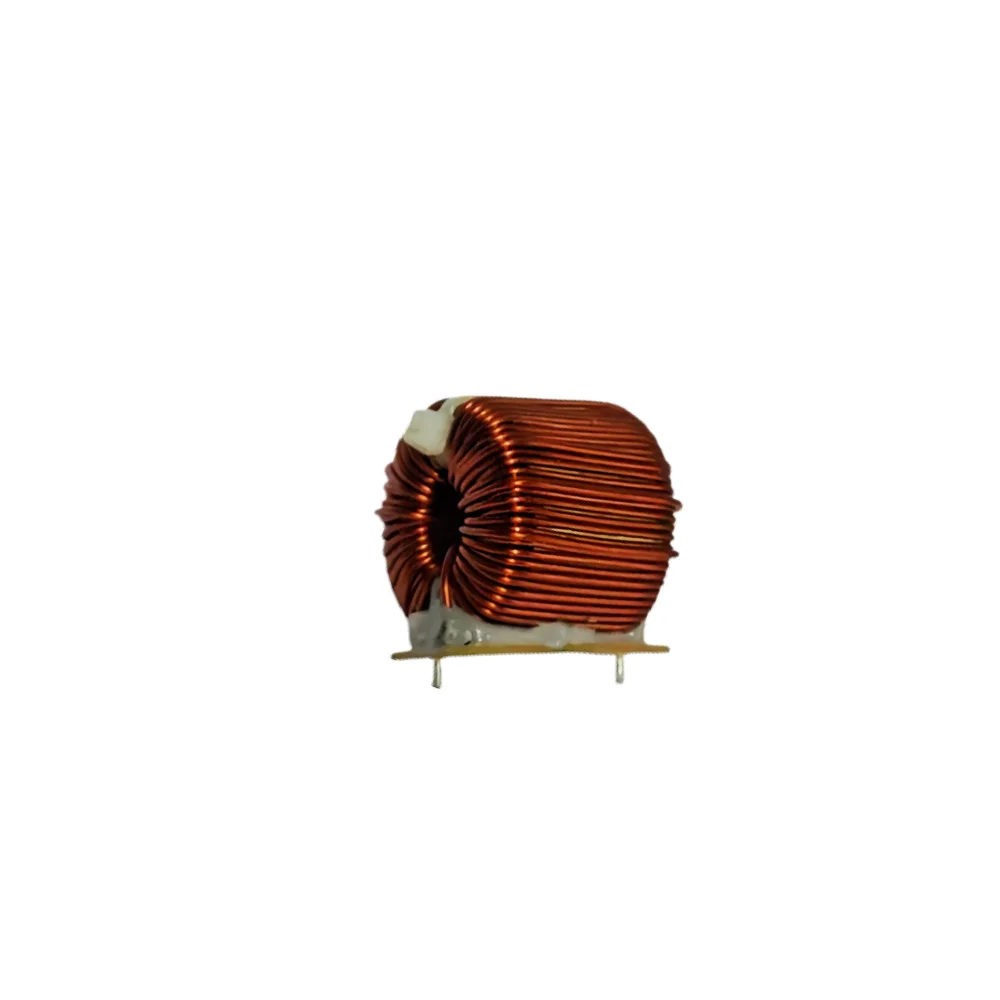
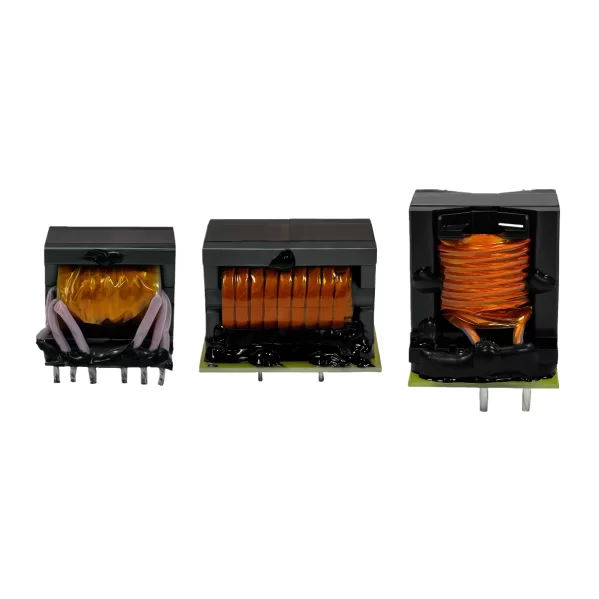
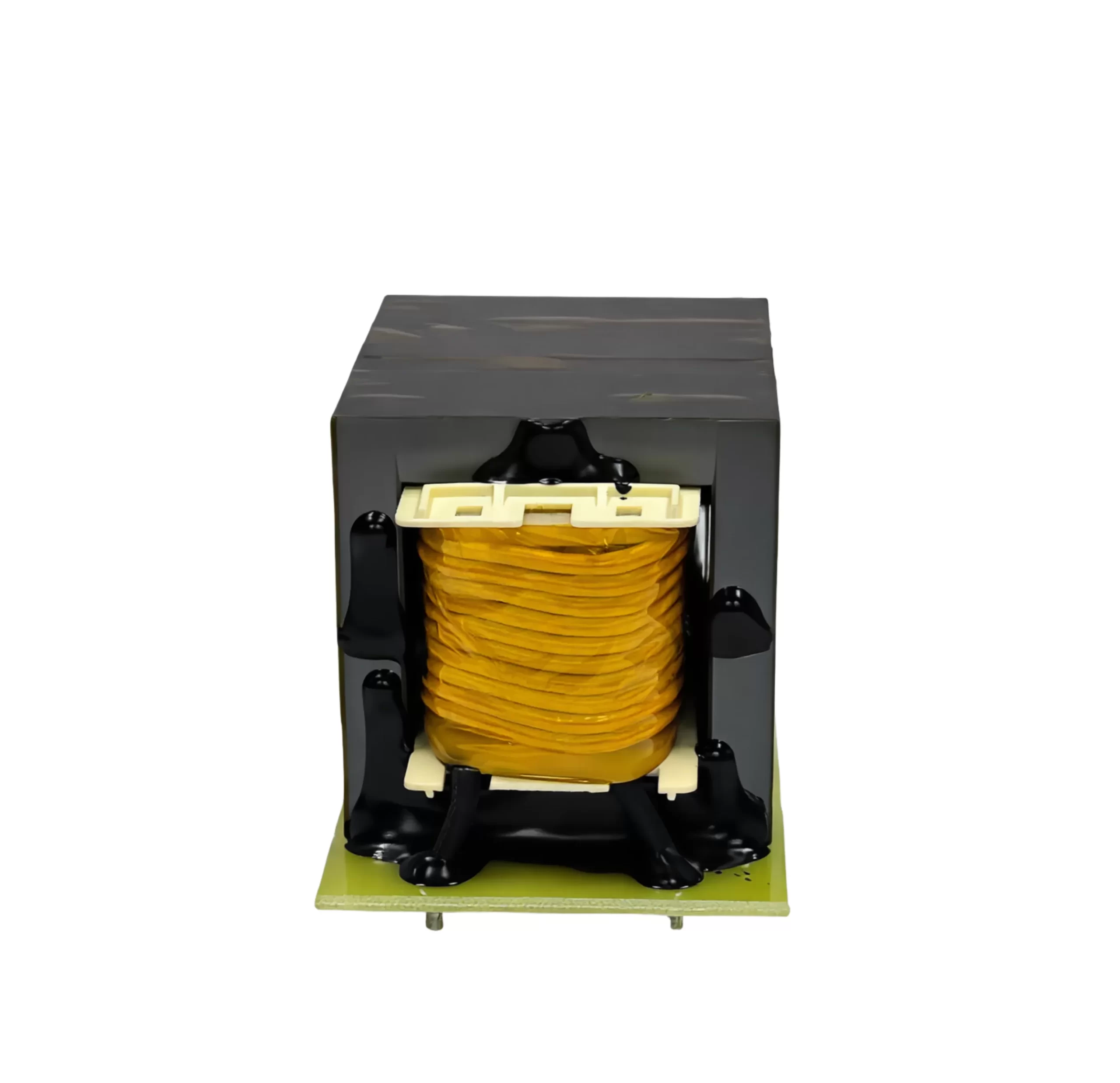
In the realm of power electronics, particularly within energy storage systems and medical equipment, the margin for error is non-existent. Engineers frequently face the dual challenge of managing parasitic capacitance while maintaining sufficient dielectric isolation. Incorrect calculations or subpar implementation can lead to voltage breakdown, excessive heat generation, and component failure. Navigating these complexities requires more than just standard manufacturing; it demands a partner capable of executing precise High Voltage High Frequency Transformer Winding Techniques tailored to specific circuit topologies.
XCD Magnetic Technology Co., Ltd. bridges the gap between theoretical design calculation and physical reliability. Established in 2010, we bring over 14 years of specialized manufacturing experience to your project. Unlike generic off-the-shelf suppliers, we focus on a one-stop service that includes deep involvement in the design and customization phase. By leveraging our quick response mechanisms and ISO9001:2015 certified processes, we ensure that every winding geometry is optimized for your specific voltage stresses and frequency requirements, effectively mitigating leakage inductance and maximizing efficiency.
Achieving optimal performance in magnetic components is a function of rigorous design calculation and precise execution on the production line. High voltage applications require specific winding structures—such as sectoral winding or layer interleaving—to distribute electric field stress evenly. At XCD Magnetic Technology, our technical protocols are designed to ensure that our High Voltage High Frequency Transformer Winding Techniques meet the stringent demands of modern high-tech applications, from industrial inverters to precision audio amplifiers.
Below is a breakdown of how our manufacturing standards translate into tangible technical advantages for your systems:
| Performance Metric | Industry Significance | Our Engineering Standard | Advantage |
|---|---|---|---|
| Parasitic Capacitance | High capacitance causes resonance and switching losses at high frequencies. | Customized sectional winding & optimized tape insulation spacing. | Enhanced signal integrity and reduced EMI in sensitive circuits. |
| Dielectric Strength | Critical for preventing arc-over and ensuring safety in HV applications. | ISO9001:2015 compliant material selection & vacuum impregnation. | Superior insulation reliability with a verifiable safety margin. |
| Leakage Inductance | Affects energy transfer efficiency and voltage spikes on switches. | Precision coupling techniques and tight core-winding integration. | Improved energy conversion efficiency and reduced snubber requirements. |
| Thermal Stability | Heat accumulation degrades insulation and shortens lifespan. | Rapid development prototyping to test thermal dissipation designs. | Consistent performance under load supported by a 5-year guarantee. |
Investing in superior magnetic components is a strategic decision that impacts the total cost of ownership (TCO) of your final product. While initial unit costs are a factor, the long-term financial health of a project relies on component longevity and field reliability. Utilizing advanced High Voltage High Frequency Transformer Winding Techniques does not merely solve an immediate technical hurdle; it safeguards your brand reputation against field failures and warranty claims.
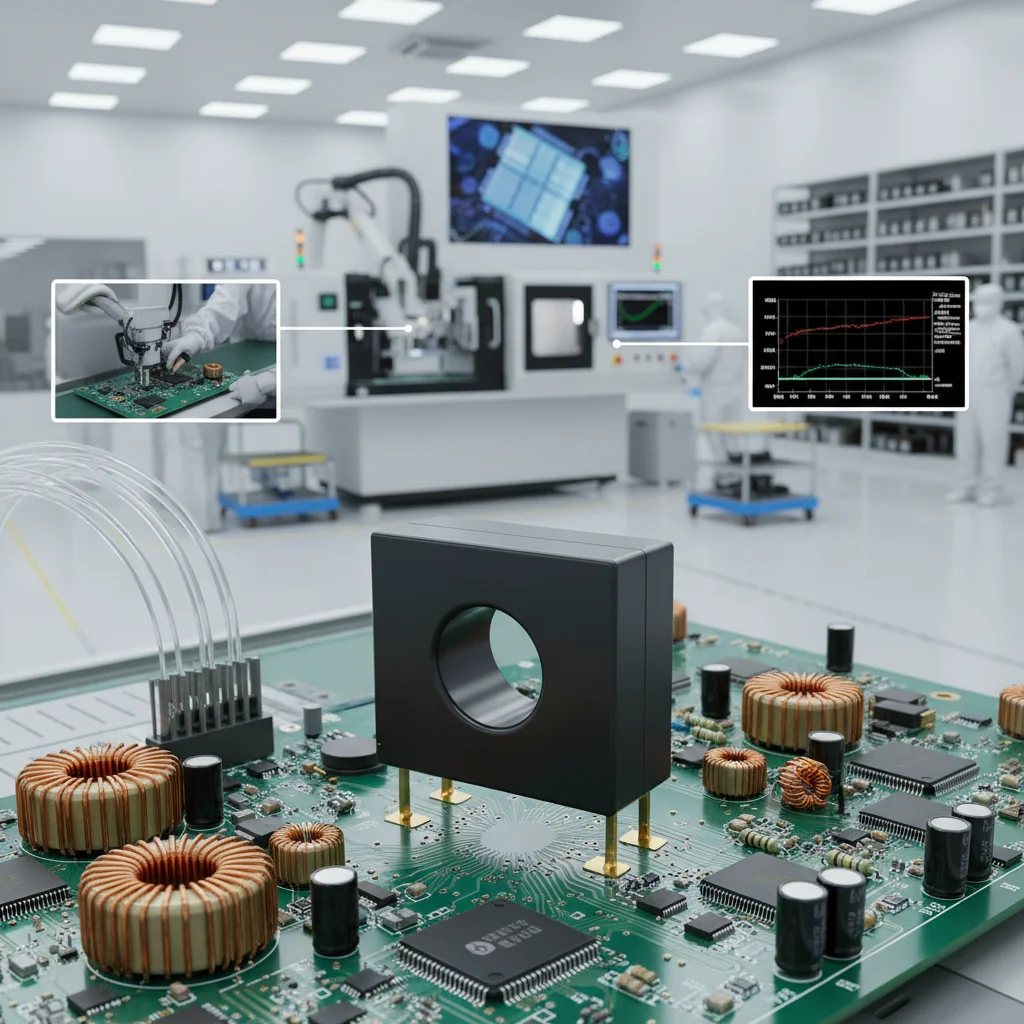
XCD Magnetic Technology reinforces this value proposition with a robust 5-year after-sale guarantee. Our global layout, supplying solutions for critical applications like medical equipment and energy storage, demonstrates our commitment to quality. By partnering with us for your OEM/ODM needs, you reduce the risk of costly redesigns and manufacturing defects. The chart below illustrates the projected operational stability and lifespan extension achieved when utilizing our optimized winding designs compared to standard market alternatives.
Related products
Top Selling Products