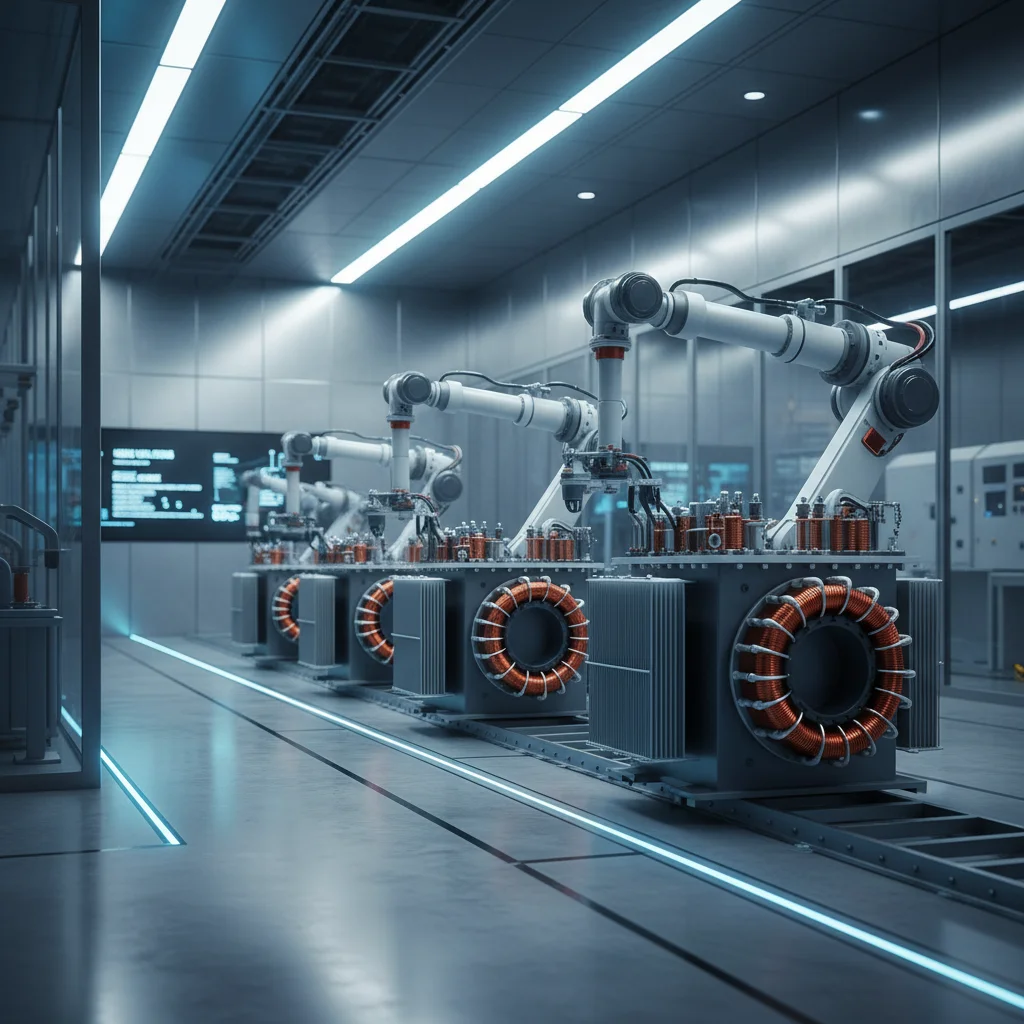
Look, industrial transformer manufacturers... it's a world most folks don't think about, right? But it’s everything. Powering factories, keeping hospitals running, even the lights in your office. To be honest, seeing the demand lately… it's been a bit of a scramble. Everyone’s talking about smart grids and renewable energy, and that all needs transformers. Bigger ones, more efficient ones. It's not just about raw power anymore, it's about reliability and minimizing loss, you know?
It’s funny, you spend all this time designing something, making sure it meets specs, and then you get on-site and things change. Have you noticed how every factory floor is different? Every installation has its own quirks? You think a standard design will work, but then you're dealing with limited space, weird angles, or some ancient legacy system that just refuses to cooperate. It keeps you on your toes, that's for sure.
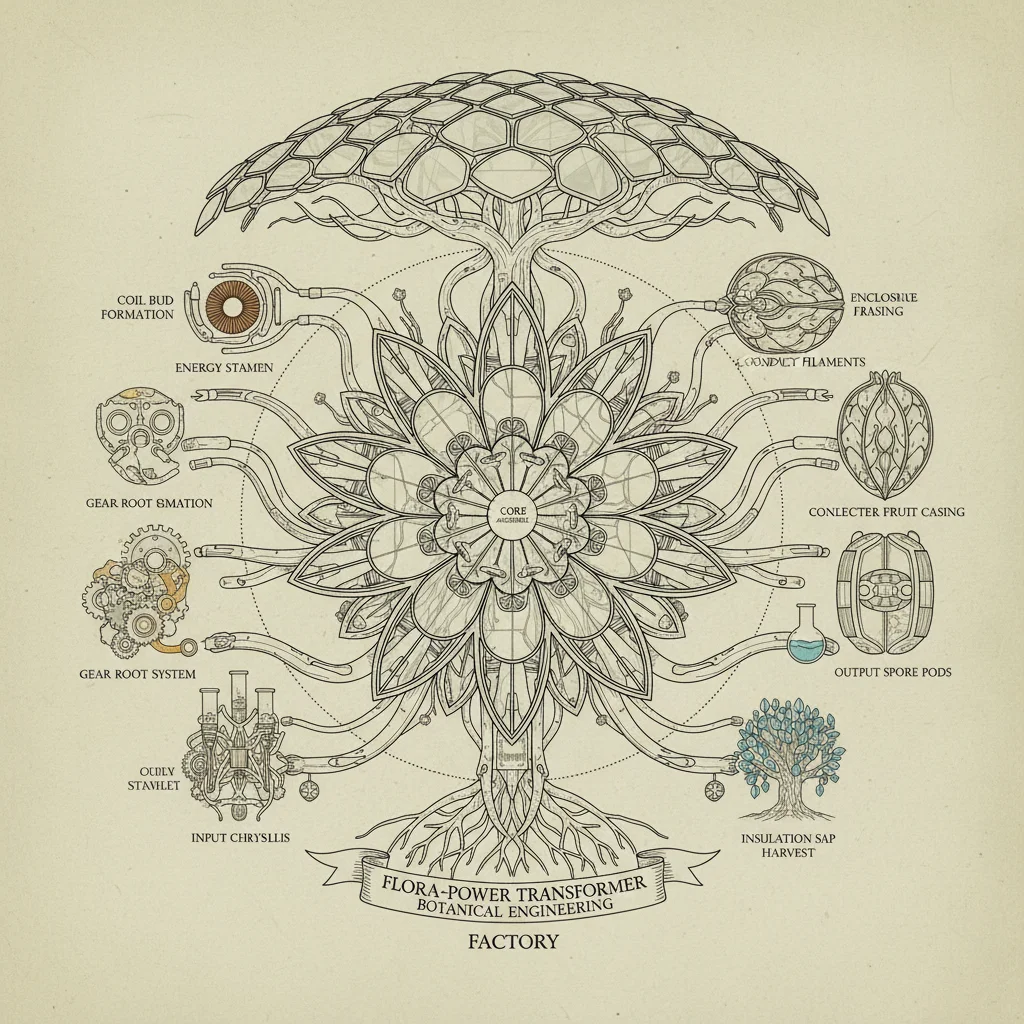
The push for sustainability is huge, and it's impacting transformer manufacturers big time. More and more people are demanding transformers that can handle intermittent power sources like solar and wind. It's complex stuff, needing really smart control systems to maintain grid stability. It's not just slapping a coil of wire around an iron core anymore.
The Current Landscape of industrial transformer manufacturers
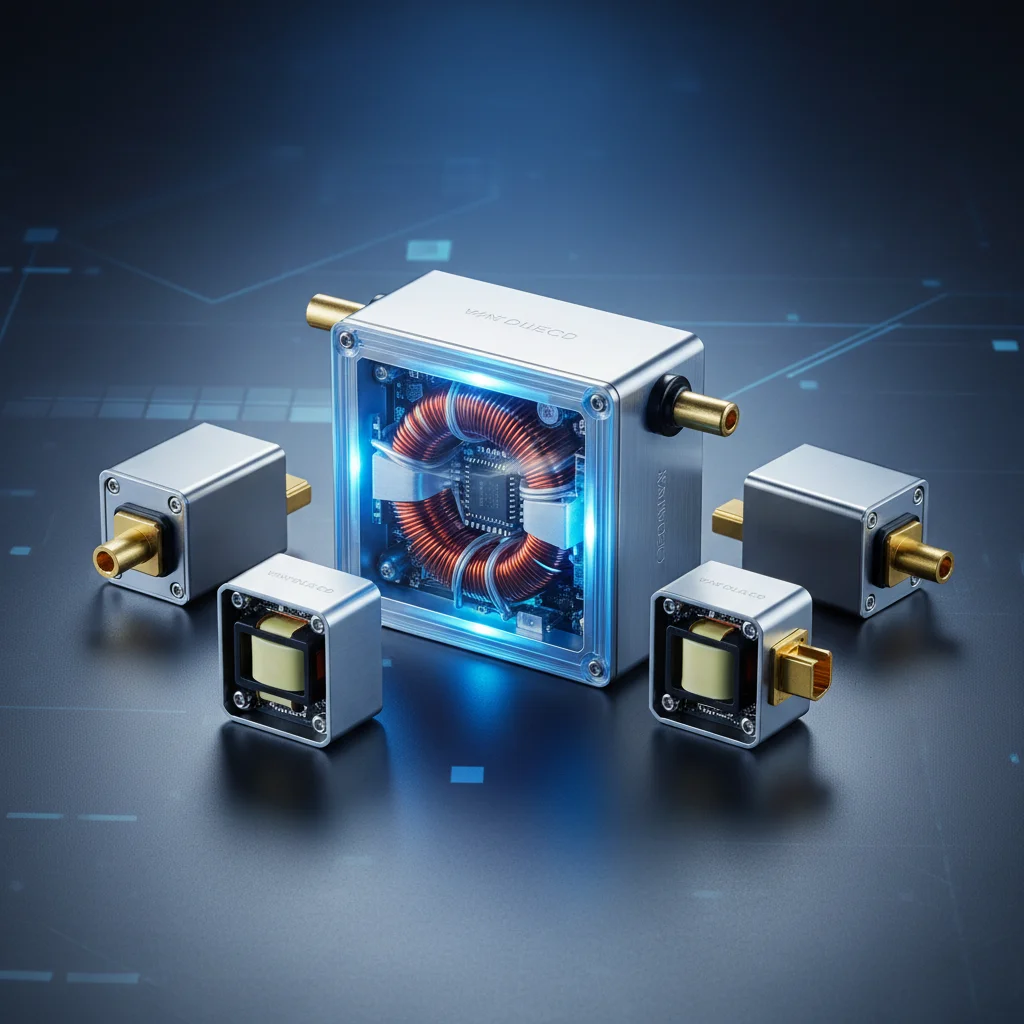
Honestly, the biggest shift I’ve seen lately is the move towards digitalization. Everyone wants smart transformers now, with built-in monitoring and remote control. It used to be, you'd send a guy out to check the oil level and temperature. Now? Data streams are coming in 24/7. It's great, but also adds a whole layer of complexity. We're seeing a lot of smaller manufacturers getting squeezed out, too. It's a capital-intensive business, and you need to be able to invest in R&D to stay competitive.
There's a lot of talk about amorphous core transformers. They’re more efficient, reduce energy losses, but they’re also more fragile and expensive. A lot depends on the application. If you’re building a substation, sure, spend the extra money. But for a smaller factory? Sometimes the cost-benefit just isn't there.
Design Pitfalls and Common Mistakes
Strangely enough, one of the biggest mistakes I see is underestimating the environmental conditions. People forget about humidity, dust, temperature swings... You design something perfect in the lab, and then it gets installed in a gritty, humid factory and everything goes south. Proper sealing and corrosion protection are absolutely crucial. I encountered this at a textile factory in India last time, they'd completely overlooked the humidity and the transformer was corroded within six months.
Another thing is getting fixated on theoretical efficiency and ignoring practical considerations. A transformer might look great on paper, but if it's a nightmare to maintain or has a really awkward connection layout, it's not going to be a success. Simplicity is often key.
And don’t even get me started on cooling systems. People always underestimate the heat generated. You need to think about airflow, ventilation, and proper heat dissipation. Otherwise, you’ll be dealing with overheating and premature failure.
Material Selection and Handling
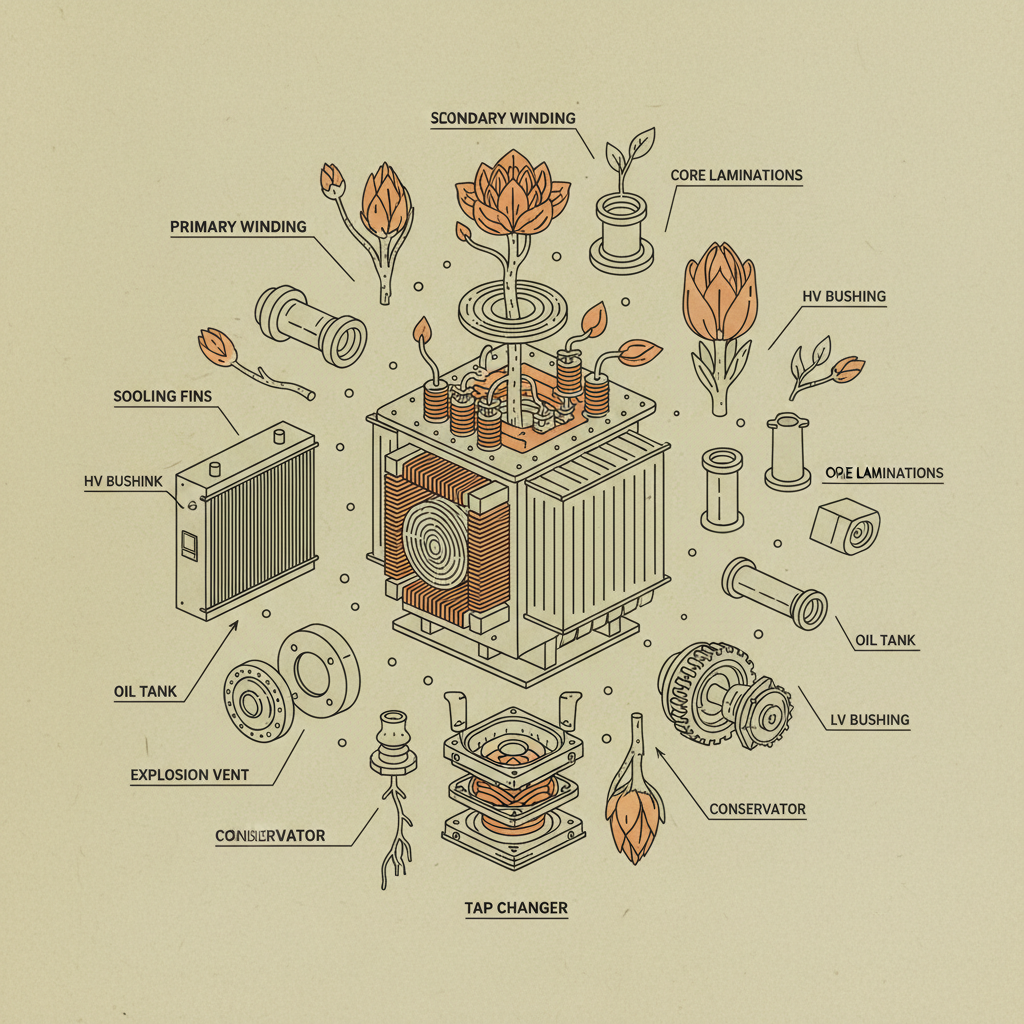
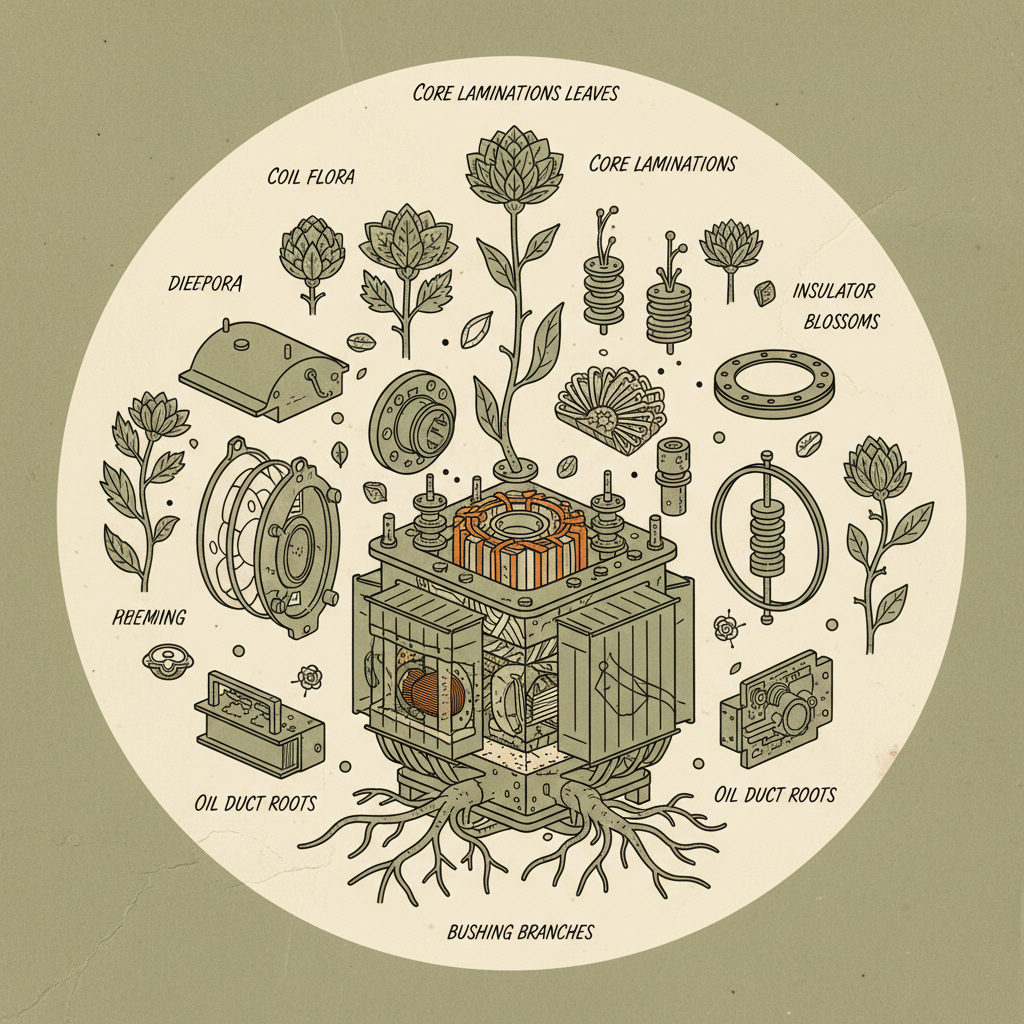
Now, materials... that's a whole other ballgame. The core is usually laminated silicon steel, obviously. But the quality varies wildly. You get what you pay for, usually. The higher grade stuff is easier to work with, has lower losses, but it's pricey. The smell of that silicon steel when it's freshly cut? It’s…distinctive.
The windings are typically copper, but aluminum is becoming more common, especially for larger transformers. Aluminum is lighter and cheaper, but it has higher resistance. Handling copper, you can tell it’s quality stuff, solid and cool to the touch. Aluminum feels…lighter, a bit less substantial. You have to be careful with the insulation, too. It needs to withstand high voltages and temperatures. We’ve been using a lot of epoxy resin lately, seems to hold up well.
And the oil! Transformer oil isn't just any oil. It's a highly refined mineral oil that acts as both a coolant and an insulator. You can actually tell a lot about the condition of a transformer just by looking at the oil. If it's dark and sludgy, it's time for a replacement.
Real-World Testing and Validation
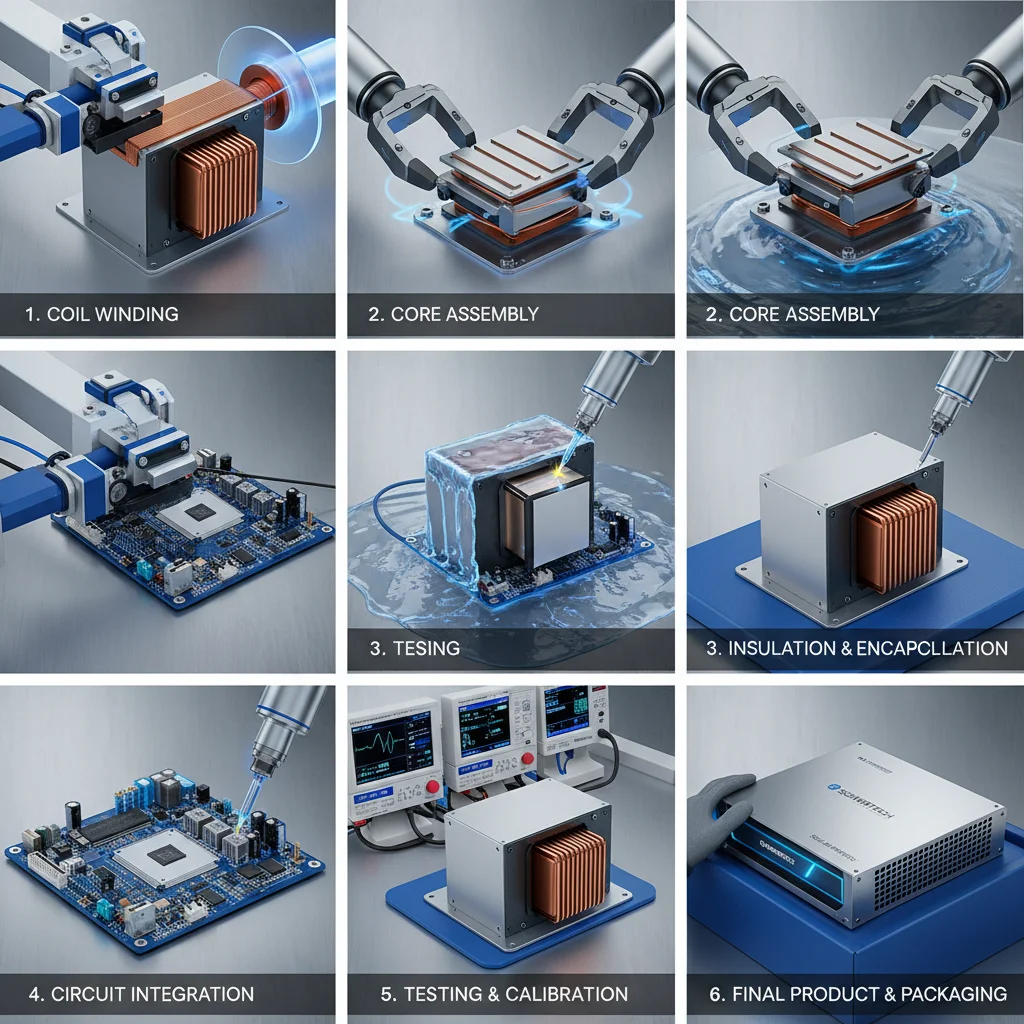
Forget the lab tests, honestly. They're useful for basic verification, but the real test is in the field. We do a lot of short-circuit and open-circuit tests, of course, to measure efficiency and impedance. But we also subject the transformers to simulated fault conditions - surges, voltage drops, things that happen in real life.
I like to see them installed in a test rig and run at full load for a week, just to make sure everything holds up. We check the temperature rise, monitor the oil level, and listen for any unusual noises. Sometimes, a little vibration can indicate a loose connection or a winding fault. You learn to listen.
Transformer Testing Performance
How Industrial Transformers Are Actually Used
You’d think it's straightforward, right? Step up the voltage for transmission, step it down for use. But the applications are wildly diverse. Data centers need ultra-reliable transformers with minimal harmonic distortion. Manufacturing plants need rugged transformers that can withstand harsh environments. And then you’ve got specialized applications, like arc furnaces or welding machines, that require transformers with very specific characteristics.
What’s surprising is how often people modify them after installation. Add extra taps, change the cooling system, things like that. You design for a specific load, but then the customer’s needs change. It's all part of the job.
Advantages, Disadvantages, and Customization
The big advantage of a well-designed industrial transformer? Reliability. If it's built right, it'll run for decades with minimal maintenance. And efficiency, obviously. Reducing energy losses saves a lot of money over the long term. But they're heavy, bulky, and can be expensive upfront. That’s the tradeoff.
Customization is huge. Last month, that small boss in Shenzhen who makes smart home devices insisted on changing the interface to ... and the result was a complete disaster. It voided the warranty and nearly blew up his entire production line. Anyway, I think customers often don’t realize the impact of small changes.
But serious customizations – like special voltage ratios, custom winding configurations, or integrated monitoring systems – are common. We did a project last year where we had to build a transformer that could operate at extremely high altitudes. That required a special insulation design to prevent arcing.
A Glimpse into the Future and Current Challenges
The future? More smart transformers, more digitalization, and a big push towards sustainable materials and manufacturing processes. We’re looking at using biodegradable insulating oils and reducing the carbon footprint of the manufacturing process. It’s not easy, but it's necessary.
One of the biggest challenges is the shortage of skilled labor. Finding experienced transformer technicians and engineers is getting harder and harder. The younger generation isn't exactly lining up to work with big, oily machines. Gotta get more training programs in place.
And the supply chain disruptions... don't even get me started. Getting access to high-quality materials is a constant struggle. Prices are fluctuating wildly, and lead times are getting longer. It makes planning and forecasting a nightmare.
Summary of Key Challenges Facing Industrial Transformer Manufacturers
| Challenge Area |
Severity (1-10) |
Impact on Production |
Potential Mitigation |
| Supply Chain Disruptions |
8 |
High |
Diversify suppliers, increase inventory |
| Skilled Labor Shortage |
9 |
Critical |
Invest in training programs, automation |
| Rising Material Costs |
7 |
Medium |
Negotiate long-term contracts, explore alternative materials |
| Increasing Digitalization Complexity |
6 |
Medium |
Standardize protocols, invest in cybersecurity |
| Demand for Sustainable Materials |
5 |
Low |
R&D into eco-friendly alternatives |
| Evolving Grid Standards |
7 |
Medium |
Continuous monitoring of industry regulations |
FAQS
A properly maintained industrial transformer can easily last 30-40 years, sometimes even longer. However, it really depends on the operating conditions, load cycles, and the quality of the initial construction. Regular oil analysis and inspections are crucial for maximizing lifespan. We’ve seen some transformers from the 70s still going strong, but they’ve been religiously maintained.
VFDs generate a lot of harmonic distortion, so you need a transformer designed to handle that. K-factor is a crucial specification – the higher the K-factor, the better it can withstand harmonic heating. Also, consider the impedance of the transformer; lower impedance is generally better for VFD applications. Overcooling can also be necessary. Seriously, ignoring harmonics will ruin the transformer.
Transformer oil is vital. It’s not just a coolant, it’s also an insulator and helps dissipate heat. Regular oil analysis is essential – checking for moisture, acidity, and dissolved gases. If the oil is contaminated, it needs to be filtered or replaced. You also need to inspect the oil for leaks and ensure the oil level is correct. It's like changing the oil in your car, but on a much larger scale.
Oil-filled transformers are generally more efficient and have higher overload capacity, but they require more maintenance and pose a fire hazard. Dry-type transformers are safer and require less maintenance, but they’re typically less efficient and more expensive for higher power ratings. The choice depends on the application and the environment. If you're indoors or near flammable materials, dry-type is the way to go.
Absolutely. Retrofitting with smart monitoring systems is becoming increasingly common. You can add sensors to measure temperature, oil level, vibration, and other key parameters. This allows for predictive maintenance, early detection of faults, and improved overall reliability. It's a good way to extend the lifespan of an existing transformer and avoid costly downtime.
A lot of things! The kVA rating is the biggest factor, obviously. But also the voltage level, the type of cooling system, the materials used, and any special features like harmonic filtering or surge protection. Custom designs are always more expensive. Supply chain issues and material shortages can also drive up prices. You need to shop around and get quotes from multiple manufacturers.
Conclusion
Ultimately, industrial transformer manufacturers aren't glamorous, but they're absolutely essential. They're the unsung heroes of the modern world, quietly and reliably powering everything around us. From ensuring grid stability to supporting industrial growth, their role is critical. It's a complex field, demanding expertise in materials science, electrical engineering, and practical on-site experience.
And at the end of the day, whether this thing works or not, the worker will know the moment he tightens the screw. You can design the perfect transformer in the office, but if it's a pain to install or maintain, it's not going to be a success. That's why it's so important to listen to the people on the ground, the guys who are actually working with these machines day in and day out. Want to learn more or discuss your project? Visit our website: www.xcdmagnetic.com