Look, been running around construction sites all year, smelling cement dust and dealing with engineers… transformer suppliers, right? It’s a surprisingly hot topic lately. Everyone’s talking about efficiency, miniaturization, and, strangely, quieter operation. Seems like folks are finally realizing those old, massive transformers aren’t cutting it anymore. To be honest, the demand for compact, high-performance units is through the roof.
It’s not just about size though. Reliability is king, and frankly, a lot of suppliers are cutting corners. You wouldn’t believe the number of times I’ve encountered faulty insulation at factories… it’s a headache. Anyway, I think people are starting to understand that cheap isn't always better, especially when it comes to something that powers, well, everything.
The Rise of Compact Transformers
Have you noticed how much space is at a premium these days? Everything’s getting squeezed into smaller packages, and transformers are no exception. People need more power, but they don’t want a giant metal box taking up half the room. That’s driving demand for higher-density designs. It’s not easy though, believe me. It's a constant balancing act.
And it’s not just commercial applications either. I’m seeing a huge uptick in demand from the renewable energy sector, specifically for solar and wind farms. They need efficient, reliable transformers to step up the voltage for grid connection.
Design Pitfalls: Insulation and Cooling
To be honest, the biggest problems I see are related to insulation and cooling. Shrinking the size means packing more heat into a smaller volume, which puts a lot of stress on the insulation. A lot of suppliers try to get away with cheaper materials, but that's a recipe for disaster. You start to get partial discharge, premature failure… the whole nine yards. I encountered this at a factory in Jiangsu province last time, and the smell was awful – burnt varnish everywhere.
Cooling is another issue. Traditional oil-filled transformers are effective, but bulky and messy. Dry-type transformers are gaining popularity, but they require more sophisticated cooling systems. It's a trade-off. And don’t even get me started on the challenges of maintaining proper temperature gradients within the winding…
I’ve also seen designs that neglect proper creepage and clearance distances, especially in high-voltage applications. It’s just… shorts waiting to happen. It’s the small details that’ll get ya.
Materials: Beyond Copper and Steel
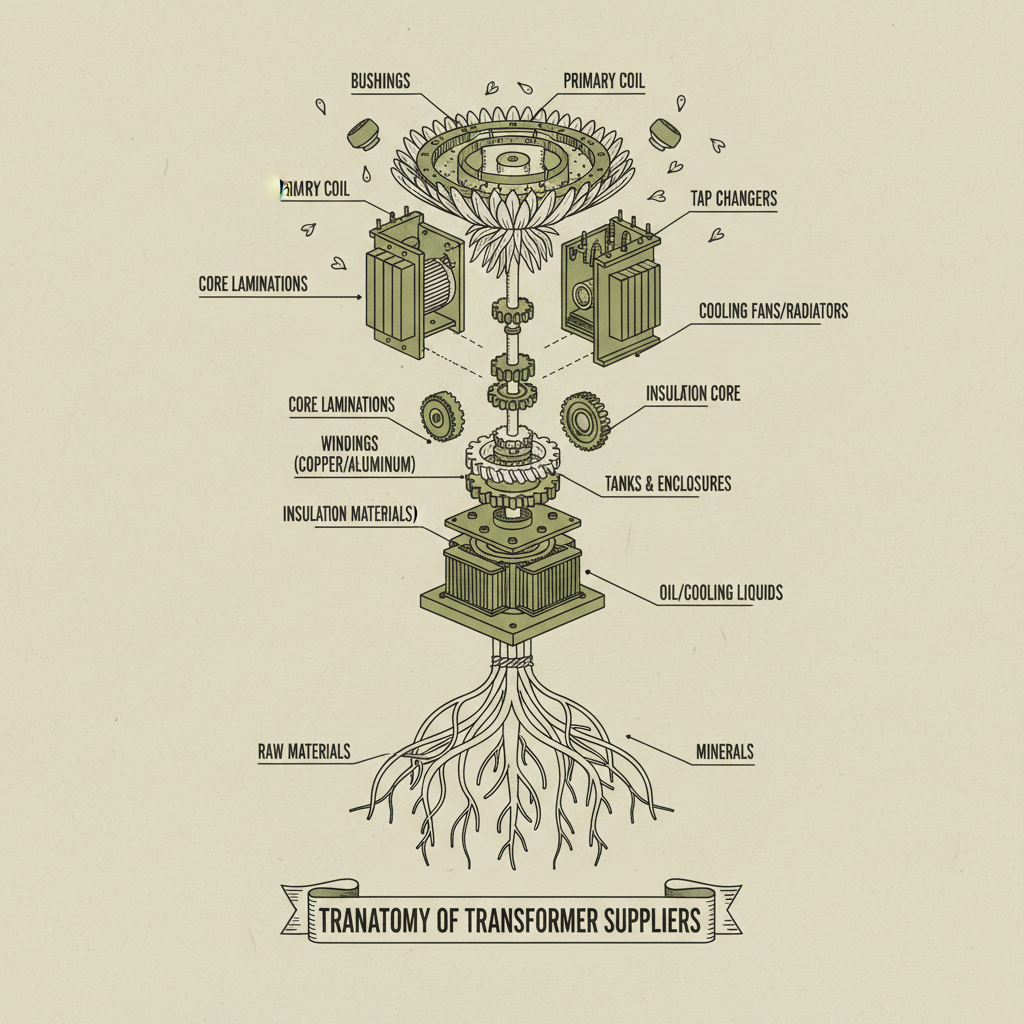
Everyone thinks transformers are all about copper and steel, right? Well, it's a bit more complex than that. The quality of the steel core is crucial – you want a high permeability, low-loss material. But even then, there’s a lot of variation. Some suppliers cut corners here too, using lower-grade steel that increases core losses. You can actually feel the difference when you lift a good core – it’s heavier, denser.
And the insulation… Forget just varnish. I’m seeing more and more use of advanced materials like epoxy resins and silicone elastomers. They offer better thermal stability and dielectric strength. But they’re also more expensive and can be tricky to work with. Some of those epoxy formulations smell like something out of a sci-fi movie.
Also, amorphous metal cores are starting to pop up – incredibly efficient, but brittle as heck. Handling those things on-site is nerve-wracking.
Real-World Testing: Vibration and Heat
Lab tests are fine, but they don’t tell the whole story. I’m talking about real-world conditions: constant vibration from machinery, extreme temperature swings, humidity, dust… all the fun stuff. I’ve seen transformers fail after just a few months in service because they weren’t adequately tested for vibration. It causes the windings to loosen and eventually short-circuit.
Heat is a constant enemy. We often do thermal imaging surveys on-site to identify hotspots and potential problems. It's a good way to catch issues before they escalate. Strangely, the cheapest transformers are often the ones that overheat the fastest. Go figure.
Transformer Supplier Performance – Vibration Resistance
Unexpected Usage Patterns
It’s always interesting to see how people actually use these things. I was on-site at a data center last year, and they were using transformers in a completely unconventional way – as part of a noise barrier. Apparently, the magnetic shielding properties helped to dampen sound. Who knew?
And I’ve seen them repurposed as weights for stabilizing temporary structures. Look, people are resourceful. But it highlights the need for robust designs that can withstand more than just their intended application.
Advantages and Disadvantages
Okay, let's be real. Compact transformers offer obvious advantages: smaller footprint, lower weight, potentially lower cost (though not always). But there are drawbacks. They tend to be more sensitive to overload and temperature variations. And, as I mentioned earlier, maintaining proper insulation and cooling is a challenge. It's a compromise. You gain in one area, you lose in another.
I encountered this last month; a small boss in Shenzhen who makes smart home devices insisted on changing the interface to . The result? He blew through three transformers in a week because the voltage spike protection wasn’t adequate for the new connector. Sometimes, sticking with what works is the smarter move. Anyway, I think it depends on the specific application.
Customization and Specific Examples
Most suppliers will offer some level of customization, but the extent varies. Simple stuff, like changing the tap settings or adding extra monitoring sensors, is usually no problem. But more complex modifications – like altering the core geometry or using a different type of insulation – can be expensive and time-consuming.
We had a client who needed a transformer with a very specific impedance characteristic to match a new generator. It involved a custom winding design and a lot of prototyping. Took months, but we got it done.
And always remember: document everything. Detailed specifications, test reports, material certifications… you need it all. Trust me, it will save you headaches down the road.
Core Considerations for Transformer Supplier Evaluation
| Supplier Experience (Years) |
Certifications & Compliance |
Customization Capabilities |
Post-Sales Support & Warranty |
| 15+ Years |
ISO 9001, UL, CE |
High, Full Design Support |
5 Year Warranty, On-Site Service |
| 5-10 Years |
ISO 9001, RoHS |
Moderate, Limited Modifications |
2 Year Warranty, Remote Support |
| 2-5 Years |
RoHS |
Low, Standard Configurations Only |
1 Year Warranty, Limited Support |
| 10-15 Years |
ISO 14001, UL |
Medium, Some Custom Options |
3 Year Warranty, Phone Support |
| 3-5 Years |
CE |
Basic, Limited Availability |
Standard Warranty, Email Support |
| 1+ Years |
None |
None |
No Warranty, No Support |
FAQS
Dry-type transformers are generally smaller and require less maintenance, making them suitable for indoor applications. Oil-filled transformers, on the other hand, offer better cooling and higher overload capacity, making them ideal for outdoor and high-power applications. However, oil-filled transformers pose a fire risk and require regular oil testing and maintenance. It really comes down to the specific requirements of the installation and the trade-offs you're willing to make.
Look for transformers with a high energy efficiency rating, indicated by standards like UL or energy star. Core material, winding design, and insulation quality all play a crucial role. Amorphous metal cores and low-loss silicon steel are good indicators. Also, ensure the transformer is properly sized for the load. An oversized transformer will operate at a lower efficiency.
With proper maintenance and operating within specified limits, a well-built transformer can last 20-30 years, or even longer. However, factors like load cycles, environmental conditions, and the quality of materials significantly impact lifespan. Regular inspection and testing are crucial to identify potential problems early and extend the transformer's life.
For oil-filled transformers, regular oil sampling and analysis for moisture, acidity, and dielectric strength is essential. For dry-type, inspect for dust buildup and check the condition of the insulation. Thermographic surveys can identify hotspots. Keep a detailed maintenance log – it’s your best friend when something goes wrong.
Very important, especially with the rise of non-linear loads like VFDs and UPS systems. Harmonics can cause overheating, reduce transformer life, and even damage connected equipment. A good transformer supplier can help you determine if harmonic filters are necessary and design a solution tailored to your application.
ISO 9001 (quality management) is a good starting point. UL or CE certification demonstrates compliance with safety standards. Specific industry certifications may also be relevant, depending on the application. Don't be afraid to ask for documentation and verify the supplier's credentials.
Conclusion
Ultimately, the transformer market is evolving rapidly. There’s a big push for smaller, more efficient, and more reliable units, driven by the demands of renewable energy, data centers, and increasingly complex electrical systems. Choosing the right supplier is crucial, and it’s not just about price – it’s about expertise, quality, and a commitment to long-term performance.
And look, at the end of the day, whether this thing works or not, the worker will know the moment he tightens the screw. That’s the truth of it. And if he has to tighten it again next week, well, you know you picked the wrong supplier. Check out our website for more info: transformer suppliers