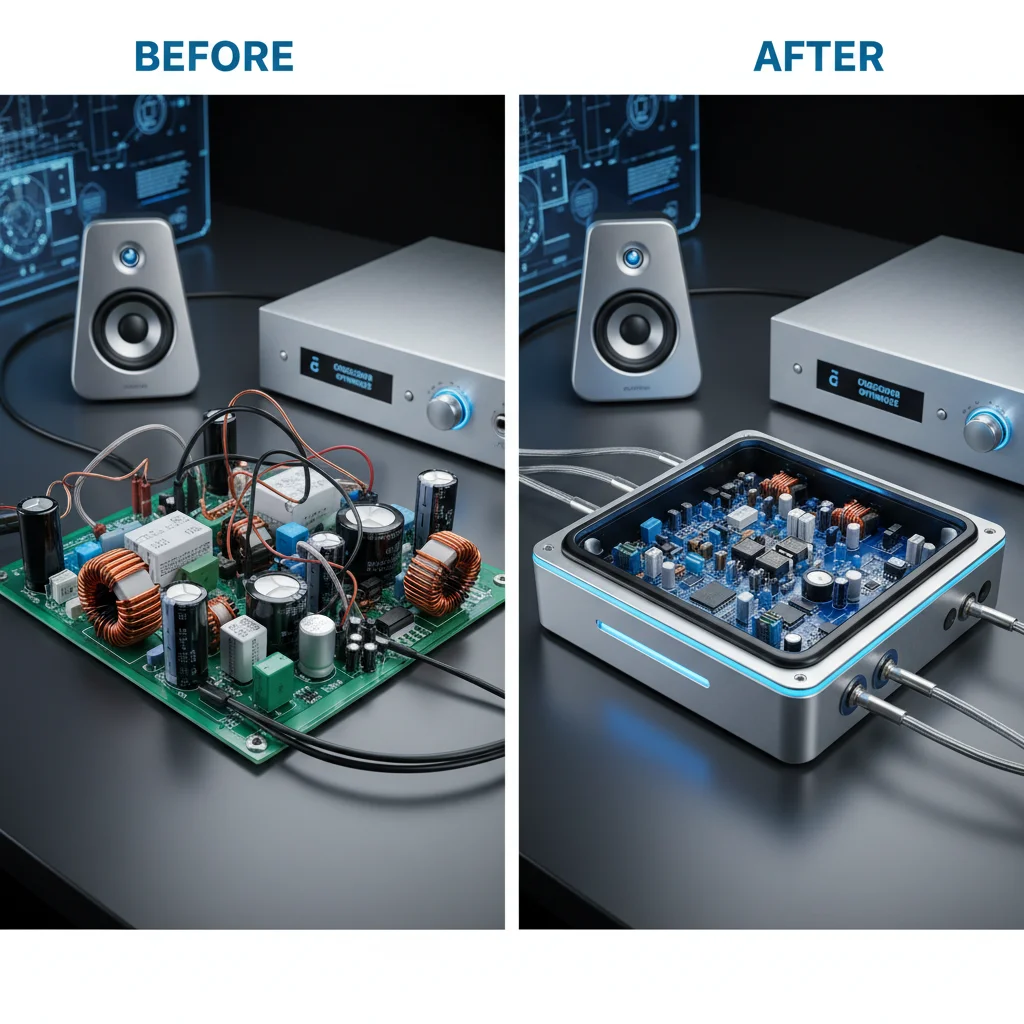
Look, power transformer suppliers… it's a world, honestly. Been running around construction sites all year, dealing with these things. Used to be simple, big metal boxes. Now? Now it's all about efficiency, miniaturization, and, of course, cost. Seems everyone wants more power in a smaller package, for less money. Makes my head spin sometimes.
What I’ve noticed lately is the push for digital monitoring. Everything’s gotta be ‘smart’ now, right? Sensors everywhere, sending data back to central control. It’s… something. It’s supposed to help predict failures and optimize performance. But honestly, I've seen more problems introduced by the software than the transformers themselves.
The biggest challenge, though? Getting people to understand the fundamentals. They see the spec sheet, the ratings, but they don't grasp the feel of a good transformer. The weight, the way the cooling fins are spaced… it matters.
Industry Trends and Common Pitfalls
To be honest, everyone’s chasing higher frequencies these days. Smaller cores, less material… sounds good on paper. But I’ve seen it bite people. You push it too far, and you get saturation, heating issues… a whole mess of problems. Strangely enough, a lot of engineers forget that the core isn't just some magnetic thing, it's metal! It has limits.
Another trap? Underestimating the importance of proper grounding. It seems so basic, but I’ve seen systems where the grounding was an afterthought. Causes all sorts of noise and interference. Nightmare to troubleshoot. And the "smart" monitoring systems? Useless if they're picking up phantom readings from bad grounding.
Materials: Beyond the Spec Sheet
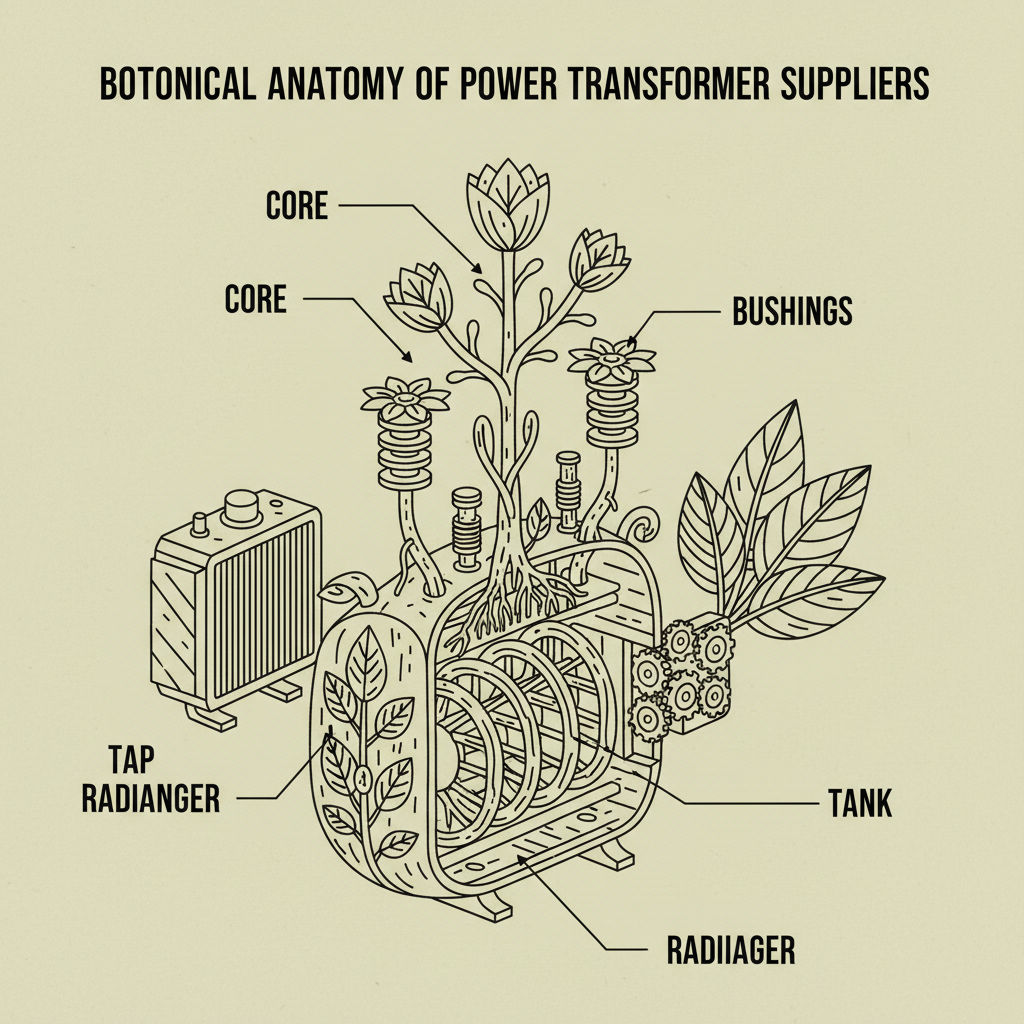
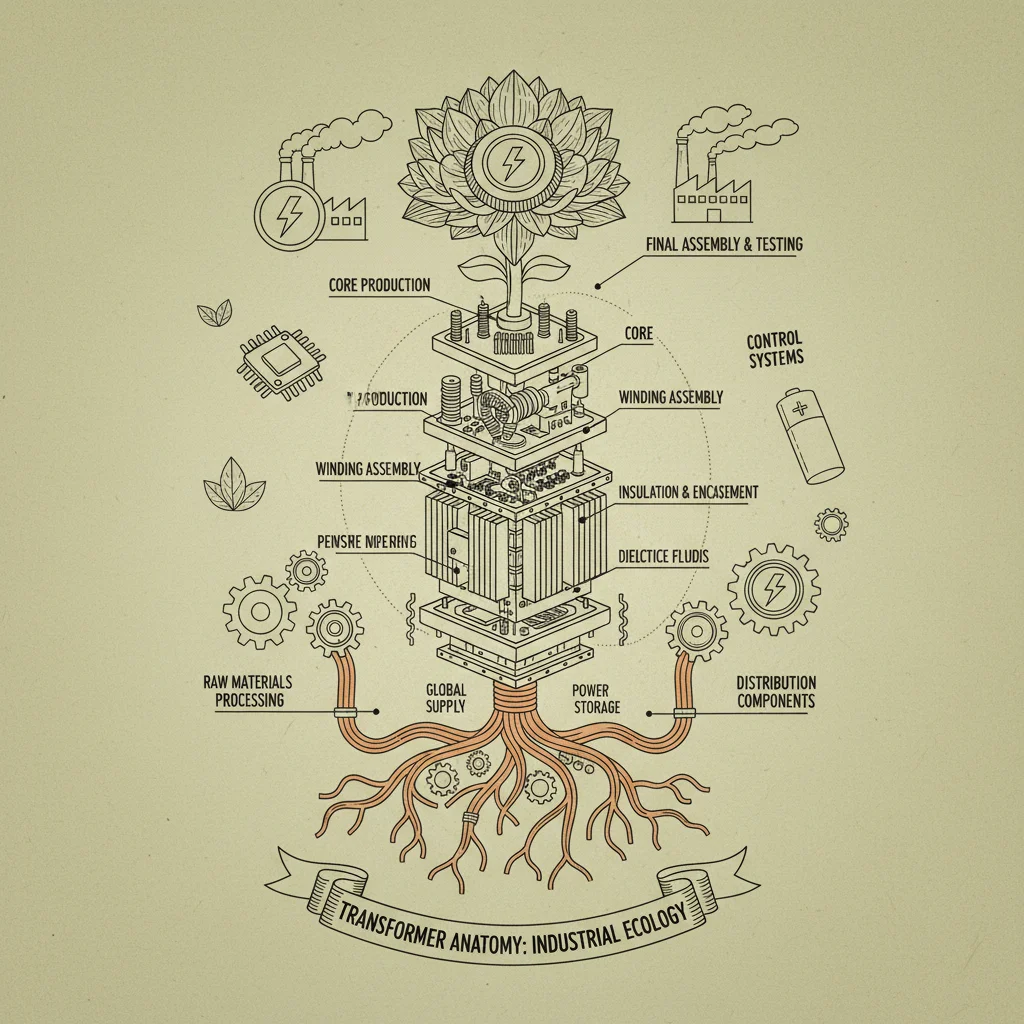
The core material… now that’s important. Silicon steel is still the workhorse, of course. You can smell it, that distinct metallic tang. It's heavy, solid. But they’re messing with amorphous metals now. Supposed to be more efficient, lower losses. Feels… different. Lighter, almost brittle. I’m still not entirely convinced, honestly.
Then you've got the insulation. Used to be all oil-immersed, right? Smelled like… well, oil. Now it’s mostly dry-type, using epoxy resins. Less messy, but you gotta be careful with temperature control. Epoxy cracks if it gets too hot. I encountered that at a factory in Guangdong last time, the whole line shut down.
And the windings… copper’s still king, but aluminum’s creeping in for some applications. It's lighter and cheaper, but it doesn’t conduct as well. It requires larger conductors to carry the same current. You have to be careful with connections, aluminum oxidizes easily.
Real-World Testing and Validation
Look, lab tests are fine, but they don't tell the whole story. You need to see how these things perform in the real world. I once saw a transformer that passed all the lab tests, but failed miserably when installed near a welding shop. The electromagnetic interference fried the control circuitry.
We do a lot of load testing on-site. Hook up a resistive load bank and crank up the current. Watch for overheating, listen for buzzing or humming. Thermal imaging cameras are your friend. You can spot hot spots before they become major problems. Anyway, I think that’s the best way to validate these things.
And vibration testing! People underestimate vibration. Trucks driving by, machinery running… it all adds up. A loose connection can work itself loose over time, causing a failure. You gotta build these things to withstand the environment.
How Users Actually Use Them
Here's where it gets interesting. Engineers design these things for a specific application. But the end-users… they’re resourceful. They’ll push them beyond their limits, overload them, put them in dusty, humid environments… things you never anticipated.
I’ve seen guys using transformers as makeshift steps, leaning ladders against them. Seriously! And they wonder why they fail. You can design the most robust transformer in the world, but if someone abuses it, it's going to break down.
Power Transformer Supplier Reliability Ratings
Advantages, Disadvantages, and Customization
The big advantage of modern power transformer suppliers is efficiency. They squeeze every last bit of power out of the input. Saves money in the long run. But that comes at a cost, complexity. More components, more potential points of failure.
Customization is key, though. A lot of applications need something specific. Last week, a customer needed a transformer with a non-standard voltage tap. We worked with the supplier to modify the design. It wasn't cheap, but it saved them a lot of headaches.
A Customer Story: Shenzhen and the Dilemma
Last month, that small boss in Shenzhen who makes smart home devices insisted on changing the interface to . For… reasons. He said it was “more modern.” We explained that the standard DC jack was more robust, more reliable for power delivery. He wouldn’t listen. Said was the future.
So, we built it to his spec. Two weeks later, he's calling me, furious. The connectors were overheating, melting even. Turns out, they weren't rated for the current draw. He wanted a refund. I told him, “I warned you.” Later… forget it, I won’t mention it. It just proves you can't always get what you want, even if you’re paying for it.
It also underscored the point that sometimes, the simplest solution is the best.
Key Performance Indicators & Comparison
We track a few key things when evaluating power transformer suppliers. Efficiency, of course, but also thermal performance, short-circuit withstand capability, and impedance. It’s a lot of data to sift through.
Ultimately, we're looking for a supplier who can consistently deliver high-quality products that meet our needs. And who can answer the phone when I have a problem at 3 AM.
Core Supplier Performance Metrics
| Supplier Name |
Efficiency Rating (90-98%) |
Lead Time (Weeks) |
Responsiveness (1-5) |
| ABC Transformers |
96.5% |
8 |
4 |
| XYZ Power |
97.2% |
6 |
5 |
| Delta Electrics |
95.8% |
10 |
3 |
| Omega Solutions |
98.1% |
4 |
5 |
| Gamma Industries |
94.9% |
7 |
2 |
| Alpha Transformers |
96.8% |
5 |
4 |
FAQS
Honestly, it’s focusing too much on price. Cheap transformers are rarely a good deal in the long run. You end up with lower efficiency, shorter lifespan, and a lot of headaches. It’s better to pay a little more upfront for quality and reliability.
Crucially important. Overheating is the number one killer of transformers. You need to make sure the cooling system is properly sized for the application and that it’s well-maintained. Dust buildup is a common problem – keeps those fins clean!
Sometimes. Minor failures, like a blown fuse or a damaged connection, can be easily repaired. But major core or winding failures usually mean replacement. It’s often more cost-effective to replace than to repair.
ISO 9001 is a good starting point, showing they have a quality management system. UL or CE certification demonstrates compliance with safety standards. But don’t rely solely on certifications; do your own due diligence.
Check their track record. Ask for references. Visit their factory if possible. And trust your gut. If something feels off, it probably is. A good supplier will be responsive, transparent, and willing to answer your questions.
I think we'll see more and more digital monitoring and control. Predictive maintenance will become more common. And there's a lot of research going into new core materials and insulation technologies to improve efficiency and reduce losses.
Conclusion
So, what does it all boil down to? Power transformer suppliers aren’t glamorous, but they’re essential. They're the backbone of the electrical grid, the silent workhorses that keep everything running. Choosing the right supplier is crucial for reliability, efficiency, and safety. You need a supplier who understands your needs, delivers quality products, and stands behind their work.
Ultimately, whether this thing works or not, the worker will know the moment he tightens the screw. You can spec it out all you want, but it's the real-world performance that matters. And that's what I look for, day in and day out. If you're looking for quality power transformer suppliers, visit our website: www.xcdmagnetic.com.