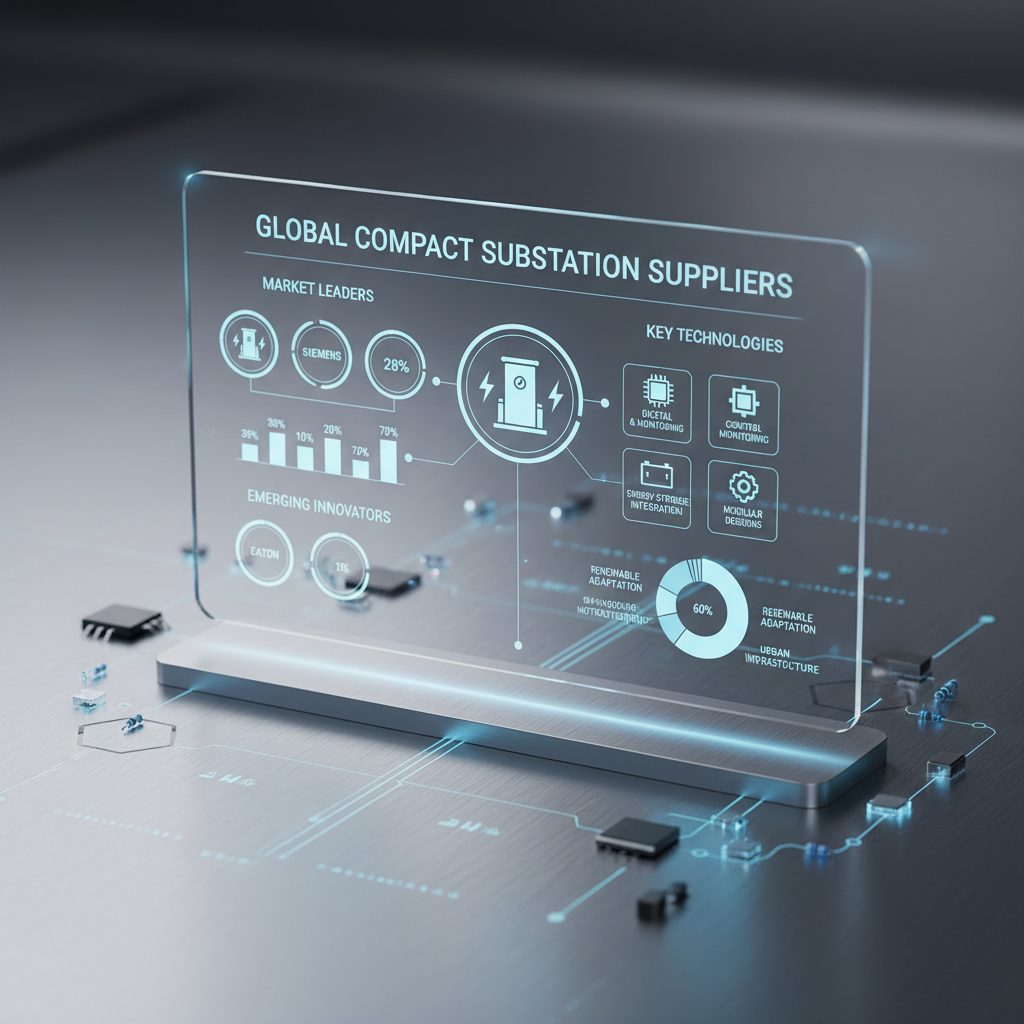
Compact substation suppliers are playing an increasingly vital role in modernizing global power infrastructure. The demand for reliable, efficient, and scalable energy distribution systems is soaring, driven by population growth, urbanization, and the integration of renewable energy sources. These suppliers provide essential components and complete systems that enable safe and consistent electricity delivery, contributing to economic development and improved quality of life worldwide. Understanding the capabilities and innovations within this sector is crucial for utilities, project developers, and policymakers alike.
The global energy landscape is undergoing a transformative shift, with a growing emphasis on decentralized generation and smart grid technologies. This transition necessitates compact substation solutions that are adaptable, space-saving, and equipped with advanced monitoring and control features. The challenges of aging infrastructure, coupled with the need for greater grid resilience, are further fueling the demand for specialized expertise from compact substation suppliers. Effectively addressing these complexities requires a deep understanding of current trends and emerging technologies.
Ultimately, successful deployment of modern power infrastructure relies heavily on the partnerships established with reputable and innovative compact substation suppliers. Their contribution extends beyond simply providing equipment; it encompasses design, engineering, installation, and ongoing support, ensuring long-term performance and reliability of critical energy assets. The ripple effect of their work impacts countless aspects of modern life, from industrial productivity to residential comfort.

Introduction to Compact Substation Suppliers
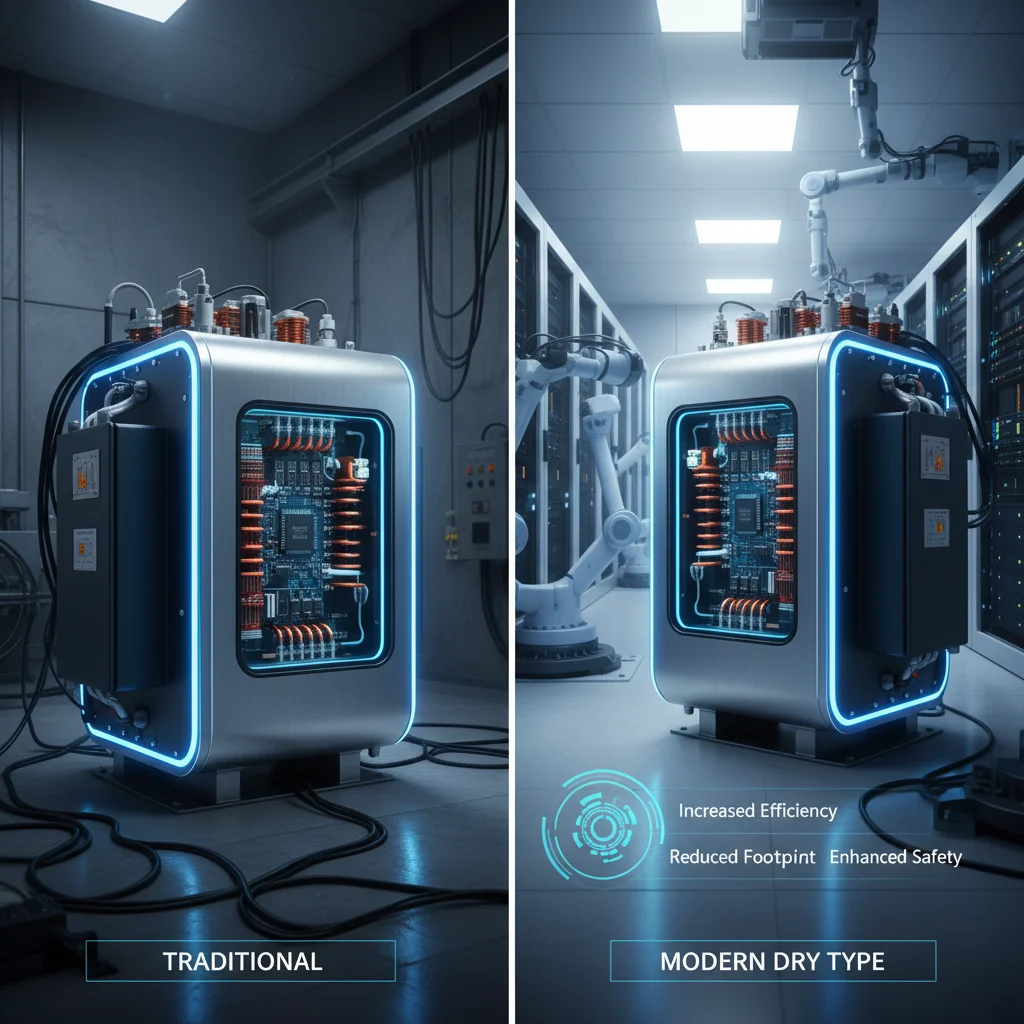
Compact substation suppliers specialize in the design, manufacture, and installation of prefabricated electrical substations that occupy a significantly smaller footprint than traditional substations. These systems typically integrate transformers, switchgear, protection and control equipment, and auxiliary systems into a single, self-contained unit. This modular approach offers numerous benefits in terms of cost, speed of deployment, and environmental impact.
The rise of compact substations is directly linked to the increasing demand for reliable power in diverse and challenging environments. From rapidly growing urban centers to remote industrial sites and renewable energy farms, these suppliers are providing crucial solutions for modernizing and expanding electrical grids. Their expertise is essential for ensuring a stable and efficient power supply to meet evolving energy needs.
Global Relevance and Industry Context
The global electrical power industry is undergoing substantial transformation, fueled by factors like increasing energy demand, aging infrastructure, and the imperative to transition to sustainable energy sources. According to the International Energy Agency (IEA), global electricity demand is projected to grow by 60% by 2050. Meeting this demand necessitates significant investment in grid infrastructure, and compact substations are playing an increasingly important role in expanding and upgrading capacity.
Moreover, the United Nations Sustainable Development Goal 7 – Affordable and Clean Energy – highlights the critical need for improving access to reliable and sustainable energy for all. Compact substation suppliers contribute to this goal by enabling the efficient integration of renewable energy sources into the grid and extending power access to underserved communities. The World Bank estimates that significant infrastructure investment is required in developing countries to meet their energy needs, creating a substantial market opportunity for these suppliers.
The challenge lies in balancing the need for rapid infrastructure deployment with environmental concerns and cost constraints. Traditional substation construction can be time-consuming, disruptive, and expensive. Compact substation suppliers offer a compelling alternative by providing pre-engineered, factory-assembled solutions that minimize on-site construction and reduce overall project timelines and costs.
Defining Compact Substation Suppliers
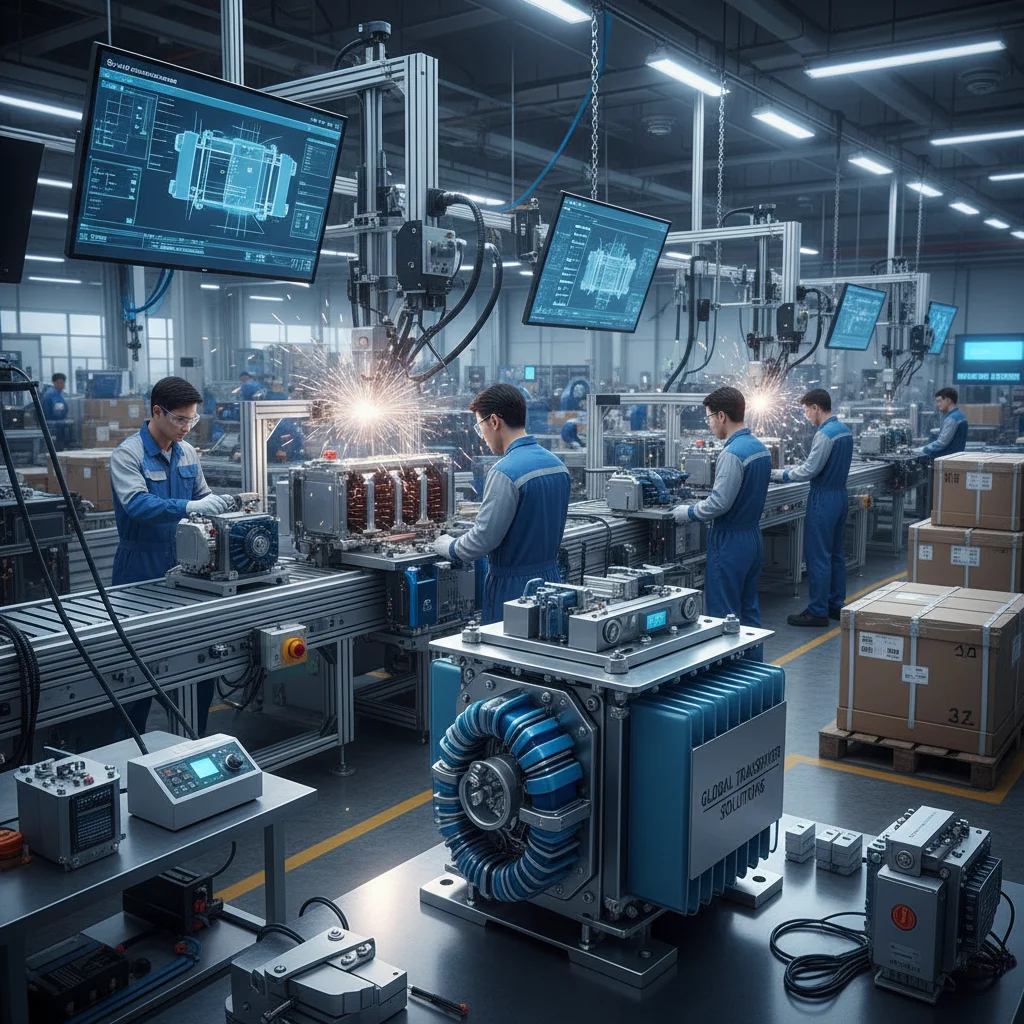
Compact substation suppliers are companies specializing in the design, fabrication, and supply of pre-engineered, modular electrical substations. Unlike conventional substations built on-site, these units are largely assembled in a factory setting, reducing construction time and on-site disruption. They generally consist of a fully functional electrical substation—including transformers, switchgear, protection relays, control systems, and monitoring equipment—housed within a compact enclosure.
These suppliers often offer customized solutions tailored to specific project requirements, encompassing voltage levels, power ratings, and environmental conditions. Their expertise extends beyond simply supplying hardware; they provide comprehensive services including engineering design, project management, installation support, commissioning, and ongoing maintenance. This holistic approach is vital for ensuring seamless integration and optimal performance.
Their role is particularly critical in scenarios where space is limited, rapid deployment is essential, or environmental sensitivity is paramount. They bridge the gap between traditional, large-scale substations and the growing need for flexible, adaptable power infrastructure. Furthermore, many are now incorporating smart grid technologies to enhance grid management, improve reliability, and facilitate the integration of renewable energy sources.
Key Factors in Selecting Suppliers
When choosing among compact substation suppliers, several crucial factors must be considered to ensure project success. Durability and reliability are paramount, as substations are critical components of the power grid and require long-term, consistent performance. Suppliers should offer robust designs that can withstand harsh environmental conditions and provide comprehensive warranties.
Scalability is another key consideration. The ability to easily expand or modify the substation as power demands evolve is essential. Cost-efficiency is, naturally, a significant factor, but it should not come at the expense of quality or reliability. A thorough life-cycle cost analysis, encompassing initial investment, maintenance, and potential downtime, is vital.
Key Evaluation Metrics for Compact Substation Suppliers
Applications Across Industries & Regions
Compact substation suppliers are serving a diverse range of industries and geographical regions. In post-disaster relief operations, their rapidly deployable substations provide critical power restoration services to affected communities. In remote industrial zones, such as mining operations and oil & gas facilities, they enable reliable power delivery where traditional grid infrastructure is unavailable or impractical.
Renewable energy projects, including solar farms and wind parks, increasingly rely on compact substations to step up voltage and connect to the grid. Furthermore, utilities are utilizing these solutions to modernize aging infrastructure, expand capacity in urban areas, and improve grid resilience against extreme weather events. Demand is particularly high in rapidly developing economies in Asia, Africa, and Latin America, where energy infrastructure needs are substantial.
Advantages & Long-Term Value Proposition
The benefits of choosing a reputable compact substation supplier extend far beyond initial cost savings. Reduced project timelines, minimized on-site construction, and decreased environmental impact are all tangible advantages. Improved grid reliability and enhanced power quality contribute to increased productivity and economic growth.
From a social impact perspective, access to reliable power is fundamental to improving living standards, fostering education, and promoting healthcare. The long-term value proposition lies in the durability, scalability, and maintainability of these systems, ensuring a sustainable and resilient power supply for decades to come. Building trust with a supplier who prioritizes safety, innovation, and customer service is paramount.
Future Trends & Innovations in the Sector
The compact substation sector is poised for continued innovation, driven by advancements in materials science, digital technologies, and grid modernization efforts. The integration of smart grid features, such as advanced metering infrastructure (AMI) and remote monitoring and control systems, is becoming increasingly prevalent. The use of solid-state transformers (SSTs) offers potential for improved efficiency, reduced size, and enhanced power quality.
Sustainable materials and eco-friendly designs are also gaining traction, reflecting a growing commitment to environmental responsibility. Furthermore, the development of more compact and modular designs, coupled with advanced manufacturing techniques, will further reduce costs and improve deployment speed. Digital twin technology is also emerging as a tool for optimizing substation performance and predicting maintenance needs.
The future will likely see a convergence of these trends, leading to the development of intelligent, self-healing substations that play a central role in a more resilient and sustainable energy future. Compact substation suppliers who embrace these innovations will be best positioned to meet the evolving needs of the power industry.
Summarizing Core Attributes of Compact Substation Supplier Selection
| Supplier Experience |
Technological Innovation |
Project Management Capability |
After-Sales Support |
| Years in business, proven track record. |
Adoption of smart grid technologies, SST integration. |
Ability to manage complex projects on time and within budget. |
Availability of maintenance services, spare parts, and technical assistance. |
| Portfolio of successful projects in similar applications. |
Investment in research and development, patents held. |
Compliance with industry standards and regulations. |
Remote monitoring and diagnostics capabilities. |
| Financial stability and long-term viability. |
Use of sustainable materials and eco-friendly designs. |
Responsiveness to customer needs and requests. |
Training programs for customer personnel. |
| Certifications and accreditations (e.g., ISO 9001). |
Integration with digital twin technology. |
Risk management and mitigation strategies. |
Warranty coverage and claim handling process. |
| Geographic coverage and local support network. |
Cybersecurity features and data protection measures. |
Supply chain resilience and component sourcing. |
Proactive maintenance and preventative servicing. |
| References from satisfied customers. |
Customization options to meet specific requirements. |
Clear and transparent communication throughout the project. |
Performance guarantees and service level agreements. |
FAQS
Compact substations offer several key benefits, including reduced footprint, faster deployment times, lower installation costs, and minimized environmental impact. They are particularly well-suited for applications where space is limited or rapid grid expansion is needed. Traditional substations require extensive on-site construction, whereas compact substations are largely factory-assembled, leading to significant time and cost savings.
Compact substations benefit from a highly controlled factory environment, allowing for rigorous quality control testing throughout the manufacturing process. This includes comprehensive inspections of components, assembly procedures, and final system performance. Traditional substations, being built on-site, are subject to varying environmental conditions and potential inconsistencies in workmanship. The factory setting of compact substations enables greater consistency and reliability.
Lead times for compact substations are significantly shorter than for traditional substations. Because the majority of the work is done in a factory, procurement times can be reduced by 50-75%. Conventional substation construction can take many months or even years due to site preparation, civil works, and component assembly. Compact substations can be delivered and commissioned in a matter of weeks, accelerating project timelines and reducing overall costs.
Yes, reputable compact substation suppliers offer a high degree of customization to meet unique project needs. This includes tailoring voltage levels, power ratings, protection schemes, and control systems. They work closely with clients to understand their specific requirements and design a solution that optimizes performance and reliability. This customization capability is a key advantage of choosing a specialized supplier.
Compact substations generally require less maintenance than traditional substations due to their simplified design and use of high-quality components. Routine maintenance typically includes visual inspections, cleaning, and testing of key components. Many suppliers offer remote monitoring and diagnostics services to proactively identify potential issues and minimize downtime. They also provide comprehensive maintenance contracts and spare parts support.
Compact substations enhance grid resilience by providing a faster and more reliable way to restore power after outages. Their modular design allows for quick replacement of damaged components. They also contribute to sustainability by enabling the integration of renewable energy sources, reducing land usage, and minimizing environmental impact during construction. The efficient operation of these substations contributes to reduced energy losses and improved overall grid efficiency.
Conclusion
In conclusion, compact substation suppliers are pivotal players in modernizing global power infrastructure. Their innovative solutions address the challenges of increasing energy demand, aging grids, and the need for sustainable energy integration. The benefits are multifaceted, ranging from reduced costs and faster deployment times to improved reliability and enhanced grid resilience. Choosing the right supplier is critical for ensuring project success and achieving long-term value.
Looking ahead, the compact substation sector will continue to evolve, driven by technological advancements and growing demand for smart grid solutions. By embracing innovation and prioritizing customer needs, these suppliers will play an increasingly important role in shaping a more sustainable and resilient energy future. We encourage you to explore your options and partner with a reputable compact substation supplier to unlock the full potential of this transformative technology. compact substation suppliers.