
Hit enter to search or ESC to close
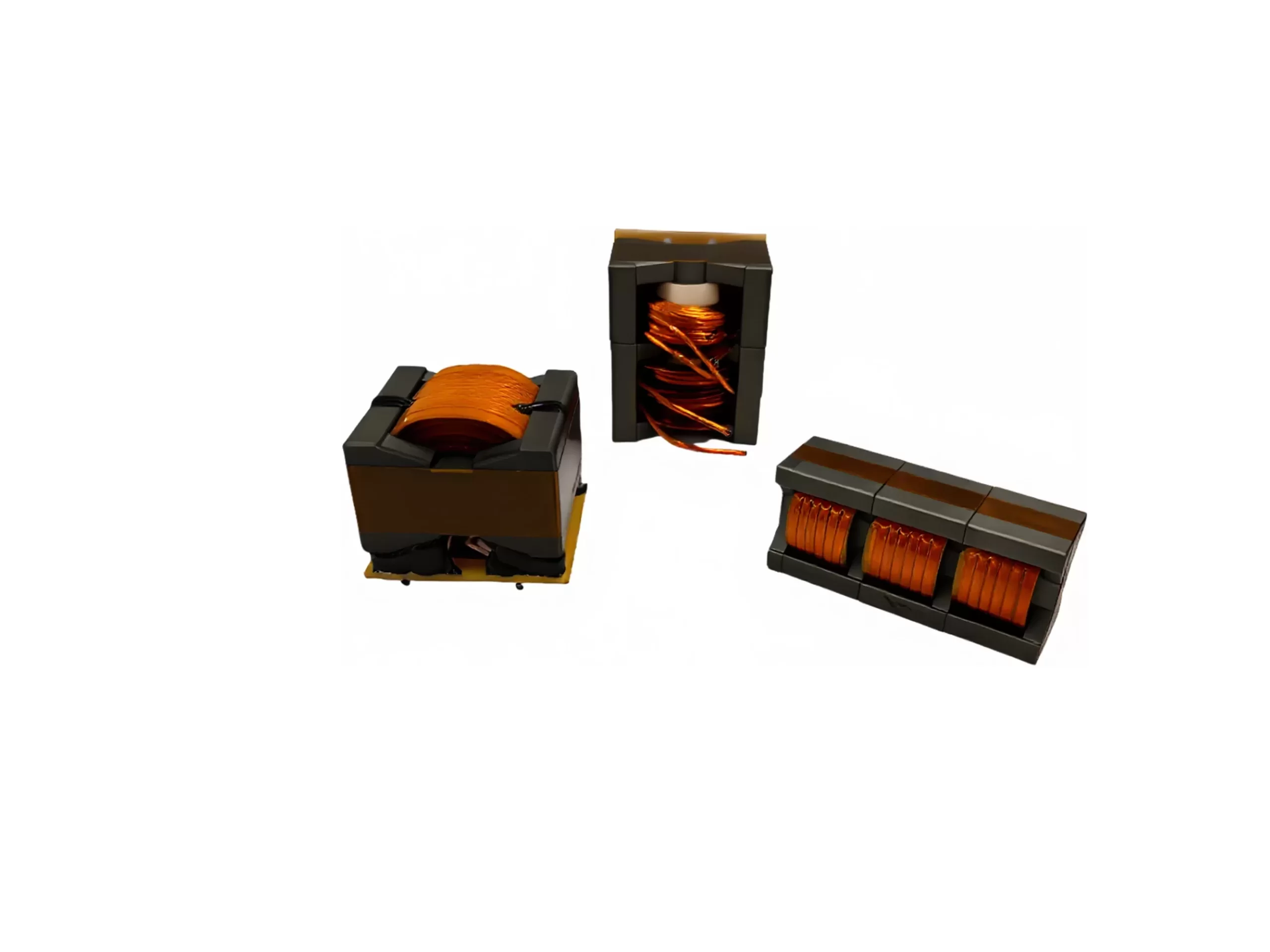
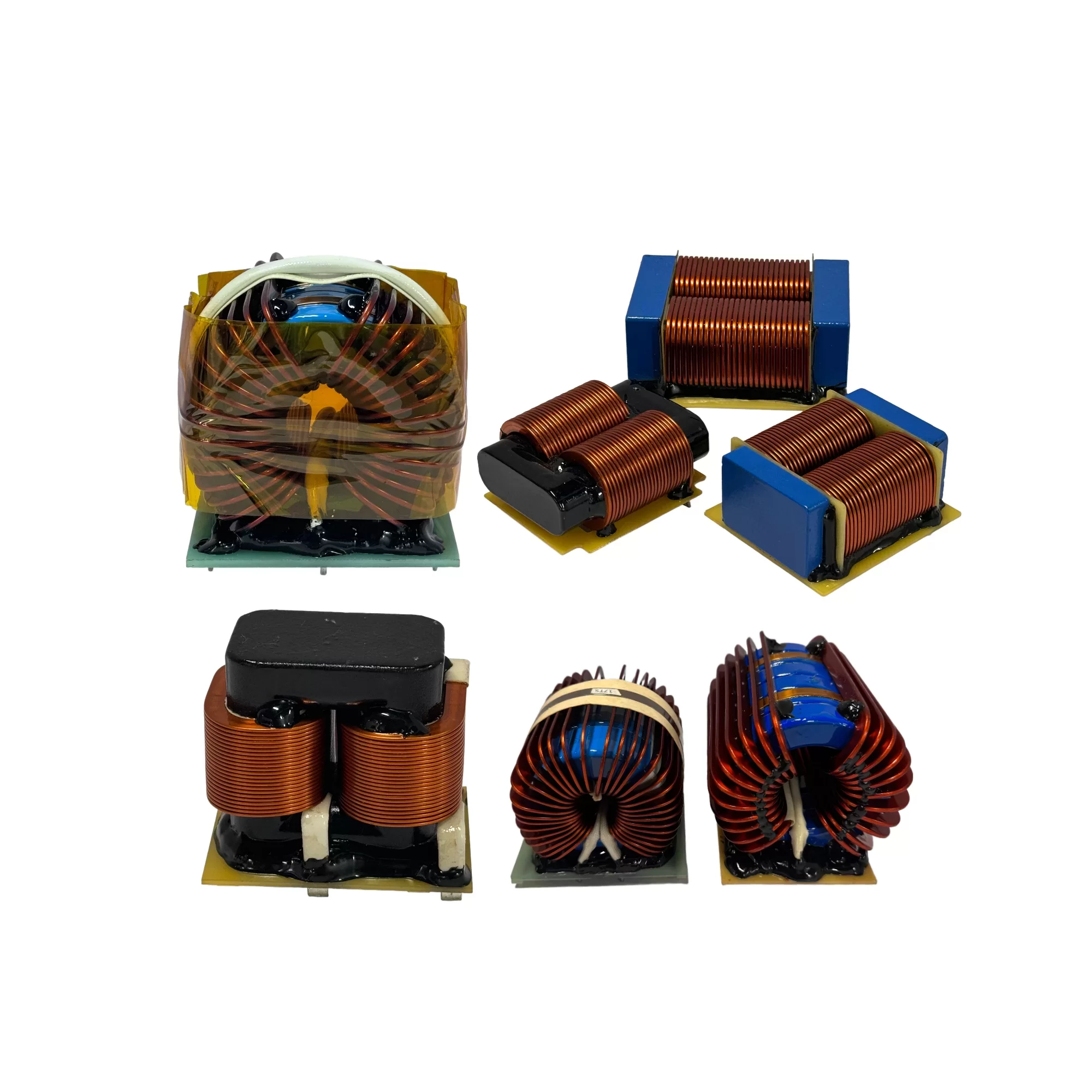
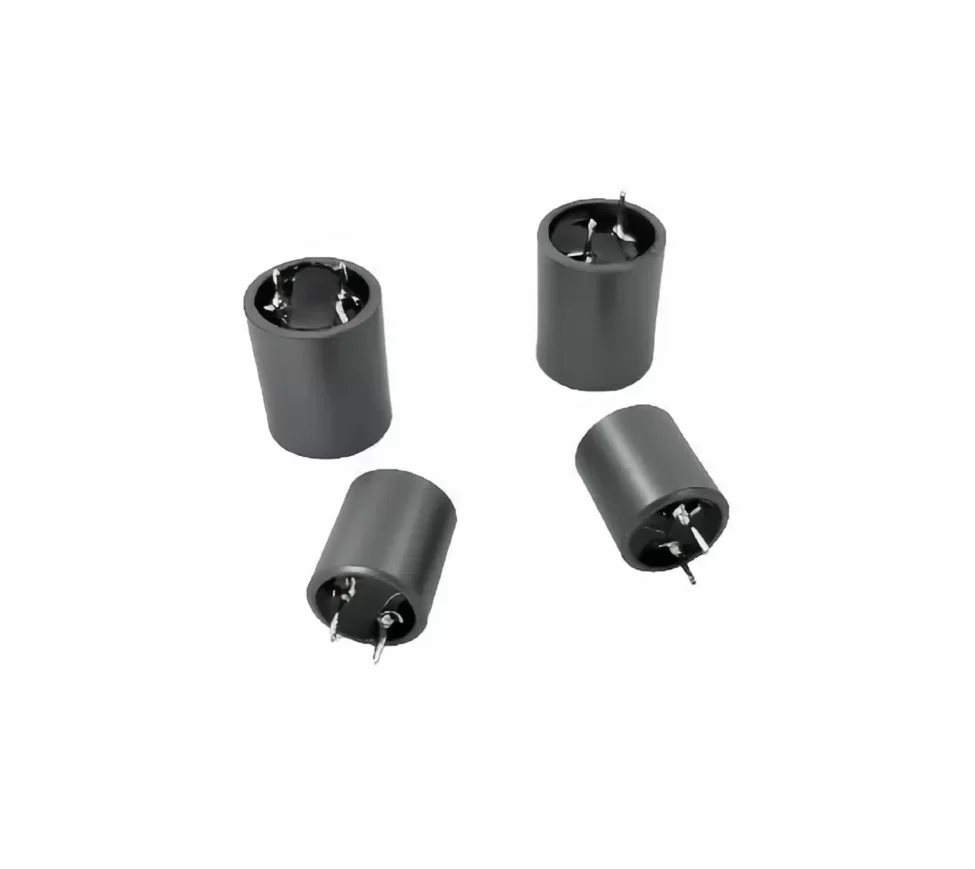
A common mode choke is an electromagnetic component designed to suppress electromagnetic interference (EMI) and radio frequency interference (RFI) in electronic circuits. It plays a crucial role in improving signal integrity and power quality by filtering unwanted noise while allowing the desired current to pass through.
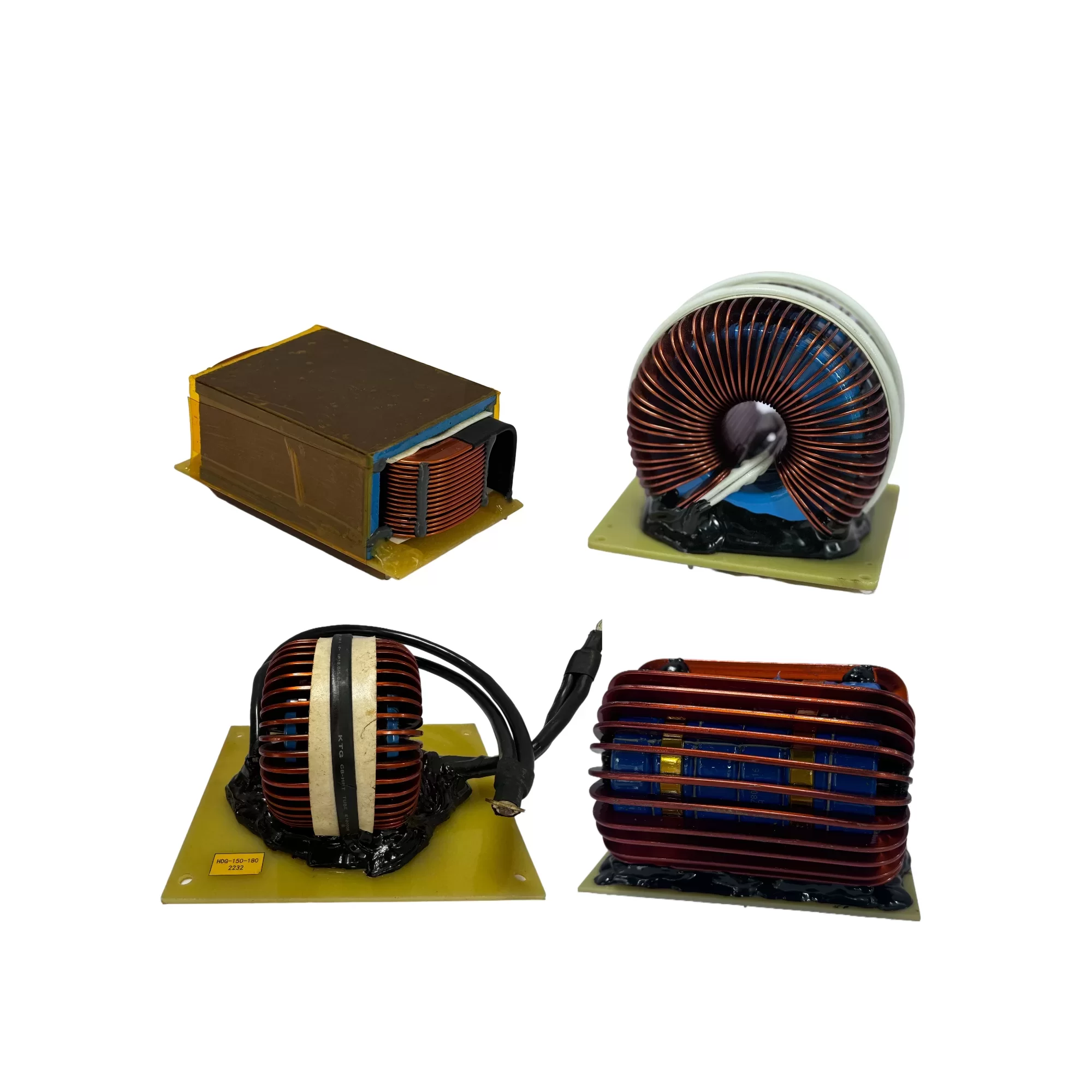
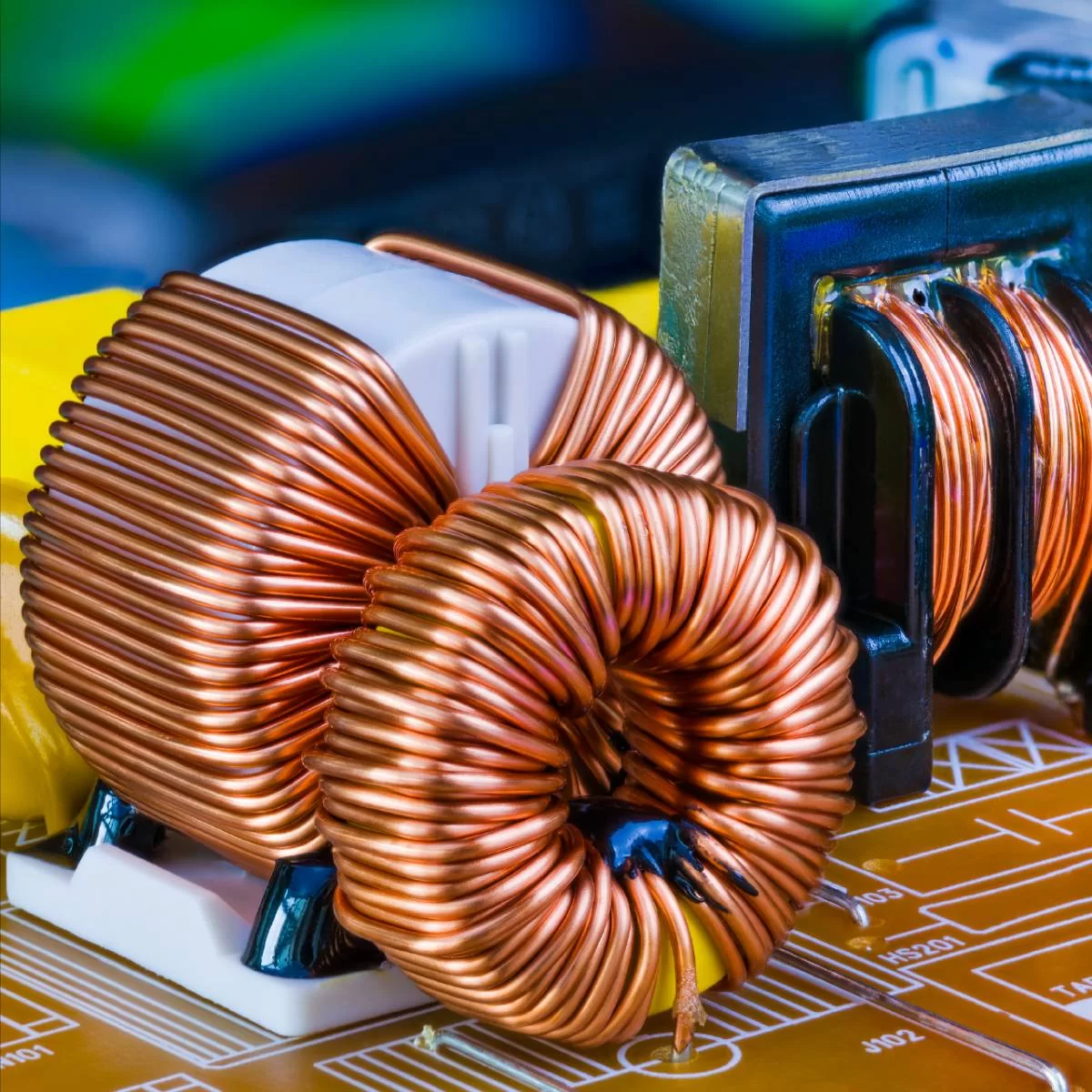
The choke consists of two or more windings wound on a single magnetic core, typically made of ferrite or nanocrystalline material. These windings are connected so that common mode currents (noise currents) are attenuated due to opposing magnetic fluxes, while differential mode currents (useful signals) flow freely without significant loss.
Common mode chokes are widely used in power supplies, converters, communication systems, and automotive electronics to comply with EMC (electromagnetic compatibility) standards. They help protect sensitive circuits, prevent malfunction, and ensure stable device operation.
Key features of common mode chokes include high impedance at noise frequencies, low power loss, and compact design. Depending on the application, they can handle both low-current signal lines and high-current power lines.
In summary, common mode chokes are essential components for noise suppression, system protection, and signal stability in modern electronic and electrical equipment.
Robust Core Material and Construction
Excellent EMI Suppression
Wide Application Range

Power Supply Filtering
Energy Storage and Current Control

Audio and Communication Equipment