
Hit enter to search or ESC to close
4 March 2026
The equaliser crossover is a crucial component in audio systems, shaping the sound we hear by dividing the audio signal into different frequency ranges. Whether you're a seasoned audio engineer or simply looking to improve your sound system, understanding how these crossovers work is essential. This article will provide a detailed overview, covering types, applications, and factors to consider when choosing the right equaliser crossover. We will also touch upon the importance of selecting high-quality components, like those available from XCD Magnetic, to ensure optimal performance.
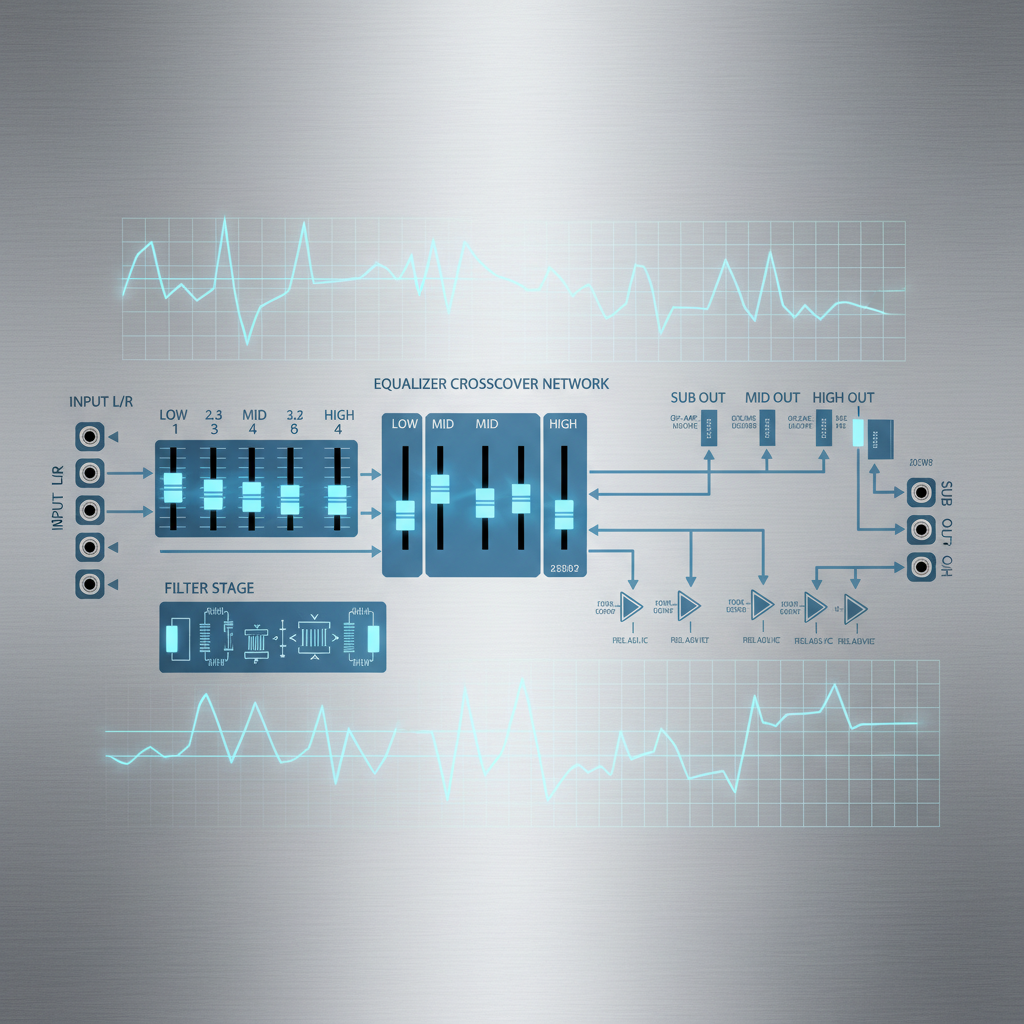
An equaliser crossover, often simply called a crossover, is an electronic circuit that separates an audio signal into two or more frequency ranges. This allows each frequency range to be sent to a specific driver—like a tweeter for high frequencies, a midrange driver for mid frequencies, and a woofer for low frequencies—optimizing their performance. Without a crossover, all frequencies would be sent to each driver, resulting in distorted and inefficient sound reproduction. The core function is to ensure each driver reproduces the frequencies it's designed for best, leading to clearer, more balanced audio. Choosing the correct equaliser crossover is crucial to achieving this.
Key Takeaway: Crossovers optimize sound quality by directing specific frequencies to the appropriate drivers in a speaker system, preventing distortion and improving efficiency.
There are several types of crossovers, each with its advantages and disadvantages. The most common include:
The choice between passive and active crossovers depends on the application, budget, and desired level of control. For high-end audio systems, active crossovers are generally preferred for their superior performance.
The crossover frequency is the point at which the audio signal is divided between drivers. For example, a 2kHz crossover frequency would send frequencies below 2kHz to the woofer and frequencies above 2kHz to the tweeter. The slope (measured in dB/octave) determines how quickly the signal is attenuated (reduced) outside of the intended frequency range. A steeper slope (e.g., 24dB/octave) provides better separation between drivers, reducing distortion. Selecting the optimal crossover frequency and slope is critical to achieving a balanced and accurate sound reproduction. XCD Magnetic offers a range of equaliser crossovers that allow for precise control over these parameters.
Crossover Parameters:
• Crossover Frequency: The point of signal division.
• Slope: The rate of attenuation outside the intended frequency range.
• Order: Determines the steepness of the slope (e.g., 6dB/octave, 12dB/octave, 24dB/octave).
Choosing between passive and active equaliser crossovers depends heavily on your specific needs and the complexity of your audio system. Here's a detailed comparison:
Equaliser crossovers are used in a wide range of audio applications, including:
Regardless of the application, a properly designed and implemented equaliser crossover is essential for achieving optimal audio performance.
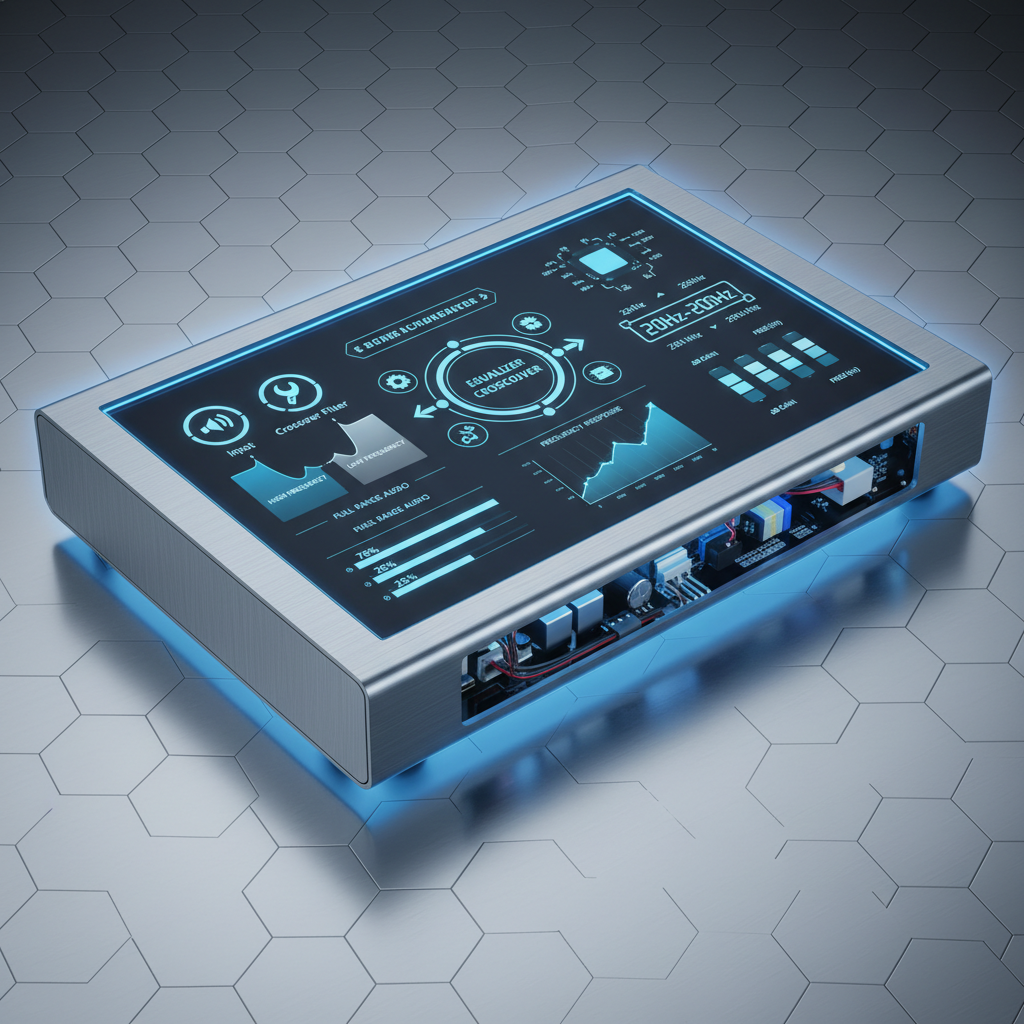
Selecting the right equaliser crossover involves considering several factors, including the type of speakers you are using, the desired level of control, and your budget. If you are building a simple two-way system, a passive crossover may suffice. However, for more complex systems or if you want precise control over the crossover frequency and slope, an active crossover is the better choice. Furthermore, the quality of the components used in the crossover is crucial. Investing in high-quality components from reputable manufacturers like XCD Magnetic will ensure optimal performance and longevity.
Choosing the right equaliser crossover is a vital step in achieving high-fidelity audio. Understanding the different types, frequencies, and slopes allows you to tailor the sound to your specific needs and optimize the performance of your speakers. Don't compromise on quality – invest in a reliable crossover from a trusted source like XCD Magnetic to experience the full potential of your audio system.
A 2-way crossover divides the audio signal into two frequency ranges – typically highs for the tweeter and lows/mids for the woofer. A 3-way crossover divides the signal into three ranges – highs for the tweeter, mids for the midrange driver, and lows for the woofer. 3-way crossovers offer more precise control and can result in a more detailed and balanced sound, but they are also more complex to design and implement. The choice depends on the number of drivers in your speaker system and the desired level of sonic clarity.
Yes, you can build your own equaliser crossover, especially passive crossovers. However, it requires a good understanding of electronics, component values, and circuit design. There are many resources online that provide schematics and guidance. For active crossovers, it's generally recommended to purchase a pre-built unit unless you have extensive experience in electronic circuit design. Building a crossover incorrectly can negatively impact sound quality and potentially damage your speakers.
Common problems include incorrect crossover frequencies leading to muddy or harsh sound, components failing over time (especially capacitors), and poorly designed crossovers introducing phase shifts. Regularly inspecting your crossover components and ensuring they are properly matched to your speakers is crucial. If you suspect a problem, it's best to consult with an audio professional or replace the crossover with a high-quality unit from a reputable manufacturer like XCD Magnetic.
Determining the optimal crossover frequency requires considering the frequency response of your speakers. Generally, you want to set the crossover frequency below the lower limit of the tweeter's effective range and above the upper limit of the woofer's effective range. Speaker manufacturers often provide recommended crossover frequencies. You can also experiment with different frequencies and listen for the best sound quality. Software tools can help analyze the frequency response of your speakers and guide you in selecting the optimal crossover point.