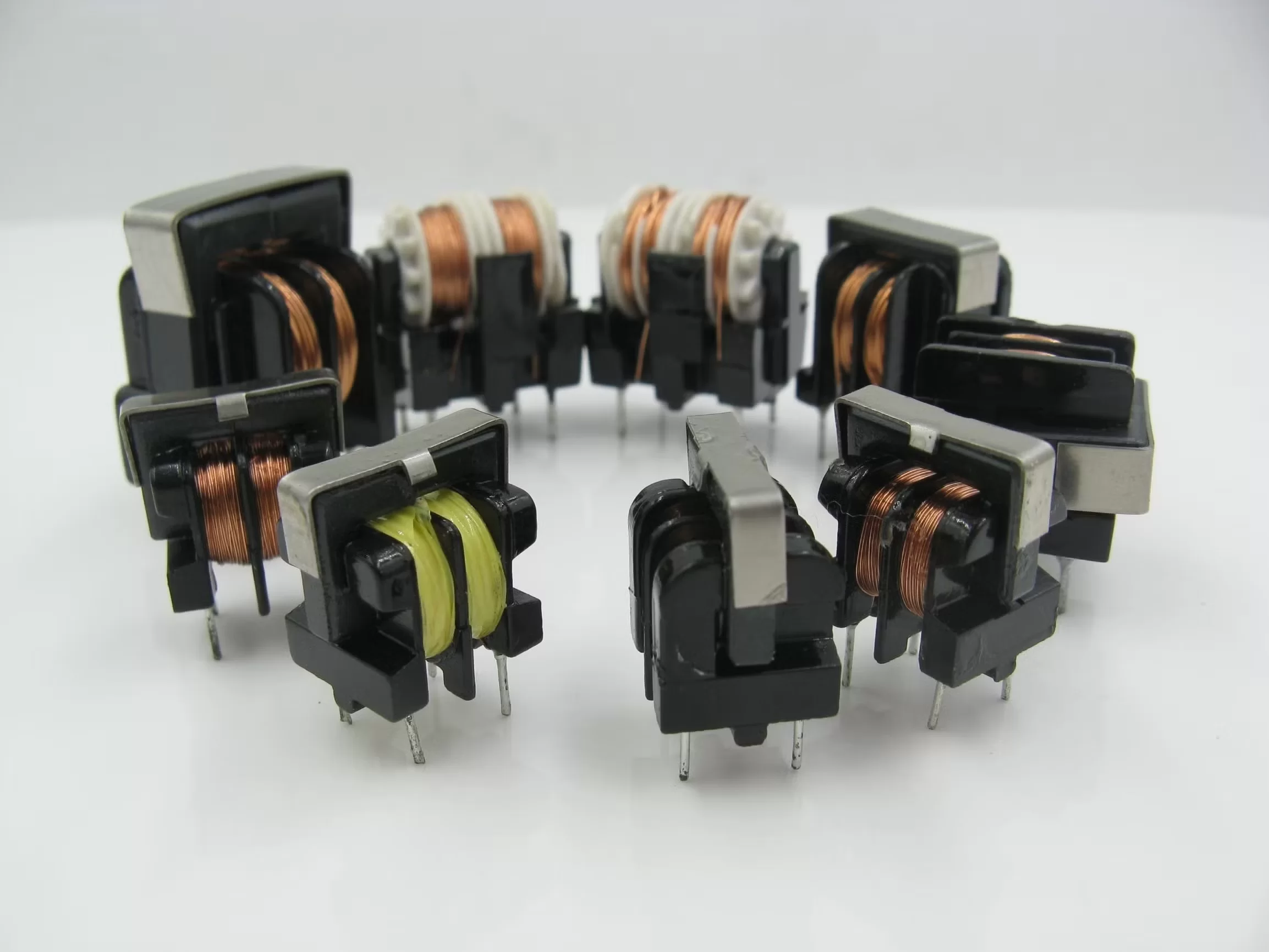

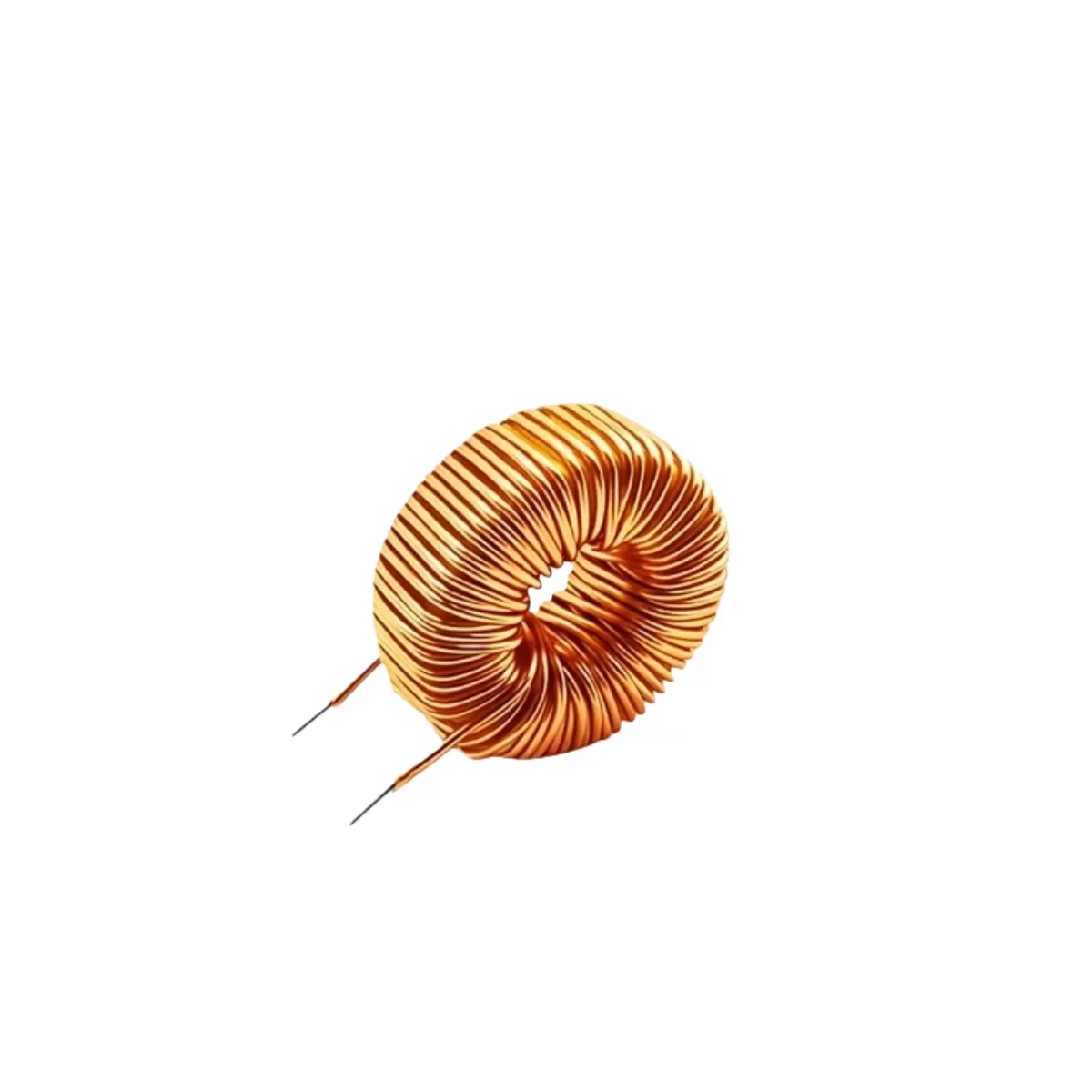
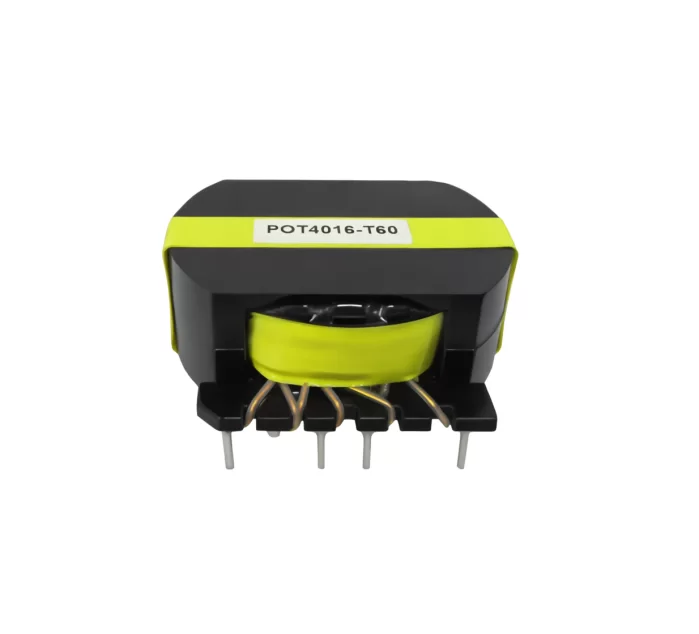
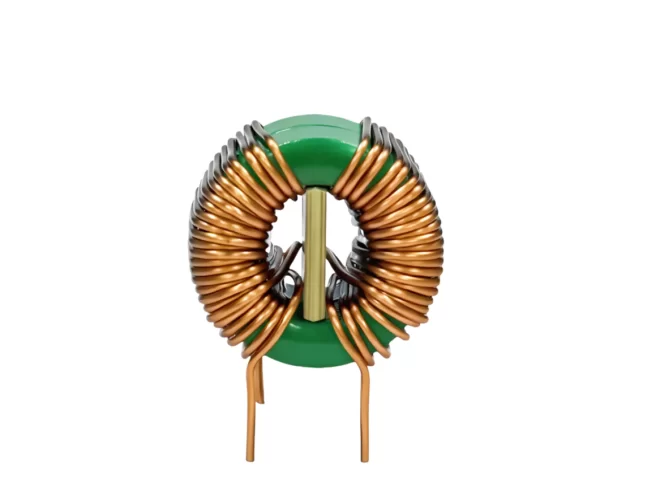
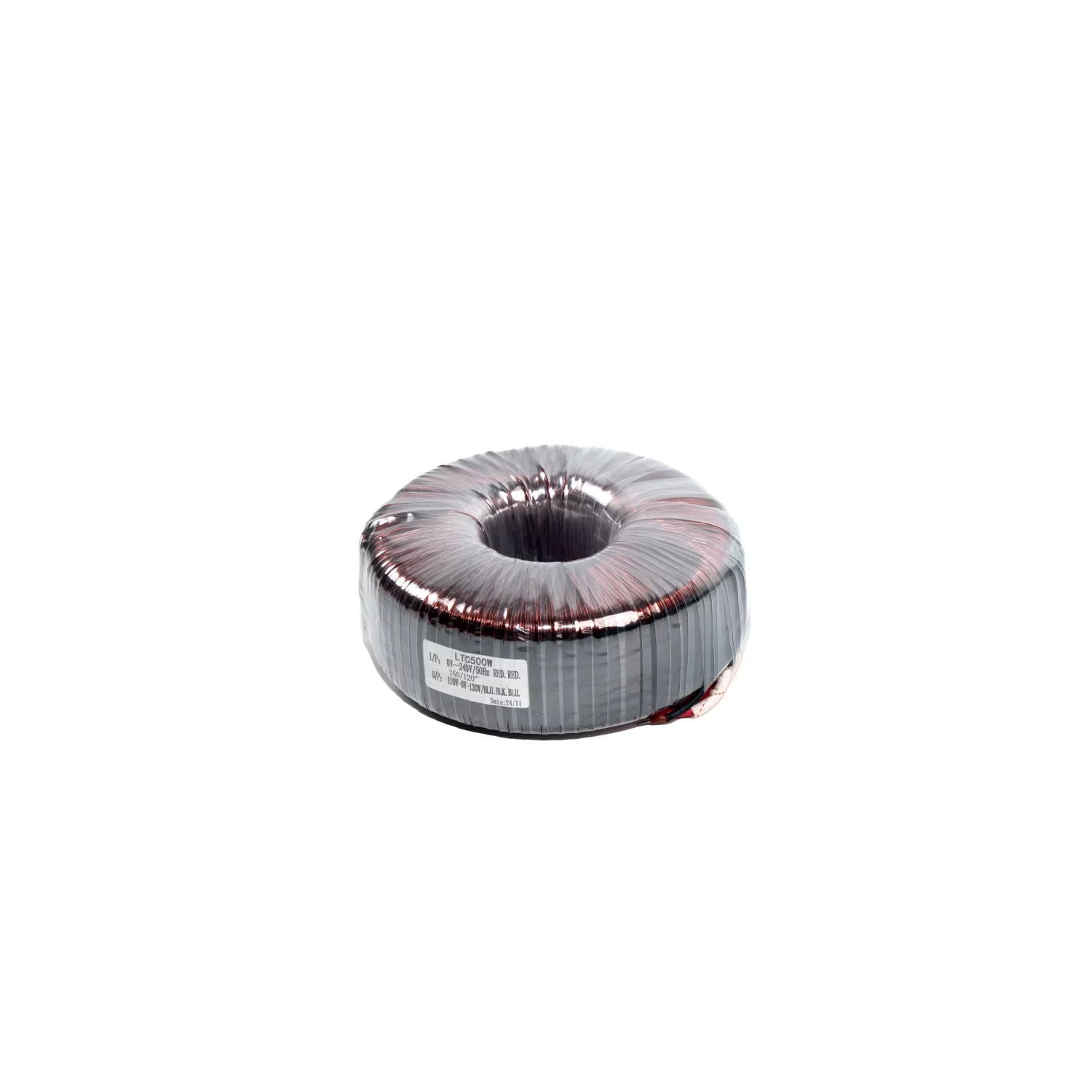
Germany's electronics sector is characterized by a relentless pursuit of "Industrie 4.0" standards, where precision and energy efficiency are paramount. In this environment, the deployment of a high-performance bead inductor is essential for suppressing high-frequency noise in sensitive robotic control systems, ensuring zero-defect operation in automotive assembly lines.
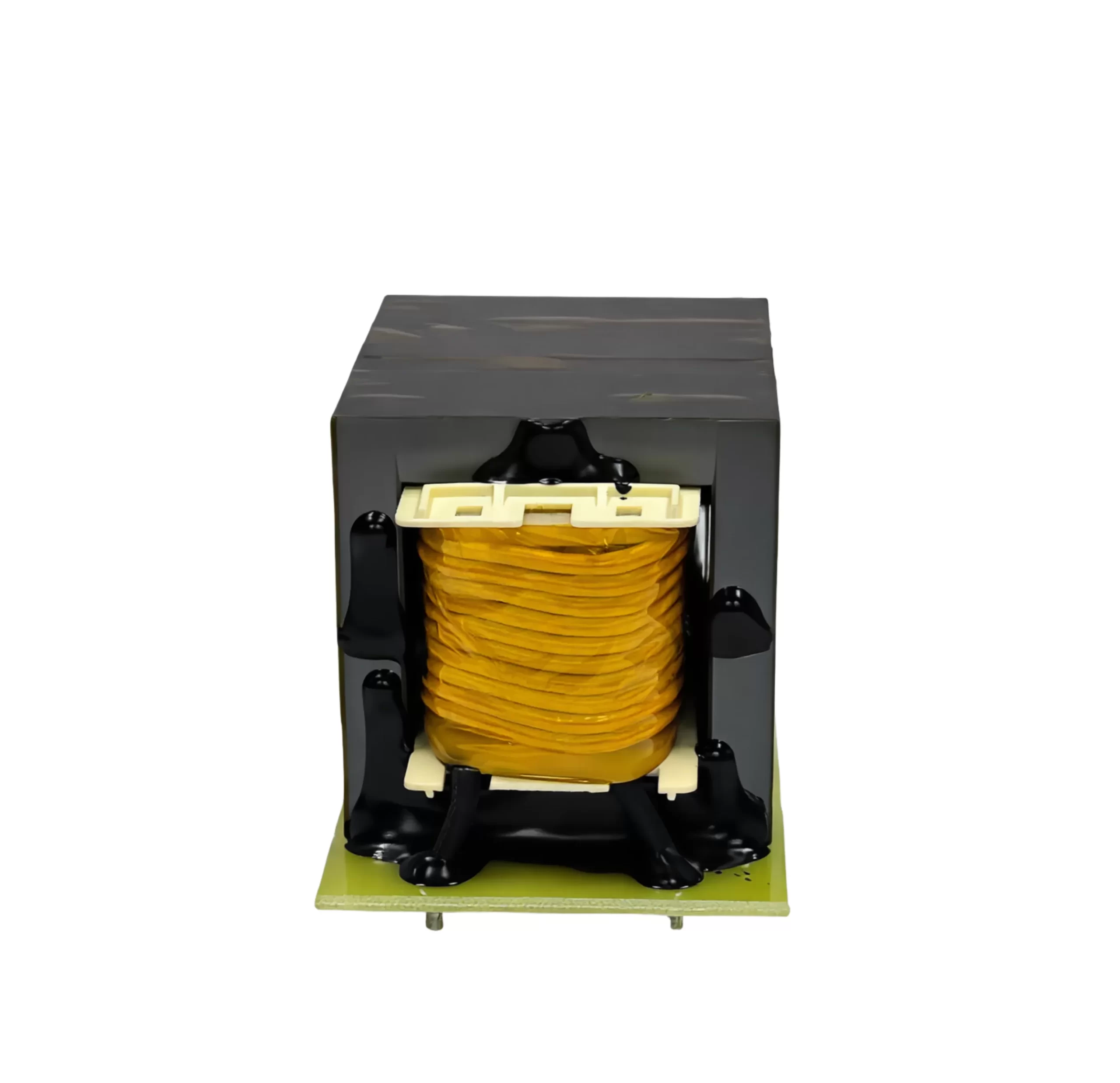
The regional economic focus on high-end machinery and medical technology creates a specific demand for components that can withstand extreme thermal cycles. German engineers prioritize stability and long-term durability, driving the adoption of advanced drum inductor designs that offer consistent inductance across wide temperature ranges typical of heavy industrial environments.
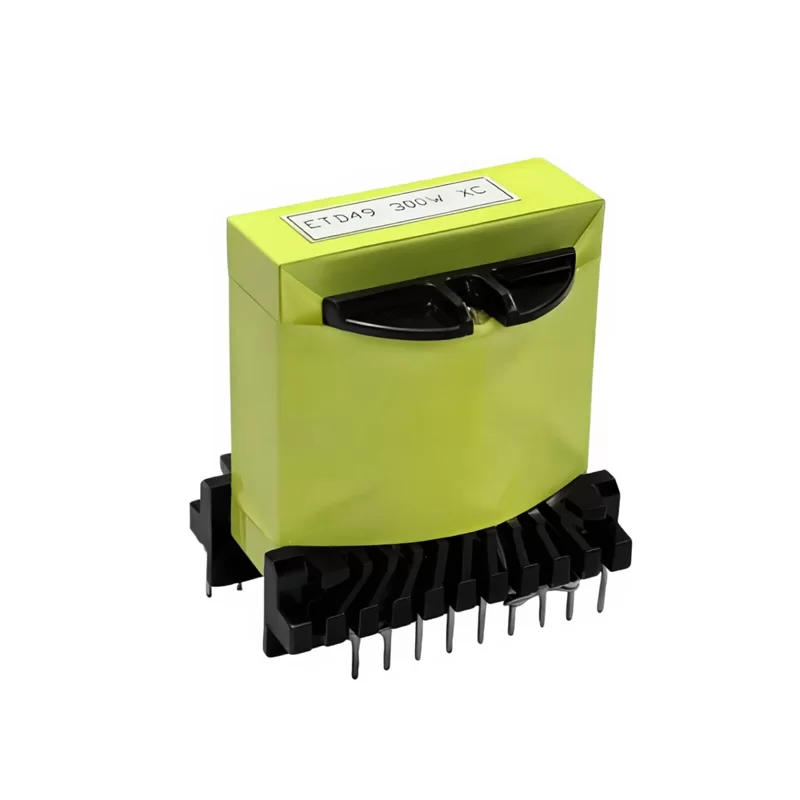
Furthermore, the stringent European environmental regulations and the push for carbon neutrality in manufacturing have shifted the focus toward low-loss materials. This has led to a surge in the integration of specialized coupled inductor buck converters to maximize power density and minimize waste heat in localized power modules.