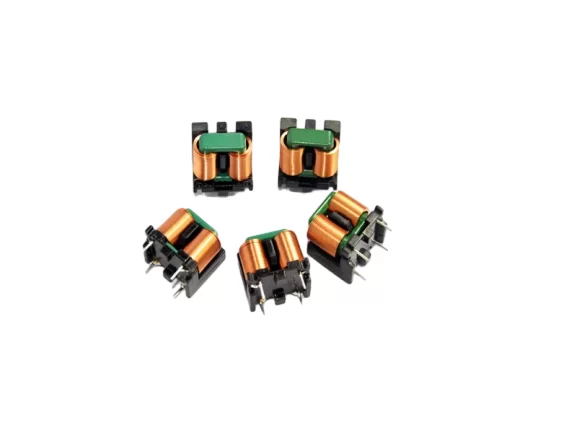
HighPerformance metal power inductor Solutions for Qatar’s Industrial Infrastructure

High-Performance metal power inductor Solutions for Qatar's Industrial Infrastructure

Providing precision-engineered magnetic components to empower Qatar's digital transformation and energy-efficient industrial electronics.

High-Performance metal power inductor Solutions for Qatar's Industrial Infrastructure

Our advanced inductor series is designed to withstand extreme environments while ensuring maximum power conversion efficiency for Qatar's mission-critical electronic systems.

Magnetic Component Landscape in Qatar

Analyzing the intersection of electronic component reliability and the unique environmental challenges of the Gulf region.

In Qatar, the electronics manufacturing and maintenance sector faces a unique challenge: extreme ambient temperatures. High heat leads to increased thermal noise and saturation in standard inductors, making the demand for a high-quality bead inductor critical for EMI suppression in outdoor telecom installations.

The rapid expansion of "Smart City" initiatives in Doha has accelerated the need for sophisticated power management. This has shifted local demand toward specialized coupled inductor buck configurations that can maintain stability under fluctuating power loads common in large-scale industrial hubs.

Furthermore, the oil and gas sector's shift toward automation requires components with high vibration resistance and thermal stability. The integration of the drum inductor has become a standard for robust filtering in heavy-duty sensing equipment operating across Qatar's diverse industrial zones.
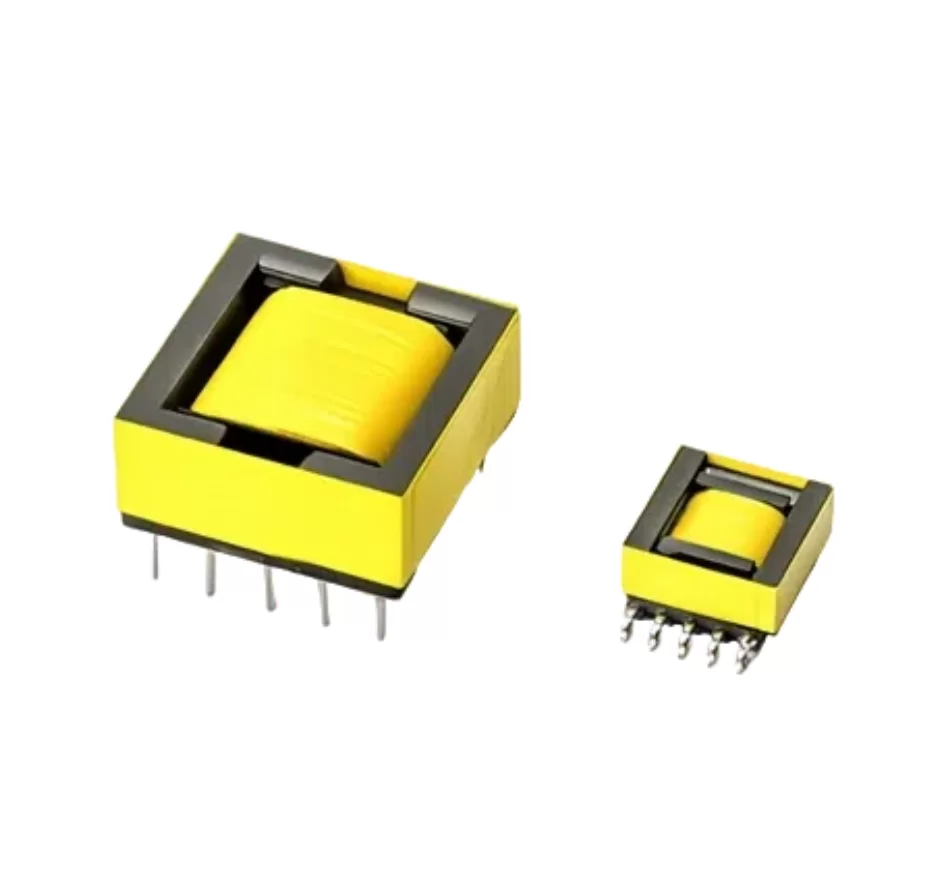
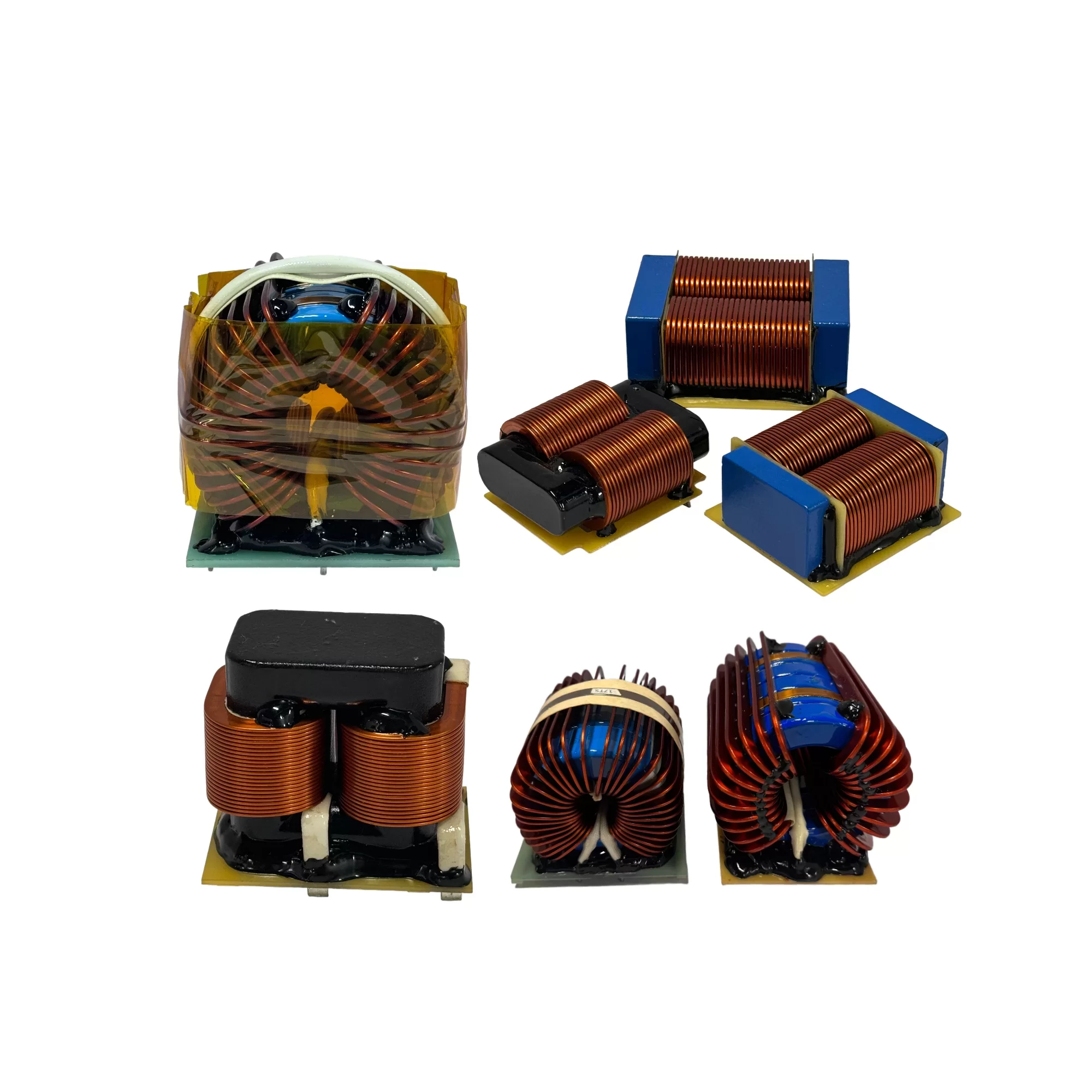
Evolution of Inductor Technology in the Middle East

From basic ferrite cores to precision-engineered coupled magnetic structures.

Market Development History

From 2010 to 2015, the Qatari market relied primarily on generic off-the-shelf components. Early power supplies used basic air-core or simple ferrite designs, which often struggled with the thermal dissipation required for the region's 40°C+ summer peaks.

Between 2016 and 2020, there was a noticeable transition toward the coupled inductor model to reduce PCB footprint and improve efficiency in the burgeoning telecommunications sector, coinciding with the 4G/5G infrastructure rollout.

Since 2021, the focus has shifted to "Extreme Environment Electronics," where materials science has evolved to provide cores with higher Curie temperatures, ensuring that power conversion remains stable even in non-climate-controlled industrial enclosures.

Future Development Trends

Miniaturization via High-Frequency Switching

The shift toward GaN and SiC semiconductors in Qatar's energy sector will drive the adoption of smaller, high-frequency inductors to reduce total system volume.

Thermal Resilience Engineering

Future iterations will focus on advanced potting materials and core compositions that prevent magnetic saturation at elevated temperatures.

AI-Driven Power Optimization

Integration of smart sensing within power modules will require inductors with highly predictable saturation curves for real-time AI adjustment.

Industry Trends and Strategic Outlook

Mapping the trajectory of electronic component demand in the Qatar market.

Energy Diversification
Integration of solar energy systems in Qatar requires ultra-stable power inductors for DC-DC conversion.
Industrial IoT Growth
The rise of IIoT in Qatar's gas plants increases demand for compact, high-reliability magnetic filters.
5G Network Density
Denser network nodes in urban Doha require advanced coupled inductors for efficient power delivery.
Green Tech Transition
Low-loss magnetic cores are essential for Qatar's goal of reducing carbon emissions in electronics.

Industry Outlook

Based on current search trends and industrial growth in the GCC, we expect a 15% annual increase in demand for customized power inductors in Qatar. The focus is shifting from "availability" to "performance optimization."

The synergy between Qatar's National Vision 2030 and electronic component evolution will likely lead to a localized surge in the development of autonomous systems and smart energy grids, necessitating higher precision in magnetic components.

Localized Application Scenarios in Qatar

Real-world deployments of our magnetic solutions across Qatar's key industries.

01. LNG Plant Automation Systems

Deploying high-saturation power inductors in control modules to ensure zero-downtime in Ras Laffan's liquefied natural gas processing facilities.

02. Smart Grid Infrastructure in Doha

Utilizing coupled inductor buck converters in urban power distribution nodes to maintain voltage stability during peak summer loads.

03. Desert-Based Telecom Base Stations

Implementing specialized bead inductor filters to protect sensitive communication equipment from high-frequency interference in remote desert regions.

04. Qatar National Library Digital Archives

Using low-noise drum inductors in high-fidelity server power supplies to ensure long-term data integrity and energy efficiency.

05. Electric Vehicle (EV) Charging Network

Integrating high-current metal power inductor units into fast-charging stations across Doha to optimize power flow and thermal management.

Brand Story

Global Development Journey of Huizhou Xinchangda Electronics Co., Ltd.

Foundational Excellence

Started with a commitment to solving core saturation issues in industrial inductors, focusing on precision winding techniques.

Technological Expansion

Developed proprietary magnetic core formulations to enhance thermal stability for extreme climate applications.

Global Market Entry

Expanded operations to serve the Middle East and Asia, adapting products to meet international industrial standards.

Innovation Leadership

Pioneered the integration of coupled inductors for ultra-compact power modules in the 5G era.

Future Sustainability

Now focusing on eco-friendly materials and energy-efficient magnetic components for a greener global future.

Comprehensive Magnetic Portfolio for the Qatar Market

A curated selection of high-reliability inductors engineered for extreme heat and high-efficiency power needs.

Qatar Industrial Inductor FAQ

Expert answers to the most common technical queries from our regional partners.

How does the coupled inductor model perform in high-temperature environments like Doha?

Our models use high-Curie-point ferrite cores and thermally conductive resins, ensuring that inductance remains stable even when ambient temperatures exceed 50°C.

What is the best bead inductor for suppressing EMI in oil field telemetry?

We recommend nickel-zinc based bead inductors with high impedance at the target noise frequency to effectively isolate signal lines from industrial interference.

Can a coupled inductor buck design improve efficiency in solar inverters?

Yes, by utilizing magnetic coupling, these designs reduce ripple current and core losses, significantly increasing the overall energy conversion efficiency of solar systems.

Why choose a metal power inductor over standard ferrite cores for industrial use?

Metal power inductors offer higher saturation currents and better DC resistance, making them ideal for high-load applications in Qatar's industrial automation.

What are the advantages of using a drum inductor in compact power supplies?

Drum inductors provide an excellent balance between inductance value and physical size, offering high reliability and ease of mounting on automated PCB lines.

Do your components comply with Qatar's energy efficiency regulations?

Absolutely. Our components are designed to meet and exceed international IEC and RoHS standards, aligning with Qatar's sustainability and energy efficiency goals.

Ready to Optimize Your Power Systems?

Partner with the leading experts in magnetic components to enhance your electronic infrastructure in Qatar.

Contact Us Now

If you are interested in our products, you can choose to leave your information here, and we will be in touch with you shortly.