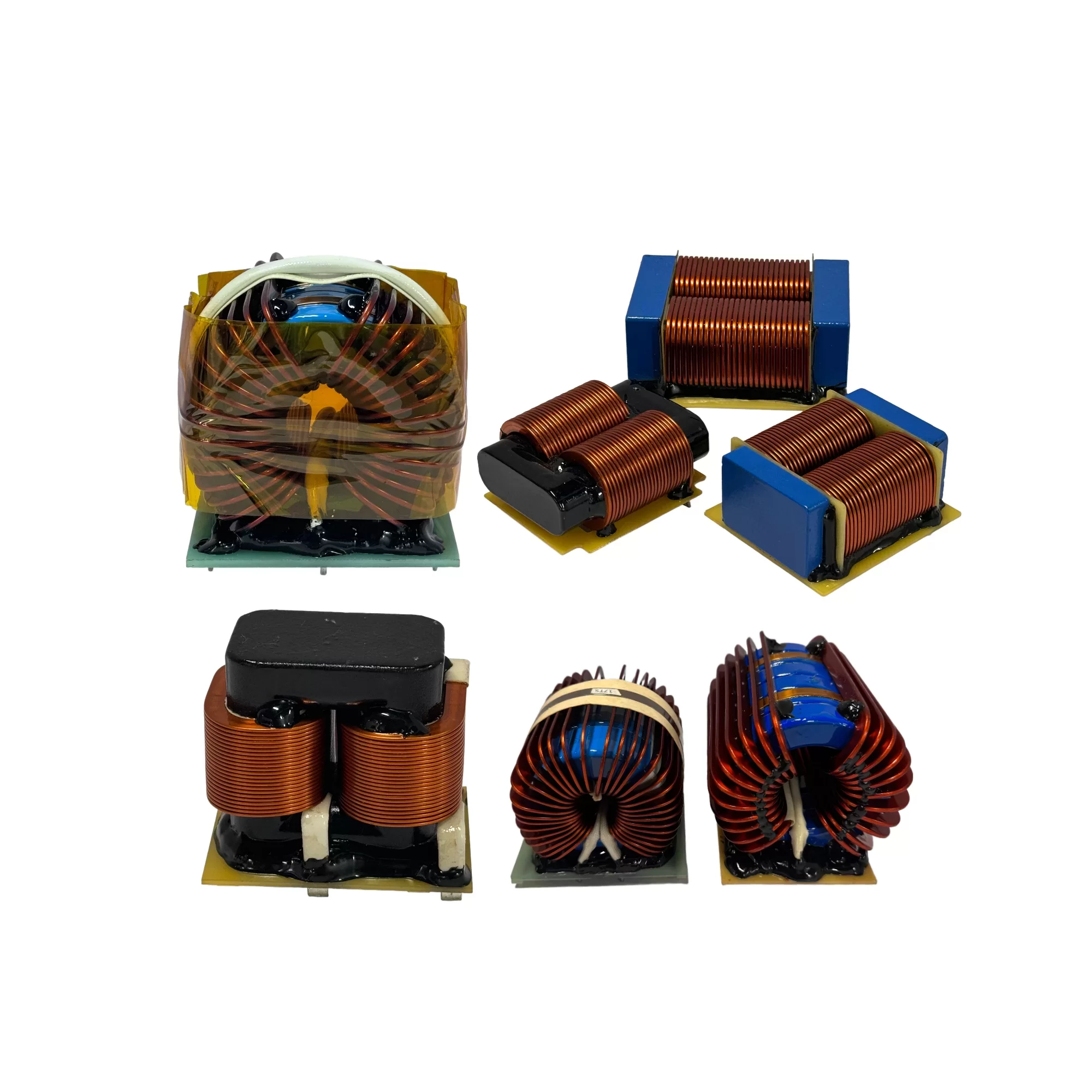

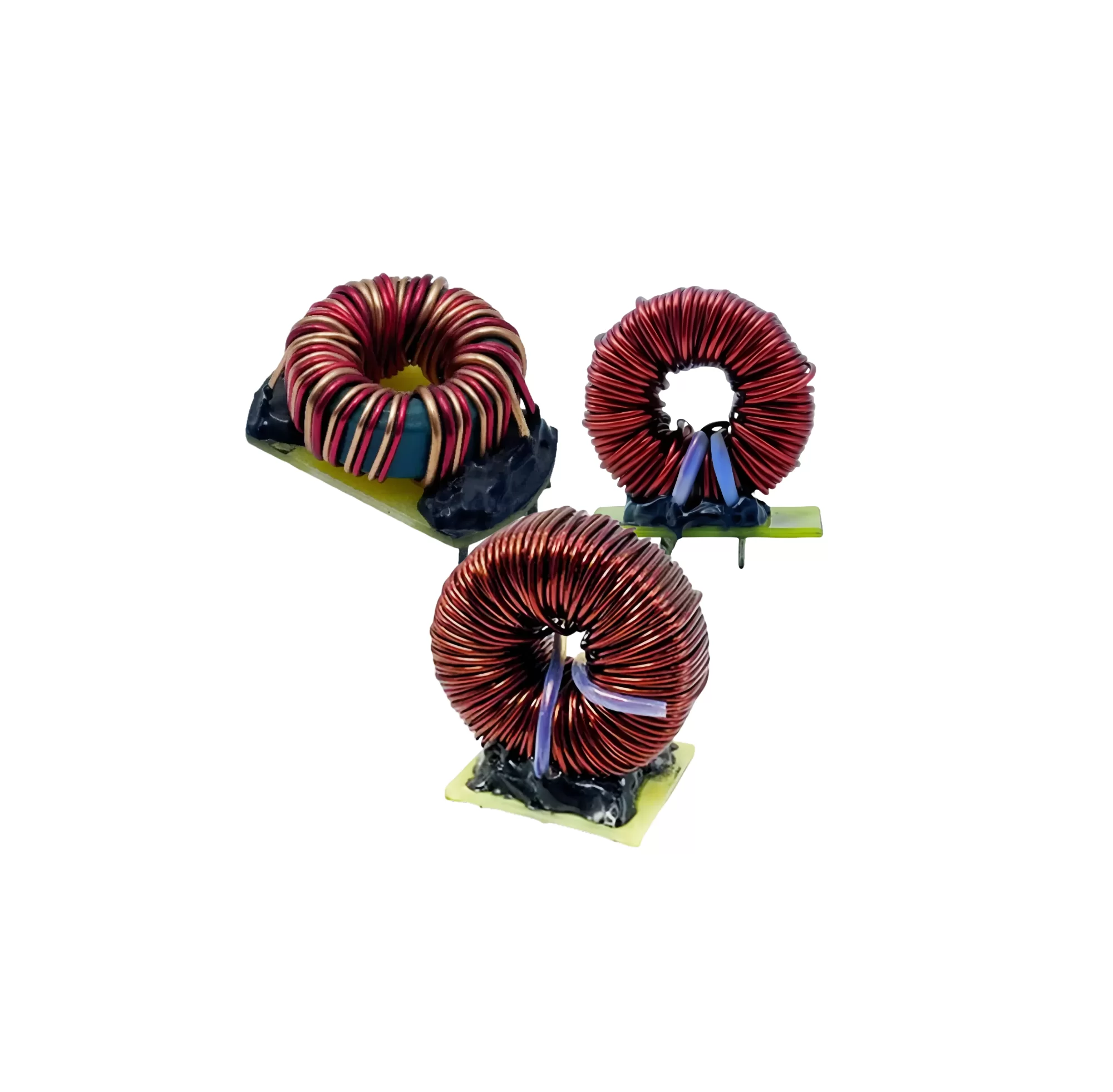
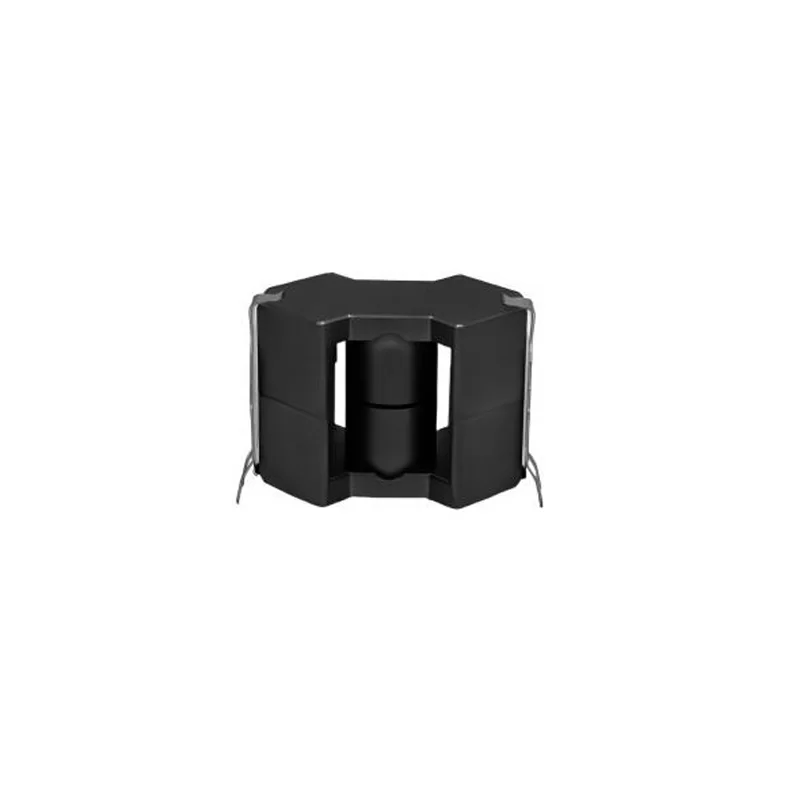
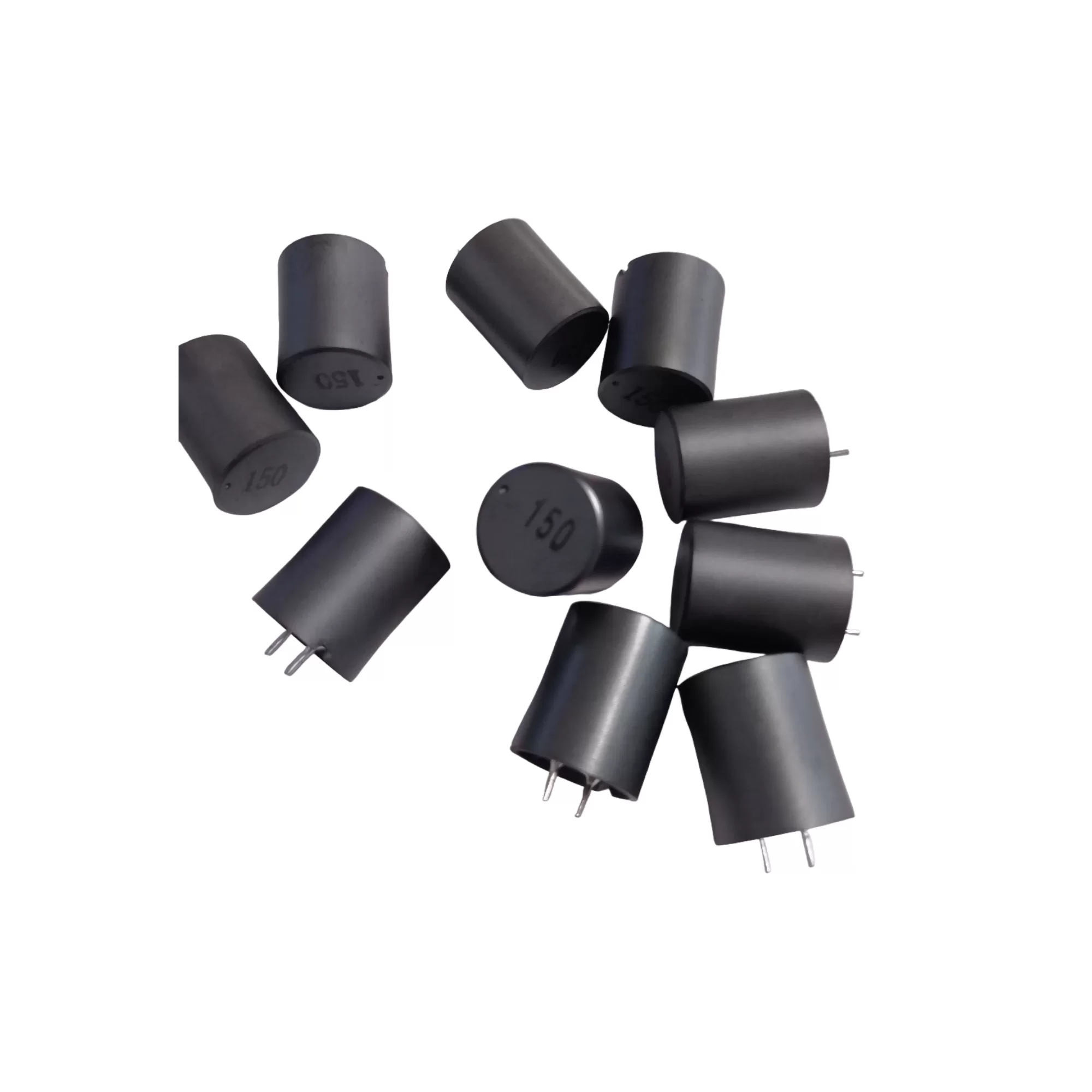
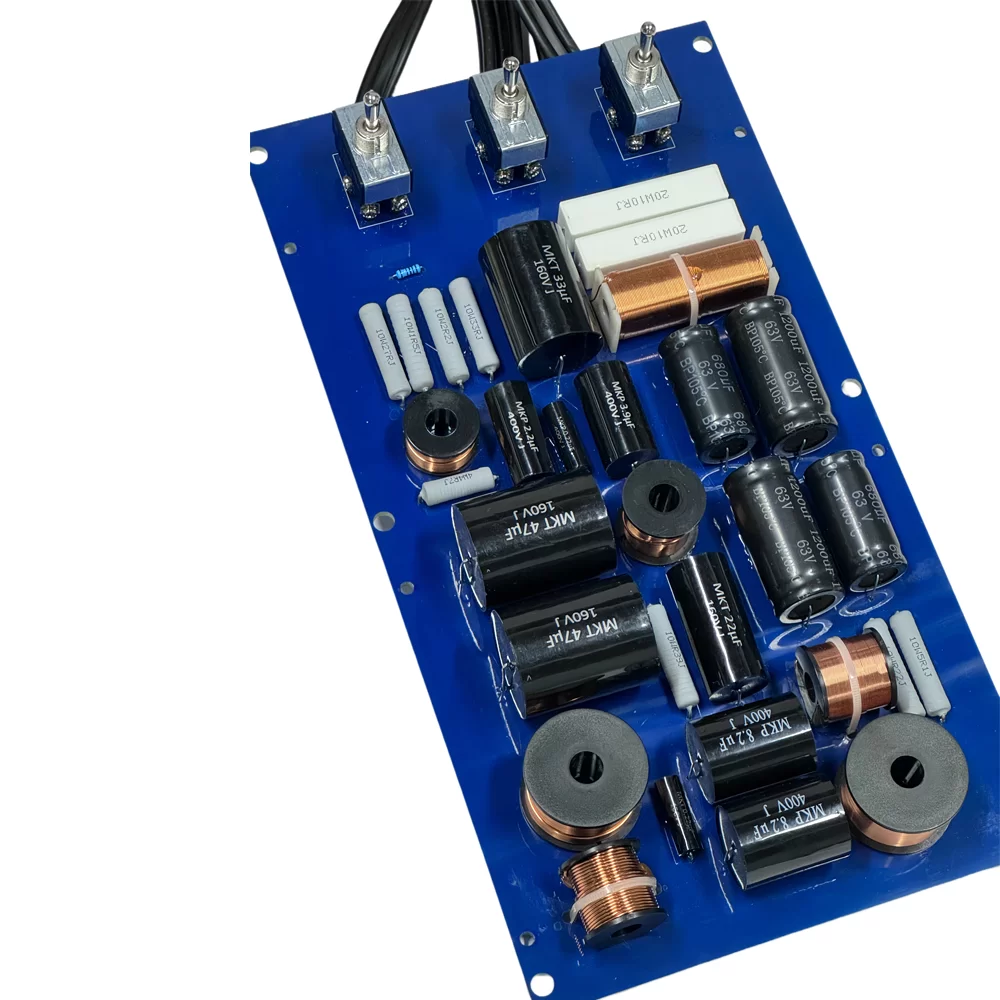
Japan's electronics sector is currently defined by an extreme drive toward miniaturization and energy efficiency, particularly in the Kanto and Kansai industrial hubs. The integration of a high-quality bead inductor is essential for noise suppression in the dense electromagnetic environments typical of Japanese smart factories.
Given Japan's strict environmental regulations and the push for "Green Transformation" (GX), there is a significant shift toward materials that reduce core loss. The adoption of advanced drum inductor designs has increased to support the high-reliability requirements of automotive electronics in Toyota and Honda supply chains.
Economically, the market is transitioning from mass production to high-mix, low-volume customization. This requires a flexible coupled inductor model that can be rapidly prototyped to suit the specific needs of Japan's precision robotics and medical imaging equipment.