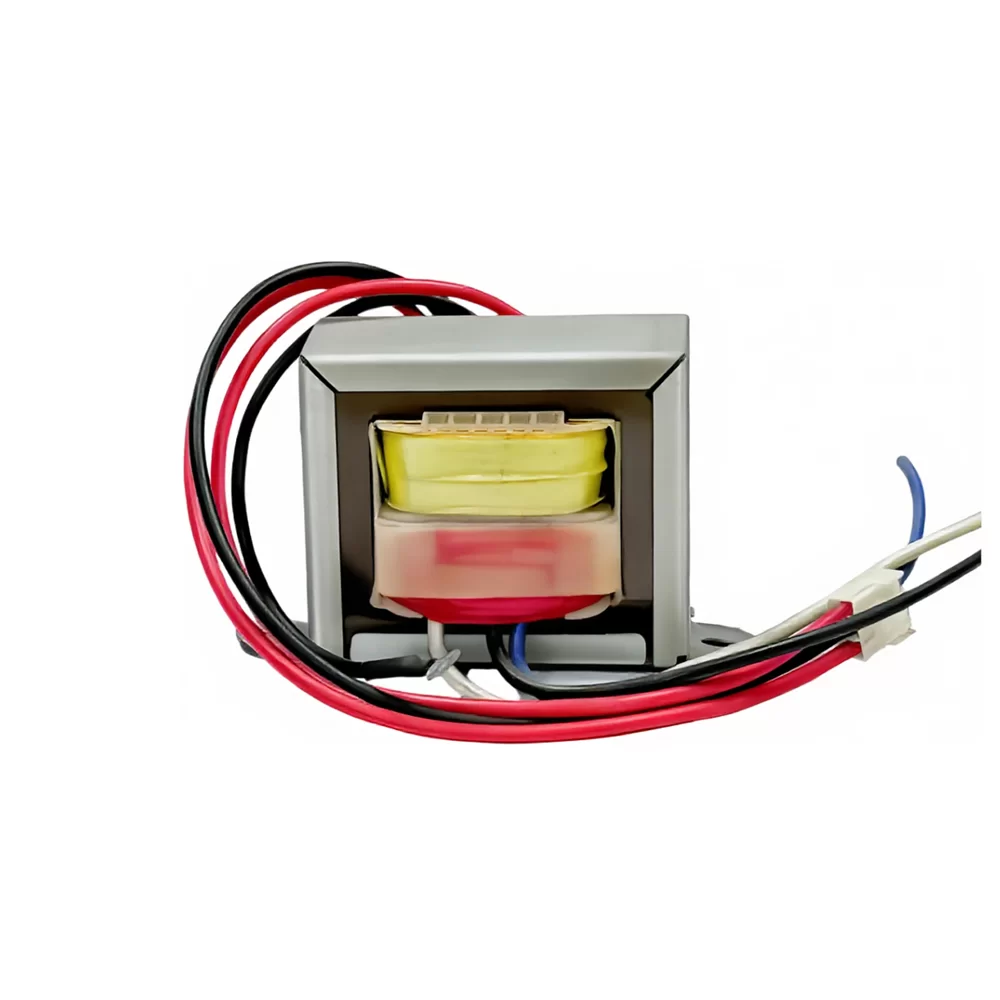
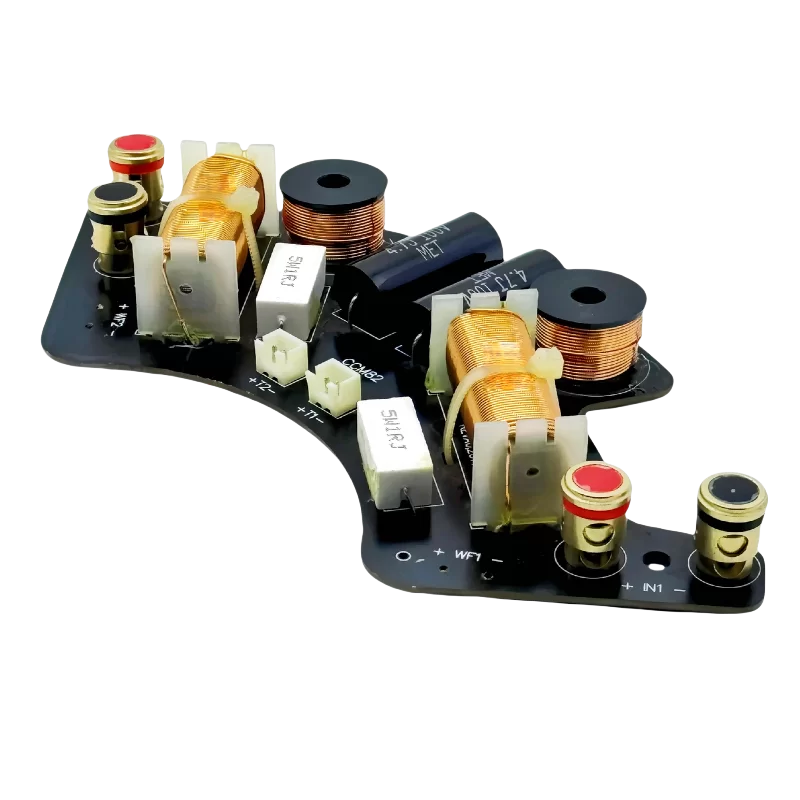
HighPerformance metal power inductor Solutions for Canadian Industrial Electronics

High-Performance metal power inductor Solutions for Canadian Industrial Electronics

Precision-engineered magnetic components designed to withstand extreme Canadian climates and meet rigorous North American power efficiency standards.

High-Performance metal power inductor Solutions for Canadian Industrial Electronics

Delivering world-class electronic transformer and inductor components optimized for the specialized demands of Canada's computing and communication infrastructure.

The State of Magnetic Component Integration in Canada

Analyzing the intersection of extreme environmental factors and high-tech manufacturing in North America.

In Canada, the electronics manufacturing sector faces a unique duality: the requirement for cutting-edge performance in urban tech hubs like Toronto and Vancouver, contrasted with the need for extreme thermal stability in remote industrial regions. The demand for a reliable bead inductor has surged as Canadian firms prioritize EMI suppression in sensitive communication equipment operating across vast, sparsely populated terrains.

Economic shifts toward green energy and electric vehicle (EV) infrastructure in Ontario and Quebec have placed immense pressure on power conversion efficiency. This has led to a widespread adoption of the coupled inductor buck converter topologies, which allow for higher power density and smaller footprints in automotive charging stations and industrial power supplies.

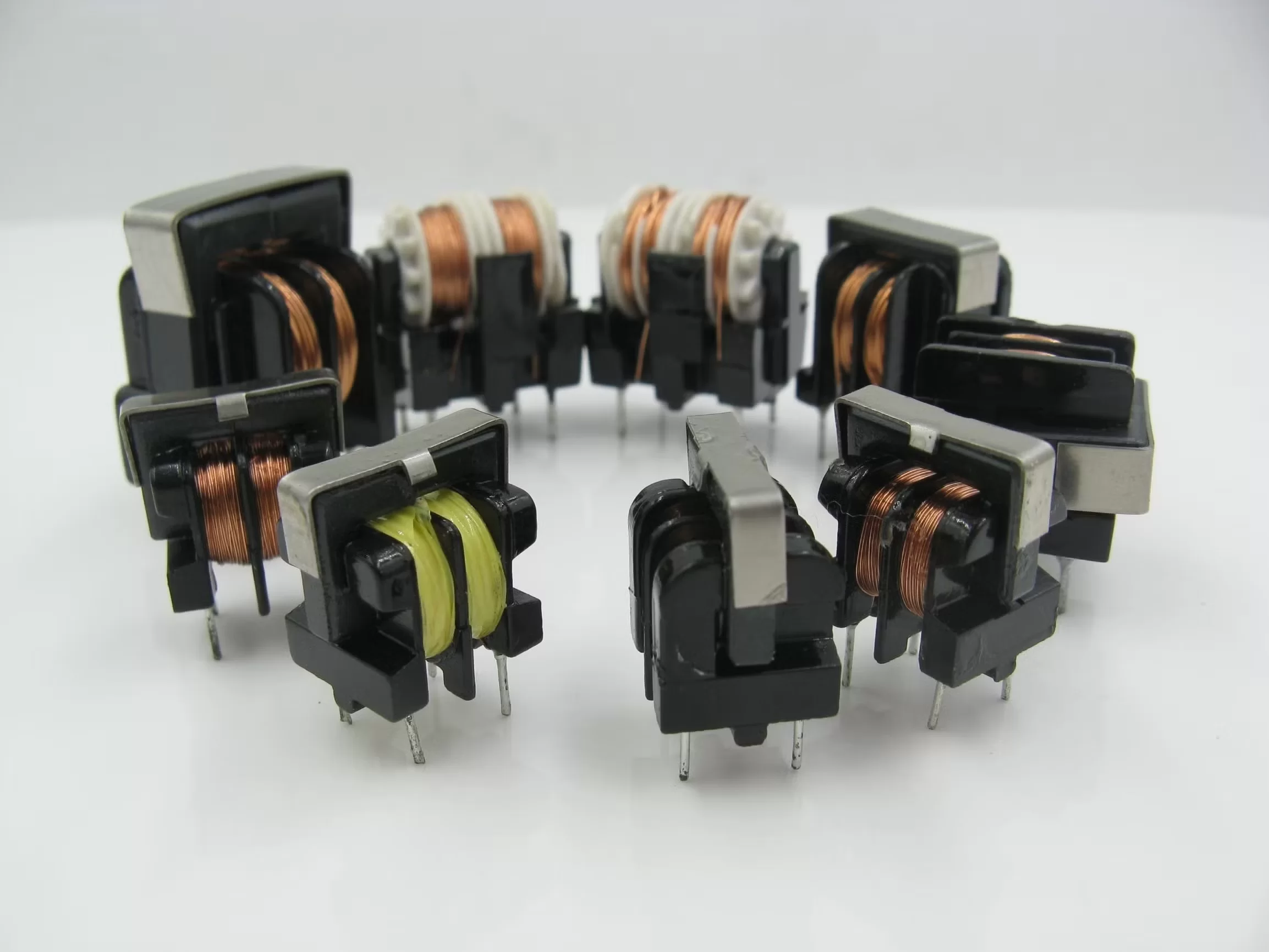
Furthermore, the Canadian aerospace and defense sectors demand components that can maintain inductance stability despite severe temperature fluctuations. The integration of a specialized drum inductor has become standard for these applications due to its robust construction and consistent performance under mechanical stress and thermal cycling.
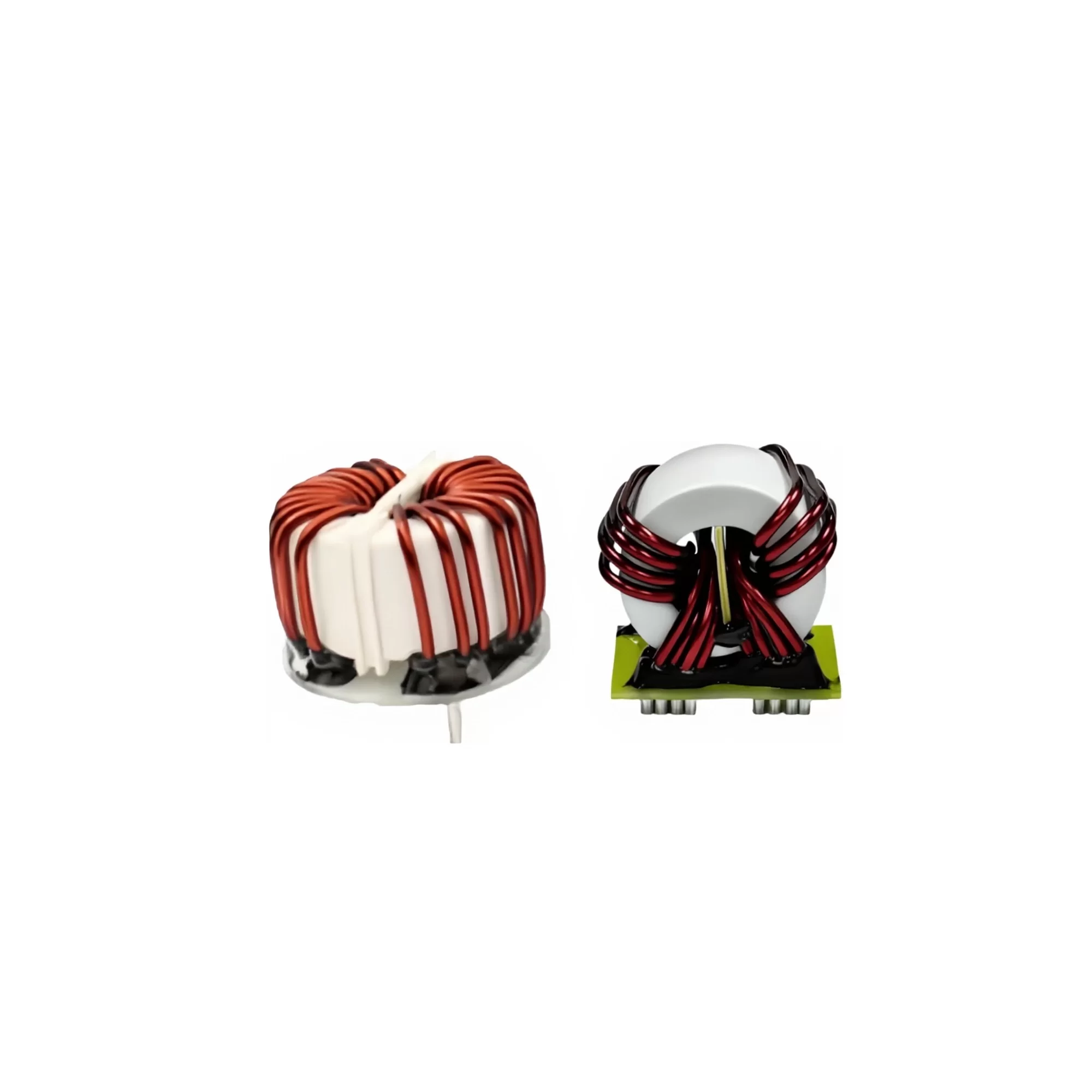
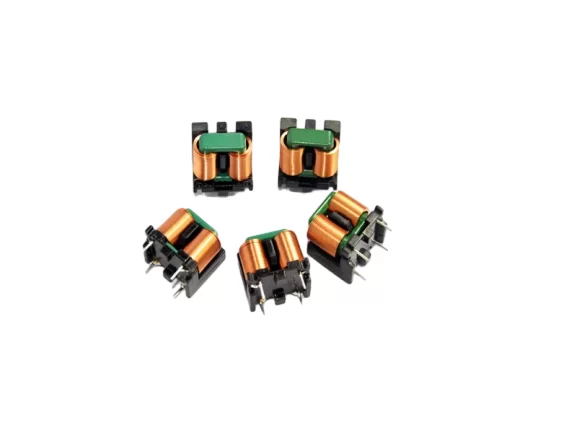
Evolution of Inductor Technology in the Canadian Market

From traditional ferrite cores to advanced coupled magnetic structures.

Market Development History

During the early 2000s, the Canadian electronics landscape relied heavily on discrete, bulky inductors. Power management was focused on stability over size, with basic ferrite components dominating the telecommunications sector to support early broadband rollouts.

Between 2010 and 2020, the shift toward miniaturization in computing drove the adoption of the coupled inductor model. This period marked a transition from single-phase to multi-phase power delivery, significantly reducing ripple current in server farms located in Canada's cooler climates.

In recent years, the focus has shifted toward "Ultra-Efficiency." The industry has moved toward composite metal powders and advanced winding techniques, enabling components to handle higher currents with lower DC resistance, essential for the current AI-driven hardware boom in North America.

Future Development Trends

Wide Bandgap (WBG) Compatibility

The integration of GaN and SiC semiconductors in Canada is pushing inductors to operate at higher frequencies, requiring new core materials to minimize core losses.

Automated Precision Tuning

We are seeing a trend toward "smart" magnetic components where the coupled inductor model is optimized via AI-driven simulation to meet exact peak-efficiency curves.

Sustainability and Recyclability

Following Canadian federal environmental mandates, there is a growing move toward halogen-free materials and recyclable metal alloys in inductor manufacturing.

Industry Trends and Future Outlook

Strategizing for the next generation of electronic component demands in North America.

High-Frequency Optimization
Shifting toward materials that support MHz-range switching to shrink the size of power modules.
Thermal Resilience
Developing components that maintain stable inductance from -40°C to +125°C for Canadian winters.
Power Density Scaling
Implementing integrated magnetic structures to reduce PCB area in cloud computing servers.
EMI Compliance
Enhancing shielding capabilities to meet stringent North American FCC and IC standards.

Industry Outlook

Based on Google search trends in the North American region, there is a marked increase in queries related to "high-efficiency DC-DC conversion" and "compact power inductors." This indicates a clear market shift toward energy-efficient hardware, likely driven by the expansion of AI data centers in Canada.

Over the next 3-5 years, we anticipate that magnetic component design will move toward a "system-level" approach, where the inductor is co-designed with the PCB and semiconductor to maximize thermal dissipation and electrical efficiency.

Localized Application Scenarios in Canada

Real-world implementations of advanced magnetic components across Canadian industries.

1. Arctic Telecommunication Base Stations

Utilizing a robust drum inductor to ensure power stability for remote communication hubs in the Yukon and Northwest Territories, where extreme cold can cause standard components to drift.

2. Toronto-Based AI Data Centers

Implementation of the coupled inductor buck system to provide ultra-stable, high-current power to GPU clusters, minimizing heat generation in high-density server racks.

3. Quebec Electric Vehicle Charging Networks

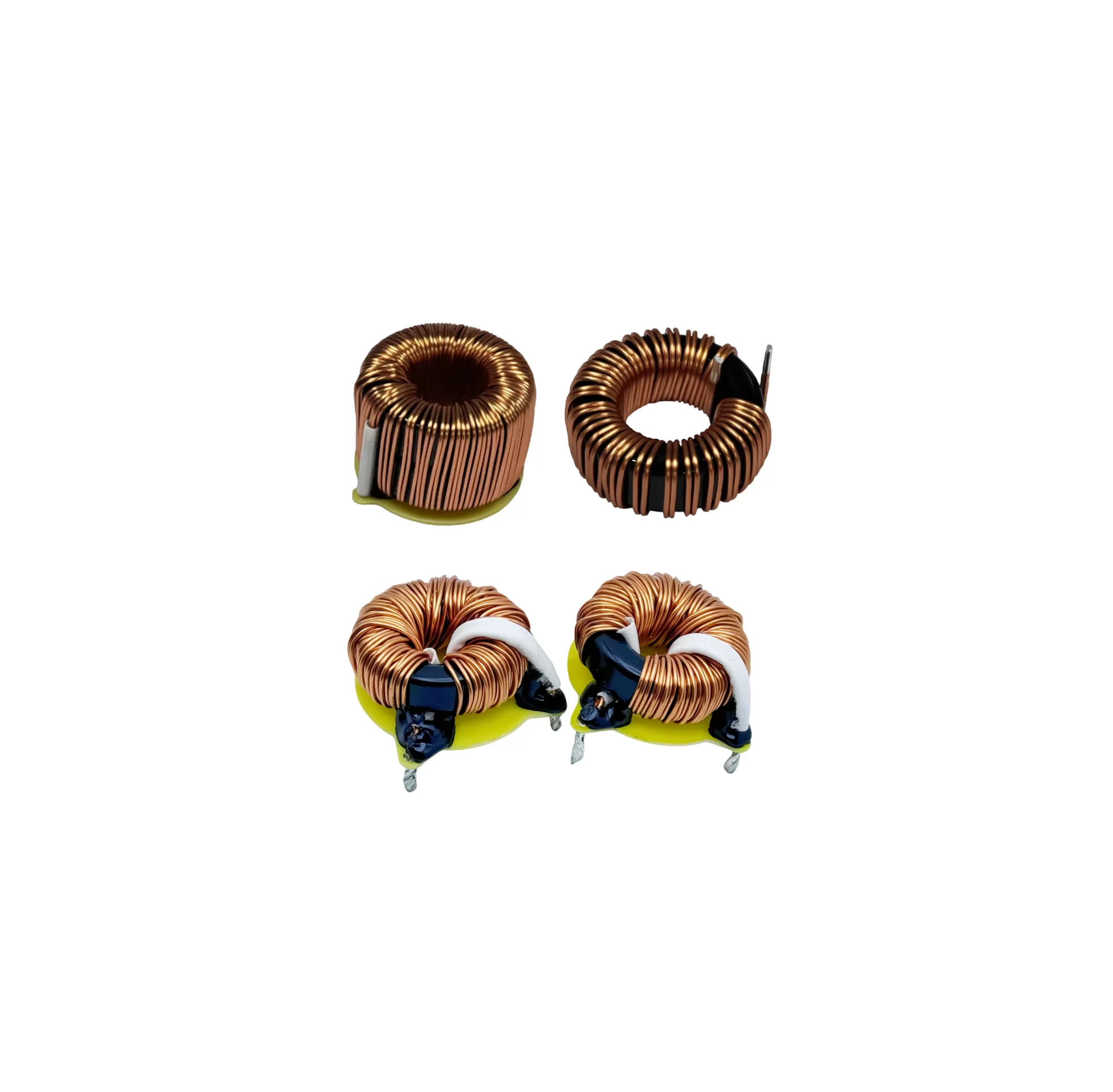
Integrating high-saturation metal power inductor units into Level 3 fast-charging stations to handle massive current spikes without saturating the core.

4. Vancouver Aerospace Avionics

Deploying precision bead inductor arrays for high-frequency noise filtration in flight control systems, ensuring zero interference in critical communication bands.

5. Ontario Industrial Automation Robotics

Using a custom coupled inductor model to drive servo motors in automotive assembly lines, improving energy recovery and reducing overall power consumption.

Brand Story

Global Development History of Huizhou Xinchangda Electronics Co., Ltd.

Foundation and Specialization

Established with a vision to master the art of magnetism, we began by solving basic inductance stability issues for local electronic manufacturers.

Technological Breakthrough

We invested heavily in R&D to develop proprietary core materials, allowing us to create inductors with significantly higher power density.

Global Expansion

Expanding our footprint into the North American market, we adapted our designs to meet the stringent regulatory and environmental standards of Canada and the USA.

Industrial Leadership

Becoming a trusted partner for Tier 1 electronics suppliers by solving the "size vs. efficiency" paradox in power inductor design.

Future Vision

Committed to driving the green energy transition through the development of zero-loss magnetic components for a sustainable future.

Comprehensive Magnetic Component Portfolio for Canada

A full suite of certified inductors designed for North American industrial compliance.

Common Technical Inquiries in the Canadian Market

Expert answers to the most frequent questions regarding electronic component selection.

How do I choose the right coupled inductor model for a multi-phase buck converter?

Selection depends on the target ripple current and the required transient response. In the Canadian market, we recommend models with low DCR and high saturation currents to maintain efficiency during load spikes.

Can a bead inductor effectively reduce EMI in high-frequency communication devices?

Yes, bead inductors are highly effective at suppressing high-frequency noise. For Canadian telecom equipment, choosing a bead with the correct impedance profile at the interference frequency is key.

What are the benefits of a metal power inductor over ferrite alternatives in industrial use?

Metal power inductors offer a "soft saturation" characteristic, meaning they don't lose inductance abruptly as current increases, providing better stability for heavy-duty industrial machinery.

Is the drum inductor suitable for high-vibration environments like automotive apps?

Absolutely. The drum inductor's physical structure provides superior mechanical stability, making it ideal for the rugged environments common in North American automotive and transport sectors.

How does a coupled inductor buck improve power efficiency?

By utilizing magnetic coupling between phases, it reduces the peak current in each inductor, allowing for smaller components while maintaining lower ripple and higher overall efficiency.

What certifications are required for inductors used in the Canadian electronics market?

Most components must comply with RoHS and REACH standards, and the final device must typically pass IC (Industry Canada) and FCC emissions tests for electromagnetic compatibility.

Consult Our Magnetic Engineering Experts

Ready to optimize your power circuitry? Our team provides specialized technical support and custom component design for clients across North America - Canada.

Contact Us Now

If you are interested in our products, you can choose to leave your information here, and we will be in touch with you shortly.