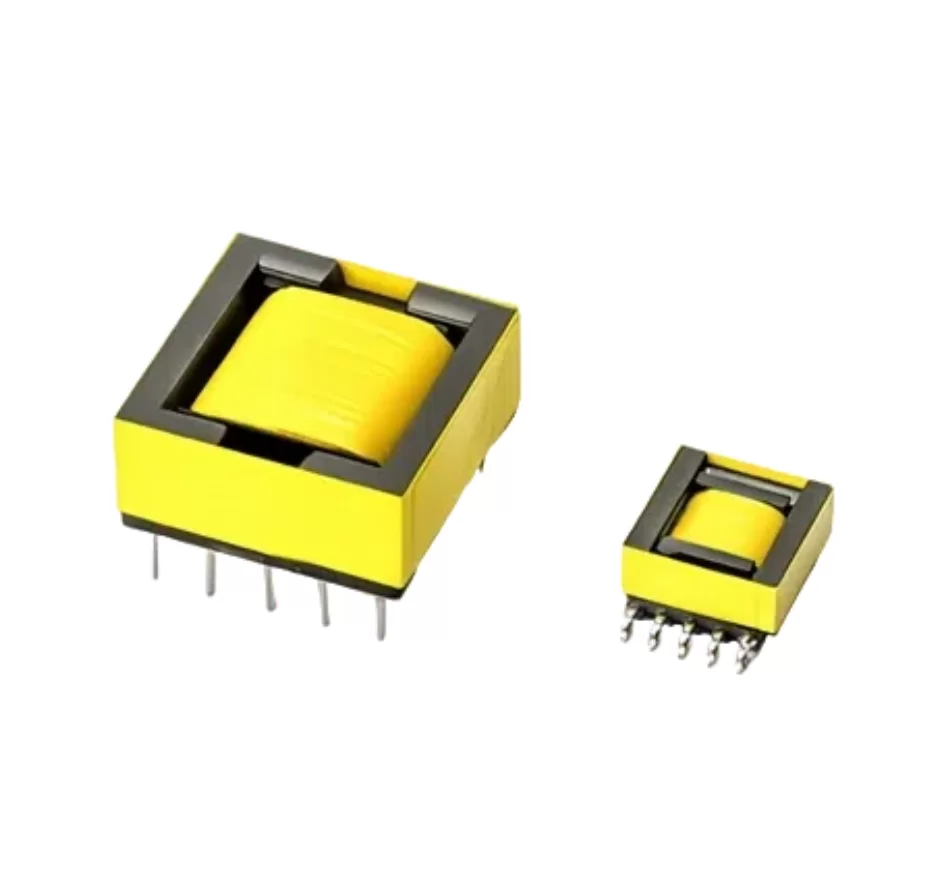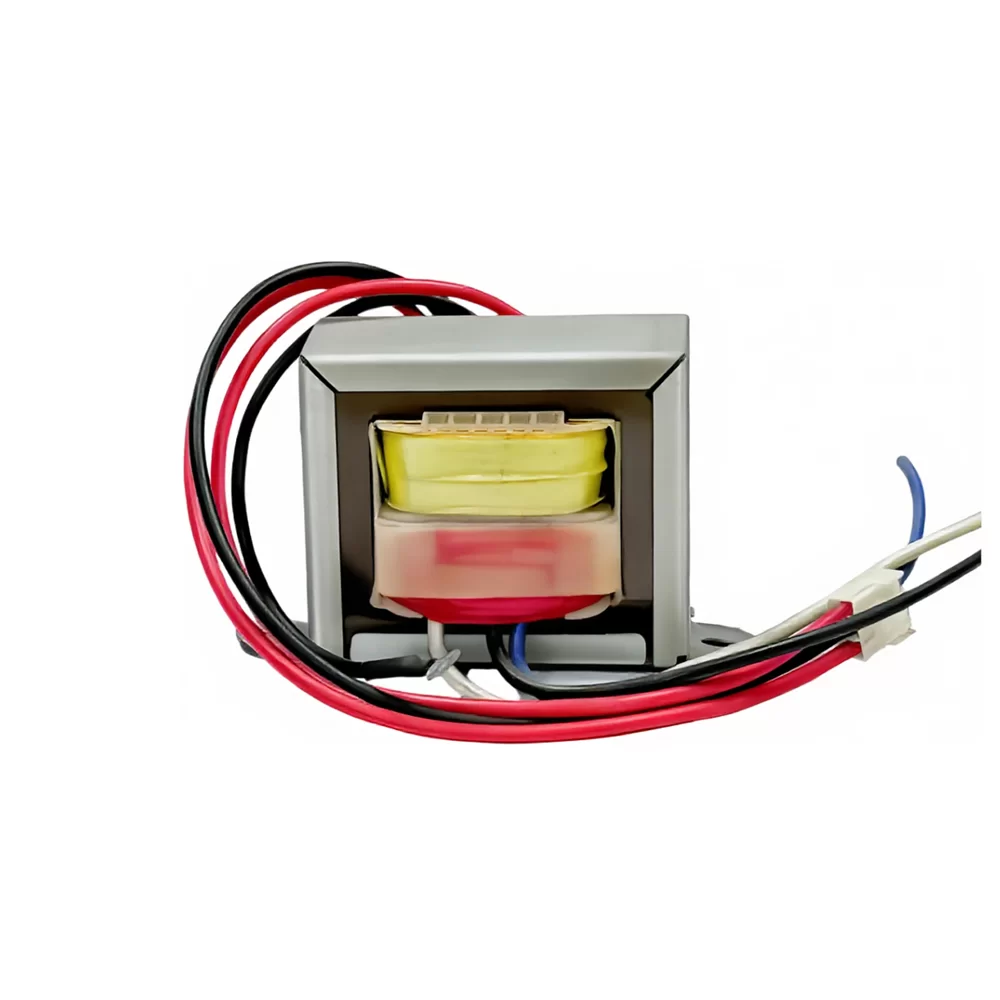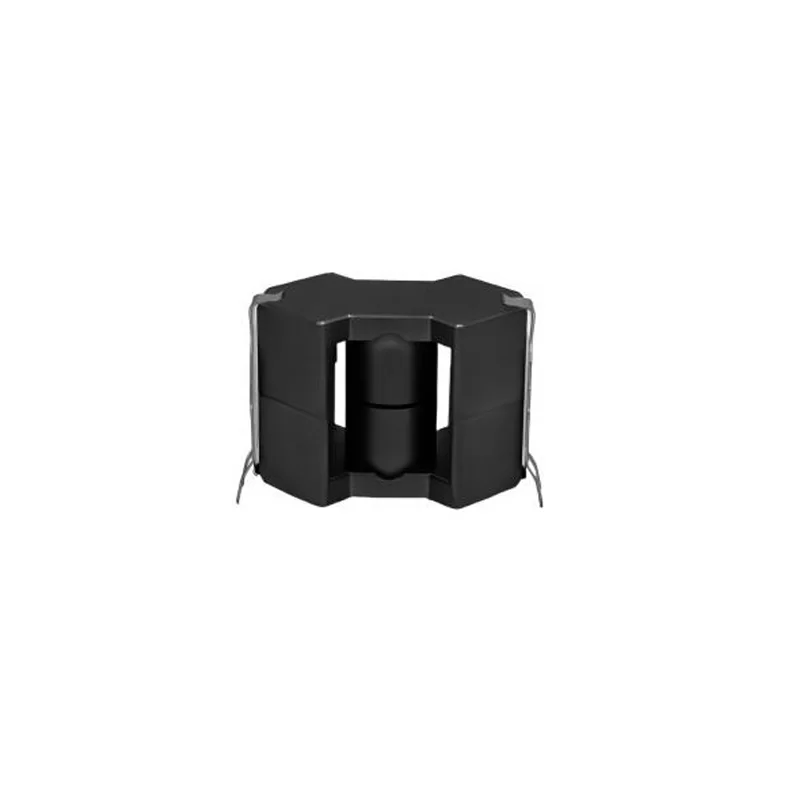

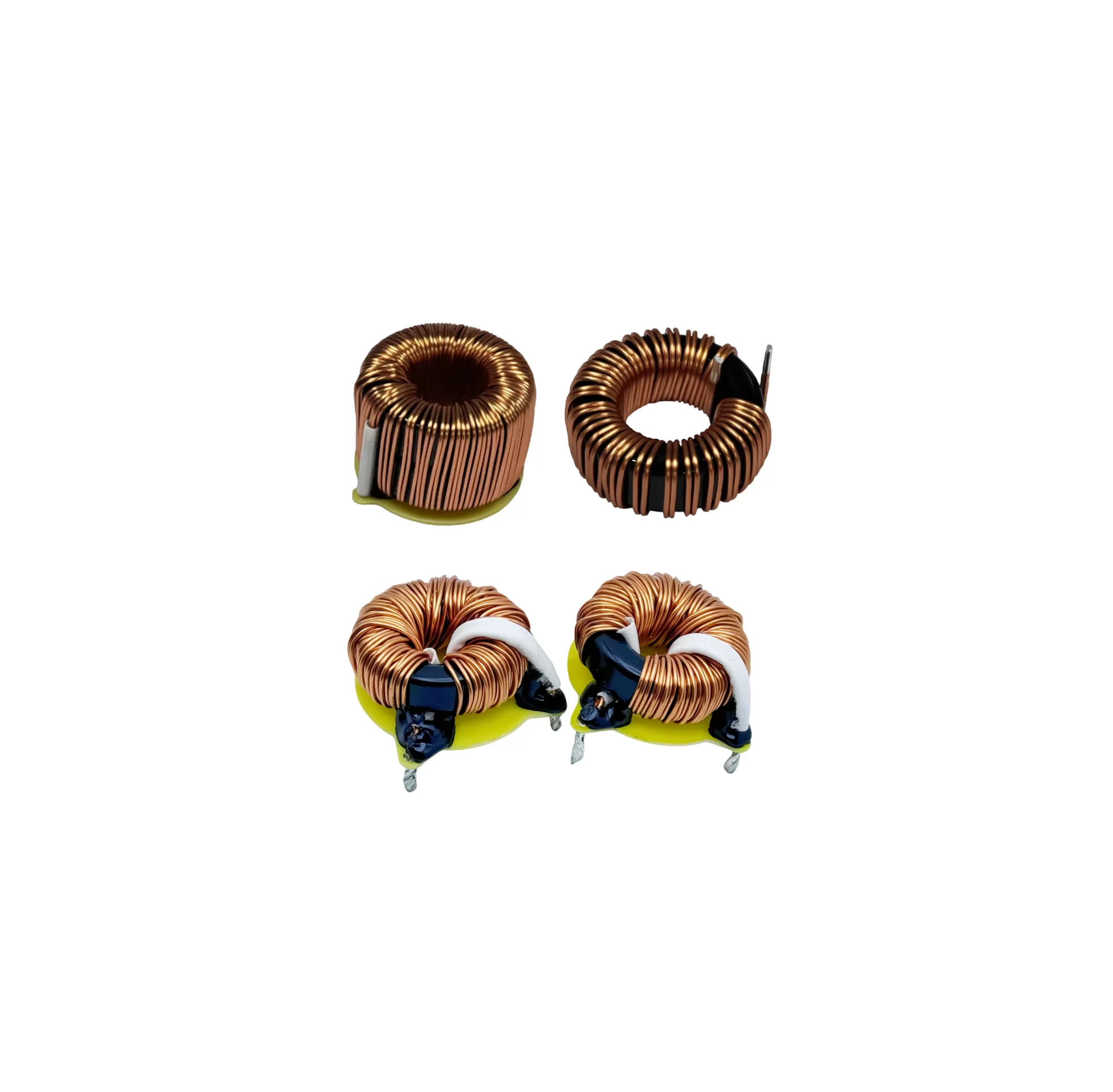
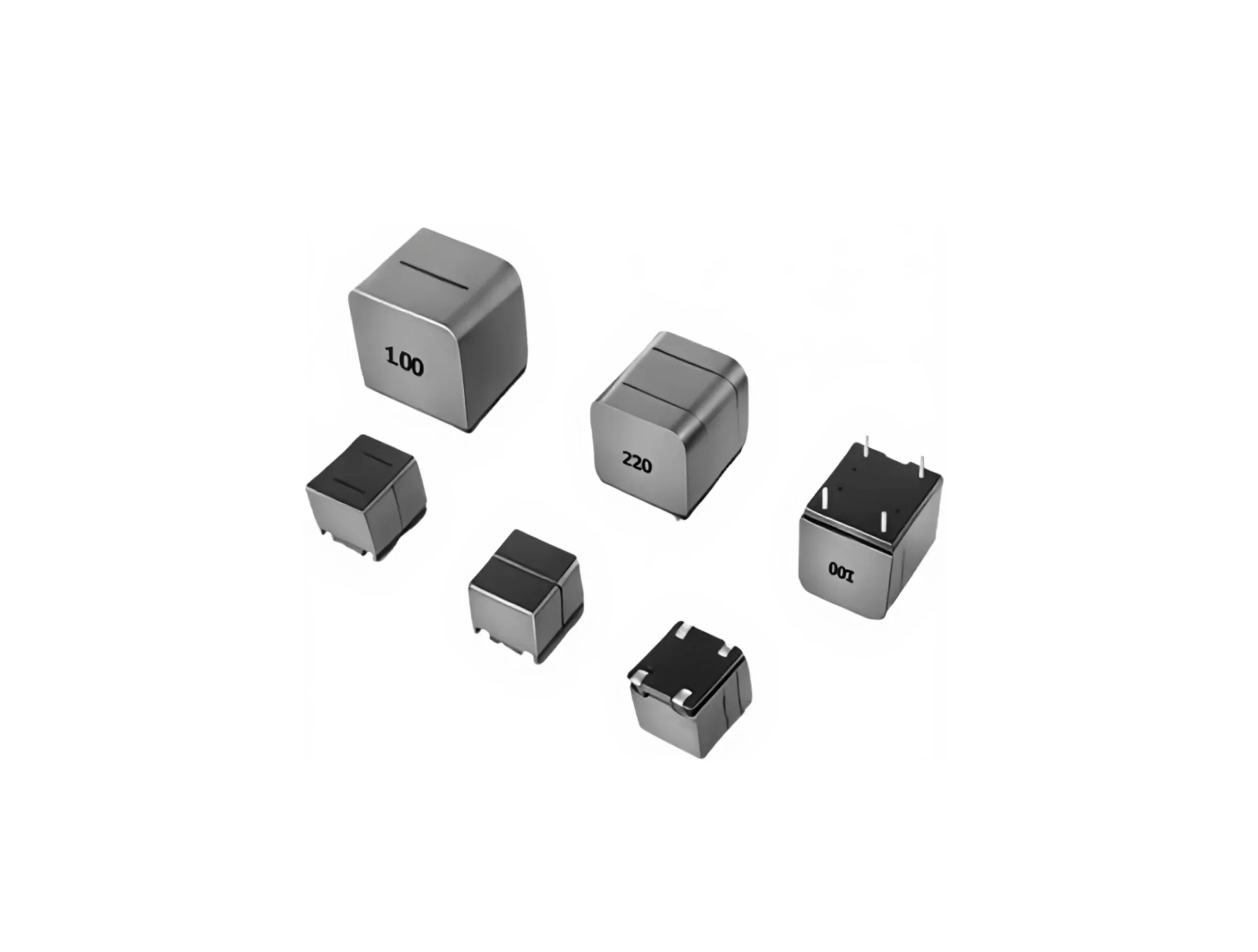
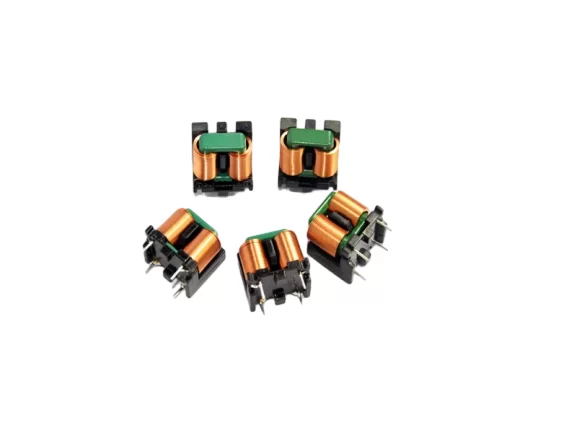
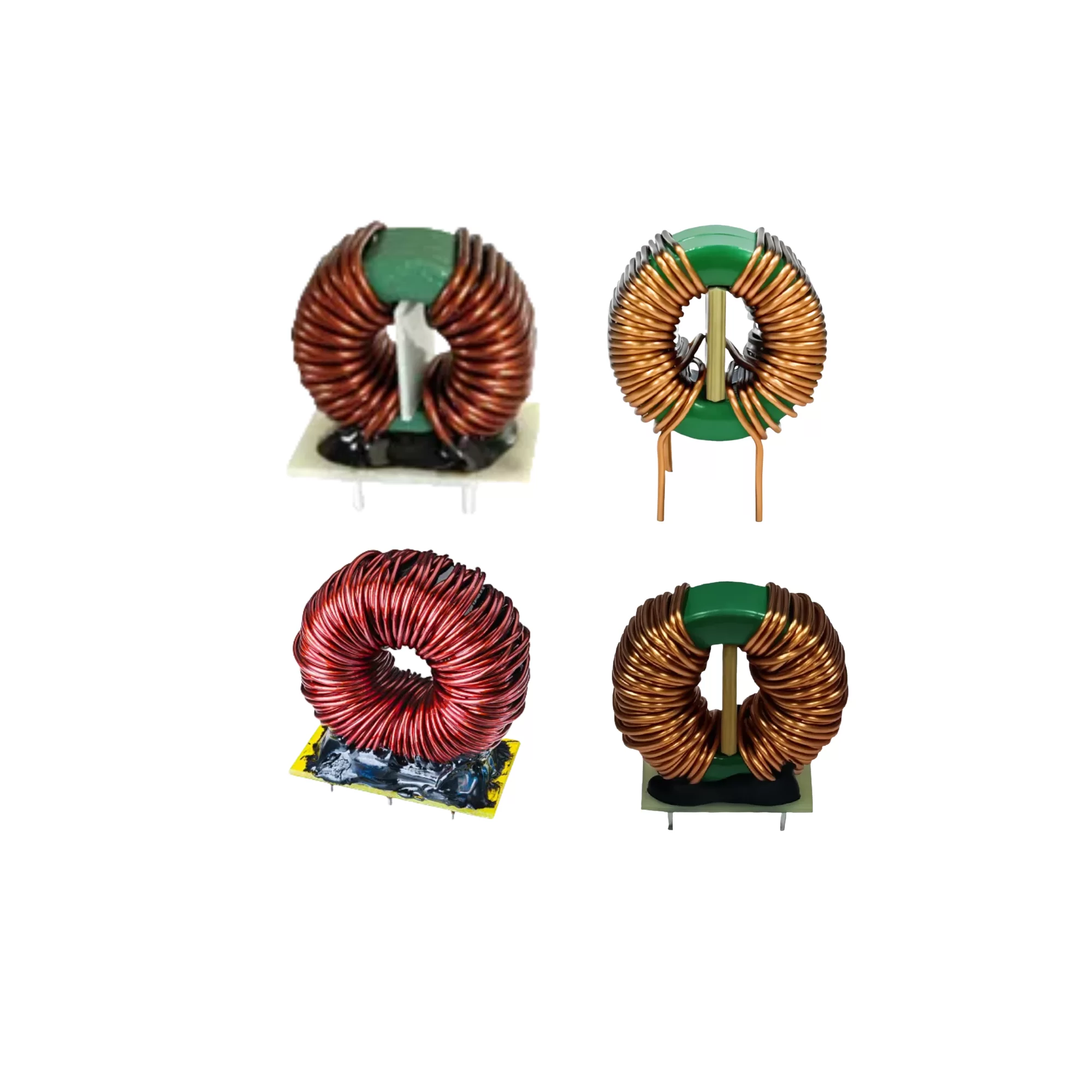
In Libya, the electronics manufacturing landscape is heavily influenced by extreme thermal cycles and sandy environments. The demand for a reliable bead inductor has grown as local telecommunication providers seek to eliminate high-frequency noise in regions with unstable power grids.
Economic shifts toward diversifying the industrial base have led to an increased adoption of advanced power modules. However, the prevalence of dust and high heat requires components like the drum inductor to have superior insulation and thermal dissipation properties to prevent premature failure in the field.
Currently, the market is transitioning from importing generic components to seeking specialized coupled inductor model designs that can handle the specific voltage ripples common in the Libyan power distribution network, ensuring stability for critical infrastructure.