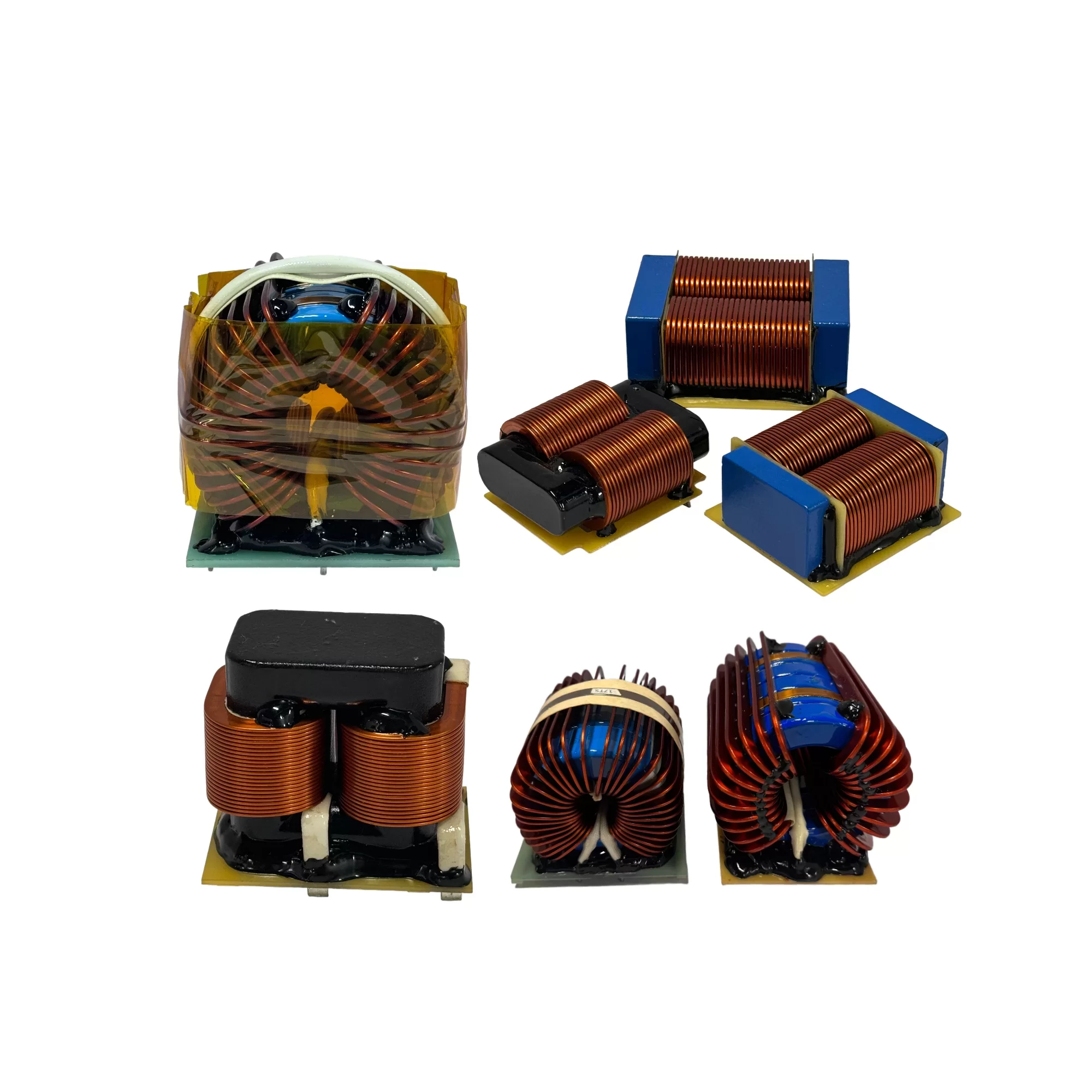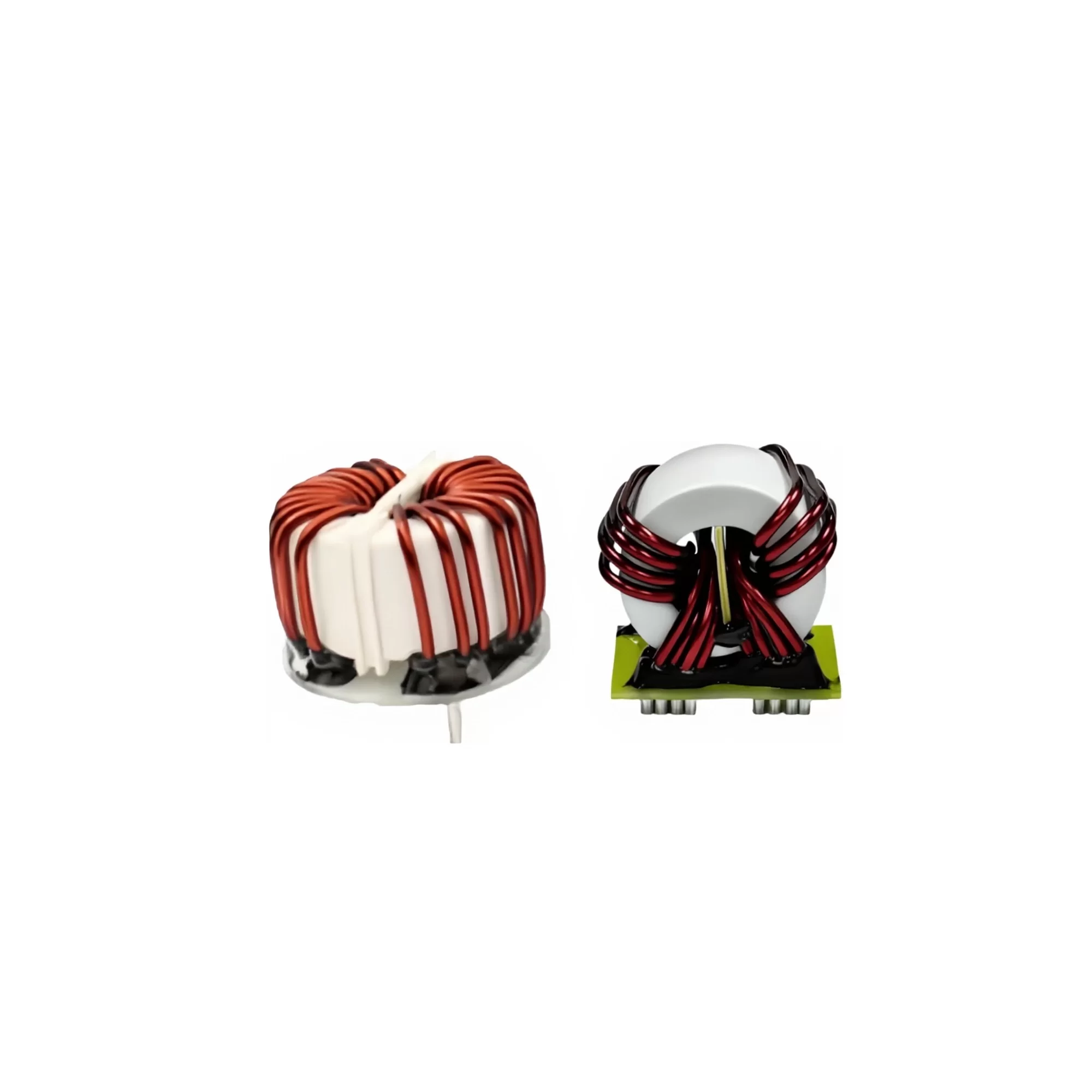
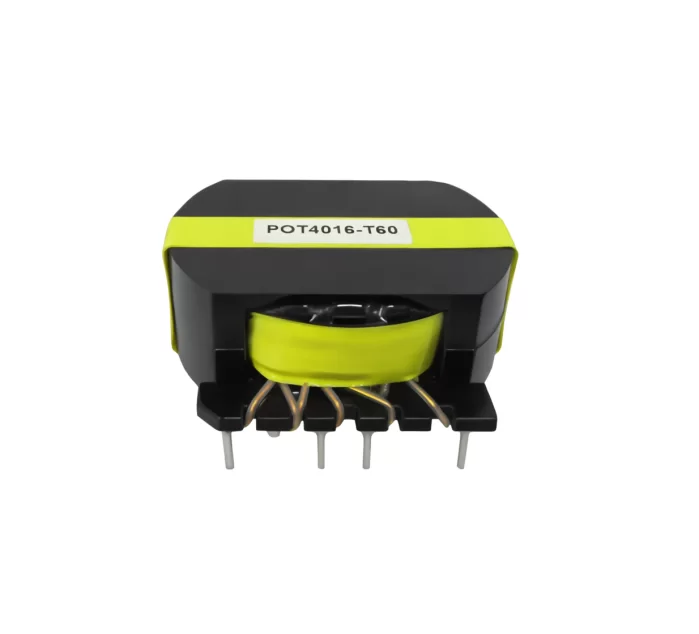
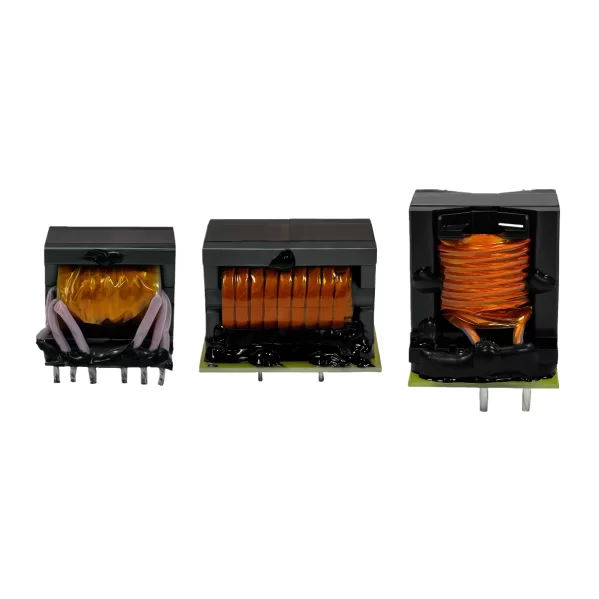
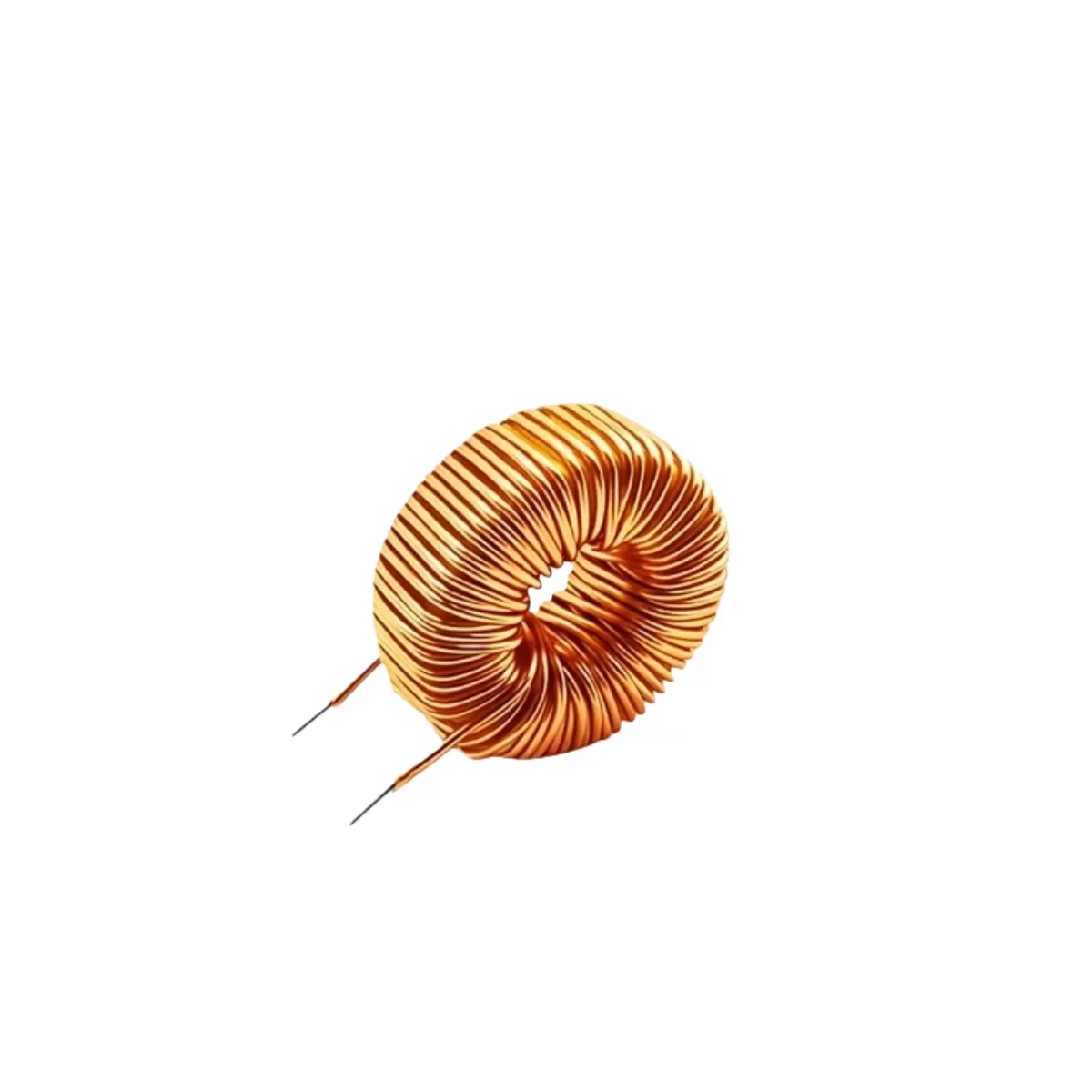
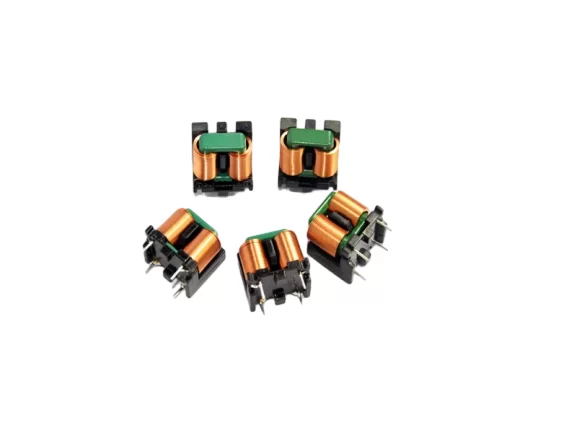
Advanced Power Solutions for Zambia HighPerformance metal power inductor

Advanced Power Solutions for Zambia: High-Performance metal power inductor

Empowering Zambia's industrial electronics with high-efficiency magnetic components designed for stability in challenging African environments.

Advanced Power Solutions for Zambia: High-Performance metal power inductor

Providing precision-engineered inductor solutions to enhance energy efficiency and signal integrity for Zambia's expanding telecommunications and manufacturing sectors.

Electronic Components Landscape in Zambia

Analyzing the challenges of power stability and component durability in the Zambian market.

Zambia's industrial landscape, particularly in the Copperbelt and Lusaka regions, faces unique challenges due to fluctuating power grids and high ambient temperatures. The demand for a reliable bead inductor has increased as local electronics manufacturers seek to mitigate electromagnetic interference (EMI) in unstable electrical environments.

The regional shift towards renewable energy integration, specifically solar power for rural electrification, requires robust power conversion stages. This has led to a surge in the adoption of the coupled inductor buck converter topologies to maintain high efficiency and reduce thermal stress in high-temperature zones.

Furthermore, the growth of mobile infrastructure in Africa - Zambia necessitates components that can withstand humidity and dust. Engineers are increasingly moving away from generic parts toward specialized drum inductor models that offer better shielding and longevity in harsh outdoor installations.
Technical Evolution of Inductor Technology in Zambia

From basic ferrite cores to high-precision coupled magnetic systems.

Market Development History

During the early 2000s, the Zambian market relied heavily on imported generic inductors with low thermal thresholds. Basic power filtering was the standard, using oversized components to compensate for poor efficiency.

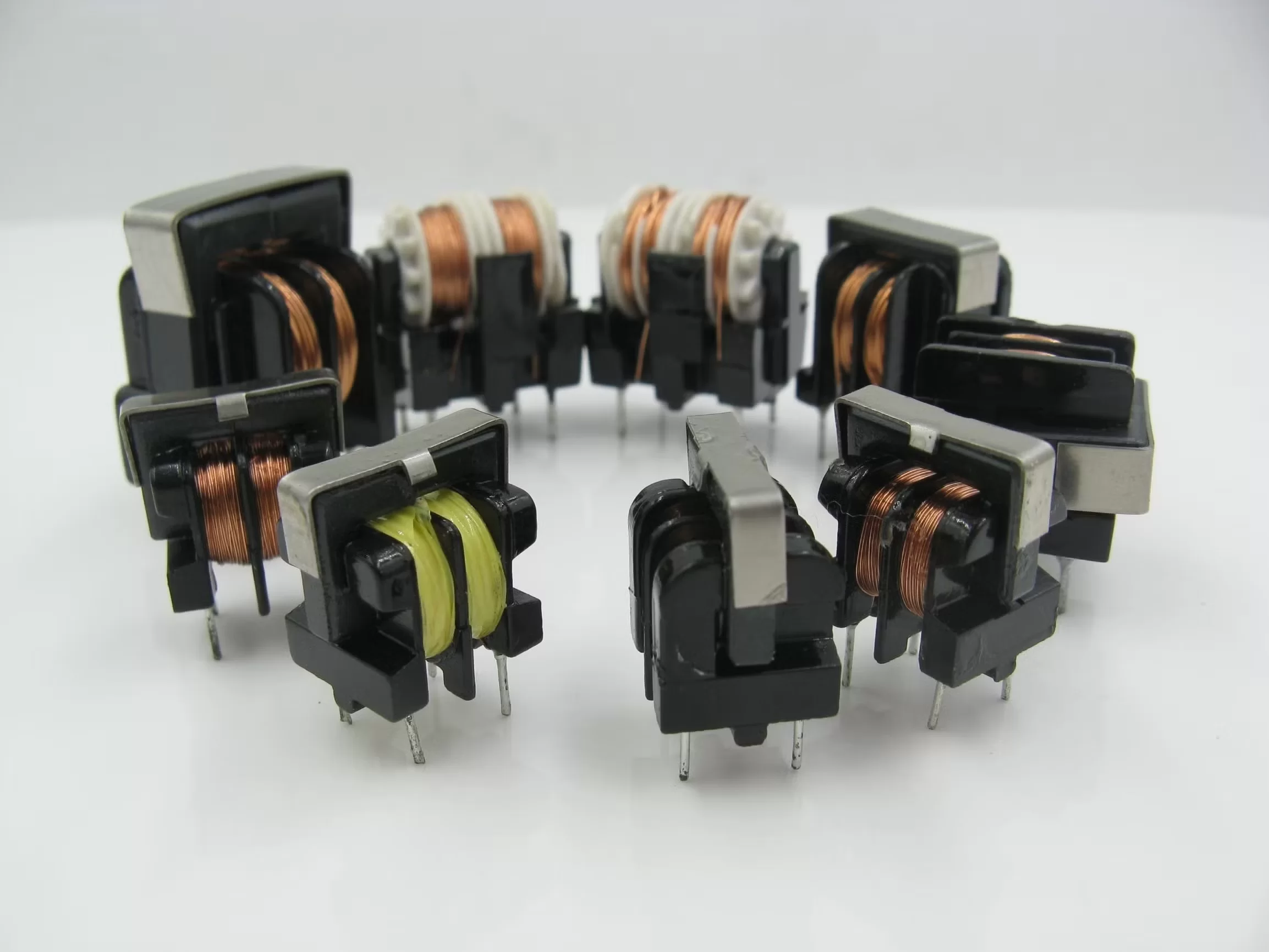
Between 2010 and 2020, the introduction of smartphone technology and 4G LTE infrastructure shifted the focus toward miniaturization. This era saw the first widespread implementation of the coupled inductor model to support multi-rail power supplies in compact devices.

Currently, the trend has evolved toward "industrial-grade resilience." There is a transition from standard air-core or simple ferrite designs to advanced composite materials that offer higher saturation currents and lower DCR.

Future Development Trends

Integration of Wide Bandgap (WBG) Semiconductors

As Gallium Nitride (GaN) adoption grows, the demand for inductors with lower parasitic capacitance will accelerate to support higher switching frequencies.

Eco-Friendly Magnetic Materials

Future trends indicate a shift toward cobalt-free and sustainably sourced magnetic powders to align with global green electronics initiatives.

Enhanced Thermal Management

Development of advanced encapsulation for inductors to prevent degradation caused by the extreme temperature cycles found in the Zambian highlands.

Industry Trends and Future Outlook

Strategic projections for the electronic component sector in Africa.

Miniaturization Trend
Shift toward smaller footprints without sacrificing power density for urban IoT devices.
High-Efficiency Conversion
Increased adoption of low-loss cores to maximize battery life in off-grid systems.
Thermal Resilience
Developing components that maintain inductance stability at 85°C+.
Smart Grid Integration
Scaling components for bidirectional power flow in smart energy grids.

Industry Outlook

Based on search trend data, there is a growing interest in "energy-efficient power modules" within the SADC region. This indicates a transition from importing finished goods to local assembly of high-quality PCBAs.

The next 3-5 years will likely see a convergence of industrial automation and electronic component optimization, where custom-designed magnetics will replace standard off-the-shelf parts to meet specific energy demands of Zambian mines and factories.

Localized Application Scenarios in Zambia

Real-world implementations of magnetic components across Zambian industries.

1. Solar Inverter Systems for Rural Villages

Using coupled inductor buck stages to optimize voltage regulation from solar arrays to battery banks, ensuring minimal energy loss in off-grid setups.

2. Mining Equipment Power Modules

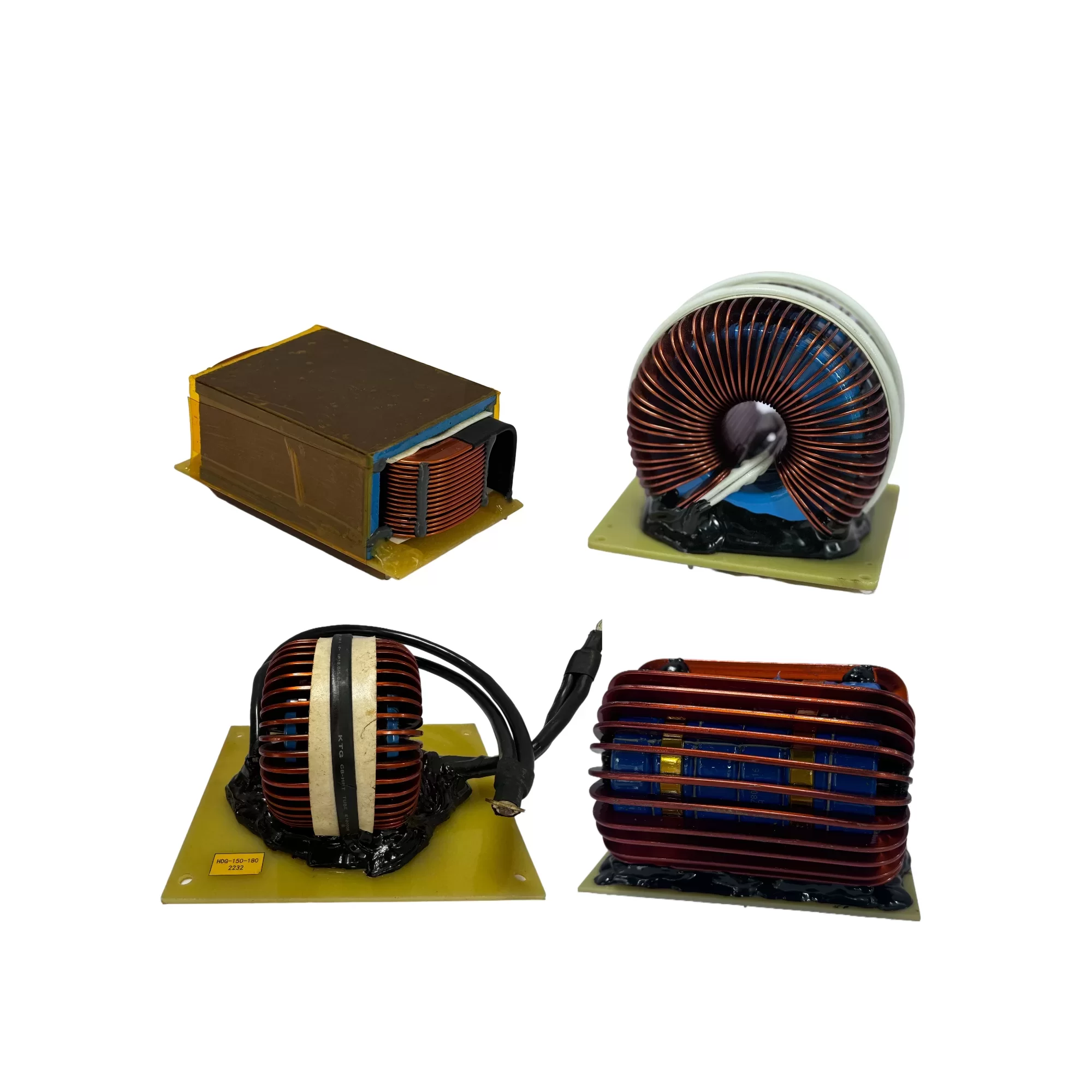
Deploying heavy-duty metal power inductor components in industrial controllers for copper mines to handle high surge currents and extreme vibrations.

3. Telecom Base Station EMI Filtering

Integrating high-frequency bead inductor arrays to protect sensitive communication equipment from electrical noise in urban Lusaka.

4. Agricultural Automation Sensors

Implementing small-form-factor drum inductor units in soil moisture and weather monitoring nodes for precision farming.

5. Medical Device Power Supplies

Utilizing a precise coupled inductor model to provide stable, low-ripple DC power for diagnostic equipment in regional clinics.

Brand Story

Global Development Journey of Huizhou Xinchangda Electronics Co., Ltd.

Foundational Excellence

Established with a focus on precision winding, we began by solving the basic stability issues of power inductors for local manufacturers.

Technological Pivot

Expanded our R&D to develop coupled inductors, reducing the size of power converters while increasing energy efficiency for the global market.

Quality Certification

Achieved international standards for automotive and industrial grade components, ensuring reliability in extreme environments.

Global Expansion

Established strategic supply chains reaching Africa, focusing on providing high-performance magnetics to emerging industrial hubs.

Future Innovation

Committed to developing sustainable, high-density magnetic solutions that solve the specific power pain points of the modern electronic era.

Complete Product Portfolio for the Zambian Market

Comprehensive magnetic solutions tailored for industrial and consumer electronics.

Common Questions in Zambia

Expert answers to technical queries regarding inductor selection and application.

How to choose the right coupled inductor model for high-temperature areas?

For high-temperature regions like Zambia, select models with high-curie-point ferrite cores and reinforced insulation to prevent thermal saturation and degradation.

Can a bead inductor effectively reduce EMI in unstable power grids?

Yes, bead inductors are excellent for suppressing high-frequency noise and transients, making them essential for protecting sensitive PCBAs from grid fluctuations.

What are the advantages of a metal power inductor over ferrite versions?

Metal power inductors offer higher saturation currents and lower DC resistance, providing better efficiency and smaller sizes for high-current applications.

When should I use a drum inductor in my circuit design?

Drum inductors are ideal when you need a balance between cost and performance for general-purpose filtering and power supply smoothing.

How does a coupled inductor buck converter improve energy efficiency?

By utilizing mutual inductance, it reduces ripple current and allows for smaller capacitors, leading to higher overall efficiency in voltage step-down stages.

What is the typical lead time for custom magnetic components shipped to Zambia?

Depending on the customization level, production typically takes 2-4 weeks, with expedited shipping options available to ensure project deadlines are met.

Request a Technical Consultation

Our engineers are ready to help you optimize your electronic designs for the specific environmental conditions of Zambia.

Contact Us Now

If you are interested in our products, you can choose to leave your information here, and we will be in touch with you shortly.